

Explore a Career in Intelligence Analysis
Are you looking for a challenging and rewarding career where you can make a real difference? The field of intelligence analysis offers a unique opportunity to contribute to national security by gathering, evaluating, and synthesizing information. Intelligence analysts play a critical role in providing decision-makers with the insights they need to understand complex global issues and potential threats. This profession demands sharp analytical skills, a curious mind, and a commitment to accuracy.
Key Takeaways
- Intelligence analysts gather, evaluate, and synthesize information to support national security and decision-making.
- Success in this field requires strong analytical, research, communication, and critical thinking skills.
- The application process is rigorous and includes background checks, assessments, and security clearances.
- A bachelor’s degree in relevant fields like international relations or political science is typically required, with advanced degrees often beneficial.
What Does an Intelligence Analyst Do?
Intelligence analysts are essentially problem solvers. They work with vast amounts of data from various sources, including open-source information, human intelligence, signals intelligence, and imagery intelligence. Their primary task is to connect the dots, identify patterns, and assess the implications of this information. This involves a deep dive into subjects ranging from geopolitical trends and economic developments to counterterrorism and cyber threats.

The work of an intelligence analyst is not just about collecting facts; it’s about interpreting them. Analysts must be able to distinguish between reliable and unreliable information, understand biases, and anticipate the actions of adversaries. They then communicate their findings clearly and concisely through written reports, briefings, and presentations. The goal is to provide actionable intelligence that informs policy and operational decisions.
Key Skills for Intelligence Analysts

Success in intelligence analysis requires a specific set of skills. Strong research and analytical abilities are paramount, allowing individuals to sift through complex data and draw logical conclusions. Excellent written and verbal communication skills are also essential for conveying findings effectively to diverse audiences, including high-level government officials.
Beyond these core competencies, an understanding of critical thinking is vital. Analysts must be able to question assumptions, evaluate evidence objectively, and consider multiple perspectives. A high degree of attention to detail ensures that no crucial piece of information is overlooked. Furthermore, adaptability and a willingness to learn are important, as the global landscape and the nature of threats are constantly changing.
The Application and Registration Process
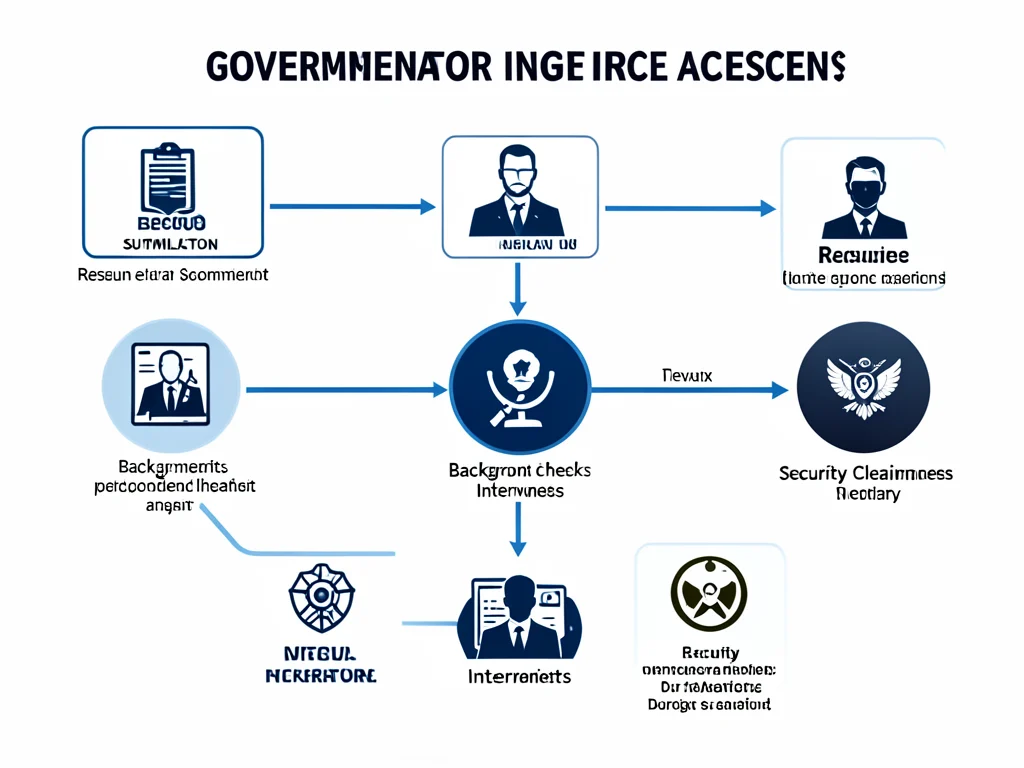
Embarking on a career in intelligence analysis typically begins with a rigorous application and registration process. Organizations seeking intelligence analysts often have dedicated portals for prospective candidates. These platforms guide applicants through the necessary steps, which usually include submitting a detailed resume, completing questionnaires, and undergoing background checks.
The application process is designed to assess a candidate’s suitability for the demanding nature of intelligence work. This often involves a series of assessments, interviews, and security clearances. It is a thorough process that ensures only the most qualified and trustworthy individuals are selected.
For those interested in exploring opportunities within the U.S. intelligence community, the IC Candidate Portal serves as a central hub. Here, you can find detailed job descriptions, learn about different career paths, and begin the application process.
Direct Link to Application and Registration: IC Candidate Portal
Education and Background

While specific educational requirements can vary depending on the role and agency, a bachelor’s degree is generally a minimum requirement for intelligence analyst positions. Degrees in fields such as international relations, political science, economics, history, computer science, or foreign languages are often highly valued. Many analysts also possess advanced degrees, which can provide a deeper level of expertise in a particular area.
A strong academic record and demonstrated analytical capabilities are important. Some positions may also require specific technical skills or a demonstrated interest in national security issues. Continuous learning and professional development are also encouraged throughout an analyst’s career to stay abreast of evolving challenges.
Conclusion

A career as an intelligence analyst offers a unique and impactful path for individuals with a passion for problem-solving and a commitment to national security. By gathering, analyzing, and reporting on critical information, analysts provide essential insights that shape policy and protect national interests. The application and registration process, while thorough, is the gateway to a fulfilling career in this vital field.
Frequently Asked Questions
What is the main role of an intelligence analyst?
An intelligence analyst’s main role is to gather, evaluate, and interpret information from various sources to provide insights and support decision-making, especially concerning national security.
What are the essential skills for an intelligence analyst?
Key skills include strong research and analytical abilities, excellent written and verbal communication, critical thinking, attention to detail, and adaptability.
How does one become an intelligence analyst?
Becoming an intelligence analyst involves a thorough application process, which typically includes submitting a resume, undergoing background checks, assessments, interviews, and obtaining security clearances.
What kind of education is needed for this career?
A bachelor’s degree in fields such as international relations, political science, economics, or computer science is generally required, with advanced degrees being advantageous.


Conversation
0 Comments