
Key Takeaways
- Begin the application process for the [Program Name] by registering on the official portal and using a regularly checked email address.
- Complete the detailed application form by providing information on qualifications, skills, and motivations, with your resume handy.
- Submit all required supporting documents, such as transcripts, recommendations, and a personal statement, by the specified deadlines.
- Prepare for various assessment stages, including interviews and tests, by researching the program and practicing your responses.
Understanding the Application Process for the [Program Name]
Embarking on a new career path or seeking to advance your current one often involves navigating a structured application process. For those interested in the [Program Name], understanding the steps involved is key to a successful application. This analysis will break down the typical structure of applying for such programs, focusing on what candidates can expect from initial registration to final acceptance.
Initial Registration and Information Gathering
The first step in applying for the [Program Name] usually involves creating an account or registering your interest through the program’s official portal. This initial phase is designed to collect basic contact information and may require you to acknowledge program terms and conditions. It’s important to use an email address you check regularly, as this will likely be the primary method of communication throughout the application journey. During this stage, you may also be prompted to provide details about your educational background and any relevant work experience.
Completing the Application Form

Following registration, you will typically be directed to a more detailed application form. This section is where you’ll provide comprehensive information about your qualifications, skills, and motivations for joining the [Program Name]. Be prepared to answer questions about your career goals, your understanding of the program’s objectives, and how you believe you would contribute. Some programs may also ask for specific details related to your previous roles or academic achievements, so having your resume or CV handy is advisable.
Document Submission Requirements

Most applications for programs like this require supporting documentation. This can include academic transcripts, professional certifications, letters of recommendation, and a personal statement or essay. Carefully review the list of required documents and ensure each item is submitted in the correct format and by the specified deadline. For instance, letters of recommendation should come from individuals who can speak to your abilities and character, and your personal statement is an opportunity to articulate your unique value proposition.
Assessment and Selection Stages
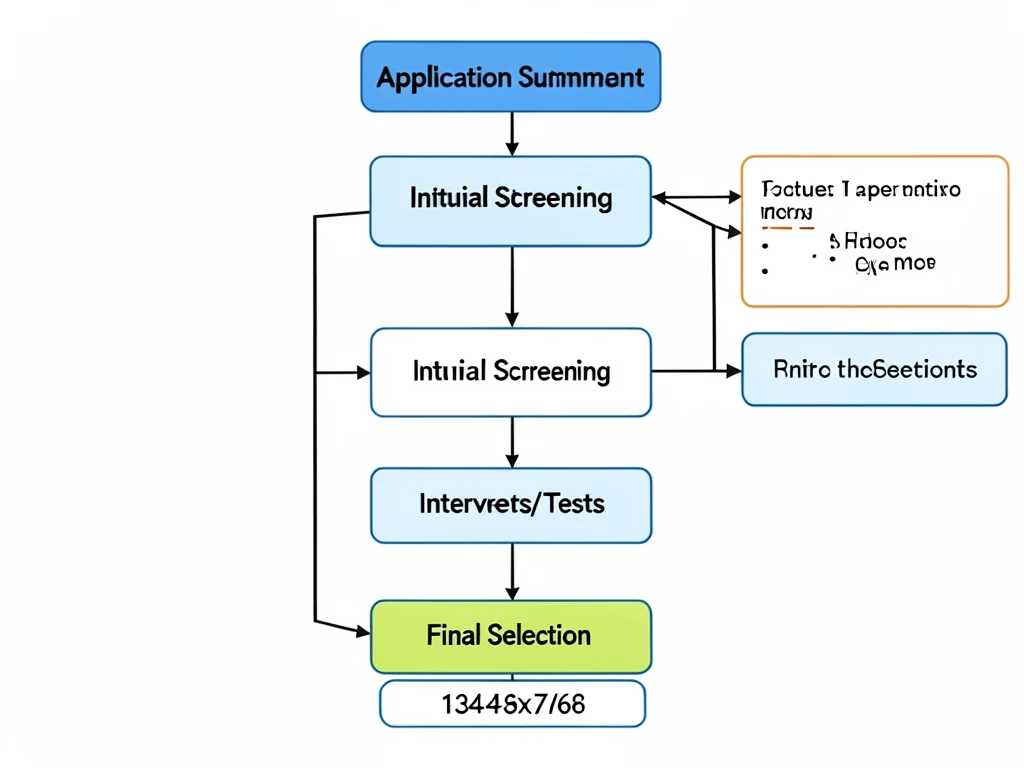
Once your application is submitted, it will undergo review. Depending on the program, this may involve several stages of assessment. Initial screening often checks for basic eligibility and completeness of the application. Candidates who pass this stage might then be invited for interviews, aptitude tests, or practical assessments. These evaluations are designed to gauge your suitability for the program beyond what is evident in your written application.
The Interview Process

Interviews are a common component of the selection process for the [Program Name]. These can range from a single one-on-one conversation to a panel interview or even a series of interviews with different stakeholders. Prepare by researching the organization or institution offering the program, understanding its mission, and thinking about how your skills and aspirations align with its goals. Be ready to discuss your experiences, answer behavioral questions, and ask thoughtful questions of your own.
Final Selection and Onboarding

After all assessments are complete, the final selection decisions are made. Successful candidates will receive an offer of admission or a position. This offer will typically outline the next steps, which may include background checks, medical examinations, or signing a contract. The onboarding process then begins, preparing you to officially join the program. This phase often involves orientation sessions, introductions to your team or cohort, and any necessary administrative tasks to get you started.
Applying for the [Program Name]
To begin your application for the [Program Name], you can visit the official recruitment portal. The organization offering this program is [Organization Name].
You can access the direct application link here: https://recruiting.ultipro.com/MAR1036MBCI/JobBoard/0127d5ea-e4e8-48ee-a74a-cc71dcd13133/OpportunityDetail?opportunityId=07429e88-3986-47f8-8d45-4c45c4ffc91d&postingId=5c6a31c9-9ab5-41c4-83df-9a7cb94b5624
Please ensure you have all necessary documents and information ready before starting your application to ensure a smooth process.
Conclusion
Navigating the application process for the [Program Name] involves several distinct stages, from initial registration to final onboarding. By understanding each step and preparing thoroughly, candidates can present their qualifications effectively and increase their chances of success. Paying close attention to detail, meeting deadlines, and clearly articulating your suitability for the program are essential throughout the entire journey.
Frequently Asked Questions
What is the first step to apply for the [Program Name]?
The first step is usually to register your interest or create an account on the program’s official portal.
What kind of information is needed for the application form?
You’ll need to provide details about your qualifications, skills, career goals, and why you want to join the program.
What documents are typically required for the application?
Commonly required documents include academic transcripts, letters of recommendation, and a personal statement or essay.
What happens after submitting the application?
Your application will be reviewed, and you may be invited for interviews, aptitude tests, or practical assessments.



Conversation
0 Comments