

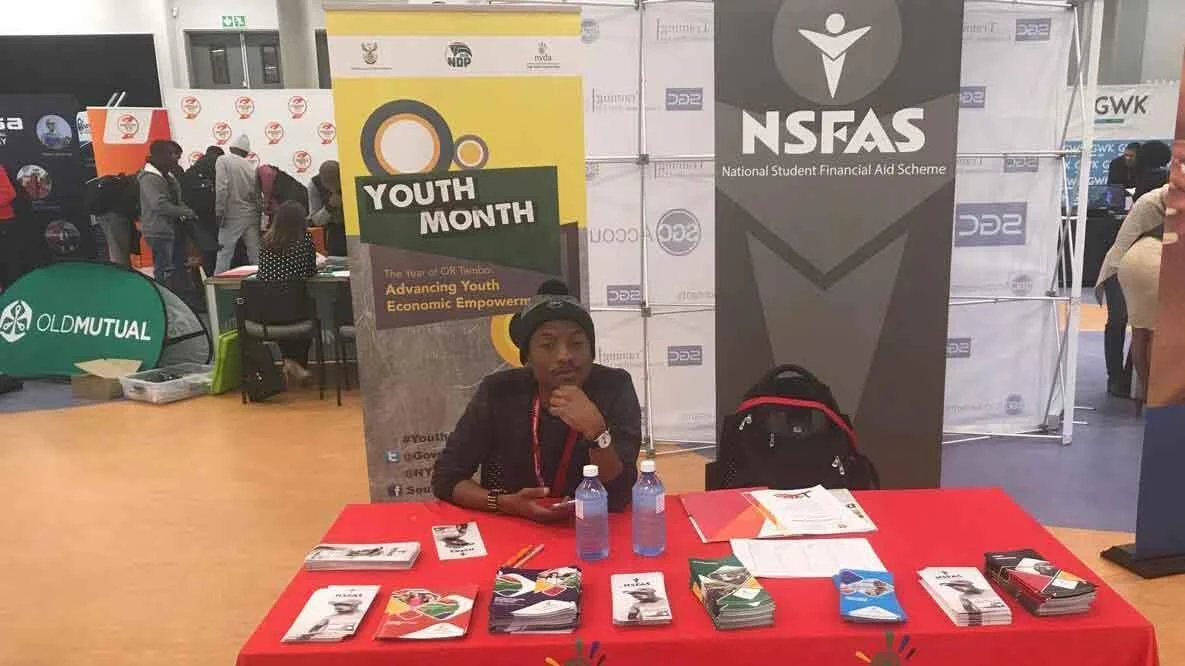
The National Student Financial Aid Scheme (NSFAS) has recently been at the center of a viral social media claim that a student received an astonishing R630,434.44. However, NSFAS has officially dismissed this information, labeling it as false and misleading. This incident highlights the importance of understanding how NSFAS operates and the dangers of spreading unverified information, especially in the digital age. This article will delve into the NSFAS payment process, explain why such a large, direct payment is highly improbable, and discuss the implications of misinformation.
Understanding the NSFAS Payment System
The National Student Financial Aid Scheme (NSFAS) plays a critical role in South Africa’s education sector by providing financial assistance to students from low-income households. Its primary goal is to ensure that financial constraints do not prevent deserving students from pursuing higher education at public universities and TVET colleges. NSFAS funding typically covers tuition fees, accommodation, books, and living expenses, among other approved costs.
However, the way NSFAS disburses these funds is often misunderstood. Instead of issuing large lump sums directly to individual students, NSFAS primarily channels funds to the institutions themselves. Universities and colleges then manage the distribution of these allowances to their students. This system is designed to ensure that funds are used for their intended purpose and to maintain financial oversight.
How NSFAS Funds Are Allocated
NSFAS funding is allocated in bulk to the educational institutions. These institutions then have the responsibility to manage the funds according to NSFAS guidelines. This means that tuition fees are paid directly to the university or college, and other approved allowances, such as accommodation, meal allowances, and book allowances, are disbursed to students through the institution’s financial systems.
The amount a student receives for living expenses, accommodation, and other allowances is determined by NSFAS policies and the specific costs associated with their institution. These amounts are generally standardized and do not reach the extraordinary figures claimed in the viral post. For instance, NSFAS has specific guidelines for accommodation allowances, which are typically capped and paid directly to the student’s registered accommodation provider or to the student if they are not residing in institutionally provided accommodation.
The Role of Institutions in Disbursement
Universities and TVET colleges act as intermediaries in the NSFAS payment process. They receive the allocated funds from NSFAS and are responsible for distributing them to students. This process involves verifying student eligibility, confirming enrollment status, and ensuring that all payments align with NSFAS regulations. Institutions often use their own student management systems to track these disbursements.
This institutional control is a key reason why a direct payment of R630,000 to a single student is highly unlikely. The system is designed to prevent large, unmonitored outflows of funds. Any irregularities or exceptionally large payments would typically be flagged by the institution’s financial controls and NSFAS oversight mechanisms.
Debunking the Viral R630,000 Claim
The recent viral claim of a student receiving R630,434.44 from NSFAS has been thoroughly investigated and officially denied by the scheme. NSFAS has stated that the image circulating online is not a genuine transaction record.
NSFAS’s Official Statement and Findings
In response to the widespread misinformation, NSFAS issued a clear statement. They confirmed that the image was manipulated and likely generated using artificial intelligence (AI). This means the visual evidence presented was fabricated, designed to deceive and create a sensation online. NSFAS emphasized that no such payment has ever been made to any student through their systems, and there has been no irregular payment or system breach.
The scheme suggested that the content was likely created for social media attention. In today’s digital landscape, content designed to go viral often prioritizes shock value over accuracy. This particular claim seems to fit that pattern, aiming to generate engagement and discussion, regardless of its truthfulness.
Why Such a Payment is Improbable
Several factors make the R630,000 payment claim highly improbable within the established NSFAS framework:
- Direct Payment Limitations: NSFAS does not typically issue such massive lump sums directly to students. The funding model is designed for controlled disbursements covering specific needs like tuition and living expenses, not for large, unallocated cash transfers.
- Institutional Oversight: As mentioned, funds are largely managed by institutions. A payment of this magnitude would require multiple layers of approval and verification, which would be difficult to bypass without detection.
- Annual Funding Caps: While NSFAS funding can be substantial over a student’s academic career, the annual allowances for living expenses, books, and accommodation are capped. These caps are set to cover reasonable costs and do not approach the R630,000 figure for a single disbursement.
- AI and Manipulation: The confirmation that the image was AI-generated is a critical piece of evidence. AI tools can create highly realistic but entirely false images and documents, making it easier to spread misinformation.
The Dangers of Misinformation and NSFAS’s Stance
The spread of false information, especially concerning financial aid, can have serious consequences. It can create unrealistic expectations among students, sow distrust in legitimate financial aid programs, and potentially lead to fraudulent activities. NSFAS is taking this issue seriously and has outlined its position on combating misinformation.
Impact on Students and Institutions
When false claims like the R630,000 payment go viral, they can cause significant distress and confusion. Students who are genuinely struggling financially might develop false hopes or become disillusioned if they realize such payments are not possible. This can also lead to increased pressure on NSFAS and the institutions to explain and justify their processes, diverting resources from essential administrative tasks.
Furthermore, such misinformation can damage the reputation of NSFAS and the institutions involved. It can erode public trust and make it harder for these organizations to operate effectively. Students and their families rely on accurate information to plan their educational journeys, and misinformation can disrupt these plans.
NSFAS’s Legal Stance on Misinformation
NSFAS has made it clear that it will not tolerate the intentional creation or dissemination of false information that harms its reputation. The scheme has warned that it may pursue legal action against individuals or groups found to be responsible for spreading such misinformation. This stance underscores the seriousness with which NSFAS views the impact of fake news on its operations and the student community.
Legal action could include defamation lawsuits or other civil remedies, aimed at deterring future acts of misinformation. By taking a firm stance, NSFAS aims to protect its integrity and ensure that students receive accurate guidance regarding their financial aid.
How NSFAS Payments Actually Work in Practice
To further clarify the situation and combat the misinformation, it’s essential to detail how NSFAS payments are typically processed. Understanding this practical application of the funding model helps to illustrate why the viral claim is so far-fetched.
Direct Payments vs. Institutional Payments
The core of the misunderstanding lies in the direct payment of funds. NSFAS does not pay large lump sums directly to students for general use. Instead, the funding is structured to cover specific educational costs.
- Tuition and Registration Fees: These are paid directly by NSFAS to the university or college. Students do not receive this money in their bank accounts.
- Living Allowances: This category includes funds for accommodation, meals, and books. These allowances are disbursed to students, but usually through the institution. For example, if a student lives in university-residence accommodation, the accommodation allowance might be paid directly to the university to cover their fees. If a student lives off-campus, the allowance might be paid to the student’s bank account, but within set NSFAS limits.
- Student Accommodation Providers: In cases where students live in NSFAS-accredited private accommodation, NSFAS may pay the allowance directly to the accommodation provider.
The Role of the NSFAS Bank Account and Wallet
While NSFAS does disburse funds to students for living expenses, these are typically managed through specific systems. In some cases, NSFAS has utilized a student wallet system or direct bank transfers for these allowances. However, these amounts are calculated based on approved rates and are not arbitrary large sums. The R630,000 figure far exceeds any standard living allowance that NSFAS would provide, even over several years.
The system is designed with checks and balances to ensure that the funds allocated for specific purposes are used accordingly. This prevents students from receiving excessive amounts that could be misused or lead to financial mismanagement.
Security and System Integrity
NSFAS has reassured students and institutions that its systems remain secure. The denial of the R630,000 payment claim is backed by the fact that no security breaches or irregular payment patterns have been detected within their operational framework. This means that the integrity of the NSFAS financial system has not been compromised, and the viral claim is an isolated incident of misinformation.
The scheme’s commitment to system security is paramount, as it handles sensitive financial data for a large number of students and institutions. Any breach could have widespread implications, and NSFAS actively works to prevent such occurrences.
Navigating NSFAS Applications and Statuses
Understanding the NSFAS payment process is closely linked to understanding the application and status updates that students receive. Many students experience confusion or anxiety regarding their NSFAS applications, and misinformation can exacerbate these feelings.
Common NSFAS Statuses and Their Meanings
Students often track their NSFAS journey through various status updates. Some common statuses include:
- ‘Awaiting Academic Eligibility’: This status means NSFAS is verifying the student’s academic performance from previous years or their matric results to ensure they meet the academic requirements for funding.
- ‘Application Received’: This indicates that NSFAS has successfully received the student’s application.
- ‘Provisionally Funded’: This status suggests that the student has met the initial criteria and is likely to receive funding, pending final verification.
- ‘Funded’: This is the desired status, confirming that the student has been approved for NSFAS funding.
- ‘Rejected’: This means the application did not meet the NSFAS criteria. Students usually have an appeal process for rejections.
Each status has specific implications for when and how a student can expect to receive their allowances. For example, a ‘Funded’ status is a prerequisite for any disbursement of funds.
The ‘N+ Rule’ and Funding Eligibility
The NSFAS ‘N+ Rule’ is a critical aspect of funding eligibility that many students are unaware of or misunderstand. This rule states that a student is allowed to repeat a maximum of one year of study for every year of study in their qualification. For example, a three-year degree allows for a total of four years of funding (three years of study plus one extra year).
Violating the N+ Rule can lead to the rejection of an NSFAS application or the termination of funding, even if the student is otherwise eligible. Understanding and adhering to this rule is vital for students to maintain their NSFAS funding throughout their academic program.
Appeals and Grievances
If a student’s NSFAS application is rejected, or if they believe there has been an error in their funding status or disbursement, they have the right to appeal. NSFAS provides specific channels and timelines for submitting appeals. It is crucial for students to follow these procedures carefully and provide all necessary supporting documentation.
The appeals process allows NSFAS to review cases that may have been initially overlooked or where extenuating circumstances exist. This ensures fairness and provides a recourse for students facing difficulties with their funding.
The Broader Context of Student Funding in South Africa
The NSFAS scheme operates within a larger ecosystem of student financial support in South Africa. While NSFAS is the primary government-backed bursary, other avenues exist, and understanding these can provide a more complete picture of student financial aid.
Other Funding Options: ISFAP, Bursaries, and Loans
Beyond NSFAS, students can explore various other funding sources:
- ISFAP (Ikusasa Student Financial Aid Programme): ISFAP is a private sector initiative that provides comprehensive bursaries to students from low-income backgrounds, often focusing on specific fields of study and institutions. It aims to support students holistically, including academic, social, and financial support.
- University-Specific Bursaries: Many universities offer their own bursaries, often funded by alumni, corporate sponsors, or the university’s endowment. These can be merit-based, need-based, or targeted towards specific programs.
- Corporate Bursaries and Learnerships: Numerous companies offer bursaries and learnership programs as part of their corporate social responsibility or talent pipeline development. These often require students to commit to working for the company after graduation.
- Student Loans: Financial institutions and organizations like Fundi offer student loans. These are different from bursaries as they must be repaid with interest after graduation. They can be a viable option for covering costs not fully met by other funding sources.
The Importance of Accurate Information for Post-Matric Planning
Navigating the post-matric landscape can be overwhelming for students and their families. Accurate information about funding options, application processes, and eligibility criteria is essential for making informed decisions. Misinformation, like the NSFAS R630,000 claim, can create unrealistic expectations and lead to poor planning.
Careers Portal and similar platforms play a vital role in disseminating accurate information about bursaries, learnerships, TVET colleges, universities, and financial aid schemes like NSFAS. By providing reliable resources, these platforms help students make sound choices about their future educational and career paths.
Conclusion
The viral claim of a student receiving R630,000 from NSFAS has been definitively debunked by the National Student Financial Aid Scheme itself. The organization has clarified that the image was manipulated and likely AI-generated, emphasizing that no such payment has been made. This incident serves as a stark reminder of the prevalence of misinformation in the digital age and the importance of relying on official sources for critical information.
NSFAS operates on a system where funds are primarily channeled through educational institutions, with strict financial controls in place. The direct disbursement of such a large sum to an individual student is fundamentally contrary to how the scheme functions. The scheme has also warned of potential legal action against those who intentionally spread damaging falsehoods.
For students navigating the complexities of NSFAS applications and funding, it is crucial to understand the actual processes, eligibility criteria, and the meaning of various status updates. Exploring all available funding options, including university bursaries, corporate programs, and loans, is also advisable. By staying informed through reliable channels and critically evaluating sensational claims, students can make sound decisions about their educational futures without falling prey to misinformation.

Conversation
0 Comments