

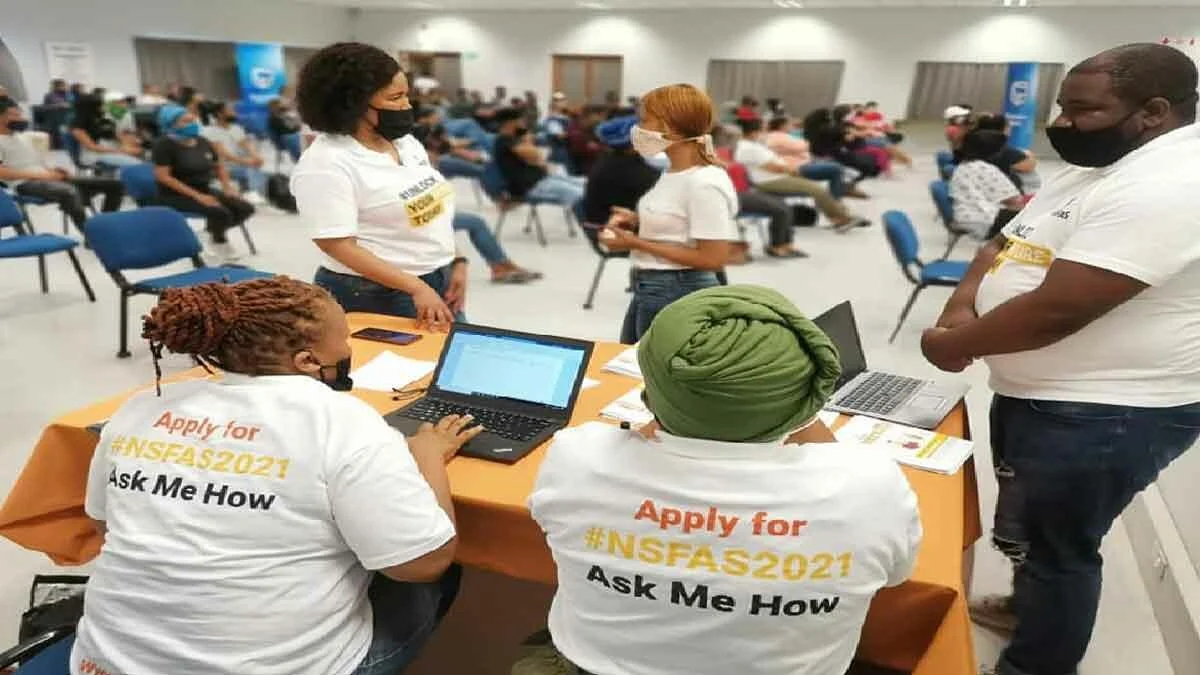
The National Student Financial Aid Scheme (NSFAS) plays a critical role in South Africa’s educational landscape, providing vital financial support to students who might otherwise be unable to pursue higher education. For many aspiring students, understanding the application process and fulfilling all requirements is key to unlocking this opportunity. One such requirement that has caused confusion for some applicants is the NSFAS consent form. This document is not merely a formality; it is a crucial step in verifying financial information and ensuring that NSFAS can accurately assess an applicant’s eligibility for funding.
The NSFAS consent form, specifically the SARS consent form, grants NSFAS permission to access an applicant’s family financial data through the South African Revenue Service (SARS) database. This verification is essential for NSFAS to confirm the combined household income, a primary factor in determining financial need. Without this consent, NSFAS cannot complete the assessment, and funding approval will be stalled or denied. Therefore, understanding how to obtain, complete, and submit this form correctly is paramount for any applicant who has been requested to provide it. This article will guide you through the process, ensuring you can navigate this requirement with confidence and move closer to securing your NSFAS funding for the 2026 academic year.
Understanding the NSFAS Consent Form
The NSFAS consent form is a mandatory document for certain applicants. It serves as a formal authorization for the National Student Financial Aid Scheme to access and verify financial information held by the South African Revenue Service (SARS). This verification process is a cornerstone of NSFAS’s eligibility assessment. By cross-referencing applicant-provided financial details with SARS records, NSFAS can ensure the accuracy of income declarations and identify potential discrepancies. This helps maintain the integrity of the bursary system and ensures that funds are allocated to those who genuinely meet the financial criteria.
The scheme’s mandate is to support students from low-income households, and the SARS consent form is a key tool in confirming this status. It allows NSFAS to look at the combined income of the applicant’s household, providing a more comprehensive picture of their financial situation. This is particularly important in cases where income sources might be varied or complex. For the 2026 academic year, as in previous years, applicants who are asked to submit this form must do so to finalize their application. Failure to provide the completed consent form will prevent NSFAS from completing its assessment, leading to an incomplete application and, consequently, no funding approval.
Why is the SARS Consent Form Necessary?
The necessity of the SARS consent form stems directly from NSFAS’s commitment to equitable distribution of its limited resources. South Africa faces significant socio-economic challenges, and NSFAS aims to bridge the gap for academically deserving students from disadvantaged backgrounds. To effectively target this support, NSFAS needs reliable data on household income. The SARS database is the most authoritative source for such information in South Africa.
By obtaining consent, NSFAS can perform a crucial due diligence step. This process helps to:
- Verify Household Income: It confirms the declared income of the applicant’s parents or guardians, ensuring it aligns with the financial thresholds set by NSFAS.
- Detect Discrepancies: It can identify cases where declared income might not accurately reflect the family’s financial capacity, preventing fraudulent claims and ensuring funds go to those most in need.
- Streamline the Application Process: While it may seem like an extra step, having this verification mechanism in place can actually speed up the overall assessment for many applicants by providing a definitive financial status.
- Ensure Fairness: It promotes fairness by applying the same rigorous verification standards to all applicants, regardless of how they present their financial information.
In essence, the SARS consent form is a critical component of NSFAS’s accountability and fairness framework. It allows the scheme to operate transparently and effectively, fulfilling its mission to provide financial aid to deserving students for their tertiary education in 2026.
Who Needs to Submit the Consent Form?
It is important to understand that not all NSFAS applicants are required to submit a consent form. NSFAS typically requests this document from applicants whose submitted information suggests a need for further financial verification. This often includes applicants whose declared household income falls within a certain range, or those whose financial circumstances might be complex, such as having multiple income earners or self-employed individuals in the household.
NSFAS will directly communicate with applicants if the consent form is required. This notification usually comes through the myNSFAS portal, email, or SMS. Applicants should regularly check their communication channels and the myNSFAS portal for any updates or requests from NSFAS. If you have applied and have not been asked for a consent form, it is likely that your application can proceed based on the information already provided. However, it is always advisable to keep an eye on your application status via the myNSFAS portal.
Downloading the NSFAS Consent Form for 2026
For applicants who have been notified that a consent form is required for their 2026 NSFAS application, the next step is to download the correct document. NSFAS provides a specific form designed for this purpose, and it’s crucial to use the official version to ensure it is accepted. The form is typically available for download directly from the NSFAS website.
Accessing the Official NSFAS Consent Form
The most reliable way to obtain the NSFAS consent form is by visiting the official NSFAS website. NSFAS often provides a direct link to download application-related documents, including consent forms, in a dedicated section for downloads or forms. For the 2026 application cycle, applicants should look for a form explicitly labeled for the current application year.
A direct link to the NSFAS consent form for 2025 applications was provided in the research data, which can be adapted for 2026. Applicants should navigate to the NSFAS website and look for a section dedicated to application forms or downloads. The form is usually in PDF format, which is universally accessible and easy to print or fill digitally.
Here’s a general guide to finding the form:
- Visit the NSFAS Website: Go to the official NSFAS website.
- Navigate to the ‘Downloads’ or ‘Forms’ Section: Look for a menu item or a link that leads to downloadable documents.
- Locate the Consent Form: Find the specific consent form for the 2026 application cycle. It might be titled “NSFAS 2026 Application Consent Form” or similar.
- Download the PDF: Click on the link to download the form to your device.
It is essential to ensure you are downloading the form from the official NSFAS domain to avoid using outdated or fraudulent documents. If you encounter difficulties finding the form, contacting NSFAS directly through their official channels is recommended.
What Information is on the Consent Form?
The NSFAS consent form is designed to gather specific authorizations and applicant details. While the exact layout may vary slightly from year to year, it typically includes sections for:
- Applicant’s Personal Details: Full name, ID number, contact information.
- Parent/Guardian’s Details: Full names, ID numbers, and contact information for all relevant household income earners.
- Authorization Statement: A clear statement granting NSFAS permission to access SARS records for income verification. This is the core of the form.
- Declaration: A section where the applicant and/or parent/guardian declares the accuracy of the information provided and acknowledges the purpose of the consent.
- Signatures and Dates: Spaces for the applicant and parent(s)/guardian(s) to sign and date the document, making the authorization legally binding.
Applicants must fill out all required sections accurately and completely. Any missing information or errors could lead to delays or rejection of the consent. It is advisable to have the ID numbers of all relevant household members readily available before starting to fill out the form.
Completing the NSFAS Consent Form Accurately
Filling out the NSFAS consent form correctly is as important as downloading the right document. Accuracy and completeness are key to ensuring that NSFAS can process your application without further issues. This section provides a step-by-step guide to help you complete the form with confidence.
Step-by-Step Guide to Filling the Form
- Read Instructions Carefully: Before you begin, take a moment to read any instructions provided on the form itself or accompanying documentation. This will highlight any specific requirements or details you need to pay attention to.
- Applicant’s Information: Fill in your full name, NSFAS application number (if you have one), and your South African ID number. Ensure these details match your application exactly.
- Parent/Guardian Information: This is a critical part. You will need to provide the full names, ID numbers, and possibly contact details for your parents or guardians, or any other individuals whose income contributes to your household’s financial status. NSFAS needs to verify the combined household income, so include all relevant individuals.
- Authorization Section: This section will contain the legal text granting NSFAS permission to access SARS data. You will likely need to tick boxes or initial next to specific statements to confirm your understanding and agreement.
- Declaration and Signatures: You, and your parent(s)/guardian(s), will need to sign and date the form. Ensure all signatures are legible and that the dates are current. If a parent or guardian is unable to sign, there might be a provision for an alternative authorized signatory, but this should be clarified with NSFAS.
- Review Before Submission: Before submitting, thoroughly review the entire form. Check for any spelling errors, missing information, or incomplete sections. A single mistake can cause significant delays.
Tips for Accuracy:
- Use Black Ink: If filling out a printed form, use black ink for clarity and ease of scanning.
- Print Clearly: Ensure all handwriting is legible.
- Double-Check ID Numbers: ID numbers are crucial. Ensure they are entered correctly for both the applicant and household members.
- Keep a Copy: Make a photocopy or take a clear photo of the completed and signed form for your records before submitting it.
By following these steps, you can ensure your NSFAS consent form is completed accurately, moving your application forward smoothly.
Common Mistakes to Avoid
When completing the NSFAS consent form, applicants can sometimes make errors that lead to delays or rejection. Being aware of these common pitfalls can help you avoid them:
- Incomplete Household Information: Forgetting to include all income-earning members of the household is a frequent mistake. NSFAS needs the complete financial picture, so ensure all parents, guardians, or other contributing individuals are listed with their correct ID numbers.
- Incorrect ID Numbers: Typos in ID numbers are critical errors. A single digit wrong can invalidate the consent. Always double-check these numbers against official identification documents.
- Missing Signatures or Dates: Ensure that all required parties have signed and dated the form. Unsigned forms are considered incomplete.
- Illegible Handwriting: If you are handwriting the form, ensure your writing is clear and easy to read. Smudged or messy writing can lead to misinterpretation of details.
- Using the Wrong Form: Downloading an outdated or incorrect version of the consent form will result in its rejection. Always ensure you are using the official form for the 2026 application cycle.
- Not Authorizing NSFAS: Failing to properly authorize NSFAS to access SARS records by not ticking the correct boxes or initialing where required means the core purpose of the form is not met.
Avoiding these common mistakes will significantly increase the chances of your consent form being accepted without issues, allowing NSFAS to proceed with your application assessment.
Submitting the NSFAS Consent Form Online
Once the NSFAS consent form is accurately completed, the next crucial step is to submit it to NSFAS. The preferred method for submission is typically online, through the myNSFAS student portal. This ensures that your documents are processed efficiently and securely.
The myNSFAS Portal: Your Submission Hub
The myNSFAS portal is the central online platform for all NSFAS applicants and beneficiaries. It is where you can track your application status, update your information, and upload supporting documents, including the consent form. Accessing and using this portal correctly is vital for a smooth application process.
To upload your completed consent form:
- Navigate to the myNSFAS Portal: Open your web browser and go to the official myNSFAS portal website. The URL is typically
my.nsfas.org.za. - Log In: Enter your username and password. If you are a first-time user or have forgotten your credentials, there are usually options to reset your password or register an account.
- Locate the Document Upload Section: Once logged in, look for a section related to “Application Status,” “Track Funding Progress,” or “Upload Documents.” The exact wording may vary.
- Select the Consent Form: You will likely see a list of required or outstanding documents. Select the option to upload your consent form.
- Upload the File: Browse your device for the completed consent form (saved as a PDF or image file, depending on the portal’s requirements) and upload it. Ensure the file is clear and legible.
- Submit: After uploading, there will usually be a button to “Submit Documents” or “Confirm Upload.” Click this to finalize the submission.
- Confirmation: You should receive a confirmation message on the portal, and potentially an email or SMS, indicating that your documents have been successfully uploaded. Keep this confirmation for your records.
It is important to submit the form as soon as possible after completing it to avoid any last-minute technical issues or delays.
Ensuring Document Clarity and Legibility
The clarity of the uploaded document is paramount. NSFAS officials need to be able to read all the information on the consent form clearly to process it. If the document is blurry, too dark, too light, or has parts cut off, it may be rejected, even if all the information is correct.
Tips for clear uploads:
- Scan the Document: If possible, use a scanner to create a high-quality digital copy of the completed form. This usually results in the clearest and most professional-looking document.
- Use a Smartphone Scanning App: Many free apps are available for smartphones that can scan documents and convert them into clear PDFs or image files. These apps often have features to correct perspective and enhance readability.
- Take a Clear Photo: If scanning is not an option, take a clear, well-lit photograph of the form. Ensure the entire form is visible, there are no shadows, and the text is sharp. Avoid using flash if it causes glare.
- Check File Size and Format: The myNSFAS portal may have specific requirements for file size and format (e.g., PDF, JPG). Ensure your uploaded file meets these criteria.
- Preview Before Uploading: Most upload functions allow you to preview the file before finalizing. Always check the preview to ensure the document is clear and complete.
If you encounter persistent issues with uploading clear documents, or if you are unsure about the clarity of your submission, consider seeking assistance from a NSFAS or NYDA (National Youth Development Agency) office, or your educational institution’s financial aid office. They often have resources to help applicants with document submission.
What Happens After Submission?
Submitting the NSFAS consent form is a significant step, but it is not the final one in the application process. Once NSFAS receives your completed form, they will proceed with verifying the information and assessing your application further. Understanding the post-submission process can help manage expectations and guide your next steps.
Tracking Your Application Status
After submitting the consent form, the most important action you can take is to regularly monitor your application status through the myNSFAS portal. This portal provides real-time updates on your application’s progress, including whether the consent form has been received and processed, and what the final decision is.
To track your status:
- Log in to myNSFAS: Access the portal at
my.nsfas.org.za. - Navigate to Funding Progress: Find the section that displays your funding progress or application status.
- Review Updates: Look for any new information or status changes. This might include messages like “Documents Received,” “Under Review,” “Approved,” or “Declined.”
NSFAS aims to communicate decisions before the start of the academic year. However, the processing times can vary depending on the volume of applications. Patience is key, but consistent checking of the portal ensures you are aware of any developments.
Understanding Application Outcomes
Once NSFAS has completed its assessment, including the verification of your consent form and other required documents, they will communicate their decision. This decision will be communicated through various channels:
- SMS: A text message will be sent to your registered mobile number.
- Email: An email will be sent to your registered email address.
- myNSFAS Portal: The status update will be reflected on your myNSFAS account.
Possible outcomes include:
- Approved: If your application is successful, you will be notified of your approval and the details of your funding. This means NSFAS will cover your tuition fees, accommodation, and provide allowances as per their policy.
- Declined: If your application is unsuccessful, NSFAS will provide a reason for the decline. You may have the option to appeal this decision if you believe there was an error or if your circumstances have changed.
- Further Information Required: In some cases, NSFAS might require additional documentation or clarification. You will be notified if this is the case.
It is crucial to respond promptly if NSFAS requests further information. If your application is approved, congratulations! You will then need to follow any further instructions provided by NSFAS and your educational institution to finalize your registration and funding.
What NSFAS Funding Covers
For students who successfully secure NSFAS funding for the 2026 academic year, the bursary scheme provides comprehensive financial support designed to alleviate the financial burdens of higher education. Understanding what NSFAS covers is essential for students to plan their finances and focus on their academic pursuits.
Tuition and Accommodation Fees
The primary function of NSFAS is to cover the cost of education. This includes:
- Tuition Fees: NSFAS pays the full tuition fees directly to the public university or TVET college on behalf of the student.
- Accommodation Fees: For students who qualify for and are approved for NSFAS-funded accommodation, the scheme covers the costs of living in university or college residences, or approved private accommodation. The amount covered for accommodation varies based on the institution and location.
Student Allowances
Beyond direct educational costs, NSFAS also provides allowances to help students manage their living expenses throughout the academic year. These allowances are intended to cover essential needs and vary depending on whether the student is studying at a university or a TVET college, and their accommodation status.
- Living Allowance: This allowance helps cover daily living expenses such as food and personal care items.
- Transport Allowance: For students who need to commute to their institution, a transport allowance is provided to help with travel costs.
- Book Allowance: Students receive an allowance to purchase prescribed textbooks and other learning materials.
The specific amounts for these allowances are determined by NSFAS and are subject to change annually. Students are typically paid these allowances directly, often through a student card or bank account, to manage their own expenses.
Eligibility and Continued Funding
To remain eligible for NSFAS funding, students must meet certain criteria throughout their studies. This includes maintaining satisfactory academic performance, as defined by the institution and NSFAS. Students are generally expected to pass a certain number of modules each academic year to continue receiving funding for subsequent years. NSFAS funding is intended to cover the duration of the student’s first post-school qualification. This means that if a student has already completed a qualification, they may not be eligible for NSFAS funding for a second undergraduate qualification. Students must also continue to meet the financial eligibility criteria, although the primary verification is done at the application stage.
Conclusion
The NSFAS consent form, particularly the SARS consent form, is a critical gateway for many students seeking financial aid for their tertiary education in 2026. While it may seem like an additional hurdle, it is a necessary step to ensure that NSFAS can accurately assess financial need and allocate its resources effectively and fairly. By understanding why the form is required, knowing where to download the official document, and meticulously completing it with accurate information, applicants can navigate this requirement with confidence.
The process of downloading, filling, and submitting the consent form online via the myNSFAS portal is designed to be as straightforward as possible. Paying close attention to detail, ensuring the clarity of uploaded documents, and regularly tracking your application status are key to a successful outcome. NSFAS funding offers a life-changing opportunity for many South African students, covering tuition, accommodation, and essential living expenses. By fulfilling all requirements, including the submission of the consent form, you significantly increase your chances of securing this vital support and embarking on your educational journey. Remember to always refer to official NSFAS communications and the myNSFAS portal for the most accurate and up-to-date information regarding your application for the 2026 academic year.
Conversation
0 Comments