

The National Student Financial Aid Scheme (NSFAS) plays a critical role in South African higher education, providing financial assistance to students who would otherwise be unable to afford tertiary studies. Each year, NSFAS disburses billions of rands to support students at universities and Technical and Vocational Education and Training (TVET) colleges. However, the process of receiving these allowances can sometimes be confusing, leading to the spread of misinformation. This article aims to clarify the various NSFAS allowances available for 2026, explaining what each covers and how it is disbursed, while also addressing common points of confusion and debunking prevalent fake news.
Understanding the structure and purpose of NSFAS allowances is essential for students to manage their finances effectively and avoid falling prey to false information. The scheme has undergone several changes in recent years, including the phasing out of the NSFAS wallet card and a shift towards direct bank account payments. These changes, while intended to improve efficiency, can also create opportunities for confusion. By providing clear, accurate information, this guide will help NSFAS-funded students navigate the allowance system with confidence throughout 2026.
NSFAS Allowances for 2026: A Comprehensive Overview
NSFAS provides a range of allowances designed to cover various aspects of a student’s educational journey. These allowances are generally paid over a 10-month period, aligning with the academic year. It’s important to note that the specific amounts can vary based on the student’s accommodation status, disability, and whether they receive a transport allowance. The primary categories of NSFAS allowances include the Learning Materials Allowance, Accommodation Allowance, and Living Allowance.
Learning Materials Allowance
The Learning Materials Allowance is a one-time annual payment disbursed at the beginning of the academic year. This allowance is intended to help students purchase essential study materials such as textbooks, stationery, and other academic resources. The amount provided can differ slightly depending on the student’s living situation. For students residing in catered residences, non-catered residences, or those with disabilities, the allowance is standardized to ensure equitable access to necessary learning tools. Students who also receive a transport allowance are typically allocated the same amount for learning materials, ensuring that their academic needs are met regardless of their transportation situation. This upfront payment is crucial for students to acquire the resources they need to succeed from the outset of their studies.
For 2026, the Learning Materials Allowance amounts are as follows:
- Students in Catered Residence: R5,678
- Students in Non-Catered Residence: R5,678
- Students with Disabilities (Catered or Non-Catered): R6,240
- Students Receiving a Transport Allowance: R5,678
- Students with Disabilities Receiving a Transport Allowance: R6,240
This allowance is a critical component of NSFAS funding, recognizing that the cost of academic materials can be a significant barrier for many students. By providing this lump sum at the start of the year, NSFAS aims to equip students with the tools they need to engage fully with their coursework and achieve their academic goals.
Accommodation Allowance
The Accommodation Allowance is a monthly payment provided to NSFAS-funded students who require housing during their studies. This allowance is crucial for students who do not live at home or whose homes are too far from their institution to commute daily. The amount of the accommodation allowance varies significantly based on the location and type of accommodation, as well as whether the student has a disability. Students living in ‘Metro’ areas (major cities) generally receive a higher allowance than those in ‘Non-metro’ areas (smaller towns and rural regions), reflecting the higher cost of living and accommodation in urban centers.
The monthly Accommodation Allowance for 2026 is structured as follows:
- Catered Residence (Metro): R6,599
- Catered Residence (Non-metro): R5,663
- Non-Catered Residence (Metro): R5,200
- Non-Catered Residence (Non-metro): R4,264
For students with disabilities, these amounts are adjusted to account for potentially higher living costs or specific needs:
- Students with Disabilities in Catered Residence (Metro): R6,963
- Students with Disabilities in Catered Residence (Non-metro): R6,027
- Students with Disabilities in Non-Catered Residence (Metro): R5,200
- Students with Disabilities in Non-Catered Residence (Non-metro): R4,264
It is important for students to understand that this allowance is specifically for accommodation. If a student is not receiving accommodation support from NSFAS, they may instead receive a transport allowance, which is a separate category of funding. This distinction is vital to ensure that students are receiving the correct type of support for their individual circumstances. The accommodation allowance is paid over 10 months, providing consistent financial support throughout the academic year.
Living Allowance
The Living Allowance, also known as the personal care allowance, is provided to specific categories of NSFAS-funded students to cover daily living expenses. This can include costs such as food, toiletries, clothing, and other personal necessities. Like the accommodation allowance, the living allowance is paid monthly over a 10-month period and its amount can vary based on the student’s disability status and whether they receive a transport allowance. This allowance aims to support the overall well-being of students, enabling them to focus on their studies without undue financial stress related to basic personal needs.
The monthly Living Allowance for 2026 is as follows:
- Students with Disabilities in Catered Residence (Metro): R1,716
- Students in Non-Catered Residence (Non-metro): R1,716
- Students with Disabilities in Non-Catered Residence (Metro): R2,080
- Students with Disabilities in Non-Catered Residence (Non-metro): R2,080
- Students Receiving a Transport Allowance: R1,716
- Students with Disabilities Receiving a Transport Allowance: R2,080
The variations in the living allowance are designed to address different student needs. For instance, students with disabilities might incur additional costs related to their specific circumstances, hence the higher allowance in certain categories. Similarly, students who receive a transport allowance may have different living cost considerations, which are reflected in the amount they receive. This allowance is a crucial part of NSFAS’s commitment to providing holistic support to its beneficiaries.
Understanding NSFAS Payment Schedules for 2026
NSFAS has implemented a structured payment schedule to ensure that allowances are disbursed to students in a timely and organized manner. In recent years, NSFAS has transitioned from using the NSFAS wallet card to making direct payments into students’ bank accounts. This change aims to streamline the process and provide students with greater control over their funds. Understanding these payment schedules is key to managing expectations and avoiding confusion, especially in light of the persistent spread of fake news regarding payment dates and amounts.
Direct Bank Account Payments
For the 2026 academic year, NSFAS is making payments directly to students’ personal bank accounts. This means that students must ensure they have provided NSFAS with their correct banking details. The direct deposit system is designed to be more efficient and secure than previous methods. Students should regularly check their bank statements to confirm the receipt of their allowances. It is also advisable for students to have a bank account that does not incur high transaction fees, as the allowances are disbursed monthly.
Typical Payment Dates
While specific dates can sometimes vary slightly due to public holidays or administrative adjustments, NSFAS generally adheres to a consistent payment schedule. This schedule differentiates between university students and TVET college students, reflecting the different academic calendars and administrative structures of these institutions.
- TVET Students: Typically receive their allowances on the 25th of each month.
- University Students: Typically receive their allowances on the 30th of each month.
These dates apply to the monthly allowances, such as accommodation and living expenses. The Learning Materials Allowance, being a once-off annual payment, is usually disbursed earlier in the academic year, often in the first semester. Students are encouraged to refer to official NSFAS communications or their respective institutions for the most accurate and up-to-date information regarding payment schedules.
Combating Fake News: The R5,200 Grant Misinformation
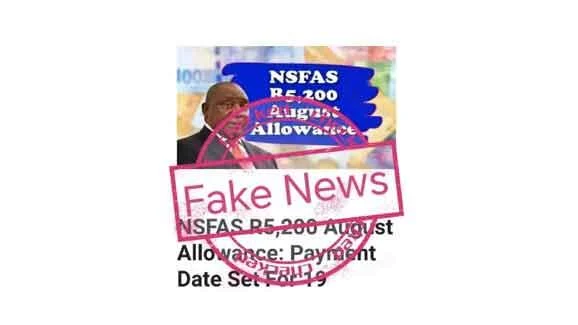
One of the most persistent issues faced by NSFAS students is the spread of fake news, particularly concerning specific payment amounts and dates. A notable example that emerged in past years, and which can resurface, involves claims of a special R5,200 grant payment to be made on a particular date, such as August 19th. NSFAS has consistently debunked such claims, confirming that these are false and that no such special payment is scheduled.
The Nature of the Fake News Campaign
This type of fake news often originates from unofficial websites or social media posts that are designed to look legitimate but have no affiliation with NSFAS. These websites might mimic official branding or use similar domain names to confuse students. The false information is then frequently shared through screenshots on messaging apps like WhatsApp and social media platforms such as Facebook, rapidly reaching a large number of students. The appeal of a seemingly unexpected payment can make students eager to believe and share such news, contributing to its widespread dissemination.
The source of this misinformation can be difficult to trace, as it often appears on numerous unofficial platforms. Websites that are not registered with professional bodies like the Press Council of South Africa are often behind these misleading reports. These sites may have names that sound official, such as variations of “National Student Financial Aid Scheme,” but they lack any genuine connection to the organization.
Identifying and Verifying Official Information
To combat fake news, students must rely on official sources for information regarding NSFAS allowances and payments. The primary sources of accurate information include:
- The Official NSFAS Website: NSFAS.org.za is the definitive source for all official announcements, policies, and payment information.
- Official NSFAS Social Media Channels: NSFAS maintains official accounts on platforms like Twitter and Facebook, where they post updates and address queries.
- Your Respective Institution: University and TVET college financial aid offices are also reliable sources of information, as they work directly with NSFAS.
- Reputable News Outlets: Established news organizations that specialize in education or student affairs often report accurately on NSFAS matters.
When encountering information about NSFAS payments, especially if it involves specific amounts or dates not found on official channels, students should exercise caution. Searching for the information on Google and looking for results from unofficial or suspicious-looking websites is a red flag. It is always best to cross-reference any claims with the official NSFAS website or your institution’s financial aid office before believing or acting upon them. The R5,200 grant misinformation serves as a stark reminder of the importance of media literacy and critical evaluation of online content.
Factors Influencing NSFAS Allowance Amounts in 2026
The amount of NSFAS allowance a student receives is not a fixed sum for everyone. Several factors are taken into account by NSFAS to determine the precise financial support provided. These factors are designed to ensure that funding is allocated equitably and effectively addresses the diverse needs of students across South Africa. Understanding these determinants can help students better comprehend their individual NSFAS packages.
Accommodation Status
As detailed earlier, the student’s accommodation status is a primary determinant of their allowance amount. Whether a student lives in a university-provided catered residence, a private non-catered residence, or commutes from home significantly impacts the accommodation allowance they receive. Metro areas, with their higher cost of living, generally offer higher allowances for accommodation compared to non-metro areas. This differentiation acknowledges the economic realities faced by students in different geographical locations.
Disability Status
NSFAS provides additional support for students with disabilities, recognizing that they may incur extra costs related to their studies and daily living. This can include expenses for specialized equipment, personal care, or accessible transportation. Consequently, students with disabilities often receive higher amounts for learning materials, accommodation, and living allowances, ensuring that their specific needs are adequately met. The scheme aims to create an inclusive environment where disability is not a barrier to educational success.
Transport Allowance
For students who do not require NSFAS-funded accommodation, a transport allowance may be provided instead. This allowance is intended to cover the costs associated with commuting to and from their educational institution. The amount of the transport allowance is standardized and is separate from the accommodation allowance. Students who receive this allowance may also have their learning materials and living allowances adjusted accordingly, ensuring that their overall financial support package is appropriate for their circumstances.
Type of Institution (University vs. TVET)
While the core principles of NSFAS funding remain consistent, there can be slight variations in how allowances are structured or disbursed between university students and TVET college students. These differences often stem from the distinct academic calendars, fee structures, and operational models of these institutions. However, the overarching goal of NSFAS is to provide comprehensive financial aid to all eligible students, regardless of whether they are pursuing a university degree or a vocational qualification at a TVET college.
Navigating NSFAS: Tips for Students in 2026
Successfully managing NSFAS funding requires more than just understanding the allowance structures; it also involves proactive engagement with the scheme and adherence to its guidelines. For students in 2026, adopting effective strategies can help ensure a smoother financial experience and prevent common pitfalls. These tips focus on communication, financial management, and staying informed.
Maintain Accurate Personal and Banking Details
It is imperative for students to keep their personal information, including contact details and banking information, up-to-date with NSFAS. Any changes in address, phone number, or bank account must be reported promptly. Incorrect banking details are a common reason for delayed or failed payments. Students should regularly log into their NSFAS myNSFAS portal to review and update their information. This proactive approach ensures that NSFAS can communicate effectively with students and disburse funds without issues.
Understand Your Funding Status and Obligations
Students should be aware of the terms and conditions of their NSFAS funding. This includes understanding the criteria for maintaining their bursary, such as academic performance requirements. NSFAS funding is a bursary, not a loan, meaning it does not need to be repaid, but it is contingent upon meeting certain academic standards. Regularly checking your NSFAS status via the myNSFAS portal will provide insights into your funding progress and any potential issues that need addressing.
Budgeting Your Allowances
NSFAS allowances are intended to cover specific educational and living expenses. Effective budgeting is crucial for students to manage their funds responsibly throughout the academic year. Students should create a monthly budget that allocates funds for accommodation, food, transportation, study materials, and other personal needs. Planning ahead can help prevent overspending and ensure that funds are available for essential expenses until the next disbursement. This financial discipline is a valuable skill that extends beyond academic life.
Seek Official Support When Needed
If students encounter any issues or have questions regarding their NSFAS allowances, they should not hesitate to seek assistance from official channels. This includes contacting the NSFAS call center, visiting an NSFAS service desk, or reaching out to the financial aid office at their educational institution. Relying on unofficial advice or social media rumors can lead to further confusion or misinformation. Official support channels are equipped to provide accurate guidance and resolve problems efficiently.
Be Wary of Scams and Fake News
As highlighted previously, the spread of fake news and scams targeting NSFAS students is a significant concern. Students must remain vigilant and critically evaluate any information they receive about NSFAS payments, especially if it promises unexpected windfalls or deviates from official announcements. Always verify information through official NSFAS channels before believing or acting upon it. Reporting suspicious messages or websites to NSFAS can also help in combating these fraudulent activities.
The Role of NSFAS in South Africa’s Educational Landscape
The National Student Financial Aid Scheme (NSFAS) is more than just a funding body; it is a cornerstone of South Africa’s commitment to providing equitable access to higher education. Established by the government, NSFAS aims to ensure that financial constraints do not prevent deserving students from pursuing their academic aspirations. Its impact extends beyond individual students, contributing to the nation’s pool of skilled professionals and fostering social mobility.
Promoting Access and Equity
NSFAS plays a pivotal role in democratizing access to higher education. By providing bursaries to students from low-income households, it levels the playing field, allowing talent and potential to flourish irrespective of socio-economic background. This commitment to equity is fundamental to addressing historical inequalities and building a more just society. The scheme’s expansion over the years, particularly its coverage of TVET colleges, underscores its dedication to a broad spectrum of post-secondary education.
Supporting Economic Development
The graduates supported by NSFAS contribute significantly to South Africa’s economic development. By enabling more individuals to obtain tertiary qualifications, NSFAS helps to fill critical skills gaps in various sectors of the economy. These graduates go on to become doctors, engineers, teachers, entrepreneurs, and skilled technicians, driving innovation, productivity, and economic growth. The long-term impact of NSFAS funding is thus a more skilled workforce and a more robust national economy.
Challenges and Future Directions
Despite its successes, NSFAS faces ongoing challenges, including managing its budget effectively, ensuring efficient disbursement of funds, and combating fraud and corruption. The scheme is continually working to improve its systems and processes, such as the transition to direct bank payments, to enhance transparency and accountability. Future efforts will likely focus on further streamlining operations, improving communication with students, and adapting to the evolving needs of the higher education sector. The commitment to supporting students remains at the forefront of NSFAS’s mission.
Conclusion
NSFAS allowances are a lifeline for thousands of South African students, enabling them to pursue higher education and vocational training. Understanding the different types of allowances—Learning Materials, Accommodation, and Living—along with their specific amounts and payment schedules for 2026, is crucial for students to manage their finances effectively. The shift to direct bank account payments signifies an effort by NSFAS to modernize its operations and improve efficiency.
It is paramount for students to remain vigilant against the pervasive spread of fake news, particularly concerning fabricated payment amounts like the purported R5,200 grant. Relying on official NSFAS channels and institutional financial aid offices for accurate information is the best defense against misinformation. By maintaining updated personal details, understanding their funding obligations, budgeting wisely, and seeking official support when needed, students can navigate the NSFAS system with greater confidence. NSFAS continues to be a vital institution in South Africa’s educational landscape, promoting access, equity, and contributing to the nation’s future prosperity.
Conversation
0 Comments