

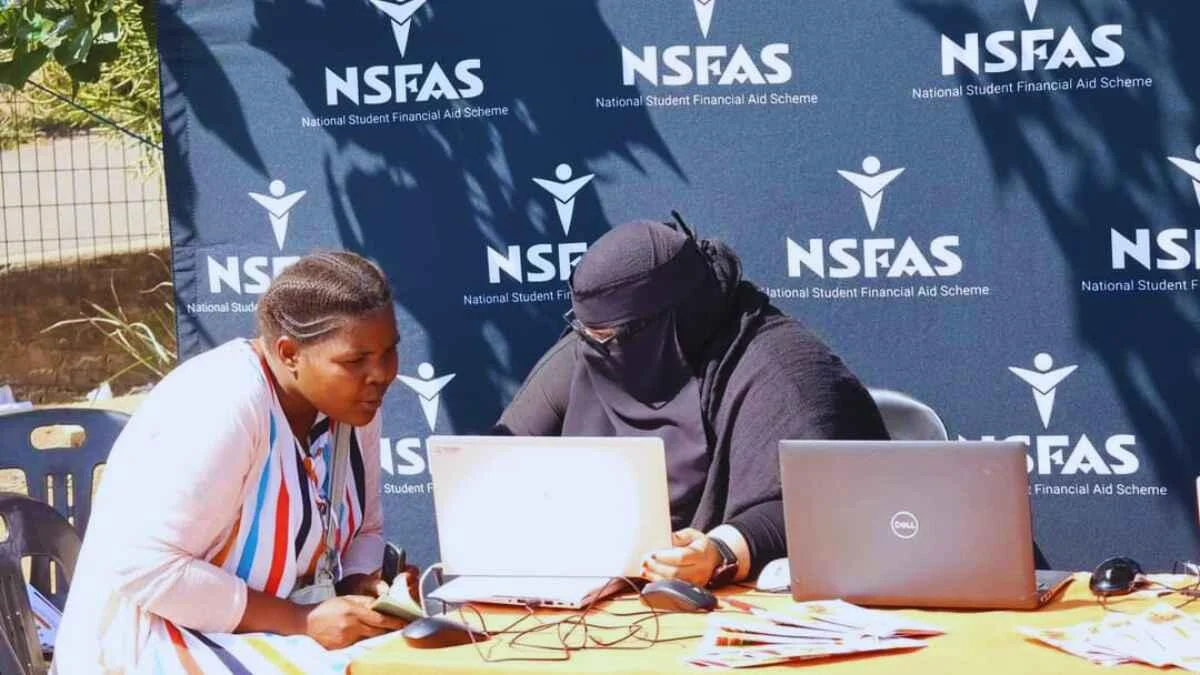
The National Student Financial Aid Scheme (NSFAS) plays a critical role in South Africa’s educational landscape, providing essential financial support to students who might otherwise be unable to pursue higher education. For many, an NSFAS loan or bursary is the key to unlocking opportunities at universities and TVET colleges, covering not just tuition and registration fees but also vital living allowances. However, the journey from application to acceptance can sometimes lead to unexpected outcomes. Students might find themselves with an NSFAS loan offer that, for various reasons, they no longer wish to accept.
Understanding the process for declining an NSFAS loan offer is crucial for any student in this situation. It’s not simply a matter of ignoring the offer; there are specific procedures and timelines to follow. Failing to adhere to these can have consequences, potentially impacting future applications or even leading to automatic withdrawal of the offer. This guide aims to clarify how students can effectively decline an NSFAS loan offer, ensuring they navigate the system correctly and maintain a clear standing with the financial aid scheme. We will explore the official requirements, the importance of timely communication, and what happens if an offer is not accepted within the stipulated period, all within the context of the 2026 academic year.
Understanding NSFAS Loan Offers
The NSFAS student loan scheme was introduced to assist students from “missing middle” households – those who do not qualify for NSFAS bursaries but still struggle to afford higher education costs. These loans are designed to cover tuition, registration, and various allowances, including accommodation, food, and learning materials. To apply for these loans, students typically need to sign a pre-agreement and quote, followed by a formal loan agreement if the offer is accepted.
When an NSFAS loan offer is made, it signifies that the student has met the initial eligibility criteria and that NSFAS is prepared to provide financial backing for their studies. This offer is a significant step, but it is not a binding commitment until formally accepted by the student according to NSFAS guidelines. The offer details the terms and conditions of the loan, including the amount to be disbursed, the period it covers, and the repayment obligations that will eventually apply. It is essential for students to carefully review these details before deciding whether to proceed.
The scheme operates with specific timelines to manage the allocation of funds and ensure that resources are available for all eligible applicants. This includes deadlines for accepting offers and submitting necessary documentation. Understanding the nature of the NSFAS loan offer is the first step in knowing how to properly decline it if it no longer aligns with a student’s educational or financial plans for the 2026 academic year.
How to Decline an NSFAS Loan Offer
For students who have received an NSFAS loan offer but decide not to accept it, there is a defined process to follow. The primary requirement is clear communication with both NSFAS and the educational institution where the student is enrolled or intends to enroll. This ensures that NSFAS is aware of the student’s decision and can reallocate the funds to other deserving applicants.
Informing NSFAS and Your Institution
The official guidance from NSFAS states that students who wish to decline a loan offer must inform NSFAS and their educational institution within 30 days of receiving the offer. This 30-day window is critical for the administrative process. It allows NSFAS to update their records promptly and manage their financial commitments effectively for the upcoming academic year.
To formally decline, a student should typically send a written notification. This could be an email to the relevant NSFAS contact points or the financial aid office at their institution. It is advisable to keep a copy of this communication for personal records. The notification should clearly state the student’s name, student number, and their intention to decline the NSFAS loan offer for the 2026 academic year. Some institutions may have specific forms or online portals for managing these decisions, so checking with the institution’s financial aid department is a good practice.
Consequences of Not Accepting or Submitting Documents
NSFAS also has provisions for situations where a student does not actively decline the offer but fails to take the necessary steps to accept it. According to NSFAS policy, students who do not accept their loan offer or fail to provide all required supporting documents within 30 calendar days from the date of the offer will be considered to have declined the loan. This means that inaction can lead to the offer being automatically withdrawn.
This policy is in place to ensure that NSFAS can efficiently process applications and disburse funds to students who are ready to proceed with their studies. If a student is unsure about accepting the loan, it is better to communicate this uncertainty to NSFAS or their institution rather than letting the deadline pass, which could be interpreted as a decline. For students who might have missed the initial deadline due to unforeseen circumstances, it is still worth contacting NSFAS or their institution to explain the situation, although there is no guarantee that an offer can be reinstated after the 30-day period.
Reasons for Declining an NSFAS Loan Offer
Students may have a variety of valid reasons for choosing to decline an NSFAS loan offer. These decisions are often based on a careful consideration of their personal circumstances, financial planning, and alternative educational pathways. Understanding these common motivations can provide context for why a student might find themselves in this position.
Securing Alternative Funding
One of the most common reasons for declining an NSFAS loan is the successful acquisition of alternative funding. This could include bursaries from private companies, trusts, or other government-supported programs that may offer more favorable terms, such as not requiring repayment. Some students might also receive funding from their employers, family sponsorships, or scholarships awarded based on academic merit or specific talents. When a student secures funding that fully covers their educational expenses without the obligation of future repayment, they often opt to decline the NSFAS loan to avoid unnecessary debt.
Change in Financial Circumstances
A student’s financial situation can change between the time of application and the offer of a loan. For instance, a family’s income might increase, making them no longer eligible for the “missing middle” category, or they might have saved enough to cover the costs themselves. Conversely, a family’s financial situation might worsen, potentially making them eligible for a full NSFAS bursary rather than a loan, though this would typically require a new application or appeal process. Whatever the specific change, if the need for the loan diminishes or disappears, declining the offer becomes a sensible financial decision.
Reconsidering Educational Plans
Sometimes, a student’s academic or career path might shift. They may decide to pursue a different course of study, transfer to a different institution, or even take a gap year. If these changes mean that the NSFAS loan offer is no longer relevant to their updated plans, declining it is the appropriate action. For example, if a student initially applied for a degree program but later decides to pursue a vocational qualification at a college not covered by the specific NSFAS loan agreement, the offer would need to be declined. It is also possible that a student might find a more suitable or cost-effective educational program elsewhere that does not require NSFAS funding.
Unfavorable Loan Terms
While NSFAS loans are designed to be accessible, some students might find the specific terms and conditions of the loan agreement to be less than ideal for their long-term financial planning. This could relate to the interest rate, the repayment schedule, or the conditions under which the loan might be converted to a bursary. Although NSFAS aims to provide affordable funding, individual financial circumstances and risk tolerance vary. A student might compare the NSFAS loan terms with other available financial products or simply decide that taking on any form of loan is not a path they wish to pursue at this stage of their lives.
The NSFAS Loan Agreement Process
The process of accepting or declining an NSFAS loan offer is tied to the formal loan agreement. This agreement is the legal document that solidifies the financial relationship between the student and NSFAS. Understanding its components and the timeline for its execution is key to managing the loan offer effectively.
Pre-Agreement and Loan Agreement
Before a formal loan offer is extended, applicants often engage with a pre-agreement phase. This stage involves providing initial information and agreeing to the preliminary terms and conditions. It signifies the student’s interest and initial eligibility. Once the loan offer is made, the next step for those who wish to accept is to sign the official NSFAS loan agreement. This document is comprehensive and outlines all the rights and responsibilities of both the student and NSFAS.
The loan agreement details the exact amount of funding, the duration it will be provided, the specific courses and institutions covered, and the conditions for repayment. It also includes information about any allowances provided and the circumstances under which the loan might be converted into a bursary, if applicable. Students are strongly advised to read this document thoroughly, perhaps with the help of a financial advisor or a trusted mentor, before signing.
Signing the Agreement
If a student decides to accept the NSFAS loan offer, they must sign the loan agreement within the stipulated timeframe, which is typically 30 days from the offer date. This signature signifies their formal acceptance of the loan and its terms. The signed agreement is then submitted back to NSFAS, often through the institution’s financial aid office or a designated online portal.
The act of signing the loan agreement is a commitment. It means the student is legally bound to the terms, including the eventual repayment of the loan. For this reason, it is crucial that the decision to sign is made only after careful consideration and a full understanding of the implications. If there is any doubt or confusion, it is far better to seek clarification or decline the offer within the 30-day period.
What Happens After Declining an Offer
Declining an NSFAS loan offer, when done correctly, is a straightforward process with clear outcomes. It ensures that the student’s financial aid status is updated and that they are not held liable for a loan they do not intend to take.
Official Record and Future Applications
When a student formally declines an NSFAS loan offer, this decision is recorded in their NSFAS profile. This ensures that their record accurately reflects their financial aid status. For future academic years, this record will be accessible to NSFAS when processing new applications. Declining an offer in one year does not typically prevent a student from applying for NSFAS funding in subsequent years, provided they continue to meet the eligibility criteria for that specific year.
It is important for students to understand that declining a loan offer is a neutral action. It does not negatively impact their standing with NSFAS, as long as the process is followed correctly and within the given timeframes. The scheme understands that circumstances change, and students may find alternative solutions or no longer require the funding.
Reallocation of Funds
By declining an offer, students enable NSFAS to reallocate those funds to other eligible applicants on the waiting list or those who are still being assessed. This efficient management of resources is vital for NSFAS to assist as many students as possible within its budget constraints. The timely decline of offers helps NSFAS to maintain its operational efficiency and fulfill its mandate of providing financial aid to South African students pursuing higher education in 2026 and beyond.
Alternatives to NSFAS Loans
For students who decline an NSFAS loan offer, or for those who do not qualify for NSFAS funding at all, several alternative avenues for financial assistance exist. Exploring these options can help students find the necessary support to fund their education.
Bursaries and Scholarships
Bursaries and scholarships are often more attractive than loans because they do not require repayment. These can be offered by a wide range of organizations, including private companies, government departments (other than NSFAS), non-profit organizations, and educational institutions themselves. Many companies offer bursaries as part of their corporate social responsibility or to develop future talent in their industry. Universities and colleges often have their own scholarship programs based on academic merit, specific fields of study, or financial need. Students should actively research these opportunities, as they can significantly reduce or eliminate the need for student loans.
Study Loans from Financial Institutions
Beyond NSFAS, traditional banks and other financial institutions offer study loans. These loans typically come with different interest rates, repayment terms, and eligibility criteria compared to NSFAS loans. While they may require a credit check and potentially a guarantor, they can be a viable option for students whose families have a good credit history or who can secure the necessary collateral. It is important for students to compare the offerings from various banks, looking at factors like interest rates, repayment holidays, and the total cost of the loan over its lifetime.
Institutional Financial Aid Offices
University and college financial aid offices are valuable resources for students seeking funding. They can provide information on institutional bursaries, scholarships, and sometimes even emergency loans. They are also knowledgeable about external funding opportunities and can guide students on how to apply for them. Many institutions have dedicated staff who can assist students with financial planning and navigating the complex world of student finance. Building a relationship with the financial aid office at your chosen institution can open doors to various forms of support.
Payment Plans and Financial Assistance from Colleges
Some educational institutions offer their own payment plans, allowing students to pay their tuition fees in installments over the academic year. This can make education more manageable for families who can afford to pay but prefer to spread the costs. Additionally, some private colleges might have specific financial assistance programs or partnerships with funding bodies. Inquiring directly with the admissions and finance departments of the specific college or university is always a good step to understand what flexible payment options or internal aid might be available for the 2026 academic year.
Navigating the 2026 Academic Year with NSFAS
As the 2026 academic year approaches, students are actively engaged in the process of securing funding for their studies. For those who have received NSFAS loan offers, understanding the implications of accepting or declining is paramount. The National Student Financial Aid Scheme (NSFAS) continues to be a cornerstone of financial support for many South African students, but its processes require careful attention.
Key Dates and Deadlines
For the 2026 academic year, NSFAS will announce specific dates for application opening and closing, as well as deadlines for accepting loan offers and submitting required documentation. Students must stay informed about these dates through official NSFAS channels, such as their website and social media, as well as through their educational institutions. Missing a deadline can mean missing out on funding, so diligent record-keeping and timely action are essential. The 30-day window for accepting or declining a loan offer is a critical period that students must be aware of.
Importance of Accurate Information
Providing accurate and up-to-date information throughout the NSFAS application and offer process is crucial. Any discrepancies or outdated details can lead to delays, rejection of applications, or issues with loan offers. Students should ensure their personal contact details, academic records, and financial information are correct. If there are changes in circumstances, such as a change of address or a shift in family income, it is important to update NSFAS accordingly. This diligence helps to ensure a smooth process for all parties involved.
Seeking Support and Clarification
Navigating the complexities of financial aid can be challenging. Students are encouraged to seek support and clarification whenever they encounter difficulties or have questions. This can be done by contacting the NSFAS call center, visiting a local NSFAS service point, or speaking with the financial aid advisors at their university or TVET college. These resources are available to help students understand their offers, the terms of the loans, and the process of declining an offer if necessary. Proactive communication can prevent misunderstandings and ensure that students make informed decisions about their educational funding for 2026.
Conclusion
The National Student Financial Aid Scheme (NSFAS) provides a vital pathway to higher education for many South African students. Receiving an NSFAS loan offer is a significant step, but it is not always the right one for every student. Whether due to securing alternative funding, a change in personal circumstances, or a shift in educational plans, the option to decline an NSFAS loan offer is available and important to understand.
By adhering to the stipulated 30-day timeframe and communicating clearly with both NSFAS and their educational institution, students can formally decline an offer. This ensures that their records are updated accurately and that funds can be reallocated to other deserving applicants. It is also important to be aware that failing to accept an offer or submit required documents within the deadline will result in the offer being automatically withdrawn.
For those who decline, a range of alternative funding options exist, including various bursaries, scholarships, and study loans from traditional financial institutions. Educational institutions themselves often provide payment plans and direct financial aid. Staying informed about key dates and deadlines for the 2026 academic year and seeking clarification from NSFAS or institutional financial aid offices are crucial steps in navigating the financial aid landscape successfully. Ultimately, making an informed decision about an NSFAS loan offer, and understanding the process of declining it, empowers students to manage their educational journey effectively.
Conversation
0 Comments