

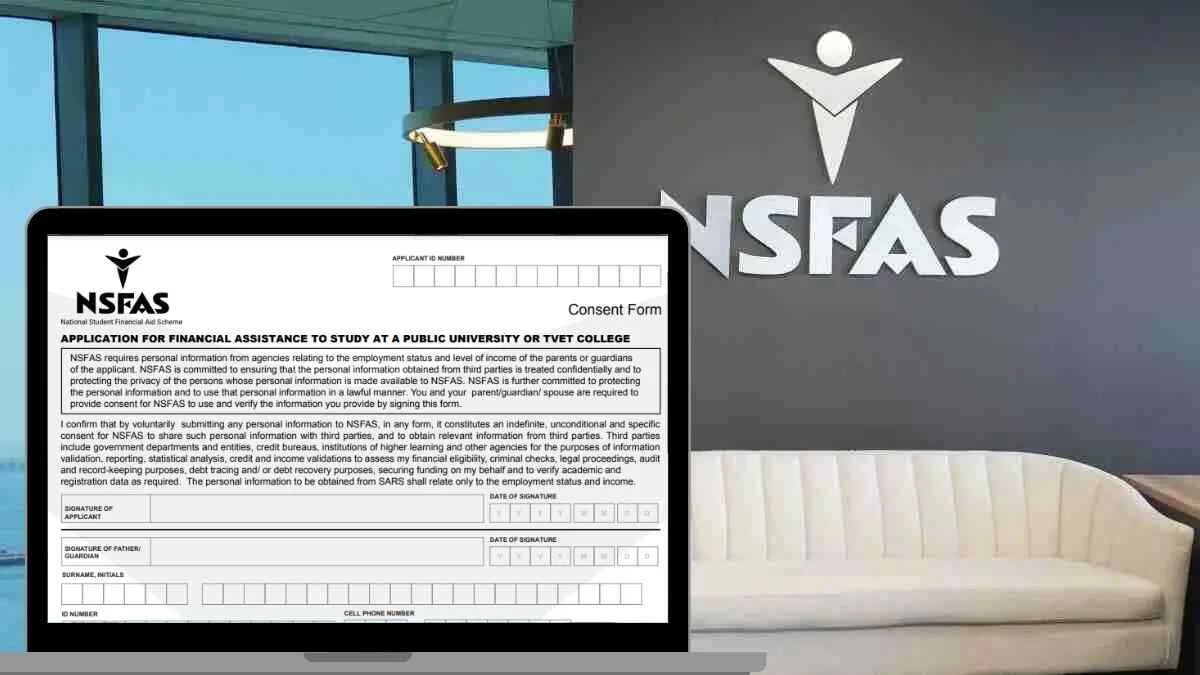
The transition from one educational institution to another can be a significant step, especially when financial aid is involved. For students relying on the National Student Financial Aid Scheme (NSFAS) in South Africa, understanding how their funding works when changing from a TVET college to a university, or vice versa, is crucial. This process isn’t always straightforward, and NSFAS has specific guidelines in place to manage these shifts.
The NSFAS student loan scheme is designed to support deserving students pursuing approved courses at both TVET colleges and universities. This funding typically covers essential costs like tuition, registration fees, and various allowances for living expenses such as food and learning materials. However, the scheme’s rules clearly state that changing the type of institution attended will affect existing loan agreements. This analysis will break down how NSFAS loans operate when a student decides to move between a TVET college and a university, ensuring students are well-informed about the implications for their financial aid in 2026.
Understanding NSFAS Loan Agreements and Institutional Changes
The National Student Financial Aid Scheme (NSFAS) provides financial assistance to students who meet specific eligibility criteria, enabling them to pursue higher education. A key aspect of NSFAS funding is that it is tied to specific academic programs and institutions. When a student decides to change the type of institution they are attending, such as moving from a Technical and Vocational Education and Training (TVET) college to a university, or the reverse, their existing NSFAS loan agreement is subject to specific protocols.
NSFAS has clarified that such a transition will lead to the termination of the current loan agreement. This means that a student cannot simply transfer their existing NSFAS funding from one type of institution to another. Instead, they are required to go through a new application process to be considered for funding at the new institution. This is a critical point for students to understand, as it implies that continued funding is not guaranteed and depends on meeting the eligibility criteria at the time of the new application.
The NSFAS scheme operates under the prerogative to consider a reconsolidated loan agreement for students who have changed institution types. This means that while the previous agreement is terminated, NSFAS has the discretion to evaluate a new application and potentially offer a new loan. However, it is important to note that students who previously received NSFAS funding will not automatically re-qualify. Each application is assessed on its own merits according to the prevailing NSFAS policies and guidelines for that academic year.
The Process of Reapplying for NSFAS Funding After an Institutional Change
When a student decides to move from a TVET college to a university, or vice versa, the first step is to understand that their current NSFAS loan agreement will be terminated. This termination is a formal process, and the student will no longer be covered by the existing funding arrangement. Following this termination, if the student wishes to secure NSFAS funding for their studies at the new institution, they must submit a completely new application.
This new application will be subject to the same eligibility criteria and conditions that apply to all other NSFAS applicants for the relevant academic year, which in this case is 2026. This means that factors such as academic performance, financial need, and the chosen course of study will all be taken into account. NSFAS will then review this application to determine if the student qualifies for a new loan. The scheme reserves the right to consider a reconsolidated loan agreement, but this is not an automatic entitlement. Students should be prepared for the possibility that their new application may not be approved, or that the terms of any new loan might differ from their previous one.
It is also important for students to be aware that NSFAS funding is generally intended for one qualification at one institution at any given time. This policy reinforces the need for a new application when changing institution types, as the original funding was tied to the previous educational context. Therefore, a proactive approach to understanding the application deadlines and requirements for the new institution is essential for any student planning such a transition.
NSFAS Funding for Students Who Drop Out or De-register
NSFAS also has specific policies in place for students who discontinue their studies. If a student decides to de-register or drop out of their program during an academic term, their NSFAS loan agreement will also be terminated. This policy applies regardless of whether the student is enrolled at a TVET college or a university. The rationale behind this is to ensure that NSFAS funds are utilized effectively by students who are actively pursuing and completing their qualifications.
For students who have dropped out and later wish to resume their studies, the process is similar to that of changing institution types. They will be required to re-apply for a NSFAS loan. This re-application will be treated as a new application and will be assessed based on the NSFAS eligibility criteria and conditions in effect at the time of re-application. There is no guarantee that a student who previously received NSFAS funding will automatically qualify again after a period of absence from their studies.
The NSFAS scheme aims to support students through a single, continuous qualification. Therefore, any interruption in studies, such as dropping out, necessitates a fresh assessment of the student’s eligibility and financial need. Students in this situation should carefully review the NSFAS application guidelines for the upcoming academic year and ensure they meet all the requirements before submitting their application. This includes providing any updated documentation or information that may be requested.
Key Considerations for Students Transferring Between Institutions
When a student plans to transfer from a TVET college to a university, or vice versa, several key considerations come into play regarding their NSFAS funding. The most immediate implication is the termination of their current loan agreement. This means that the financial support they were receiving will cease, and they must secure new funding to continue their education at the new institution.
Students need to be aware of the timelines involved in the NSFAS application process. The application window for NSFAS funding typically opens and closes on specific dates each year. If a student is planning to transfer for the next academic year, they must ensure they are aware of these dates and submit their new application well in advance. Missing the application deadline can mean losing out on funding for that academic year.
Furthermore, students should thoroughly research the NSFAS eligibility criteria for the year they intend to apply. These criteria can be updated annually, and what qualified a student in the past may not necessarily qualify them in the future. Factors such as household income, academic performance, and the specific course of study at the new institution will all be assessed. It is also beneficial for students to understand the difference in funding models between TVET colleges and universities, as NSFAS may have slightly different considerations for each.
Finally, students should consider seeking guidance from the financial aid offices at both their current and prospective institutions. These offices can provide valuable information about the NSFAS application process, specific institutional requirements, and any additional financial aid options that might be available. Proactive communication and thorough preparation are essential for a smooth transition and continued access to education.
NSFAS Funding for a Single Qualification at One Institution
A fundamental principle of the NSFAS funding model is its focus on supporting students through a single qualification at one institution at a time. This policy is designed to ensure that NSFAS resources are directed towards helping students complete a specific course of study and enter the workforce or pursue further education. It means that a student cannot simultaneously receive NSFAS funding for two different qualifications, nor can they receive funding for programs at two different institutions concurrently.
When a student transfers from a TVET college to a university, or vice versa, this principle is directly relevant. The NSFAS loan they were receiving was for a specific qualification at their original institution. Upon transferring, they are essentially starting a new academic journey, which requires a new assessment for funding. The termination of the old agreement and the need for a new application directly stem from this policy of supporting one qualification at a time.
This also applies to students who might be considering pursuing a second qualification after completing their first. NSFAS generally does not fund second undergraduate qualifications. Therefore, students should be clear about their long-term academic goals and understand how NSFAS funding aligns with these aspirations. Planning ahead and understanding these limitations can help students make informed decisions about their educational pathways and financial planning.
The Role of Eligibility Criteria in NSFAS Loan Reconsideration
The eligibility criteria for NSFAS funding are central to the scheme’s operation, particularly when it comes to reconsidering loan agreements for students who have changed institutions or experienced a break in their studies. These criteria are established by NSFAS and are subject to review and updates each year. They serve as the benchmark against which all applications, including those from students reapplying after a transfer or dropout, are assessed.
For students transferring from a TVET college to a university, or vice versa, the reconsolidation of a loan agreement is not automatic. NSFAS will evaluate the new application based on the prevailing eligibility criteria for the 2026 academic year. This typically includes factors such as the applicant’s academic performance in previous studies, their financial need as determined by household income thresholds, and the nature of the program they intend to study at the new institution. Certain courses or fields of study may be prioritized or have specific funding requirements.
Similarly, students reapplying after dropping out must meet the current eligibility standards. NSFAS will consider their previous academic record, the reasons for their departure, and their suitability for the proposed course of study. The scheme’s prerogative to consider a reconsolidated loan agreement means that NSFAS has the discretion to approve or deny applications, even for students who have previously been funded. This emphasizes the importance of maintaining good academic standing and understanding the financial requirements of higher education.
Financial Aid Offices as a Resource for Transfer Students
Navigating the complexities of NSFAS funding, especially when transferring between educational institutions, can be challenging. Fortunately, students have valuable resources available to them in the form of financial aid offices at both their current and prospective institutions. These offices are staffed by professionals who are knowledgeable about various funding options, including NSFAS, and can provide tailored guidance to students.
For students planning to move from a TVET college to a university, the financial aid office at the university can offer crucial information. They can explain the university’s specific requirements for NSFAS applicants, assist with understanding the application forms, and advise on any institutional bursaries or scholarships that might supplement NSFAS funding. They are also typically well-versed in the NSFAS application timelines and can help students ensure they submit their applications correctly and on time.
Similarly, students transferring from a university to a TVET college can seek assistance from the TVET college’s financial aid office. These offices can clarify how NSFAS funding is administered for TVET programs and provide support throughout the application process. By proactively engaging with these offices, students can gain clarity on the procedures, avoid common pitfalls, and increase their chances of securing the necessary financial aid to continue their education without interruption. Their expertise can demystify the process and empower students to make informed decisions.
Understanding NSFAS Allowances and Their Impact on Transfers
NSFAS funding extends beyond tuition and registration fees to include various allowances designed to support students’ living expenses. These typically cover costs such as food, accommodation, transportation, and learning materials. When a student transfers from a TVET college to a university, or vice versa, the structure and amount of these allowances can be affected, reflecting the different living costs and accommodation arrangements associated with each type of institution.
For instance, university students often face higher accommodation costs, whether in private residences or university-managed dormitories, compared to some TVET college arrangements. NSFAS takes these differences into account when determining the appropriate allowance amounts. Therefore, a student transferring to a university might see a change in their accommodation and living expense allowances. It is essential for students to review the NSFAS guidelines for the specific allowances applicable to their new institution type and location.
When a student reapplies for NSFAS funding after a transfer, the allowances they receive will be based on the policies in place for the 2026 academic year and the specific needs of their new program and institution. The termination of the old agreement means that the previous allowance structure is no longer valid. Students should ensure they understand the full scope of the financial support they can expect, including all applicable allowances, to manage their finances effectively throughout their studies.
The Importance of Academic Performance for Continued NSFAS Funding
Academic performance plays a significant role in a student’s ability to secure and maintain NSFAS funding. While NSFAS aims to provide access to education for deserving students, it also expects recipients to demonstrate commitment and progress in their studies. This is particularly relevant for students who are transferring between institutions or reapplying after a break.
For students transferring from a TVET college to a university, or vice versa, their academic record from their previous institution will likely be a factor in the assessment of their new NSFAS application. NSFAS typically requires students to meet minimum academic progression standards to remain eligible for funding. This means that a strong academic performance at the TVET college can strengthen a student’s application for funding at a university. Conversely, poor academic performance could jeopardize their chances of receiving a new NSFAS loan.
Similarly, students reapplying after dropping out will be evaluated on their past academic performance. NSFAS may look for evidence that the student has addressed the issues that led to their previous withdrawal and is now in a better position to succeed academically. Maintaining a satisfactory academic record is not just about meeting NSFAS requirements; it is also fundamental to successfully completing a qualification and achieving one’s educational and career goals.
NSFAS Policy on Funding for Second Qualifications
NSFAS has a clear policy regarding the funding of second qualifications. Generally, NSFAS does not fund second undergraduate qualifications. This means that if a student has already completed a degree or diploma through NSFAS funding, they will typically not be eligible for further NSFAS support to pursue another undergraduate qualification. This policy is in place to ensure that NSFAS resources are used to provide opportunities for as many students as possible to obtain their first tertiary qualification.
This policy is important for students to understand when considering a transfer between a TVET college and a university. If a student has already obtained a qualification from a TVET college and is now seeking to study a different undergraduate program at a university, they will likely not be eligible for NSFAS funding for this second qualification. The same applies if a student has completed a university degree and wishes to pursue a new undergraduate qualification at a TVET college.
Students who have completed one qualification and are looking to pursue further studies should explore other funding avenues. This could include postgraduate funding, bursaries offered by private companies or organizations, or student loans from financial institutions. Understanding NSFAS limitations early on allows students to plan their educational and financial strategies more effectively, ensuring they can pursue their academic ambitions through alternative means if necessary.
The Impact of Course of Study on NSFAS Eligibility
The specific course of study a student intends to pursue is a significant factor in their NSFAS eligibility. NSFAS prioritizes funding for programs that are in high demand within the South African economy and that align with national development goals. While NSFAS aims to be inclusive, certain fields of study may receive more emphasis or have specific funding criteria.
When a student transfers from a TVET college to a university, or reapplies after dropping out, the nature of their chosen program at the new institution will be carefully considered. NSFAS evaluates whether the program is offered at an accredited institution and whether it falls within the scope of NSFAS-funded qualifications. Some specialized or postgraduate programs may not be covered by NSFAS, or they may have different funding mechanisms.
It is crucial for students to research the NSFAS funding status of their intended program of study before making any transfer or reapplication decisions. Information on which courses and institutions are supported by NSFAS is usually available on the NSFAS website or through the financial aid offices. Ensuring that the chosen course is eligible for NSFAS funding can prevent disappointment and help students make informed choices about their academic future. This due diligence is a vital step in the process of securing financial aid for higher education.
Navigating the 2026 NSFAS Application Cycle After a Transfer
As the 2026 academic year approaches, students planning to transfer between institutions or who have previously dropped out and wish to re-enroll will need to navigate the NSFAS application cycle with care. The process for these students involves specific steps that differ from those of first-time applicants. Understanding these nuances is key to a successful application.
The primary step for a transferring student is to acknowledge that their previous NSFAS loan agreement will be terminated. This means they cannot simply update their details or transfer their existing funding. Instead, they must apply anew. This application will be processed alongside all other applications received for the 2026 academic year. Students should be prepared to provide all necessary documentation, which may include academic transcripts from their previous institution, proof of financial need, and identification documents.
For students reapplying after a dropout, the process is similar. They will need to submit a fresh application, and NSFAS will review it based on the eligibility criteria for 2026. This review will likely take into account their previous academic performance and the reasons for their discontinuation of studies. The NSFAS system is designed to assess each application individually, ensuring that funding is allocated to students who demonstrate both financial need and the potential to succeed academically. Proactive engagement with financial aid offices and thorough preparation of application materials are essential for a smooth process.
Conclusion: Planning for a Seamless Transition with NSFAS
Transitioning from a TVET college to a university, or vice versa, is a significant academic and personal step. For students relying on NSFAS funding, understanding the scheme’s policies regarding such transfers is paramount to ensuring a seamless continuation of their education. The core principle to remember is that changing institution types leads to the termination of the existing NSFAS loan agreement. This necessitates a new application, which will be assessed based on the NSFAS eligibility criteria for the relevant academic year, in this case, 2026.
Students must be proactive in their approach. This involves staying informed about NSFAS application deadlines, thoroughly understanding the eligibility requirements, and preparing all necessary documentation well in advance. Engaging with the financial aid offices at both current and prospective institutions can provide invaluable support and clarity throughout this process. Furthermore, students should be aware that NSFAS typically funds only one qualification at a time and generally does not support second undergraduate degrees.
By carefully planning, staying informed, and seeking guidance when needed, students can navigate the complexities of NSFAS funding during institutional transfers. This preparation is key to ensuring that financial barriers do not impede their educational journey, allowing them to focus on their studies and achieve their academic goals in 2026 and beyond.

Conversation
0 Comments