

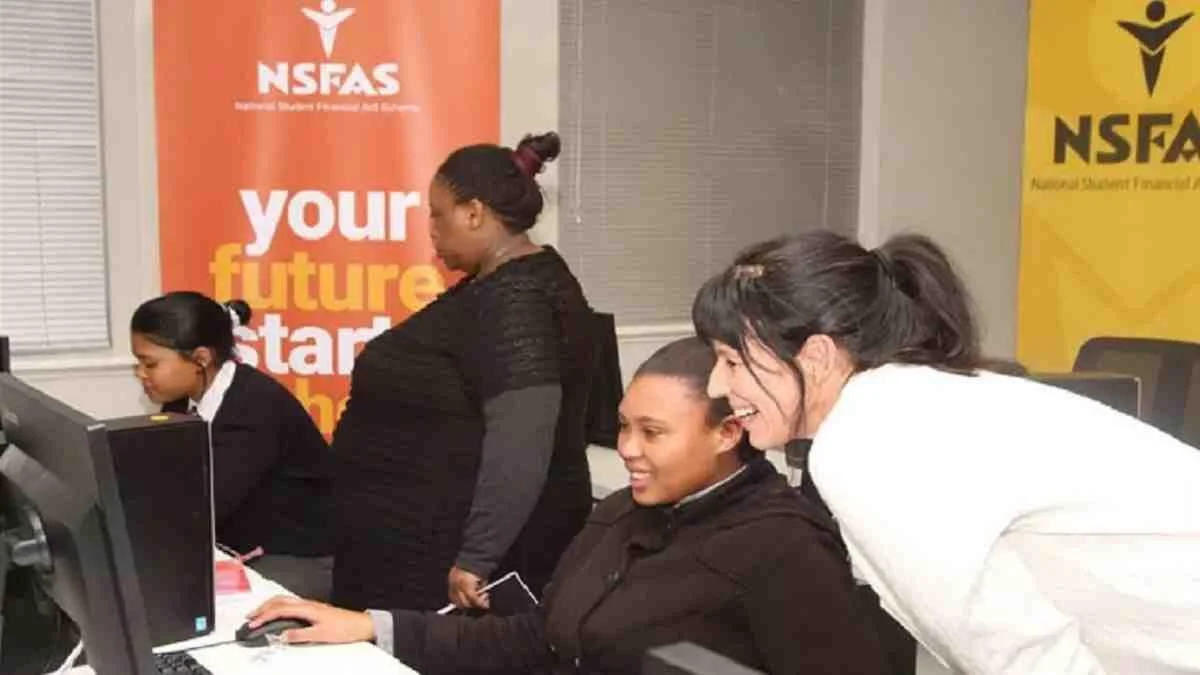
The National Student Financial Aid Scheme (NSFAS) plays a critical role in South Africa’s education landscape, aiming to provide financial support to students from low-income households. This support is crucial for enabling access to higher education, which might otherwise be out of reach. Each year, thousands of students apply for NSFAS funding, hoping to secure bursaries or loans to cover their tuition fees and living expenses. However, NSFAS has specific policies regarding what qualifications it will fund, and understanding these is key for applicants.
A common point of confusion arises when students consider pursuing a second qualification after already obtaining one. NSFAS has clarified its stance on this matter, and it’s important for prospective and current students to be aware of these regulations. This article will explore the NSFAS policy on funding second qualifications, detailing the specific scenarios where funding is not provided and outlining the general eligibility criteria for NSFAS. By understanding these guidelines, students can better plan their educational journeys and make informed decisions about their applications for financial aid.
NSFAS Policy on Second Qualifications
NSFAS has a clear policy regarding the funding of second qualifications. The scheme is primarily designed to assist students in obtaining their first post-secondary qualification. This means that if you have already completed a certificate qualification, NSFAS will generally not fund you to pursue another certificate qualification. This policy extends to undergraduate qualifications as well. A student who has already obtained an undergraduate qualification is typically not eligible for NSFAS funding for a second undergraduate qualification.
The rationale behind this policy is to ensure that NSFAS funds are distributed as widely as possible to students who have not yet had the opportunity to obtain a higher education qualification. By focusing on first-time qualification attainment, NSFAS aims to maximize its impact in addressing educational inequality and providing a pathway to upward mobility for those from disadvantaged backgrounds. It is essential for students to understand that NSFAS funding is not intended to support continuous or repeated qualification acquisition once a foundational level has been achieved.
Second Certificate Qualifications
For students who have already earned a certificate qualification, the prospect of obtaining NSFAS funding for another certificate qualification is generally not possible. NSFAS views the first certificate qualification as the completion of a specific educational level. Therefore, pursuing a second qualification at the same level, even if it is in a different field, falls outside the scope of NSFAS’s primary mandate. This policy aims to prevent the misuse of funds and ensure that resources are directed towards individuals who require foundational financial assistance for their initial higher education pursuits.
It is important for students to carefully consider their educational goals and the financial implications before embarking on a course of study. If a student has already completed a certificate qualification, they should not rely on NSFAS to fund a subsequent certificate qualification. Instead, they may need to explore alternative funding options or consider whether the second certificate qualification aligns with their long-term career objectives and if it represents a necessary progression beyond their existing qualifications.
Second Undergraduate Qualifications
The policy also applies to undergraduate degrees. If a student has already completed an undergraduate qualification, such as a Bachelor’s degree, NSFAS will not provide funding for them to pursue a second undergraduate qualification. This means that even if the second undergraduate degree is in a completely different discipline, NSFAS funding will not be available. The scheme’s objective is to support students in achieving their first undergraduate qualification, thereby opening doors to further opportunities.
This rule ensures that NSFAS resources are allocated to individuals who are seeking their initial entry into higher education at the undergraduate level. For those who have already attained an undergraduate qualification, the expectation is that they would either pursue postgraduate studies (which are generally not funded by NSFAS) or enter the workforce. The scheme is not designed to facilitate the acquisition of multiple undergraduate degrees.
Other Circumstances Where NSFAS Will Not Cover Studies
Beyond the policy on second qualifications, NSFAS has several other conditions under which it will not provide funding. These conditions are in place to ensure that NSFAS funds are used appropriately and reach the students who most need them, adhering to the scheme’s mandate and operational guidelines.
Funding from Other Sources
One significant reason NSFAS will not cover study costs is if a student has already secured financial aid from other sources that fully covers their educational expenses. This includes loans, bursaries, or scholarships from organizations other than NSFAS. If these external funding sources provide complete coverage for tuition fees, accommodation, and other necessary allowances, NSFAS will deem the student ineligible for its own funding. The principle here is to avoid duplication of funding and to ensure that students do not receive more financial support than they require.
This policy encourages students to seek out various funding opportunities but also requires them to be transparent about any aid they receive. If a student has partial funding from another source, NSFAS may still consider their application, but the amount of NSFAS funding would likely be adjusted to cover the remaining costs, ensuring that the total financial aid does not exceed the actual expenses.
Institutions Not Funded by NSFAS
NSFAS exclusively funds students enrolled at public universities and public Technical and Vocational Education and Training (TVET) colleges. If a student is registered at a private college or any institution that is not recognized and funded by NSFAS, their application for financial aid will be rejected. The scheme’s operational framework is built around supporting public higher education institutions, which are mandated to provide accessible education to a broad spectrum of the population.
This limitation means that students wishing to study at private institutions must find alternative funding methods. NSFAS’s focus on public institutions aligns with its mission to support the public higher education system and ensure that its financial aid contributes to the capacity and accessibility of these state-funded entities.
Unaccredited Qualifications
For a qualification to be eligible for NSFAS funding, it must be accredited by the Department of Higher Education and Training. NSFAS will not provide financial assistance for students pursuing qualifications that are not officially recognized and accredited. Accreditation ensures that the qualification meets certain standards of quality and relevance, providing students with a recognized credential upon completion.
Students must verify the accreditation status of their chosen program and institution before applying for NSFAS funding. Enrolling in an unaccredited program can lead to wasted time and resources, as the qualification may not be recognized by employers or for further studies. NSFAS’s commitment to accredited programs underscores its dedication to ensuring that the education it supports is of a high standard and leads to meaningful outcomes for students.
Failure to Meet NSFAS Eligibility Requirements
Ultimately, any student who fails to meet the general NSFAS eligibility requirements will not be funded. These requirements encompass a range of criteria, including financial need, academic performance, and adherence to specific NSFAS rules. Meeting all the stipulated criteria is a prerequisite for receiving NSFAS financial aid.
NSFAS Eligibility Criteria in Detail
To understand who qualifies for NSFAS funding, it’s essential to delve into the specific eligibility criteria. These criteria are designed to identify students who genuinely require financial assistance and who are committed to their academic pursuits.
Financial Eligibility
The primary financial criterion for NSFAS funding is household income. For the 2026 academic year, applicants must demonstrate that their household income is below R350,000 per year. This threshold is set to target students from low-income families who would otherwise struggle to afford higher education. For students with disabilities, the financial eligibility threshold is slightly higher, allowing for a household income of up to R600,000 per year. This acknowledges the additional financial burdens that students with disabilities and their families may face.
NSFAS verifies income through third-party data. Applicants must provide accurate consent forms, allowing NSFAS to access and confirm their household income details. This process helps to ensure the integrity of the application system and prevent fraudulent claims.
SASSA Grant Recipients
Beneficiaries of certain South African Social Security Agency (SASSA) grants automatically meet the financial eligibility criteria for NSFAS. Specifically, recipients of Foster Care, Care Dependency, and Child Support grants qualify. These grants are indicative of significant financial need, and therefore, individuals receiving them are presumed to meet the income threshold. However, they must still meet the academic eligibility requirements to receive NSFAS funding.
Academic Eligibility
Academic performance is another crucial component of NSFAS eligibility. The requirements differ for returning students and new students, as well as between university and TVET college students.
Returning University Students
Returning university students must demonstrate a satisfactory academic record to continue receiving NSFAS funding. They are required to pass at least 60% of their modules from the previous academic year. This requirement ensures that students are making consistent academic progress and are committed to completing their studies.
Returning TVET College Students
Students at TVET colleges have a slightly higher academic requirement for continued funding. They must pass at least 70% of their modules or meet specific subject-related requirements as determined by their program. This reflects the vocational nature of TVET programs and the importance of mastering specific skills.
National Certificate Vocational (NC(V)) Students
For students pursuing a National Certificate Vocational (NC(V)) qualification, academic eligibility typically involves passing five subjects within their program. This ensures a foundational level of competency in key areas of their vocational training.
Report 191 Students
Students enrolled in Report 191 programs have different academic requirements. They generally need to pass three subjects to meet the academic eligibility criteria for NSFAS funding.
The N+Rule
The N+Rule is a critical policy that limits the duration for which NSFAS will fund a qualification. This rule states that students cannot exceed the standard duration of their qualification by more than one additional year. For example, if a degree is typically three years long, NSFAS will fund it for a maximum of four years. This policy encourages students to complete their studies within the prescribed timeframe and prevents prolonged funding for students who may not be progressing efficiently.
N+2 Rule for Disabled Students
Students with disabilities are granted an extended funding period under the N+2 Rule. This means they can receive NSFAS funding for up to two additional years beyond the standard duration of their qualification. This provision acknowledges the potential challenges faced by students with disabilities and provides them with more time to complete their studies successfully.
Understanding NSFAS Funding Policies for 2026
As the academic year progresses towards 2026, it is vital for students to stay informed about the latest NSFAS policies and guidelines. The National Student Financial Aid Scheme is a dynamic entity, and its regulations can be subject to change. Therefore, applicants must always refer to the most current information provided by NSFAS to ensure their applications are accurate and complete.
The core mission of NSFAS remains to provide financial assistance to deserving students from low-income backgrounds. However, the scheme’s operational framework, including its funding policies for various qualifications and student circumstances, is designed to ensure the sustainable and equitable distribution of its resources. By understanding these policies, students can navigate the application process more effectively and increase their chances of receiving the financial support they need to pursue their educational aspirations.
Importance of Staying Updated
The educational landscape and funding policies are constantly evolving. For students relying on NSFAS, staying updated on policy changes, application deadlines, and eligibility criteria is not just beneficial, it is essential. Information disseminated through official NSFAS channels, such as their website and communication portals, should be considered the definitive source. Misinformation or outdated knowledge can lead to missed opportunities or incorrect applications, causing significant distress and potentially derailing a student’s academic plans.
Planning Your Educational Journey
With a clear understanding of NSFAS policies, particularly regarding second qualifications, students can plan their educational journeys more strategically. This involves making informed choices about the qualifications they wish to pursue and considering the financial implications from the outset. For individuals who have already obtained a certificate or undergraduate qualification, exploring alternative funding avenues or career paths that do not require further formal qualifications might be necessary.
The NSFAS scheme is a powerful tool for social mobility, but it operates within defined parameters. Recognizing these parameters and planning accordingly is a sign of responsible academic and financial planning. By aligning personal aspirations with the realities of funding policies, students can chart a more secure and successful path toward their educational and career goals in 2026 and beyond.
Conclusion
The National Student Financial Aid Scheme (NSFAS) is a cornerstone of accessible higher education in South Africa, providing vital financial support to students from disadvantaged backgrounds. Understanding the nuances of NSFAS funding policies is paramount for any applicant. A key aspect of these policies is the scheme’s stance on second qualifications. NSFAS generally does not fund students pursuing a second certificate qualification if they have already obtained one, nor will it fund a second undergraduate qualification if a prior one has been completed. This policy is in place to ensure that NSFAS resources are directed towards individuals seeking their initial higher education qualifications.
Beyond this, NSFAS will not fund studies if students have secured full funding from other sources, if they are enrolled at institutions not recognized by NSFAS, or if the qualification itself is not accredited. Meeting the stringent financial and academic eligibility criteria is also non-negotiable. For 2026, prospective students must adhere to the R350,000 household income limit (R600,000 for students with disabilities) and demonstrate consistent academic progress, often requiring a minimum pass rate for returning students. The N+Rule, with its extension for students with disabilities (N+2), further governs the duration of funding. By staying informed about these regulations and planning their educational pathways accordingly, students can effectively navigate the NSFAS application process and secure the financial aid necessary to achieve their academic goals.

Conversation
0 Comments