

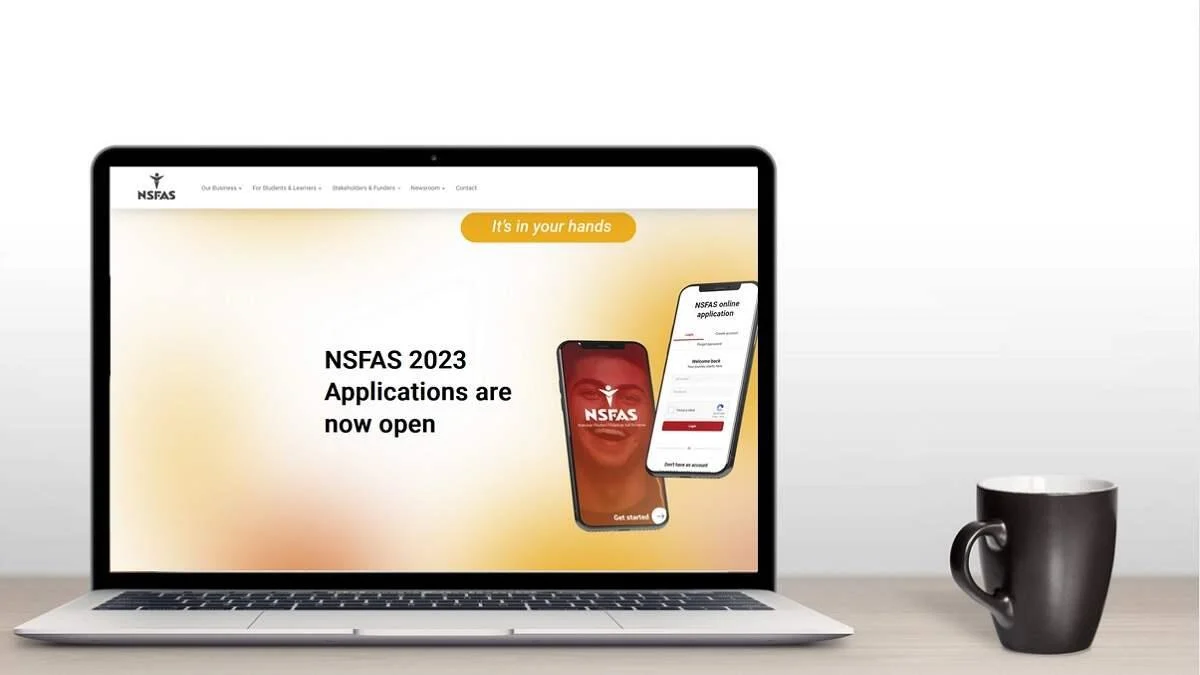
The National Student Financial Aid Scheme (NSFAS) plays a critical role in South Africa’s education landscape, providing essential funding to thousands of students each year. This government bursary scheme aims to make higher education accessible to deserving individuals who might otherwise be unable to afford it. NSFAS funding typically covers tuition and registration fees, along with allowances for accommodation, food, and learning materials, enabling students to focus on their studies. However, the scheme has consistently emphasized the paramount importance of applicants and beneficiaries submitting accurate and complete information. Failure to do so can lead to severe consequences, including the cancellation of funding and even legal action. This article will explore why providing truthful and up-to-date information to NSFAS is so crucial, detailing the potential repercussions of inaccuracies and the steps students can take to ensure their applications and ongoing funding are secure.
Understanding the NSFAS Mandate and Funding Process
The National Student Financial Aid Scheme (NSFAS) operates under a mandate to support students from low-income households who wish to pursue tertiary education. This includes enrollment at universities and Technical and Vocational Education and Training (TVET) colleges across South Africa. The application process is designed to assess a student’s financial need and academic potential to determine eligibility for funding. Once a student is deemed eligible, NSFAS disburses funds directly to the educational institution for tuition and registration. Additionally, NSFAS provides allowances for living expenses, such as accommodation, transport, and meals, as well as for learning materials.
The scheme relies heavily on the information provided by applicants to make informed decisions about funding. This information includes details about the applicant’s household income, family structure, academic history, and chosen course of study. The accuracy of this data is fundamental to the integrity of the entire NSFAS system. Without reliable information, NSFAS cannot effectively identify deserving students or manage its resources appropriately. The process is designed to be fair, but it is entirely dependent on the honesty and diligence of the applicants themselves.
The Critical Importance of Accurate Information
NSFAS has repeatedly stressed that providing accurate and up-to-date information is not merely a procedural requirement but a fundamental condition for receiving and maintaining financial aid. The scheme uses the submitted details to verify eligibility, assess financial need, and ensure that funds are allocated to those who genuinely qualify. Any discrepancies or omissions can cast doubt on the validity of an application or an ongoing funding agreement.
For instance, misrepresenting household income is a common pitfall. NSFAS uses income thresholds to determine eligibility, and inflating or deflating these figures can lead to an incorrect assessment. If a student is funded based on inaccurate income information, they may be receiving aid they are not entitled to, while another deserving student might be overlooked. This not only undermines the fairness of the system but also creates a potential liability for the student if the inaccuracy is discovered later.
Similarly, failing to update NSFAS about changes in circumstances can be just as detrimental. Life events such as a change in family income, a student changing their course of study, or even a change in accommodation status can all impact eligibility. NSFAS requires students to promptly notify them of any such changes. Delays in reporting can result in continued funding based on outdated information, leading to complications down the line.
Consequences of Submitting Inaccurate or Incomplete Information
The repercussions for providing false, incomplete, or outdated information to NSFAS are severe and can have long-lasting effects on a student’s educational journey and financial future. NSFAS has a clear policy regarding such instances, and they are prepared to take decisive action.
Cancellation of Funding
One of the most immediate consequences is the cancellation of funding. If NSFAS discovers that a bursary or loan was granted based on inaccurate, incomplete, or outdated information, they reserve the right to cancel the funding with immediate effect. This means that any financial support the student was receiving will be stopped, often without prior warning. This can leave students in a precarious position, especially if they have already made financial commitments based on the expectation of continued NSFAS support.
Reclamation of Disbursed Funds
Beyond simply cancelling future payments, NSFAS also has the right to reclaim any funds that have already been disbursed based on the inaccurate information. This means students might be required to repay the money NSFAS has paid to their institution or provided as allowances. This can be a significant financial burden, particularly for students from low-income backgrounds who may not have the means to repay such sums. The demand for repayment can arise at any point, even after graduation, if the inaccuracy is discovered retrospectively.
Legal Action and Criminal Proceedings
In more serious cases, particularly where information has been deliberately falsified, NSFAS may pursue legal action against the student, their parents, or their legal guardians. This can involve civil claims to recover funds or, in instances of fraud, criminal proceedings. The NSFAS Accounting Authority has the power to initiate legal proceedings if a bursary is awarded based on falsified information. This can lead to a criminal record, which can have far-reaching implications for future employment and educational opportunities.
Ineligibility for Future Funding
Students who are found to have provided false information may also be deemed ineligible for NSFAS funding in the future. This can effectively bar them from accessing higher education through the scheme, even if their financial circumstances change and they become genuinely eligible. A history of providing inaccurate information can create a permanent mark on their record with the scheme, impacting their ability to pursue their academic goals.
Common Areas Where Inaccuracies Occur
Understanding the specific areas where students often make mistakes or intentionally provide incorrect information can help applicants avoid these pitfalls. Being aware of these common issues allows for greater diligence during the application process.
Household Income Misrepresentation
This is perhaps the most frequent area of concern. Applicants might intentionally understate their household income to meet the eligibility criteria, or they might fail to include income from all contributing family members. Conversely, some might overstate their income, believing it makes them appear more responsible, only to find they no longer qualify. It is crucial to provide a truthful and comprehensive overview of all sources of income within the household. This includes salaries, wages, business profits, rental income, and any government grants or pensions received by family members.
Unreported Changes in Circumstances
Students are obligated to inform NSFAS of any changes that could affect their funding status. This includes:
- Change in Household Income: A parent losing their job, a significant increase in income, or the addition of a new income earner in the household.
- Change in Family Structure: A parent passing away, a divorce, or a new marriage that alters the household composition and financial responsibilities.
- Change of Course or Institution: Switching to a different program of study or transferring to another university or TVET college. Some courses or institutions may not be NSFAS-accredited.
- Accommodation Changes: Moving from private accommodation to a university residence, or vice versa, can sometimes affect allowance amounts.
- Academic Performance: While not always directly leading to cancellation, failing to meet academic requirements can impact continued funding, and students need to be aware of these NSFAS stipulations.
Incomplete Personal Information
This can range from missing identification numbers for family members to failing to provide correct contact details. Such omissions can delay the processing of applications or lead to communication breakdowns. If NSFAS cannot reach a student or verify their identity and family details, it can raise red flags. Ensuring all personal and dependent information is accurate and complete is a foundational step.
Falsification of Documents
In some instances, applicants might attempt to falsify supporting documents, such as payslips, bank statements, or proof of residence, to bolster their application. This is a serious form of fraud with severe legal consequences. NSFAS has systems in place to verify submitted documents, and attempts to deceive the scheme are often detected.
How to Ensure Your NSFAS Application is Accurate
Navigating the NSFAS application process requires careful attention to detail and a commitment to honesty. By following these guidelines, applicants can significantly increase their chances of a smooth and successful application.
Gather All Necessary Documentation in Advance
Before you begin filling out the application, collect all required documents. This typically includes:
- Proof of Income: Recent payslips, bank statements, tax returns, or affidavits for self-employed individuals. If a family member is unemployed, documentation might be required to confirm this.
- Identification Documents: Certified copies of ID documents for the applicant and all household members.
- Proof of Residence: Utility bills or a lease agreement.
- Academic Records: Transcripts or certificates from previous educational institutions.
- Proof of Registration (if applicable): Confirmation of enrollment at a university or TVET college.
Having these documents readily available will prevent last-minute rushes and reduce the likelihood of errors or omissions.
Understand the NSFAS Eligibility Criteria
Familiarize yourself thoroughly with NSFAS’s eligibility criteria for the current application cycle. This includes understanding the household income threshold, the types of courses and institutions funded, and any specific requirements for different categories of students (e.g., students with disabilities, first-time entering students). The NSFAS website is the primary source for this information.
Be Truthful About Your Household Income
When reporting household income, be completely honest and include all sources of income for everyone living in your household. If you are unsure about how to calculate or report certain types of income, seek clarification from NSFAS or a trusted advisor. Do not estimate or guess; use exact figures from official documents.
Complete All Sections of the Application Form
Ensure that every section of the NSFAS application form is filled out completely. Do not leave any fields blank unless they are explicitly optional. If a question does not apply to your situation, indicate that clearly (e.g., by writing “N/A”). Missing information can lead to delays or the rejection of your application.
Double-Check All Information Before Submission
Before submitting your application, take the time to review every piece of information you have entered. Check for typos, incorrect dates, and transposed numbers. Ensure that names and identification numbers match the supporting documents exactly. A thorough review can catch errors that might otherwise have serious consequences.
Keep Records of Your Application and Submitted Documents
Make copies of your completed application form and all supporting documents you submit. Keep these records in a safe place. This documentation can be invaluable if there are any queries or disputes regarding your application later on.
Stay Informed About NSFAS Updates
NSFAS policies and procedures can change. Regularly check the official NSFAS website and their social media channels for any updates or announcements regarding application deadlines, eligibility criteria, or required documentation. Staying informed ensures you are always working with the most current information.
The Role of NSFAS in Ensuring Fairness and Accountability
NSFAS has a responsibility not only to provide financial aid but also to ensure that the system is fair, transparent, and accountable. This involves implementing robust verification processes and taking appropriate action when inaccuracies are detected.
Verification Processes
NSFAS employs various methods to verify the information provided by applicants. This can include cross-referencing data with government databases (such as SARS for income verification), contacting employers, and conducting site visits in some cases. These checks are in place to maintain the integrity of the system and prevent fraudulent applications.
Communication and Support
While NSFAS emphasizes the applicant’s responsibility, they also provide channels for communication and support. Applicants can contact the NSFAS call center or visit their offices for assistance with the application process or to clarify any doubts. It is always better to ask for help than to make an assumption that could lead to an error.
Appeals Process
In cases where funding is denied or cancelled due to perceived inaccuracies, NSFAS typically has an appeals process. Students have the opportunity to present their case, provide further documentation, and explain any discrepancies. This process allows for a review of the decision and can sometimes lead to the reinstatement of funding if valid reasons for the initial inaccuracy are provided or if an error is identified in NSFAS’s assessment.
Conclusion: Honesty as the Foundation for Educational Opportunity
The National Student Financial Aid Scheme (NSFAS) is a vital lifeline for countless students in South Africa, opening doors to higher education and brighter futures. However, this opportunity is built on a foundation of trust and accuracy. The scheme’s mandate to support deserving students is only effective when the information provided by applicants is truthful and complete.
As we have explored, the consequences of submitting inaccurate or incomplete information to NSFAS can be severe, ranging from funding cancellation and the demand for repayment to legal action and future ineligibility. These measures are not designed to penalize students unfairly but to protect the integrity of the financial aid system and ensure that resources are allocated equitably to those who genuinely need and qualify for support.
For students applying for or receiving NSFAS funding, honesty is not just a virtue; it is a necessity. By diligently gathering documentation, understanding the criteria, being truthful about financial circumstances, and double-checking all details, applicants can navigate the process successfully. Maintaining open communication with NSFAS and promptly reporting any changes in circumstances are equally important for continued support. Ultimately, a commitment to accuracy ensures that the valuable opportunity provided by NSFAS can be fully realized, paving the way for educational success without the looming threat of financial or legal repercussions.
Conversation
0 Comments