

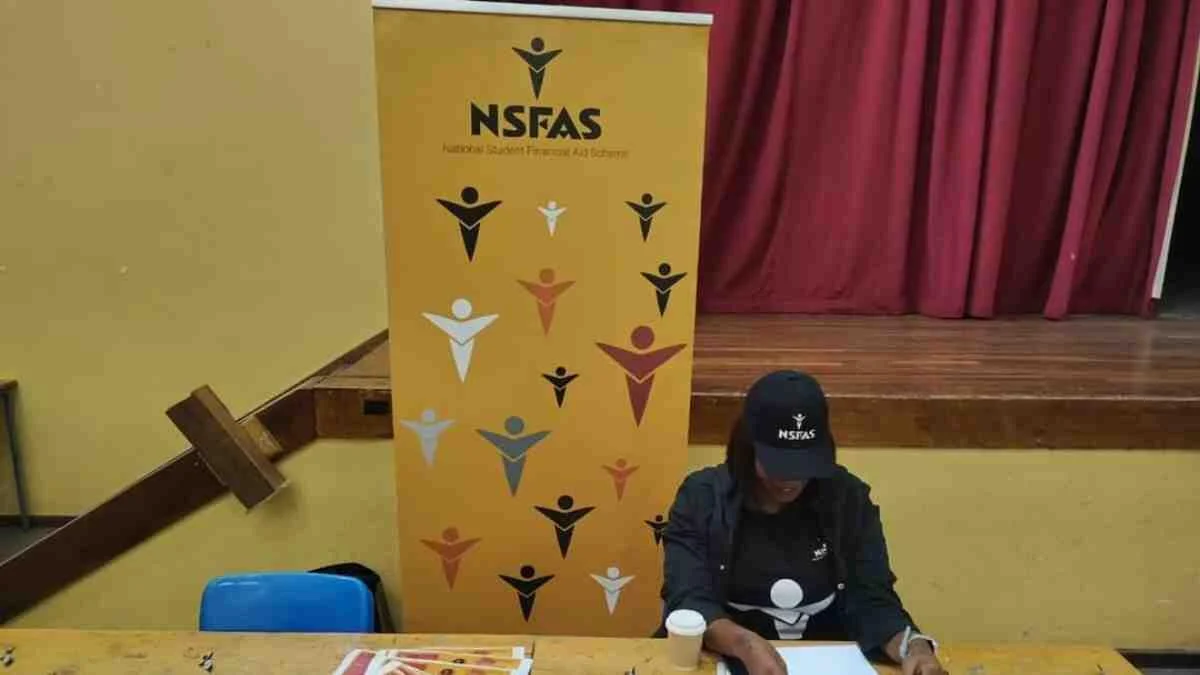
The National Student Financial Aid Scheme (NSFAS) plays a critical role in South African higher education, providing financial support to students who might otherwise be unable to afford tertiary studies. Each year, thousands of students eagerly apply, hoping to secure funding that covers tuition, registration, and various living allowances. However, the application process and eligibility criteria can be complex, leaving many with questions about their specific circumstances. One common query revolves around what happens if a student receives funding from another source, such as a partial external bursary.
NSFAS has clarified its stance on this matter, offering reassurance to students who have secured partial funding elsewhere. The scheme’s policy aims to ensure that financial aid is accessible to those who need it most, without penalizing students for receiving supplementary support. This article will explore NSFAS’s approach to students with partial external bursaries, detailing the eligibility requirements and the process involved. We will also touch upon how NSFAS handles situations involving other forms of financial aid, providing a clear understanding of the scheme’s operational guidelines for the 2026 academic year.
Understanding NSFAS and External Bursaries
The National Student Financial Aid Scheme (NSFAS) is a government-funded entity dedicated to providing financial assistance to eligible South African students pursuing higher education at public universities and TVET colleges. Its primary goal is to remove financial barriers, enabling access to quality education for individuals from low-income households. NSFAS funding typically covers tuition fees, registration costs, and a range of essential allowances, including those for accommodation, food, books, and travel.
For many students, NSFAS is the sole source of financial support for their studies. However, some students manage to secure additional funding through external bursaries, scholarships, or sponsorships offered by private companies, trusts, or other organizations. This supplementary funding can be invaluable, helping to cover costs that NSFAS might not fully address or providing additional resources for a more comfortable and productive student life.
The question of how NSFAS interacts with these external funding sources is a frequent point of concern for applicants and recipients alike. NSFAS has a policy regarding students who receive funding from non-NSFAS sources. Generally, NSFAS aims to be the primary funder and does not typically provide aid to students who have already secured funding that covers their full cost of study from other bursaries, loans, or scholarships. However, this is where the distinction of “partial” funding becomes crucial.
NSFAS Policy on Partial External Bursaries
NSFAS has explicitly stated its position on students who receive partial bursaries from external sources. The core principle is that if an external bursary does not cover the entire cost of study, NSFAS funding can still be considered. This means that if a student receives a bursary that covers, for example, only their tuition fees, NSFAS may still provide funding for other essential expenses like accommodation, food, and learning materials, provided the student meets all other NSFAS eligibility criteria.
The key phrase here is “to the extent that these do not cover the full cost of study.” This indicates that NSFAS acts as a supplementary funder when external bursaries are not comprehensive. The scheme’s intention is to ensure that no student is left without necessary support simply because they have managed to secure some funding from another provider. This approach broadens access to higher education by accommodating students who have proactively sought and obtained partial financial assistance.
It is important for students to understand that NSFAS funding is not automatically granted in these situations. The student must still meet all the standard NSFAS eligibility criteria. Furthermore, transparency and communication with both NSFAS and the educational institution are paramount. Any external funding received must be declared, and NSFAS will adjust its own funding package accordingly to avoid over-funding or duplication of support.
Eligibility Criteria for NSFAS Funding with Partial Bursaries (2026)
To qualify for NSFAS funding when you have a partial external bursary for the 2026 academic year, you must meet a specific set of criteria. These requirements ensure that NSFAS funds are directed towards genuinely needy students who are committed to their education.
1. South African Citizenship or Permanent Residency
As with all NSFAS applications, you must be a South African citizen or a permanent resident. This is a fundamental requirement for accessing government-funded financial aid.
2. Registration at a Public TVET College or University
You must be registered, or intend to register, at a public TVET college or a public university that is recognized and funded by NSFAS. NSFAS does not provide funding for studies at private institutions.
3. Household Income Threshold
A crucial aspect of NSFAS eligibility is the household income limit. For the 2026 academic year, the household income threshold remains at R350,000 per year. This means that your combined family income must be less than this amount to qualify. NSFAS uses this criterion to prioritize students from low-income backgrounds who demonstrate financial need.
4. External Bursary Does Not Exceed Full Cost of Study
This is the specific condition related to partial external bursaries. The external bursary or bursaries you receive must not cover the entire cost of your studies. If the combined value of your external funding meets or exceeds the total expenses for tuition, registration, and all applicable allowances, you may not qualify for NSFAS funding. However, if there is a shortfall, NSFAS can step in to cover the remaining costs.
5. Meeting All Other NSFAS Requirements
Beyond these specific points, you must also meet all other general NSFAS requirements. This includes providing all necessary documentation, such as proof of income, identification, and academic records. You must also maintain satisfactory academic progress once funded to continue receiving NSFAS support in subsequent years.
Adhering to these criteria is essential for a successful application when you have secured partial funding from an external source.
The Notification and Reconciliation Process
When a student receives a partial bursary from an external source, a clear process of notification and reconciliation with NSFAS is required. This ensures that NSFAS funding is accurately adjusted and that no funds are misused.
Notification to NSFAS and Institution
It is a mandatory requirement for both the student and the educational institution to inform NSFAS about any external funding received. This notification must be made within 10 days of the student receiving the bursary. Prompt and accurate reporting is crucial for the smooth processing of the NSFAS application and the subsequent adjustment of the funding package. Failure to disclose external funding can lead to complications, including potential withdrawal of NSFAS support or demands for repayment.
The institution plays a vital role in this process by verifying the details of the external bursary and confirming that it does not cover the full cost of study. They then communicate this information to NSFAS, along with the student’s registration and fee details.
Adjustment of NSFAS Funding
Once NSFAS is notified of the external bursary, they will review the details and adjust the student’s NSFAS funding accordingly. If the external bursary covers certain costs, NSFAS will reduce its contribution for those specific items. For example, if an external bursary pays for tuition, NSFAS will not allocate funds for tuition. However, if there are still outstanding costs for accommodation, books, or other allowances, NSFAS will cover these remaining expenses, provided the student meets all eligibility criteria.
This adjustment ensures that NSFAS funding is used efficiently and effectively, targeting the areas where students still have financial needs. It prevents over-funding, where a student might receive more money than their actual study costs, and ensures that NSFAS resources are available for other deserving applicants.
Return of Excess Funds
In cases where, due to administrative processes or late notification, NSFAS funds have been disbursed for costs that are subsequently covered by the external bursary, the excess funds must be returned to NSFAS. This is part of the reconciliation process that occurs between NSFAS, the student, and the institution. The institution typically manages this process, ensuring that any overpayments are identified and returned to NSFAS.
This reconciliation is critical for maintaining the integrity of the NSFAS system and ensuring that public funds are managed responsibly. Students are expected to cooperate fully during this process to ensure compliance.
What About NSFAS Loans?
The distinction between NSFAS bursaries and NSFAS loans is important, especially when considering external funding. NSFAS primarily offers a bursary, which is a grant that does not need to be repaid. However, in certain circumstances, NSFAS may also offer loans. The rules governing external funding differ slightly when it comes to NSFAS loans.
NSFAS has made it clear that students who receive loans, bursaries, or scholarships from non-NSFAS sources that fully cover their study costs or allowances will not qualify for an NSFAS loan. This is because the purpose of the NSFAS loan is to supplement funding where there are still financial gaps. If external sources have already covered all expenses, there is no need for an NSFAS loan.
Furthermore, if a student has received an NSFAS loan and subsequently secures other financial assistance for the same course of study, NSFAS reserves the right to take action. This could include demanding early or immediate repayment of the NSFAS loan in full. Alternatively, NSFAS might withhold the loan amount if any other financial assistance is received, unless NSFAS has explicitly approved this arrangement.
This policy underscores NSFAS’s commitment to avoiding duplicate funding and ensuring that its loan facility is utilized appropriately by students who genuinely require additional financial support to complete their studies. Students with NSFAS loans must be particularly diligent in reporting any new external funding they receive to avoid potential issues with their loan agreement.
Benefits of NSFAS Supporting Students with Partial Bursaries
The decision by NSFAS to support students who have secured partial external bursaries offers several significant benefits, both for individual students and for the broader South African higher education landscape.
Increased Access to Higher Education
One of the most direct benefits is the increased accessibility of higher education. By allowing students to combine NSFAS funding with partial external bursaries, NSFAS removes a potential barrier for many. Students who might have been discouraged from applying to NSFAS because they had already secured some funding can now pursue their tertiary education with greater confidence. This inclusivity helps more young South Africans gain the qualifications needed for better career opportunities.
Reduced Financial Burden on Students and Families
For students and their families, this policy significantly reduces the financial strain associated with higher education. Even a partial bursary can make a substantial difference, and when combined with NSFAS support, it can cover a much larger portion, if not all, of the educational costs. This alleviates pressure on household budgets, allowing families to allocate resources to other essential needs.
Encouraging Proactive Funding Seeking
This policy also encourages students to be proactive in seeking financial aid. Knowing that NSFAS will consider their application even if they have secured some external funding can motivate students to explore all available bursary opportunities. This proactive approach not only helps them secure additional support but also develops valuable skills in research and application writing.
Promoting a More Equitable System
By accommodating students with partial external funding, NSFAS contributes to a more equitable financial aid system. It recognizes that students come from diverse backgrounds and may have different avenues for securing support. This flexibility ensures that NSFAS remains a primary safety net for those in need, while also being adaptable to individual circumstances.
Efficient Use of Financial Aid Resources
From an administrative perspective, this approach allows for a more efficient use of financial aid resources. Instead of NSFAS being the sole provider or none at all, it acts as a complementary funder. This means that NSFAS funds are directed where they are most needed, filling the gaps left by other bursaries and ensuring that the overall financial aid package is comprehensive and sufficient for the student’s educational journey.
Navigating the Application Process with External Funding
Successfully navigating the NSFAS application process when you have external funding requires careful attention to detail and clear communication. Here are some key steps and considerations:
1. Understand Your External Bursary Terms
Before applying to NSFAS, thoroughly understand the terms and conditions of your external bursary. What exactly does it cover? What is the total value of the bursary? Does it have any specific requirements or restrictions? Knowing these details will help you determine if your bursary is partial and how it might interact with NSFAS funding.
2. Gather All Necessary Documentation
You will need to provide comprehensive documentation for your NSFAS application. This includes:
- Your South African ID or proof of permanent residency.
- Proof of registration or acceptance at a public TVET college or university.
- Proof of household income for all income-earning members of your household (e.g., payslips, tax returns, affidavits).
- Crucially, documentation related to your external bursary, including the award letter, the amount awarded, and what it covers.
3. Declare All External Funding Accurately
When filling out the NSFAS application form, there will likely be a section where you must declare any other financial assistance you are receiving or have applied for. Be completely honest and accurate in this section. List all external bursaries, scholarships, or loans, including their amounts and the entities that awarded them.
4. Communicate with Your Institution’s Financial Aid Office
Your TVET college or university’s financial aid office is your primary point of contact. They are experienced in dealing with NSFAS applications and can provide guidance. Inform them about your external bursary as soon as possible. They will assist in verifying the bursary details and communicating with NSFAS on your behalf. They can also help ensure that your tuition and fee statements accurately reflect the combined funding from NSFAS and your external bursary.
5. Monitor Your NSFAS Application Status
After submitting your application, regularly check your NSFAS application status through the myNSFAS portal or by contacting NSFAS directly. Be prepared to provide additional information or clarification if requested. If you have secured a partial bursary, ensure that NSFAS acknowledges this and adjusts your funding offer accordingly.
6. Understand the Reconciliation Process
Be aware that there will be a reconciliation process. This means that NSFAS, the institution, and potentially the external bursary provider will work together to ensure that funds are allocated correctly and that there is no overpayment. Cooperate fully during this process and be ready to return any excess funds if necessary.
By following these steps, you can increase your chances of a smooth and successful application process, ensuring that you receive the appropriate level of financial support for your studies in 2026.
Potential Challenges and How to Address Them
While NSFAS’s policy on partial bursaries is beneficial, students may encounter certain challenges. Being aware of these potential issues and knowing how to address them can save a lot of stress.
Challenge 1: Delays in Notification and Processing
One common challenge can be delays in the notification and processing of applications, especially when multiple funding sources are involved. If the external bursary is awarded late in the application cycle, or if there are delays in communication between NSFAS, the institution, and the bursary provider, it can impact the timely disbursement of funds.
How to Address:
- Be Proactive: Apply for both NSFAS and external bursaries as early as possible.
- Maintain Constant Communication: Keep in regular contact with your institution’s financial aid office and NSFAS. Follow up on your application status and inquire about any pending issues.
- Keep Records: Maintain copies of all correspondence, application forms, and award letters. This documentation is crucial if any disputes or issues arise.
Challenge 2: Misinterpretation of “Full Cost of Study”
The definition of “full cost of study” can sometimes be ambiguous. It typically includes tuition, registration, accommodation, food, books, and travel. However, different institutions or bursaries might define these components differently. A student might think their bursary is partial, but NSFAS or the institution might consider it to cover the full cost based on their own calculations.
How to Address:
- Seek Clarification: Ask your institution’s financial aid office to clearly define what constitutes the “full cost of study” according to NSFAS guidelines and their own policies.
- Detailed Breakdown: Request a detailed breakdown of all costs associated with your program from your institution. This will help you compare it accurately with your external bursary coverage.
- Consult Financial Aid Advisors: Speak with financial aid advisors at your institution who can help interpret these definitions and guide you through the comparison.
Challenge 3: Overlapping Funding and Repayment Issues
If there’s an error in the calculation or communication, a student might receive NSFAS funds for an item already covered by an external bursary. This can lead to an obligation to repay NSFAS.
How to Address:
- Transparency is Key: Ensure all funding sources are declared accurately and promptly.
- Understand Repayment Procedures: If you are informed that you owe NSFAS money, understand the repayment process. Ask for a clear explanation of why the repayment is necessary and the timeframe for doing so.
- Seek Assistance: If you are struggling to repay, discuss your situation with the financial aid office or NSFAS. They may offer payment plans or further guidance.
Challenge 4: Incomplete or Incorrect Information from External Bursary Provider
Sometimes, the external bursary provider might not supply all the necessary information or might provide it incorrectly, which can hinder the NSFAS application process.
How to Address:
- Liaise Directly: If possible, liaise directly with the external bursary provider to ensure all required details are communicated accurately to your institution and NSFAS.
- Provide Supporting Evidence: If there are discrepancies, provide NSFAS and your institution with all available supporting evidence from the external bursary provider.
By being informed and proactive, students can effectively manage these potential challenges and ensure they receive the financial support they need to succeed in their studies.
Conclusion
NSFAS’s policy of supporting students who have secured partial external bursaries is a vital component of its commitment to widening access to higher education in South Africa. For the 2026 academic year, this approach ensures that students are not penalized for seeking supplementary funding and that financial aid is distributed equitably to cover the full spectrum of educational costs. By meeting the clear eligibility criteria, including the household income threshold and the condition that external bursaries do not cover the entire cost of study, students can successfully combine these funding sources.
The process requires diligent notification to both NSFAS and the educational institution, followed by a careful adjustment of the NSFAS funding package and a thorough reconciliation to prevent overpayment. While potential challenges such as processing delays or misinterpretations of funding coverage may arise, proactive communication, thorough documentation, and seeking guidance from institutional financial aid offices are key to navigating these issues. Ultimately, this inclusive policy empowers more students to pursue their academic aspirations, reducing financial burdens and contributing to a more skilled and educated populace.



Conversation
0 Comments