

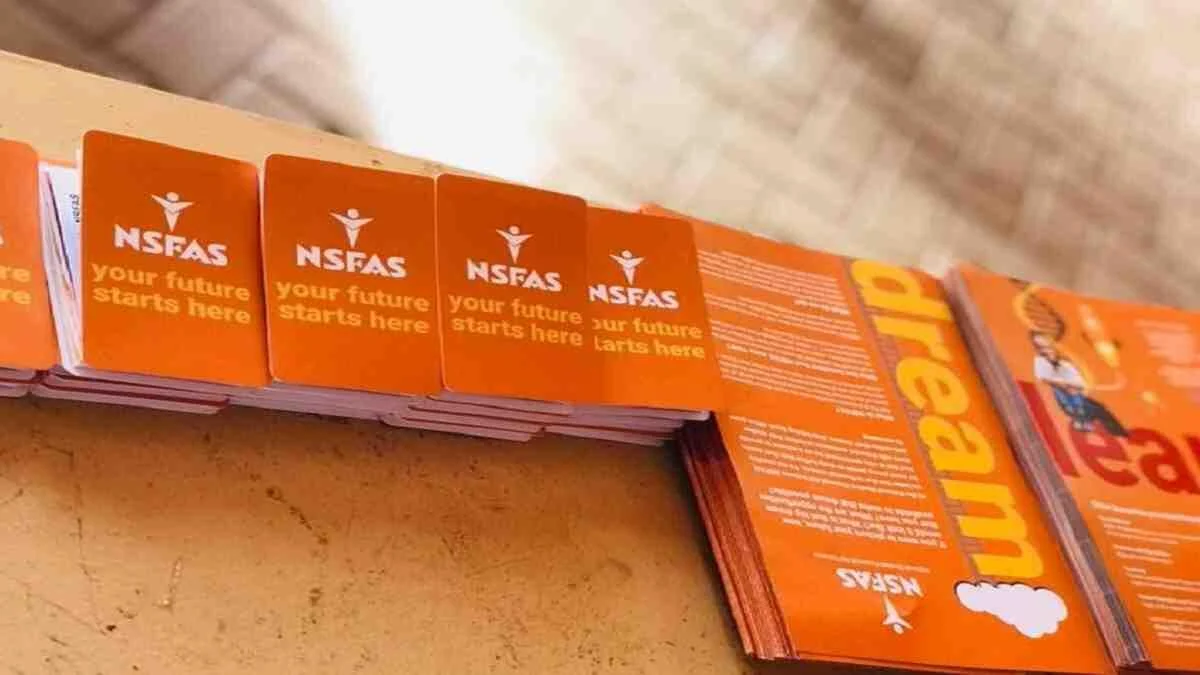
The National Student Financial Aid Scheme (NSFAS) plays a pivotal role in South Africa’s educational landscape, offering a lifeline to students from financially disadvantaged backgrounds. It aims to ensure that financial constraints do not prevent aspiring individuals from pursuing higher education at public universities and TVET colleges. However, the path of a student is not always linear. Many students may find themselves transitioning between different types of educational institutions, such as moving from a university to a TVET college. This transition often raises important questions about their NSFAS funding.
A common query revolves around whether a student needs to reapply for NSFAS if they are shifting their academic focus from a university to a TVET college. Understanding the NSFAS policies regarding such academic progressions is crucial for students to ensure uninterrupted financial support. This article will explore the specific requirements and procedures for students making this particular institutional shift, ensuring they can navigate the application process effectively for the 2026 academic year. We will also provide a detailed guide on how to apply, should a reapplication be necessary, and touch upon the broader implications of NSFAS funding for different educational pathways.
Understanding NSFAS and Academic Progression
The National Student Financial Aid Scheme (NSFAS) is a government-backed initiative designed to provide financial assistance to students who meet specific eligibility criteria. This aid typically covers tuition fees, registration costs, and essential living expenses, enabling students to focus on their studies without the burden of financial stress. NSFAS funding is available for first-time students pursuing their first undergraduate qualification at either a public university or a TVET college. This fundamental principle guides all funding decisions and eligibility assessments.
Academic progression refers to a student’s advancement through their chosen field of study. For NSFAS purposes, this also includes the pathway a student takes between different types of higher education institutions. The scheme recognizes that students may have valid reasons for changing their academic environment, whether it’s a shift in career aspirations, a change in academic interest, or a strategic move to a more suitable learning environment. However, each transition, especially between different institution types, comes with specific administrative requirements to ensure continued support.
NSFAS has established clear guidelines for students who move from one educational sector to another. These guidelines are in place to manage the allocation of funds effectively and to ensure that students are still pursuing an approved qualification that aligns with NSFAS objectives. The scheme aims to support students throughout their initial undergraduate journey, and understanding how institutional changes affect this support is key for students to maintain their funding.
The University to TVET College Transition and NSFAS Reapplication
For students transitioning from a university to a TVET college, a critical question arises: do they need to reapply for NSFAS funding? According to NSFAS policy, students who change institution types, whether from a TVET college to a university or vice versa, are required to reapply for funding. This means that if you are moving from a university setting to a TVET college, you will indeed need to submit a new NSFAS application.
This requirement stems from the administrative processes NSFAS employs to track student funding and ensure that each application is assessed based on the current academic context. Even if a student has previously received NSFAS funding at a university, this does not automatically transfer to a TVET college. A new application is necessary to update their academic details, confirm their enrollment at the new institution, and ensure they meet the eligibility criteria for the specific program at the TVET college.
It is important to note that NSFAS funding is generally limited to a student’s first undergraduate qualification. Therefore, if a student has already completed a qualification at a university and is now pursuing a new qualification at a TVET college, they may not be eligible for NSFAS funding, regardless of their financial need. However, if the transition is part of a continuous academic progression towards a first undergraduate qualification, and the student meets all other NSFAS requirements, reapplying is the necessary step to secure funding for their studies at the TVET college. This academic progression pathway is recognized by NSFAS, but the administrative step of reapplying remains mandatory.
How to Apply for NSFAS in 2026
Navigating the NSFAS application process can seem daunting, but by following a structured approach, students can complete their applications efficiently. The application window for NSFAS typically opens annually, and students planning to study in 2026 should be aware of the application timelines. The process is primarily managed online through the myNSfas portal, which is designed to streamline applications and provide applicants with access to their funding status.
Here’s a step-by-step guide to applying for NSFAS for the 2026 academic year:
1. Create or Log In to Your myNSfas Account
The first step is to access the myNSfas portal. If you are a new applicant or have not used the portal before, you will need to create an account. This involves providing basic personal information such as your South African ID number, name, and surname. For returning applicants or those who have previously applied, you will simply log in using your existing credentials. It is essential to keep your login details secure and accessible.
2. Complete the Application Form
Once logged into your myNSfas account, navigate to the ‘Apply’ section. You will be presented with an online application form that requires detailed information. This includes personal details, contact information, and household income information. Be prepared to provide accurate details about your family’s financial situation, as this is a key factor in determining NSFAS eligibility. It is crucial to answer all questions truthfully and accurately, as any discrepancies can lead to application rejection or future funding issues.
3. Upload Supporting Documents (If Required)
In many cases, NSFAS applications do not require extensive supporting documents, especially if you are a South African citizen and your information can be verified through government databases. However, there might be specific circumstances or additional information requested that requires you to upload supporting documents. This could include proof of income for your parents or guardians, or documentation related to disability or special circumstances. The portal will clearly indicate if any documents are needed and provide instructions on how to upload them.
4. Submit Your Application
After completing all sections of the application form and uploading any necessary documents, carefully review all the information provided. Ensure that there are no errors or omissions. Once you are satisfied that the application is complete and accurate, click on the ‘Submit’ button. Upon successful submission, you will receive an application reference number. This number is important for tracking the status of your application, so make sure to save it in a safe place.
5. Track Your Application Status
After submitting your application, you can track its progress through the myNSfas portal. NSFAS will review your application, and you will receive updates on its status. These updates might include confirmation of receipt, provisional funding status, or a final decision. It is advisable to check your myNSfas account regularly for any notifications or requests for further information.
NSFAS Eligibility Criteria for 2026
To successfully secure NSFAS funding for the 2026 academic year, students must meet a set of eligibility criteria. These criteria are designed to ensure that NSFAS resources are directed towards those who genuinely require financial assistance to pursue higher education. Understanding these requirements is the first step for any prospective applicant.
1. South African Citizenship
Applicants must be South African citizens. This is a fundamental requirement for all NSFAS funding applications.
2. Financial Need
The core principle of NSFAS is to support students from poor and working-class backgrounds. Eligibility is determined based on a household income threshold. For the 2026 academic year, the specific threshold will be communicated by NSFAS, but generally, it targets families whose combined annual income falls below a certain amount, indicating a need for financial aid. Applicants will need to provide proof of household income, which may include payslips, employment letters, or affidavits for informal income.
3. Academic Requirements
While NSFAS aims to support students from disadvantaged backgrounds, there are also academic considerations. For first-time entering students, meeting the minimum entry requirements for the chosen course at the university or TVET college is essential. For returning students, maintaining a satisfactory academic performance in previous years of study is typically required to continue receiving NSFAS funding. This ensures that students are making progress in their studies.
4. Institution Type
NSFAS provides funding for students enrolled at public universities and TVET colleges in South Africa. Students attending private institutions are generally not eligible for NSFAS funding. The chosen program of study must also be a qualification that NSFAS supports, typically the first undergraduate certificate or degree.
5. Age Limit
NSFAS does not have an age limit for applicants. This means that individuals of any age can apply for NSFAS funding, provided they meet all other eligibility criteria and are pursuing their first undergraduate qualification.
6. Accommodation and Other Allowances
NSFAS funding often extends beyond tuition and registration fees. Depending on the student’s circumstances and the institution type, allowances for accommodation, transportation, and a meal stipend may also be provided. These allowances are intended to cover essential living costs associated with studying away from home. The specific amounts and conditions for these allowances are determined by NSFAS and can vary.
NSFAS Funding for Different Qualification Levels
NSFAS primarily focuses on funding students pursuing their first undergraduate qualification. This includes a range of qualifications at both universities and TVET colleges. Understanding the scope of NSFAS funding across different qualification levels is important for students to manage their expectations and plan their educational journey accordingly.
1. Certificate and Diploma Qualifications (TVET Colleges)
For students enrolled in TVET colleges, NSFAS typically funds qualifications such as National Certificates (N1-N3, though NCV levels are more common for NSFAS), National Diplomas, and National Certificates (Vocational) (NCV) Levels 2, 3, and 4. These qualifications are designed to provide students with specific vocational skills and prepare them for direct entry into the workforce. NSFAS support for these programs covers tuition, registration, and living allowances, making TVET education accessible to many.
2. Undergraduate Degrees (Universities)
At universities, NSFAS provides funding for students pursuing their first undergraduate degrees. This includes Bachelor’s degrees, Bachelor of Technology degrees, and other undergraduate qualifications. The funding covers tuition, registration, and often includes allowances for accommodation, transport, and meals, depending on the student’s needs and the university’s proximity to their permanent residence. The goal is to ensure that financial barriers do not prevent students from obtaining a university education.
3. Postgraduate Studies
Generally, NSFAS does not fund postgraduate studies, such as Master’s degrees or Doctoral degrees. The scheme’s mandate is to support students in obtaining their first undergraduate qualification. Students pursuing postgraduate studies typically need to seek funding through other avenues, such as university bursaries, research grants, or loans from private institutions.
4. Second Qualifications
NSFAS funding is typically limited to a student’s first undergraduate qualification. If a student has already completed a qualification (e.g., a degree or diploma) and is enrolling for a second, different undergraduate qualification, they are usually not eligible for NSFAS funding. This policy ensures that NSFAS resources are primarily directed towards enabling access to higher education for those who have not yet obtained a post-secondary qualification.
Academic Progression Pathways Recognized by NSFAS
NSFAS acknowledges that students’ academic journeys can involve various pathways. The scheme supports specific academic progression routes that allow students to advance their education while remaining eligible for funding, provided they adhere to the application and reapplication procedures. Understanding these recognized pathways is crucial for students planning their academic careers.
1. University to TVET College
As discussed, a student moving from a university to a TVET college must reapply for NSFAS. This transition is considered a valid academic progression if the student is pursuing their first undergraduate qualification. The reapplication process ensures that NSFAS is aware of the change in institution and the new program of study.
2. TVET College to University
Similarly, students transitioning from a TVET college to a university to pursue a further or different undergraduate qualification must also reapply for NSFAS. This pathway is recognized, but the administrative step of reapplying is mandatory to maintain funding. NSFAS assesses these applications based on the student’s academic record and the new program’s alignment with NSFAS-supported qualifications.
3. Within the Same Institution Type
Students who remain at the same type of institution (e.g., staying at a university or continuing at a TVET college) generally do not need to reapply for NSFAS each year, provided they maintain satisfactory academic performance and meet the scheme’s ongoing eligibility requirements. However, they must ensure they meet the criteria for continued funding, which often involves passing a certain percentage of their modules each academic year.
4. Change of Course or Program
If a student decides to change their course or program of study within the same institution, they usually need to inform NSFAS of this change. Depending on the nature of the change and whether it affects the qualification level or duration, a formal notification or, in some cases, a reapplication might be necessary. It is always best to consult with the financial aid office at your institution or NSFAS directly for guidance on specific course changes.
The Importance of the myNSfas Portal
The myNSfas portal serves as the central hub for all NSFAS-related activities, from initial application to tracking funding status and managing personal information. For students transitioning between institutions or applying for the first time, understanding and utilizing this portal effectively is paramount. It is the primary communication channel between NSFAS and its beneficiaries.
1. Application Submission and Tracking
As detailed earlier, the myNSfas portal is where new applications are submitted. After submission, it allows students to monitor the status of their application in real-time. This transparency helps students stay informed about whether their application is being processed, if it requires further documentation, or if a decision has been made.
2. Updating Personal Information
It is crucial for students to keep their personal and contact information updated on the myNSfas portal. This ensures that NSFAS can communicate effectively with them regarding their funding, important deadlines, or any required actions. Changes in phone numbers, email addresses, or residential addresses should be updated promptly.
3. Accessing Funding Status and Statements
Once funding is approved, the myNSfas portal provides access to funding status updates, including details about tuition fee payments, allowance disbursements, and any outstanding balances. Students can often access funding statements or summaries, which can be helpful for personal financial management and for providing necessary documentation to institutions or other parties.
4. Communication and Notifications
NSFAS uses the myNSfas portal to send important notifications and communications to applicants and beneficiaries. This can include announcements about application opening and closing dates, changes in policy, or specific instructions relevant to the student’s funding. Regularly checking the portal for these notifications is essential to avoid missing critical information.
5. Appeal Process
In cases where an application is rejected, the myNSfas portal is also used for the appeal process. Students can submit appeals through the portal, providing reasons and any supporting documentation for reconsideration of their application. Understanding the appeal timelines and procedures is important for students who believe their initial application was unfairly assessed.
Financial Aid Offices and NSFAS Support
While the myNSfas portal is the primary online platform, students are not alone in navigating the NSFAS application process. Both universities and TVET colleges have dedicated financial aid offices that play a crucial role in assisting students. These offices are a valuable resource for understanding NSFAS policies, application procedures, and resolving any issues that may arise.
1. Institutional Support
Financial aid advisors at universities and TVET colleges are trained to assist students with their NSFAS applications. They can provide guidance on completing the forms accurately, understanding eligibility criteria, and submitting necessary documentation. For students transitioning between institutions, these offices can offer specific advice on the reapplication process and how their previous funding might be affected.
2. Clarifying Policies and Procedures
The policies and procedures of NSFAS can sometimes be complex. The financial aid office at your institution can help clarify any ambiguities, explain specific terms and conditions, and provide context for NSFAS decisions. They are often the first point of contact for students experiencing difficulties with their funding or application status.
3. Directing Queries to NSFAS
If a student’s query is highly specific to NSFAS operations or requires direct intervention from the scheme, the institutional financial aid office can often facilitate communication. They may have direct contact channels with NSFAS or be able to escalate issues on behalf of students, ensuring that queries are addressed efficiently.
4. Workshops and Information Sessions
Many financial aid offices conduct workshops and information sessions, particularly around application periods. These sessions are designed to educate students about NSFAS, other available funding opportunities, and the application process. Attending these sessions can provide valuable insights and an opportunity to ask questions in a group setting.
Conclusion
The National Student Financial Aid Scheme (NSFAS) is a critical support system for many South African students. For those transitioning from university to a TVET college, understanding the specific requirement to reapply for NSFAS is paramount. This administrative step, while seemingly a hurdle, is essential for ensuring continued financial support for their undergraduate studies in 2026. By diligently following the application process through the myNSfas portal, meeting the eligibility criteria, and seeking assistance from institutional financial aid offices when needed, students can successfully navigate this transition. NSFAS remains committed to enabling access to higher education, and with careful planning and adherence to its guidelines, students can secure the funding necessary to achieve their academic and career aspirations.


Conversation
0 Comments