

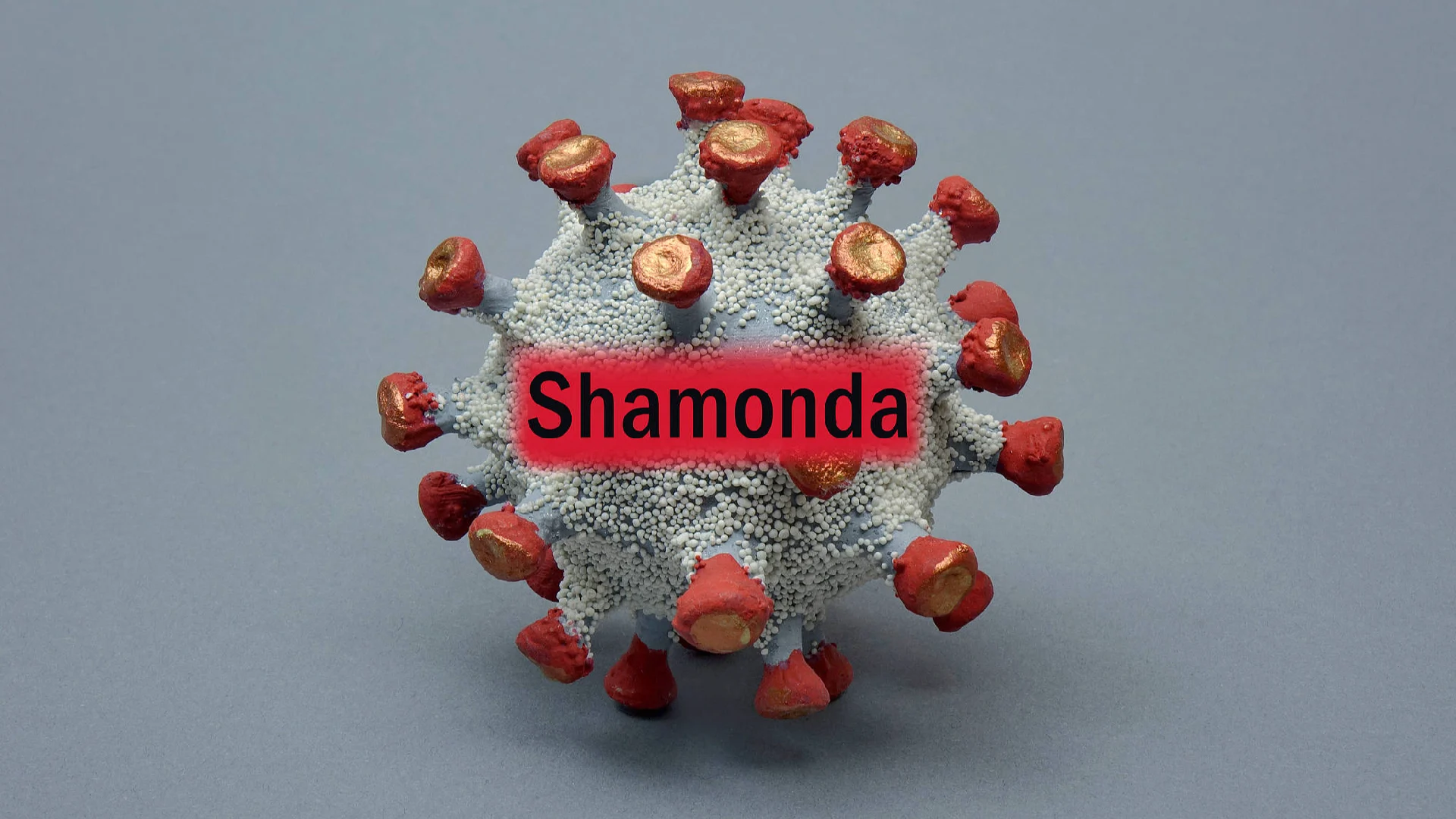
Understanding the Shamonda Virus: A Deep Dive into the First Documented Human Infection
The emergence of new infectious diseases is a constant concern for global public health. While many viruses circulate among animal populations without affecting humans, occasional spillover events can lead to novel challenges. Recently, the world learned of the first documented human infection with the Shamonda virus, a development that has prompted a closer look at this previously animal-specific pathogen. This analysis will explore the Shamonda virus, its characteristics, the circumstances of the first human case, and what this means for public health preparedness.
The Shamonda virus, until recently, was known primarily for its presence in animal populations, particularly cattle, across various parts of Africa and Asia. Transmitted by biting midges of the genus Culicoides, it had been circulating for decades without any officially recorded instances of human infection. This changed with a recent case in France, highlighting the potential for zoonotic transmission and the importance of ongoing surveillance.
What is the Shamonda Virus?
The Shamonda virus belongs to the Orbivirus genus, a group of viruses within the Reoviridae family. Orbiviruses are known for their segmented double-stranded RNA genomes and are often transmitted by arthropod vectors, such as mosquitoes and midges. Many orbiviruses cause disease in livestock, including Bluetongue virus and Epizootic Hemorrhagic Disease virus, which have significant economic impacts on animal agriculture.
Shamonda virus was first identified in Nigeria in the mid-1960s. Since then, it has been sporadically detected in cattle in various regions, including West, East, and Southern Africa, as well as in Japan. Its presence in animal populations has been noted for many years, but it was not considered a significant threat to human health due to the lack of documented transmission to people. The virus is transmitted between animals by biting midges, specifically those belonging to the Culicoides genus. These small, blood-feeding insects can carry the virus from an infected animal to a susceptible one, facilitating its spread within animal herds.
The symptoms of Shamonda virus infection in animals can vary, but it is often associated with mild to moderate illness. In cattle, it has been linked to reproductive issues and sometimes fever. However, the virus does not typically cause severe disease in most animal populations where it circulates. This history of limited impact on animal health, coupled with no prior human cases, made its eventual appearance in a human patient a notable event.
The First Documented Human Case in France
In October 2026, French health authorities reported the world’s first documented case of human infection with the Shamonda virus. The patient, who was severely immunocompromised, had been receiving treatment in Lyon, France, for a serious underlying illness. Tragically, the patient died in early October.
Preliminary investigations into the patient’s condition before death revealed significant brain complications. Medical professionals strongly suspected that these complications were directly linked to an infection with the Shamonda virus. This was a groundbreaking discovery, as it marked the first time the virus had been officially confirmed to infect a human.
The most probable explanation for the infection, according to health authorities, was transmission through the bite of a virus-carrying midge of the Culicoides genus in eastern France. This suggests that the virus may have been present in local insect populations, and the severely weakened immune system of the patient made them susceptible to infection. The location in eastern France is significant, as it indicates a potential geographic spread or presence of the virus in an area not previously associated with it.
It is crucial to emphasize that health authorities have stressed that this was an exceptional case. The patient’s severely compromised immune system played a critical role in the development of severe illness and complications. This suggests that while the virus can infect humans, it may require specific conditions, such as a weakened immune system, to cause significant disease.
The French health authorities promptly notified the World Health Organization (WHO) and the European Centre for Disease Prevention and Control (ECDC) about this case. This notification is a standard procedure for emerging health threats and allows international health bodies to monitor the situation, assess potential risks, and provide guidance if necessary. The swift reporting demonstrates a commitment to transparency and global health security.
Transmission Pathways and Risk Factors
Understanding how the Shamonda virus transmits is key to assessing potential risks. As established, the primary vector for transmission between animals is the biting midge of the Culicoides genus. These midges are widespread in many parts of the world, including Europe. The recent case in France suggests that these midges can indeed transmit the virus to humans, although this appears to be a rare event.
Several factors likely contributed to the human infection in this specific case. The patient’s severely immunocompromised state is the most significant risk factor identified. A healthy immune system is capable of fighting off many pathogens, including viruses that might otherwise cause illness. When the immune system is weakened, individuals become more vulnerable to infections that might not affect healthy people. Conditions that can compromise the immune system include various medical treatments (like chemotherapy or immunosuppressants for organ transplants), chronic illnesses (such as HIV/AIDS or certain autoimmune diseases), and advanced age.
The geographic location where the patient contracted the virus is also relevant. Eastern France, where the midge bite is believed to have occurred, may have a population of Culicoides midges that are carriers of the Shamonda virus. The presence of the virus in local wildlife or domestic animals could also be a factor, providing a reservoir for the midges to pick up the virus before potentially transmitting it to humans.
The specific species of Culicoides midge involved is also an area of interest for researchers. Different species have varying host preferences and geographic distributions, which can influence the likelihood of transmission to humans. Further research will likely focus on identifying the exact vector species and its prevalence in the affected region.
While the primary mode of transmission appears to be through midge bites, scientists will also investigate other potential, albeit less likely, transmission routes. For instance, some arboviruses can be transmitted through blood transfusions or organ transplants, though this is exceedingly rare for viruses primarily transmitted by insects. In this case, the direct link to a midge bite makes it the most plausible explanation.
Public Health Implications and Preparedness
The documentation of a human Shamonda virus infection, even in a severely immunocompromised individual, raises important questions about public health preparedness. While the immediate risk to the general population is considered low, this event serves as a reminder of the dynamic nature of infectious diseases and the potential for zoonotic viruses to adapt and cross species barriers.
One of the primary implications is the need for enhanced surveillance. Health authorities and researchers must now be more vigilant in monitoring for Shamonda virus in both animal and human populations, particularly in regions where Culicoides midges are common. This includes strengthening diagnostic capabilities to detect the virus quickly and accurately in clinical and veterinary settings.
The case also underscores the importance of understanding the ecology of arboviruses. This involves studying the life cycles of vectors like Culicoides midges, their geographic distribution, and their role in transmitting viruses. Research into the prevalence of Shamonda virus in different animal species and insect populations can help identify areas at higher risk and inform targeted prevention strategies.
For individuals with compromised immune systems, this event highlights the need for increased awareness and protective measures against insect bites, especially in areas where known or potential arboviruses are present. This could include using insect repellent, wearing protective clothing, and avoiding outdoor activities during peak midge biting times.
The notification of the WHO and ECDC is a positive step, facilitating international cooperation in understanding and managing potential threats. Sharing information, research findings, and best practices across borders is essential for a coordinated global response to emerging infectious diseases.
Furthermore, this case may prompt a review of existing public health protocols for managing rare zoonotic infections. This could involve updating diagnostic guidelines, developing specific treatment protocols if necessary, and improving communication strategies between human and animal health sectors, often referred to as the “One Health” approach.
Research and Future Directions
The first human case of Shamonda virus infection opens up several avenues for scientific research. A key area of focus will be understanding the pathogenesis of the virus in humans. Why did it cause severe brain complications in this particular patient? What are the specific mechanisms by which the virus interacts with human cells and the immune system?
Detailed virological studies will be crucial. This includes sequencing the genome of the virus from the patient to understand if it has undergone any mutations that might enhance its ability to infect humans or cause more severe disease. Comparing this sequence to known animal strains will provide valuable insights.
Epidemiological studies will also be vital. Researchers will aim to determine the true extent of Shamonda virus circulation in human populations. Are there other undiagnosed cases? What is the seroprevalence (the proportion of people with antibodies to the virus) in different geographic areas and among different risk groups? This will help paint a clearer picture of the virus’s actual impact on human health.
Investigating the role of different Culicoides species as vectors is another critical research direction. Identifying which species are most efficient at transmitting the virus to humans and understanding their biting behavior can help refine risk assessments and guide vector control efforts.
The development of diagnostic tools will be a priority. While current laboratory methods can detect the virus, more rapid and accessible diagnostic tests would be beneficial for clinical settings and public health surveillance. Similarly, research into potential antiviral treatments or vaccines, while likely a long-term endeavor, could become more relevant if the virus shows signs of increased human transmission.
Finally, continued monitoring of animal populations for Shamonda virus and other emerging pathogens remains essential. Early detection in animals can provide valuable warnings of potential spillover events into human populations, allowing for proactive public health interventions.
Comparing Shamonda Virus to Other Orbiviruses
To better understand the significance of the Shamonda virus case, it is helpful to compare it with other well-known orbiviruses. The Orbivirus genus contains over 100 species, many of which are significant pathogens in livestock.
Bluetongue Virus (BTV): Perhaps the most well-known orbivirus, BTV is a major cause of disease in ruminants, particularly sheep and cattle. It is transmitted by biting midges of the Culicoides genus. BTV can cause fever, lethargy, excessive salivation, and swelling of the tongue and face, leading to significant economic losses in the livestock industry. While BTV can infect humans, these infections are extremely rare and typically asymptomatic, with no evidence of significant disease. The Shamonda virus case, involving severe illness and death, presents a stark contrast to the generally benign human interactions with BTV.
Epizootic Hemorrhagic Disease Virus (EHDV): Another important orbivirus affecting livestock, EHDV primarily impacts cattle and white-tailed deer. Like BTV, it is transmitted by Culicoides midges and can cause severe illness, including fever, respiratory distress, and hemorrhages. EHDV has also been reported to infect humans, but again, these are very rare occurrences, and human disease is not a significant concern. The severity of the Shamonda case in the immunocompromised patient suggests a potentially greater capacity for pathogenicity in humans compared to EHDV.
African Horse Sickness Virus (AHSV): This highly contagious and often fatal disease affects horses, mules, and donkeys. It is also transmitted by Culicoides midges. AHSV can cause respiratory distress, fever, and edema, leading to high mortality rates in susceptible animals. Human infections with AHSV have not been documented.
The key difference highlighted by the Shamonda virus case is its demonstrated ability to cause severe, life-threatening illness in a human, albeit one with a compromised immune system. While other orbiviruses can infect humans, they typically do so without causing significant disease. This makes the Shamonda virus a subject of particular interest for public health, as it represents a potential new threat that requires careful monitoring and research. The fact that it was transmitted via a midge bite, the same vector as BTV and EHDV, suggests that the ecological pathways for orbivirus spillover to humans are well-established, and the specific viral properties of Shamonda may be more conducive to human pathogenicity under certain conditions.
The Role of Immunocompromised Individuals in Zoonotic Spillover
The case of the Shamonda virus infection in France tragically underscores the heightened vulnerability of immunocompromised individuals to zoonotic diseases. When an individual’s immune system is weakened, it loses its ability to effectively fight off pathogens that a healthy person might easily overcome. This can lead to infections that are more severe, prolonged, and can manifest in ways not typically seen in the general population.
For immunocompromised individuals, the risk is not just from common pathogens but also from viruses that are otherwise considered non-pathogenic or mildly pathogenic to humans. These individuals can serve as an accidental host, allowing a virus to replicate and potentially adapt. In some rare instances, this can lead to the emergence of new strains or increased transmissibility.
The Shamonda virus case is a prime example. The virus had circulated in animals for decades without causing human illness. However, in a severely immunocompromised patient, it was able to establish an infection that led to fatal brain complications. This suggests that the virus possesses the inherent capability to infect human cells and cause damage, but this capability is often suppressed by a robust immune response.
This situation highlights the critical need for specialized care and preventive measures for immunocompromised populations. This includes:
- Enhanced Surveillance: Healthcare providers should be aware of the increased risk and consider a broader range of potential pathogens when diagnosing infections in immunocompromised patients.
- Preventive Strategies: Advising patients on how to minimize exposure to potential zoonotic sources, including vector-borne diseases, is crucial. This involves practical advice on avoiding insect bites, safe food handling, and hygiene.
- Early Diagnosis and Treatment: Prompt and accurate diagnosis is vital. For novel or rare infections, rapid diagnostic testing and access to specialized medical expertise are essential for effective management.
- “One Health” Approach: Collaboration between human and animal health sectors is paramount. Understanding the prevalence of pathogens in animal populations can help predict and prevent spillover events into vulnerable human populations.
The Shamonda virus case serves as a stark reminder that the interface between human and animal health is a dynamic one. Vulnerable human populations can play an unintended role in the emergence and potential adaptation of zoonotic viruses, making their protection a key component of global public health security.
Conclusion
The first documented human infection with the Shamonda virus in France marks a significant moment in public health surveillance and understanding of zoonotic diseases. While the virus has circulated in animal populations for decades, its ability to cause severe illness in a severely immunocompromised individual highlights the potential for novel threats to emerge.
The case underscores the critical role of vector-borne transmission, particularly through Culicoides midges, and emphasizes the heightened vulnerability of individuals with weakened immune systems. Although the immediate risk to the general population is considered low, this event necessitates enhanced global surveillance, further research into the virus’s pathogenesis and transmission dynamics, and a strengthened “One Health” approach to disease prevention.
By studying this case, understanding the Shamonda virus more deeply, and implementing robust public health strategies, the global community can better prepare for and respond to the ever-present challenge of emerging infectious diseases. The focus remains on vigilance, research, and collaboration to safeguard public health worldwide.



Conversation
0 Comments