

The Rise of AI in Content Creation: A Deep Dive into Multilingual Production Platforms
The media landscape is rapidly changing, driven by technological advancements that are reshaping how content is created, distributed, and consumed. At the forefront of this transformation is artificial intelligence (AI), which is moving beyond theoretical applications to become a practical tool for content producers. One of the most exciting developments is the emergence of AI-powered platforms designed to create and distribute content in multiple languages. This shift promises to break down language barriers, expand reach, and offer new creative possibilities.
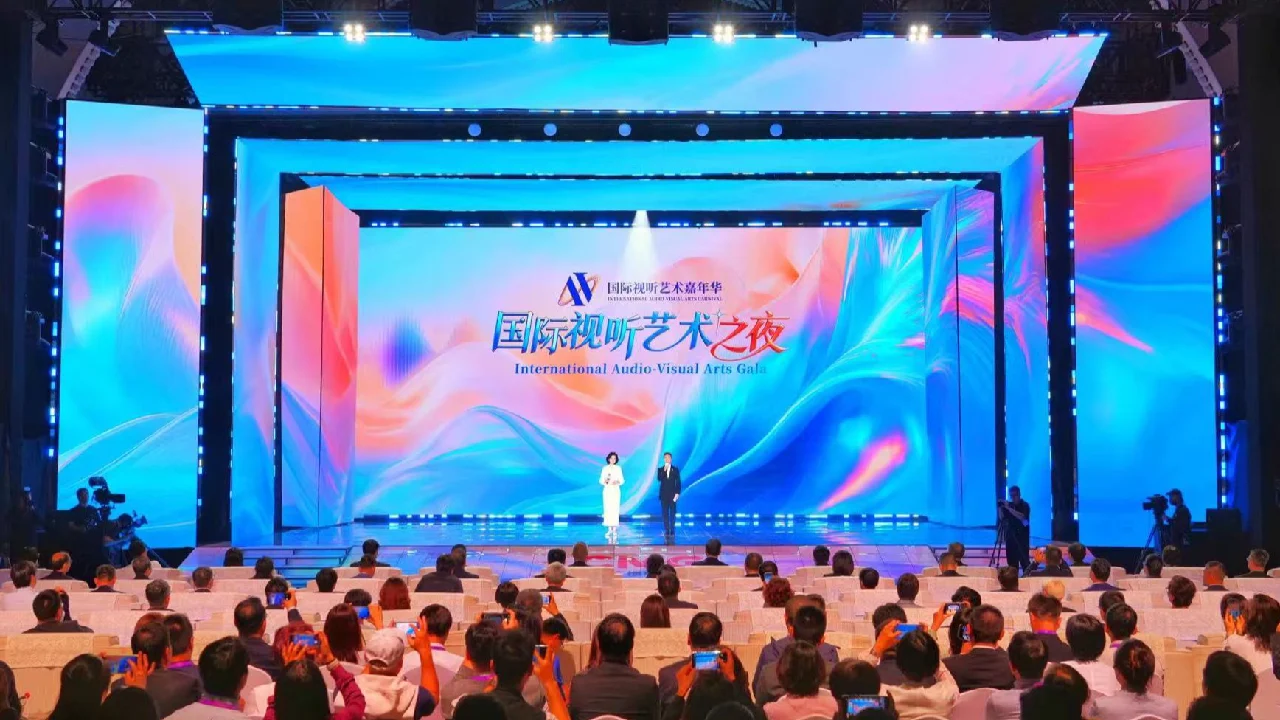
China Media Group (CMG) recently launched a significant AI platform for producing and releasing multilingual short dramas and animated series. This initiative, unveiled at the International Audio-Visual Arts Gala in Shanghai, highlights the growing integration of AI into the media industry. The platform leverages advanced AI models and extensive multilingual language resources, signaling a new era for global content creation. This article will explore the implications of such platforms, examining their capabilities, benefits, challenges, and the future they represent for the audiovisual sector.
Understanding the AI Production Platform
The core of CMG’s new initiative is an AI platform built upon large AI models and comprehensive multilingual language resources. This technology allows for the creation of short dramas and animated series that can be produced and released in various languages. This is a considerable leap from traditional content production, which often involves separate localization processes for each target language, a time-consuming and expensive endeavor.
The platform’s capabilities extend to generating content that can be adapted and presented to diverse audiences without significant manual intervention. For instance, CMG announced an AI animated series project featuring its virtual presenter, Lydia, on a journey across civilizations. This demonstrates the platform’s potential for narrative creation and character development, all powered by AI.
The development of such platforms is not just about efficiency; it’s about democratizing content creation and distribution. By reducing the technical and linguistic hurdles, these tools can empower smaller creators and organizations to reach global audiences. The ability to produce content in multiple languages simultaneously means that a single creative effort can have a much wider impact, fostering cross-cultural understanding and exchange.
Key Features and Capabilities
The AI production platform introduced by CMG boasts several key features that make it a groundbreaking development in the media industry. These capabilities are designed to streamline the content creation process and enhance its global reach.
Multilingual Content Generation
The most prominent feature is the platform’s ability to generate content in multiple languages. This goes beyond simple translation; it involves creating original content that is culturally relevant and linguistically accurate for different regions. By utilizing large AI models trained on vast datasets of language and cultural information, the platform can produce scripts, dialogues, and even voiceovers that resonate with local audiences. This capability is crucial for media organizations aiming for a global presence.
AI-Powered Animation and Drama Production
The platform is specifically designed for producing short dramas and animated series. This suggests that the AI can handle complex tasks such as scriptwriting, character design, scene generation, and animation sequencing. For animated series, AI can assist in creating visual assets, animating characters, and rendering scenes, significantly reducing the time and resources required compared to traditional animation pipelines. Similarly, for short dramas, AI can help in generating realistic virtual actors, environments, and even directing virtual cameras.
Virtual Presenter Integration
The use of a virtual presenter like Lydia in an AI-animated series highlights another key capability: the seamless integration of AI-generated characters into narrative content. Virtual presenters are becoming increasingly popular in media for their consistency, availability, and ability to deliver information in multiple languages. By incorporating them into AI-produced narratives, CMG is exploring new forms of storytelling and audience engagement.
Cross-Civilization Journeys
The concept of Lydia embarking on a “journey across civilizations” suggests that the AI platform can be used to create educational and cultural content. This type of content requires a deep understanding of different cultures, histories, and societal norms. The AI’s ability to process and synthesize information from various sources allows it to generate narratives that explore diverse human experiences, promoting global understanding and appreciation.
Scalability and Efficiency
AI platforms offer inherent scalability. Once the core technology is developed, it can be applied to produce a vast amount of content across numerous languages with relative ease. This efficiency is a major advantage in the fast-paced media industry, where demand for fresh content is constant. The reduction in manual labor and production time translates into significant cost savings, making high-quality multilingual content more accessible.
The Impact on Content Creation and Distribution
The introduction of AI-powered multilingual production platforms has far-reaching implications for the entire content creation and distribution ecosystem. It promises to democratize media, foster cultural exchange, and redefine creative roles.
Democratizing Content Creation
Traditionally, producing high-quality content, especially for international markets, required substantial financial investment and specialized teams. This often limited the ability of independent creators or smaller organizations to compete on a global scale. AI platforms lower these barriers by automating many of the complex and costly aspects of production and localization. This empowers a wider range of voices to share their stories and perspectives with the world.
Enhancing Global Reach and Cultural Exchange
Language has always been a significant barrier to global content consumption. While subtitles and dubbing have helped bridge this gap, they are often imperfect and can detract from the viewing experience. AI-driven multilingual production allows content to be created natively in multiple languages, ensuring greater authenticity and cultural relevance. This facilitates deeper engagement with diverse audiences and promotes a richer exchange of ideas and cultural understanding across borders.
Redefining Creative Roles
The integration of AI does not necessarily mean the end of human creativity. Instead, it shifts the focus of creative professionals. Roles may evolve from hands-on production tasks to overseeing AI systems, curating AI-generated content, and focusing on higher-level creative direction, conceptualization, and storytelling. Human oversight remains critical for ensuring quality, ethical considerations, and artistic integrity. The AI becomes a powerful tool that amplifies human creativity rather than replacing it.
New Forms of Storytelling
AI can enable entirely new forms of storytelling. For example, interactive narratives that adapt in real-time based on viewer preferences or AI-generated content that can be personalized for individual viewers are becoming possibilities. The ability to generate content rapidly also allows for more experimental and iterative creative processes, where creators can test different narrative approaches and refine their work based on audience feedback.
Economic Implications
The efficiency gains offered by AI platforms can lead to significant cost reductions in content production and localization. This can make media ventures more profitable and sustainable. It may also lead to a proliferation of niche content catering to specific linguistic and cultural groups, creating new market opportunities. However, it also raises questions about intellectual property, the value of human labor in creative industries, and the potential for AI-generated content to saturate the market.
Challenges and Considerations
Despite the immense potential, the widespread adoption of AI in content creation faces several challenges and raises important considerations. Addressing these issues will be crucial for the responsible and effective integration of this technology.
Quality Control and Authenticity
While AI can generate content rapidly, ensuring its quality, accuracy, and authenticity remains a significant challenge. AI models can sometimes produce outputs that are nonsensical, biased, or culturally inappropriate. Human oversight is essential to review, edit, and refine AI-generated content to meet high standards and avoid misrepresentation or offense. Maintaining artistic vision and emotional depth in AI-generated narratives also requires careful human guidance.
Ethical Concerns and Bias
AI models are trained on existing data, which can contain biases reflecting societal inequalities. If not carefully managed, these biases can be perpetuated or even amplified in AI-generated content, leading to unfair representation or harmful stereotypes. Developing AI systems that are fair, equitable, and free from bias is an ongoing ethical imperative. Transparency in how AI models are trained and how content is generated is also important for building trust.
Intellectual Property and Copyright
The legal frameworks surrounding AI-generated content are still evolving. Questions arise about who owns the copyright to content created by AI – the AI developer, the user who prompts the AI, or the AI itself? Clarifying these issues is vital for creators, distributors, and consumers to navigate the new landscape of AI-produced media. Ensuring that AI models do not infringe on existing copyrights during their training or generation processes is also a critical concern.
Job Displacement and Workforce Adaptation
The automation of certain production tasks by AI may lead to job displacement for some professionals in the media industry. This necessitates a proactive approach to workforce adaptation, including retraining and upskilling programs to equip individuals with the skills needed to work alongside AI. The focus will likely shift towards roles that require human judgment, creativity, and critical thinking.
Technological Limitations and Development Costs
While AI technology is advancing rapidly, there are still limitations in its current capabilities. Complex emotional nuances, subtle cultural references, and highly original creative concepts can still be challenging for AI to replicate perfectly. Furthermore, developing and maintaining sophisticated AI production platforms requires significant investment in research, development, and infrastructure.
The “Human Touch”
Audiences often connect with content on an emotional level, seeking authenticity and a sense of human connection. While AI can mimic human expression, replicating the genuine spark of human creativity and lived experience is a complex challenge. The perceived lack of a “human touch” could be a barrier for some types of content or for certain audience segments who value the artist’s personal imprint.
The Future of Audiovisual Co-Creation
The launch of CMG’s AI platform is a clear indicator of the future direction of the audiovisual industry. The trend is moving towards a collaborative model where humans and AI work together to create richer, more accessible, and more diverse content.
Collaborative Creation Models
The future will likely see more “audiovisual co-creation” initiatives, as suggested by the international initiative launched by CMG and the Shanghai municipal government. This collaborative approach leverages the strengths of both human creativity and AI efficiency. Humans will provide the vision, emotional intelligence, and cultural context, while AI will handle repetitive tasks, data analysis, and rapid content generation.
Immersive Experiences and Next-Generation Television
Emerging technologies like ultra-high-definition video, virtual reality (VR), and augmented reality (AR) will be increasingly integrated with AI-powered content creation. This will lead to more immersive and interactive viewing experiences. Platforms like the planned immersive dome display in Shanghai’s Jing’an District, featuring a massive ultra-high-definition LED dome, exemplify this trend. AI can play a role in generating dynamic content for these environments, adapting to user interaction and creating personalized experiences.
Connectivity Solutions
Advancements in connectivity, such as the Chinese-developed GPMI solution that links multimedia devices through a single cable, will further support the seamless integration of AI-driven content production and distribution. These solutions enable faster data transfer, more efficient workflows, and the ability to manage complex audiovisual systems with greater ease.
Digital Inclusion and Sustainability
The push for digital inclusion and a more sustainable audiovisual sector will also be influenced by AI. By making content creation more accessible and efficient, AI can help bridge digital divides and reduce the environmental impact of production processes. However, the energy consumption of large AI models is also a consideration that needs to be addressed through more efficient algorithms and hardware.
Evolving Audience Expectations
As audiences become more accustomed to AI-generated content, their expectations will evolve. They may demand more personalized content, interactive narratives, and experiences that blur the lines between the physical and digital worlds. Media organizations that can effectively harness AI to meet these evolving expectations will be best positioned for success.
Conclusion
The launch of CMG’s multilingual AI production platform marks a significant milestone in the evolution of media. It underscores the transformative power of artificial intelligence in content creation, promising to break down language barriers, democratize production, and open up new avenues for storytelling. While challenges related to quality, ethics, and workforce adaptation remain, the trajectory is clear: AI is becoming an indispensable partner in the audiovisual industry.
The future of content creation lies in collaboration between human ingenuity and artificial intelligence. As these technologies mature, we can expect to see an explosion of diverse, engaging, and globally accessible content that enriches our understanding of the world and each other. The International Audio-Visual Arts Gala and the initiatives launched there are not just technological showcases; they are glimpses into a future where creativity knows no linguistic or geographical bounds. The journey across civilizations, powered by AI and guided by human vision, has just begun.


Conversation
0 Comments