

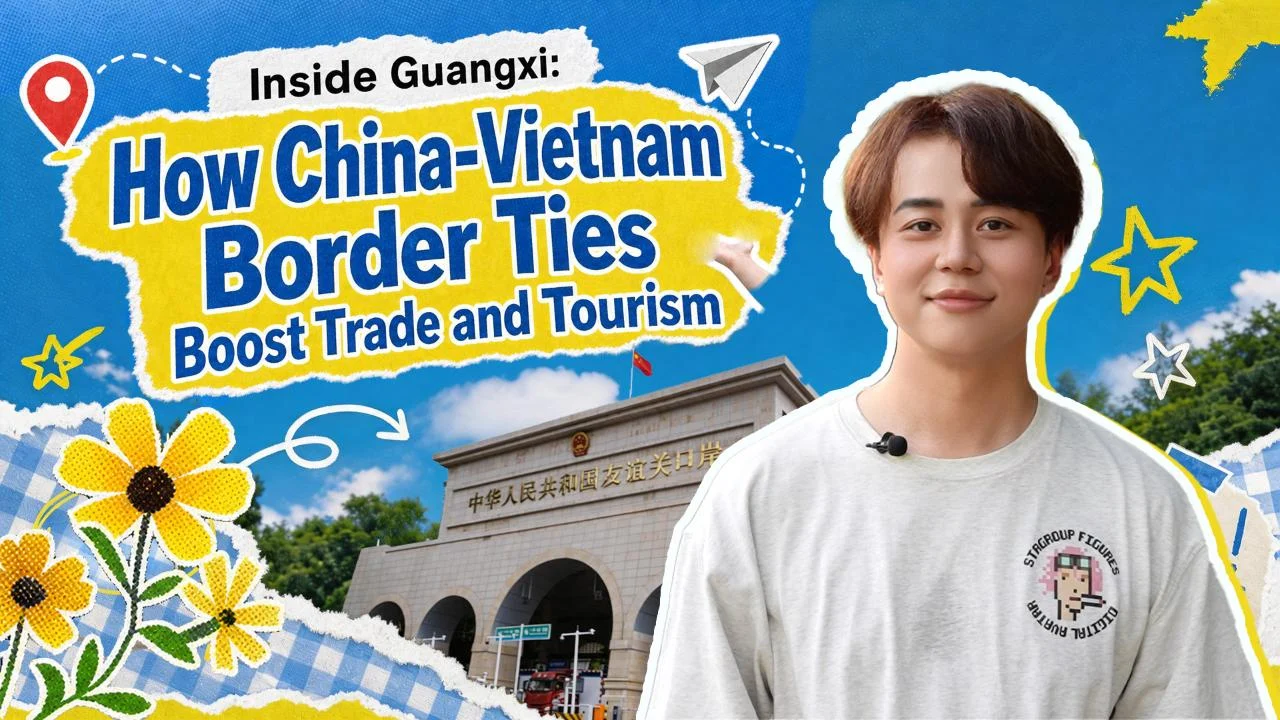
The relationship between China and Vietnam is a dynamic force, particularly evident in the Guangxi Zhuang Autonomous Region. This border area, once primarily known for its natural beauty, is now a bustling hub of economic activity and cross-border cooperation. The strengthening ties between these two nations are not just fostering better trade relations but are also unlocking significant potential for tourism, creating new opportunities for growth and development. This analysis will explore how these enhanced connections are transforming Guangxi, focusing on the key areas of trade and tourism, and examining the mechanisms that drive this mutual prosperity.
The Strategic Importance of Guangxi in China-Vietnam Relations
Guangxi, located in southern China, shares a lengthy border with Vietnam. This geographical proximity makes it a natural gateway for economic and cultural exchange between the two countries. Historically, the region has played a significant role in China’s interactions with Southeast Asia, and its importance has only grown with the deepening of bilateral ties. The Chinese government has identified Guangxi as a key area for developing its Belt and Road Initiative, with a particular focus on connecting with ASEAN nations.
The region’s strategic location is further amplified by its access to ports and its developing transportation infrastructure. These elements are crucial for facilitating the movement of goods and people, making Guangxi an attractive location for businesses looking to engage with the Vietnamese market and beyond. The ongoing development projects in Guangxi are designed to enhance its connectivity, not only within China but also with its neighboring countries, solidifying its role as a vital economic corridor.
Boosting Trade Through Enhanced Connectivity and Logistics
One of the most tangible benefits of the strengthened China-Vietnam relationship is the significant boost to trade. This is largely driven by improved connectivity and more efficient logistics, especially at key border crossings. Youyi Guan Port, a critical gateway for trade between China and Vietnam, exemplifies this progress.
Streamlining Customs and Logistics at Youyi Guan Port
Youyi Guan Port has seen substantial upgrades aimed at speeding up customs clearance and improving the overall efficiency of goods movement. By implementing advanced technology and optimizing operational procedures, authorities have managed to reduce transit times for both imports and exports. This efficiency is vital for businesses, as it lowers costs and allows products to reach markets more quickly. For example, agricultural products from Vietnam can now reach Chinese consumers faster, and manufactured goods from China can be supplied to Vietnamese markets with greater reliability.
The port’s enhanced logistics capabilities also include better warehousing, transportation links, and information sharing systems. These improvements create a more predictable and reliable supply chain, which is essential for maintaining strong trade relationships. Businesses operating at Youyi Guan Port report increased volumes of trade, attributing this growth to the streamlined processes and improved infrastructure. This allows for a greater diversity of goods to be traded, from agricultural produce and raw materials to manufactured goods and consumer products.
The Impact of Trade on Local Economies
The increased trade volume has a direct and positive impact on the local economies in Guangxi. Businesses involved in import and export, logistics, and related services experience growth. This, in turn, creates jobs and stimulates economic activity in the region. Local communities benefit from the increased demand for goods and services, as well as from the investment that follows successful trade operations. Furthermore, the easier access to foreign markets encourages local producers to expand their operations and improve the quality of their products to meet international standards.
The trade facilitation measures at ports like Youyi Guan are not just about moving goods; they are about building economic bridges. They foster a sense of interdependence and mutual benefit, encouraging further cooperation and investment. As trade flows more smoothly, it creates a positive feedback loop, where increased economic activity leads to further infrastructure development and policy support, further strengthening the trade relationship.
Unlocking Tourism Potential Through Cross-Border Cooperation
Beyond trade, the China-Vietnam relationship is also unlocking significant potential in the tourism sector, particularly through initiatives like the Detian-Ban Gioc Waterfall Cross-border Tourism Cooperation Zone. This project highlights a new approach to regional development, focusing on shared natural attractions and cultural heritage.
The Detian-Ban Gioc Waterfall Cooperation Zone
The Detian-Ban Gioc Waterfall, a stunning natural wonder straddling the border between China and Vietnam, is the centerpiece of this innovative tourism initiative. The cooperation zone aims to develop the area into a world-class tourist destination by integrating tourism resources and management across both countries. This involves coordinated efforts in infrastructure development, marketing, and visitor services.
The goal is to create a seamless experience for tourists, allowing them to enjoy the beauty of the waterfalls and the surrounding landscapes without the usual complexities of crossing international borders. This could include simplified visa procedures for tourists visiting the zone, joint marketing campaigns to attract visitors from both countries and international markets, and the development of shared tourist routes and activities. The project seeks to leverage the unique appeal of the waterfall, which is one of the largest transnational waterfalls in Asia, to draw in a significant number of visitors.
Creating Jobs and Stimulating Local Economies
The development of the Detian-Ban Gioc Waterfall Cross-border Tourism Cooperation Zone is expected to create numerous job opportunities for local communities on both sides of the border. These jobs range from direct employment in hotels, restaurants, and tour operations to indirect employment in supporting industries such as transportation, handicrafts, and agriculture. The influx of tourists also stimulates demand for local products and services, providing a significant boost to the local economy.
This initiative is a prime example of how cross-border cooperation can lead to shared prosperity. By working together, China and Vietnam can maximize the economic benefits of their shared natural resources. The project not only generates revenue but also promotes cultural exchange and understanding between the people of the two nations. It offers a model for how other border regions can harness their unique assets for mutual economic gain.
Enhancing People-to-People Exchanges
Tourism is a powerful tool for fostering people-to-people exchanges. As more tourists visit the Detian-Ban Gioc area, there will be increased opportunities for interaction between Chinese and Vietnamese citizens, as well as with visitors from around the world. These interactions can help to break down stereotypes, build trust, and deepen mutual understanding.
The cooperation zone is designed to facilitate these exchanges through shared cultural events, joint festivals, and opportunities for visitors to experience the local way of life in both countries. This cultural immersion is an invaluable aspect of travel, enriching the experience for tourists and fostering goodwill between nations. The success of such initiatives can pave the way for broader cultural cooperation and exchange programs.
The Role of Policy and Investment in Driving Growth
The impressive growth in trade and tourism along the China-Vietnam border is not accidental. It is the result of deliberate policies, strategic investments, and a commitment to bilateral cooperation from both governments.
Government Support and Policy Frameworks
Both the Chinese and Vietnamese governments have recognized the immense potential of their shared border region. They have implemented policies aimed at facilitating trade, attracting investment, and promoting tourism. These policies include trade agreements, investment incentives, and streamlined border crossing procedures. The establishment of special economic zones and cooperation areas, like the Detian-Ban Gioc Tourism Zone, demonstrates a clear commitment to fostering regional development.
China’s Belt and Road Initiative, for instance, has provided a framework for enhanced connectivity and infrastructure development in Guangxi, directly benefiting its trade and tourism links with Vietnam. Similarly, Vietnam’s own economic development plans often prioritize strengthening ties with its larger neighbor. This coordinated policy approach creates a stable and supportive environment for businesses and investors.
Investment in Infrastructure and Development
Significant investments have been made in infrastructure to support the growing economic activity. This includes the expansion and modernization of ports, roads, railways, and airports. The development of high-speed rail lines connecting major cities in Guangxi to border crossings, for example, has dramatically reduced travel times for both goods and passengers.
Investment also extends to the tourism sector, with the construction of new hotels, resorts, and tourist facilities in areas like the Detian-Ban Gioc region. These investments are crucial for accommodating the expected increase in visitor numbers and for providing high-quality services that meet international standards. The commitment to infrastructure development signals a long-term vision for the region as a key economic and tourism hub.
Challenges and Future Prospects
While the progress in trade and tourism between Guangxi and Vietnam is substantial, there are still challenges to address and opportunities to explore further.
Addressing Potential Challenges
One of the ongoing challenges is ensuring that the benefits of economic growth are shared equitably among all communities, particularly those in remote or less developed areas. Sustainable development practices are also important to protect the natural environment, especially in areas of significant ecological value like the Detian-Ban Gioc Waterfall. Furthermore, maintaining smooth and efficient border operations requires continuous adaptation to changing trade patterns and security requirements.
Cultural differences and language barriers can also present challenges in cross-border cooperation. Continued efforts in cultural exchange and language training can help to bridge these gaps and foster stronger relationships. Ensuring that regulations and standards are harmonized between the two countries can also simplify business operations and enhance the visitor experience.
Opportunities for Further Growth
The future prospects for trade and tourism in the Guangxi-Vietnam border region are very promising. As both economies continue to grow and integrate, the demand for goods and services is likely to increase. The ongoing development of transportation networks and digital infrastructure will further enhance connectivity and facilitate economic activity.
There is also potential to expand the scope of cross-border cooperation beyond trade and tourism. This could include joint ventures in agriculture, manufacturing, and renewable energy, as well as increased collaboration in education, research, and cultural preservation. The success of current initiatives provides a strong foundation for exploring these new avenues of cooperation.
The continued strengthening of China-Vietnam ties, with Guangxi at its forefront, offers a compelling model for regional development and international cooperation. By focusing on mutual benefit, strategic investment, and effective policy implementation, the region is poised for continued growth and prosperity.
Conclusion
The economic relationship between China and Vietnam, particularly in the Guangxi region, is a powerful example of how strong bilateral ties can drive significant growth in trade and tourism. Through enhanced connectivity, streamlined logistics at key ports like Youyi Guan, and innovative cross-border initiatives such as the Detian-Ban Gioc Waterfall Cooperation Zone, both nations are reaping substantial economic rewards. These developments not only boost economies but also foster deeper people-to-people exchanges and cultural understanding. With continued strategic investment and supportive government policies, the future holds even greater promise for this dynamic and mutually beneficial partnership.

Conversation
0 Comments