

The 2026 Dakar Youth Olympics are poised to be a landmark event, not only for the athletes participating but also for the continent of Africa, as it hosts the Olympic Games for the very first time. This historic occasion brings together young athletes from around the globe to compete, learn, and forge international friendships. As nations prepare their contingents, the focus sharpens on the dedication, training, and aspirations of these emerging talents. Understanding the structure and significance of such an event provides valuable insight into the world of youth sports and international competition.
This analysis will explore the structure and implications of the 2026 Dakar Youth Olympics, examining the scale of the event, the participating athletes, and the broader impact on sports development. We will look at the organizational aspects, the sports featured, and the opportunities these Games present for young athletes aiming to make their mark on the world stage. The preparation and participation of national delegations, such as China’s, offer a window into the global landscape of youth athletics and the commitment required to succeed.
The Scale and Significance of the Dakar Youth Olympics
The 2026 Dakar Youth Olympics represent a monumental step in the history of the Olympic movement. Scheduled to take place from October 31 to November 13, these Games will be the fourth edition of the Summer Youth Olympics. They are expected to draw approximately 2,700 athletes who will compete across 25 different sports. The choice of Dakar, Senegal, as the host city is particularly significant, marking the first time an Olympic event of this magnitude will be held on the African continent. This historic decision is set to inspire a new generation of athletes and sports enthusiasts across Africa and beyond.
The Games are designed to foster a spirit of international understanding and friendly competition among young people. They provide a platform for athletes aged 15 to 18 to experience the Olympic environment, develop their skills, and potentially launch careers in elite sports. Beyond the athletic competitions, the Youth Olympics also emphasize cultural exchange and educational programs, aiming to shape well-rounded individuals who embody the Olympic values. The infrastructure and organizational efforts required to host such an event are substantial, involving multiple venues across Dakar, Diamniadio, and Saly. The success of these Games will not only be measured by the athletic achievements but also by their ability to unite people and promote the ideals of sport.
China’s Contingent: A Snapshot of Youth Athletic Development
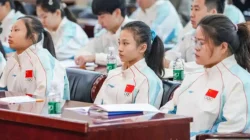
China’s participation in the 2026 Dakar Youth Olympics is highlighted by its announcement of a substantial delegation. The country will send a 66-athlete contingent, aiming to compete across 49 events within 21 different sports. This group is part of a larger 121-member delegation, which includes coaches, support staff, and officials. The gender distribution within the athlete contingent is notable, with 16 males and 50 females, indicating a strong emphasis on female participation in various sports.
The sports China will focus on include popular disciplines such as athletics, swimming, and table tennis, areas where the nation has a strong history of international success. The selection of these athletes reflects years of dedicated training and development programs aimed at nurturing young talent. Zhang Jiasheng, the delegation’s chef de mission and deputy director-general of the General Administration of Sport of China, expressed confidence in the team. He urged the athletes to believe in themselves, maintain a positive mindset, and perform at their best during the competitions. This sentiment underscores the importance placed on the Youth Olympics as a stepping stone for future Olympic hopefuls.
The aspirations of individual athletes are also a key part of the narrative. Table tennis player Yao Ruixuan, for instance, shared her excitement and gratitude for the opportunity to represent her country. Her goal is not only to win but also to connect with athletes from different nations, embodying the spirit of global camaraderie that the Youth Olympics promotes. Such statements reflect the dual purpose of the Games: athletic excellence and cultural exchange.
The Structure of the Youth Olympic Games
The Youth Olympic Games (YOG) are structured to provide a unique experience for young athletes, distinct from the senior Olympic Games. The Summer Youth Olympics, like the upcoming Dakar event, are held every four years, alternating with the Winter Youth Olympics. The age range for participants is carefully defined to ensure fair competition and to target athletes at a critical stage of their athletic development. For the Dakar 2026 Games, athletes will be between 15 and 18 years old.
The competition program is designed to include a wide array of sports, often featuring both traditional Olympic disciplines and newer, more dynamic sports that appeal to younger audiences. This variety ensures that a broad spectrum of athletic talents can be showcased. The Dakar Games will feature 25 sports, covering a diverse range of athletic pursuits. The organization of these events involves meticulous planning by the International Olympic Committee (IOC) in collaboration with the host city and National Olympic Committees.
Each participating National Olympic Committee (NOC) is responsible for selecting its athletes based on qualification criteria set by the international sports federations and the IOC. These criteria often involve performances at national and international junior championships. The structure of the delegation, as seen with China’s contingent, typically includes athletes, coaches, medical staff, and management personnel, all working together to support the athletes’ performance and well-being. The chef de mission plays a crucial role in overseeing the delegation and ensuring adherence to Olympic rules and values.
Sports and Disciplines Featured in Dakar 2026
The 2026 Dakar Youth Olympics will showcase a dynamic and diverse range of sports, reflecting both the established pillars of the Olympic program and emerging disciplines. With 25 sports on the schedule, the Games offer a comprehensive platform for young athletes to demonstrate their skills and passion. These sports are carefully selected to appeal to a global youth audience and to promote the Olympic values of excellence, friendship, and respect.
Key sports that will feature prominently include athletics and swimming, which are foundational disciplines in any Olympic event. Table tennis, a sport where China has historically excelled, will also be a significant competition. Beyond these established sports, the Youth Olympics often incorporate disciplines that are particularly popular among young people, such as skateboarding, sport climbing, and breaking (breakdancing), which made its debut at the Paris 2024 Olympics. These additions aim to keep the Games relevant and engaging for a new generation.
The specific events within each sport are structured to provide ample competition opportunities. For instance, athletics typically includes a range of track and field events, from sprints and middle-distance races to hurdles, jumps, and throws. Swimming events cover various strokes and distances in the pool. Team sports, such as basketball 3×3 or handball, are also often included, fostering teamwork and strategic play. The inclusion of these diverse sports ensures that the Dakar Games will be a vibrant spectacle of athletic talent from around the world.
The Role of the Chef de Mission and Delegation Management
The role of the chef de mission is central to the successful operation of a national delegation at the Youth Olympic Games. As the highest-ranking official representing a country’s Olympic committee at the event, the chef de mission is responsible for a wide range of duties. These include overseeing the welfare and conduct of athletes and staff, ensuring compliance with all Olympic rules and regulations, and acting as the primary liaison between the delegation and the organizing committee, as well as the IOC.
Zhang Jiasheng, the chef de mission for China’s delegation, articulated the importance of mental preparedness and positive attitude for the athletes. This highlights a key aspect of delegation management: fostering a supportive environment that allows young athletes to perform under pressure. This involves not only logistical support, such as accommodation and transportation, but also psychological support, ensuring athletes are mentally resilient and focused on their goals.
Effective delegation management also encompasses medical care, ensuring that athletes have access to timely and appropriate medical attention should they need it. It involves coordinating training schedules, managing competition entries, and ensuring that all team members understand their roles and responsibilities. The success of a delegation is often a reflection of the strength of its management team, which works behind the scenes to create the optimal conditions for athletic achievement and a positive overall experience for the young participants.
Training and Preparation for Young Athletes
The journey to the Youth Olympic Games is a rigorous one, demanding years of dedicated training and strategic preparation. For young athletes, balancing intensive athletic development with education and personal growth presents unique challenges. National Olympic Committees and sports federations play a crucial role in supporting these athletes through structured training programs, access to coaching expertise, and competitive opportunities.
China’s selection of 66 athletes for the Dakar Games suggests a robust system for identifying and nurturing talent from a young age. This typically involves talent identification programs, specialized training camps, and participation in national and international junior competitions. Athletes like Yao Ruixuan, the table tennis player, exemplify the dedication required. Her statement about aiming for the title reflects a high level of ambition, which is cultivated through consistent practice, skill refinement, and strategic competition planning.
The preparation phase leading up to the Games is critical. It often involves fine-tuning techniques, building physical conditioning, and developing mental toughness. Coaches work closely with athletes to create personalized training plans that address individual strengths and weaknesses. Pre-Games competitions serve as valuable opportunities to test strategies, gain experience against international rivals, and make final adjustments to performance plans. The goal is to ensure that athletes arrive at the Games in peak physical and mental condition, ready to compete at their highest level.
The Impact of Hosting the Olympics in Africa
The decision to host the 2026 Dakar Youth Olympics in Senegal is a historic moment with profound implications for the African continent. It marks the first time an Olympic event will be held in Africa, a continent with a rich sporting heritage and a rapidly growing youth population. This event has the potential to serve as a powerful catalyst for sports development, infrastructure improvement, and national pride across Africa.
Hosting the Games can lead to significant investments in sports facilities, transportation networks, and urban development. These improvements can have long-lasting benefits, creating legacies that extend beyond the event itself. For young Africans, seeing the Olympic Games hosted on their continent can be incredibly inspiring, encouraging greater participation in sports and fostering dreams of future Olympic success. It provides a platform for African athletes to showcase their talents on a global stage in front of a home crowd.
Furthermore, the Dakar Games offer an opportunity for cultural exchange, allowing athletes and visitors from around the world to experience the vibrant culture of Senegal and Africa. This can help to break down stereotypes, foster understanding, and build bridges between different cultures. The success of the Games will depend on effective organization, strong international cooperation, and the enthusiastic participation of the host nation and its people. The event is poised to be a celebration of youth, sport, and African potential.
Building International Connections Through Sport
The Youth Olympic Games are designed not only to foster athletic competition but also to build bridges between young people from diverse backgrounds. The emphasis on cultural exchange and the opportunity to interact with peers from different countries are integral to the YOG experience. Athletes like Yao Ruixuan, who expressed a desire to connect with athletes from other regions, highlight this important aspect of the Games.
These interactions can lead to lifelong friendships and a broader understanding of global perspectives. Young athletes have the chance to learn about different cultures, share experiences, and develop a sense of global citizenship. The Olympic Village, where athletes reside during the Games, serves as a melting pot of nationalities, languages, and traditions, creating a unique environment for cross-cultural learning.
Beyond the village, the competitions themselves provide a natural setting for interaction. Athletes may meet during warm-ups, training sessions, or even in post-competition exchanges. These moments, often informal, can be just as impactful as the structured cultural programs. The shared experience of competing at the highest level, regardless of nationality or background, creates a powerful bond. This fosters a spirit of sportsmanship and mutual respect that extends far beyond the duration of the Games, contributing to a more connected and understanding world.
The Future of Youth Sports Development
The Dakar 2026 Youth Olympics are more than just a sporting event; they represent a significant investment in the future of sports development globally. By providing a platform for young athletes to hone their skills, gain international experience, and be inspired by the Olympic spirit, the Games play a crucial role in shaping the next generation of athletes. The focus on inclusivity, cultural exchange, and education ensures that participants develop into well-rounded individuals, prepared for life both on and off the field of play.
The success of events like these hinges on continued support for youth sports programs worldwide. This includes investing in coaching education, providing access to facilities, and creating pathways for talent identification and development. The lessons learned and the connections made at the Youth Olympics can have a ripple effect, inspiring communities and encouraging greater participation in sports at all levels.
As the world looks forward to Dakar 2026, the anticipation is not just for the athletic contests but for the broader impact these Games will have. They are a testament to the power of sport to unite, inspire, and empower young people, laying the groundwork for a brighter future in sports and for global understanding. The commitment shown by nations like China, with their substantial contingents, underscores the enduring importance of nurturing young athletic talent and fostering international cooperation through the Olympic movement.
Conclusion
The 2026 Dakar Youth Olympics stand as a beacon of opportunity, marking a historic moment for Africa and for young athletes worldwide. With a carefully structured program encompassing 25 sports and bringing together approximately 2,700 athletes, the Games are set to be a vibrant celebration of youth, athleticism, and international camaraderie. China’s significant delegation of 66 athletes underscores the global commitment to developing and showcasing young talent, with aspirations ranging from winning titles to fostering cross-cultural connections.
The role of the chef de mission and the meticulous management of national delegations are vital to ensuring a positive and successful experience for these emerging stars. The rigorous training and preparation undertaken by athletes highlight the dedication required to reach this level, while the broader impact of hosting the Olympics in Africa promises to inspire a continent and leave a lasting legacy. Ultimately, the Dakar Youth Olympics are more than just a competition; they are a platform for growth, learning, and the forging of international bonds that will shape the future of sport and global understanding for years to come.

Conversation
0 Comments