

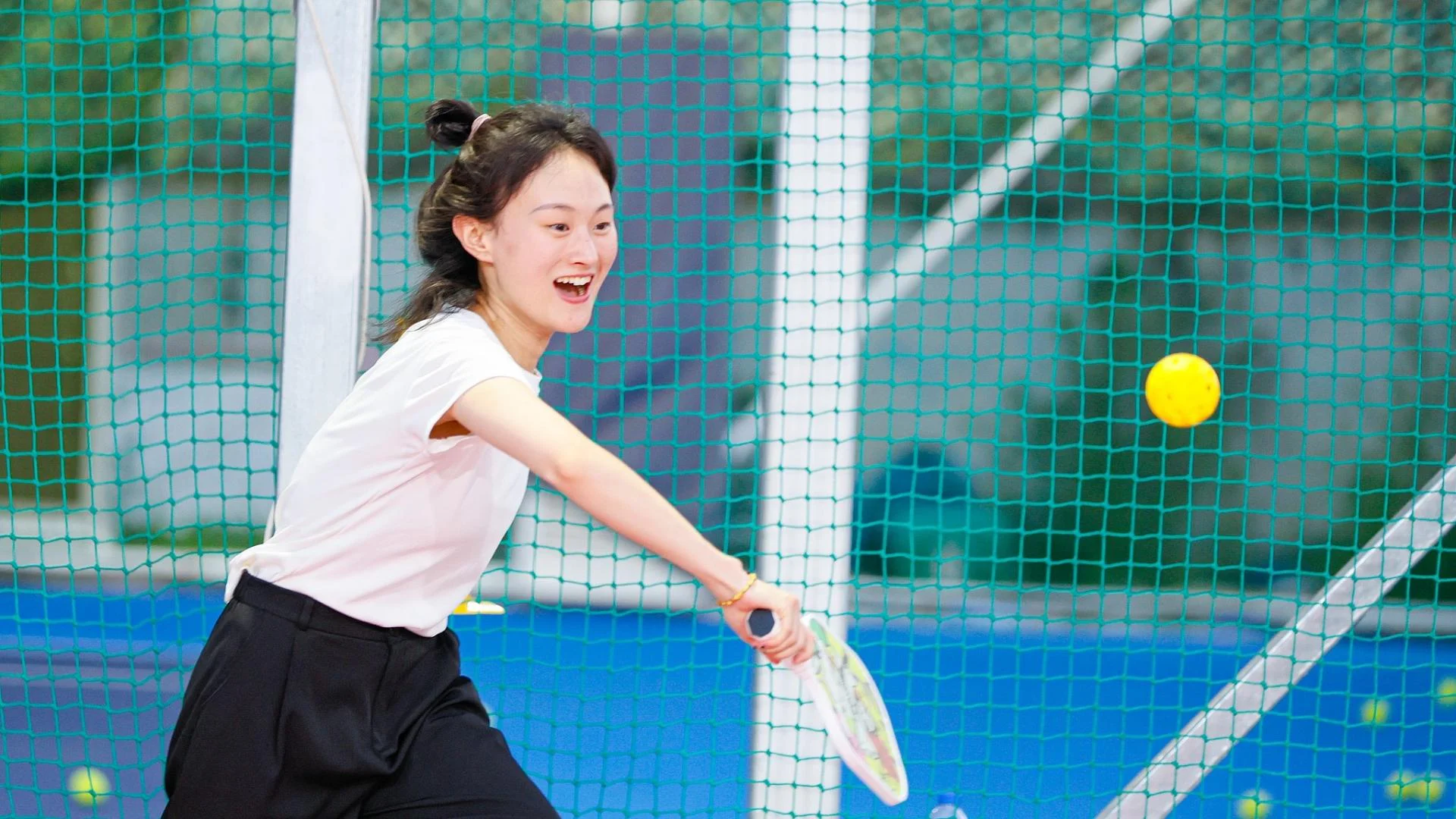
Pickleball’s Rapid Rise: How a Simple Sport is Capturing Global Attention
Pickleball, a paddle sport that combines elements of tennis, badminton, and table tennis, is experiencing a remarkable surge in popularity worldwide. Its unique blend of accessibility, social interaction, and engaging gameplay has drawn in players of all ages and skill levels. From community courts to major tournaments, the sport is rapidly expanding its reach, transforming recreational landscapes and fostering new athletic communities. This analysis explores the factors driving pickleball’s growth, its appeal to diverse demographics, and its potential for continued expansion.
The sport’s journey from a niche activity to a global phenomenon is a testament to its inherent qualities. Its relatively simple rules and smaller court size make it easier to learn than many other racket sports, lowering the barrier to entry for newcomers. This accessibility is a key driver of its widespread adoption, allowing individuals who may not have prior athletic experience to quickly engage and enjoy the game. As more people discover the fun and fitness benefits of pickleball, its popularity continues to snowball, creating a positive feedback loop of participation and interest.
The Genesis and Evolution of Pickleball
Pickleball was invented in 1965 by Joel Pritchard, Bill Bell, and Barney McCallum at their summer home on Bainbridge Island, near Seattle, Washington. Legend has it that the game was created out of boredom, with the inventors improvising with equipment they had on hand. They used a badminton net, ping-pong paddles, and a perforated plastic ball. The name “pickleball” is said to have come from Pritchard’s wife, Joan, who compared the game to the “pickle boat” in crew racing, where oarsmen were chosen from the leftover rowers of other boats.
Initially, pickleball was primarily played by families and friends in their backyards and local parks. However, its unique appeal soon began to spread. The game’s simple rules and the social aspect of playing in close proximity to other players fostered a strong sense of community. As more people learned about the sport, dedicated courts began to appear, and organized leagues and tournaments started to form. This gradual growth laid the foundation for the explosive popularity pickleball enjoys today.
The sport’s evolution has been marked by continuous development in equipment and organized play. Paddles have evolved from basic wooden models to sophisticated designs using materials like graphite and composite, offering players more power and control. The rules, while remaining largely consistent, have been refined to ensure fair play and enhance the game’s flow. The establishment of governing bodies, such as USA Pickleball, has been instrumental in standardizing rules, organizing tournaments, and promoting the sport on a national and international level.
Why Pickleball is Capturing Hearts and Courts
The rapid ascent of pickleball can be attributed to a confluence of factors that make it uniquely appealing to a broad audience. Its inherent simplicity is perhaps the most significant draw. Unlike sports that require years of dedicated practice to become proficient, pickleball’s basic mechanics can be grasped within a single session. This low barrier to entry means that individuals of all ages, from young children to seniors, can pick up a paddle and start playing almost immediately.
Beyond its ease of learning, pickleball offers a compelling blend of physical activity and social engagement. The game is played on a smaller court than tennis, typically 20 feet wide by 44 feet long, with a net set at 36 inches at the sidelines and 34 inches in the middle. This setup encourages players to stay relatively close to each other, fostering conversation and camaraderie. Many players describe pickleball as a highly social activity, where the game itself is as much about the interaction with fellow players as it is about competition.
The physical benefits of pickleball are also a major draw. While it may not be as physically demanding as some other sports, it still provides a good cardiovascular workout. The quick movements, volleys, and strategic positioning required to play effectively engage various muscle groups and improve agility, balance, and hand-eye coordination. For older adults, in particular, pickleball offers a way to stay active and maintain physical fitness without the high impact that can be associated with sports like tennis or running.
Furthermore, the competitive aspect of pickleball, while present, is often more relaxed and inclusive than in other sports. While serious tournaments exist, many games are played in a friendly, recreational setting. This balance allows players to enjoy the thrill of competition without the intense pressure that can deter some individuals from participating in other sports. The culture surrounding pickleball often emphasizes sportsmanship and fun, creating an inviting atmosphere for everyone.
The Global Expansion of Pickleball
While pickleball originated in the United States, its popularity has transcended borders, with significant growth reported in numerous countries. Canada, Mexico, and various European nations have seen a rapid increase in pickleball participation. In recent years, Asia has also emerged as a burgeoning market for the sport. For instance, pickleball is gaining momentum in China, with a growing number of competitions and increasing public participation. This expansion is driven by a combination of international sports trends, the sport’s inherent appeal, and dedicated efforts by local sports organizations to promote it.
The international growth of pickleball is facilitated by its adaptability. The sport can be played on modified tennis courts, badminton courts, or dedicated pickleball courts, making it feasible to establish playing facilities in diverse locations. As more people travel and experience the sport in one country, they often bring their enthusiasm back to their home nations, further fueling its spread. The establishment of international federations and the inclusion of pickleball in global sporting events are also playing a role in its worldwide recognition.
The surge in pickleball’s popularity in China, as highlighted by reports from the country, exemplifies this global trend. Initiatives like the annual promotion campaign alongside the China Open tennis tournament have introduced the sport to a wider audience. The Chinese Tennis Association’s efforts to develop a structured system, including competitions and training programs, are crucial for nurturing the sport’s growth. The China Pickleball Tour, with its rapid expansion from 80 stops in its inaugural year to over 1,000 stops in 2026, demonstrates the immense demand and rapid development of the sport in the region. International competitions, bringing together players from different countries, further enhance the sport’s global profile and provide valuable experience for domestic athletes.
This international embrace of pickleball underscores its universal appeal. The sport’s ability to transcend cultural and linguistic barriers, offering a shared activity that promotes health, fun, and social connection, is a powerful driver of its global expansion. As more countries embrace pickleball, it is poised to become a truly international sport with a significant presence on the global sporting stage.
Pickleball’s Appeal Across Demographics
One of pickleball’s most remarkable strengths is its ability to attract and retain players from a wide range of age groups and backgrounds. While it initially gained traction among older adults seeking a less strenuous yet engaging physical activity, its appeal has broadened considerably. Younger generations are increasingly discovering pickleball, drawn by its fast-paced action, social dynamics, and the opportunity to compete with friends.
For seniors, pickleball offers a vital avenue for maintaining an active lifestyle and combating social isolation. The lower impact on joints compared to sports like tennis makes it a sustainable activity for those with age-related physical considerations. The close proximity of players on the court encourages conversation and interaction, fostering friendships and a sense of community that is particularly beneficial for older adults who may be seeking social engagement. Many senior centers and community organizations have embraced pickleball, recognizing its positive impact on the well-being of their members.
At the other end of the spectrum, younger players are finding pickleball to be an exciting and accessible sport. Its quick rallies and strategic elements provide a stimulating challenge, while its social nature makes it a popular choice for group activities and after-school programs. The rise of pickleball influencers on social media platforms has also contributed to its appeal among younger demographics, showcasing the sport’s dynamic play and vibrant culture. Schools and youth organizations are beginning to incorporate pickleball into their athletic programs, introducing the sport to a new generation of players.
The inclusivity of pickleball extends beyond age. It is a sport that can be enjoyed by people of varying athletic abilities. Whether someone is a seasoned athlete looking for a new challenge or a complete beginner seeking a fun way to get some exercise, pickleball can accommodate them. The sport’s adaptable nature allows for different levels of play, from casual games among friends to highly competitive tournaments, ensuring that everyone can find their place on the court. This broad appeal is a significant factor in pickleball’s sustained growth and its ability to build diverse and vibrant playing communities.
The Business and Economic Impact of Pickleball
The burgeoning popularity of pickleball has not gone unnoticed by the business world. The sport is generating significant economic activity, from the manufacturing and sale of equipment to the development of new facilities and the organization of professional tours. Companies specializing in sports equipment have seen a surge in demand for pickleball paddles, balls, and accessories. This has led to innovation in product design and manufacturing, with new materials and technologies being introduced to enhance performance and player experience.
The demand for dedicated pickleball courts is also on the rise. Many existing sports facilities, including tennis clubs and community centers, are converting courts to accommodate pickleball. New facilities are being built specifically for the sport, reflecting the growing market for pickleball-specific venues. This development creates jobs in construction, facility management, and event organization. The growth of pickleball tourism, where players travel to different locations to participate in tournaments or play on renowned courts, is also contributing to local economies.
Professional pickleball tours and leagues are emerging, attracting sponsorships and broadcasting deals. These professional circuits not only provide a platform for elite athletes but also increase the visibility of the sport, inspiring more people to play. The prize money in professional tournaments is growing, further professionalizing the sport and attracting top talent. The media coverage of these events, both online and through traditional channels, is exposing pickleball to an even wider audience, creating a virtuous cycle of growth.
The economic impact of pickleball extends to related industries as well. Apparel companies are designing and marketing pickleball-specific clothing, while food and beverage vendors benefit from increased foot traffic at tournaments and events. The growth of pickleball instruction and coaching services also represents a significant economic sector, providing employment opportunities for skilled players and coaches. As the sport continues to expand, its economic footprint is expected to grow even larger, making it a notable contributor to the sports industry.
Challenges and the Future of Pickleball
Despite its rapid growth, pickleball faces certain challenges as it continues to mature. One of the primary concerns is the increasing demand for court space. As more people take up the sport, existing facilities can become overcrowded, leading to competition for court time, particularly in popular areas. This has spurred efforts to build more dedicated pickleball courts and to find innovative ways to share existing sports infrastructure.
Another challenge is the potential for injuries as participation increases. While generally considered a low-impact sport, improper technique, overuse, or playing on unsuitable surfaces can lead to injuries, particularly among those new to the game or those who push themselves too hard. Education on proper form, warm-up routines, and listening to one’s body is crucial for injury prevention. The development of more robust coaching programs and accessible resources for learning proper technique can help mitigate this risk.
The professionalization of pickleball also presents its own set of considerations. As the sport attracts more investment and media attention, there is a growing need for standardized rules, transparent governance, and fair competition. Ensuring the long-term sustainability of professional tours and leagues requires careful planning and management to balance commercial interests with the spirit of the game.
Looking ahead, the future of pickleball appears exceptionally bright. Its inherent accessibility, social appeal, and health benefits position it for continued expansion. The sport’s ability to unite people from diverse backgrounds and foster a sense of community is a powerful asset. As more countries embrace pickleball, it is likely to become a permanent fixture in the global sporting landscape, potentially even making its way into major international multi-sport events. The ongoing innovation in equipment, coaching, and facility development will further enhance the player experience and solidify pickleball’s place as a beloved sport for generations to come. The continued efforts to promote the sport at grassroots levels, coupled with the growing professional circuit, suggest that pickleball’s momentum is far from slowing down.
Conclusion
Pickleball has rapidly evolved from a backyard pastime to a global sporting phenomenon. Its simple rules, engaging gameplay, and strong social component have made it an attractive option for people of all ages and abilities. The sport’s accessibility has lowered barriers to entry, allowing a diverse range of individuals to participate and enjoy the benefits of physical activity and community connection. From its humble beginnings, pickleball has witnessed remarkable growth, fueled by dedicated players, organized leagues, and increasing media attention.
The sport’s international expansion, particularly its growing presence in regions like China, highlights its universal appeal. As more people discover the joy of hitting a pickleball over the net, the demand for courts and organized play continues to rise, creating economic opportunities and fostering vibrant communities. While challenges such as court availability and injury prevention need to be addressed, the future of pickleball remains exceptionally promising. Its ability to bring people together, promote health, and provide a fun, competitive outlet ensures that pickleball will continue to capture hearts and courts around the world for years to come.



Conversation
0 Comments