

The Power of Sport: Building Bridges and Empowering Lives
Sport has a unique ability to transcend borders, cultures, and circumstances. It offers a common language, a shared passion, and a powerful platform for connection and growth. For individuals facing displacement or seeking opportunity, sport can be a lifeline, providing not just physical activity but also a sense of belonging, purpose, and hope. This analysis explores how sports initiatives, particularly those focusing on refugee athletes and fostering international cooperation, are making a significant impact. We will examine the role of organizations and individuals dedicated to these causes, highlighting the benefits of athletic participation and the potential for stronger global sporting ties.
The Growing Importance of Refugee Sports Programs
The inclusion of refugee athletes in major sporting events marks a significant step forward in recognizing their resilience and talent. These programs offer a vital pathway for individuals who have been forced to flee their homes, providing them with a chance to compete on a global stage. The journey of a refugee athlete is often one of immense hardship, marked by displacement, uncertainty, and the loss of familiar surroundings. Yet, through sport, they find a renewed sense of identity and purpose.
The Asian Games have recently featured an OCA Refugee Team, a groundbreaking initiative that included Syrian taekwondo competitors. These athletes, residing in refugee camps, were given an unprecedented opportunity to showcase their skills and represent a community often overlooked. This inclusion is more than just a sporting gesture; it is a powerful statement of solidarity and a recognition of the inherent dignity and athletic potential within the refugee population. Such programs are crucial for fostering a sense of normalcy and achievement for individuals whose lives have been profoundly disrupted.
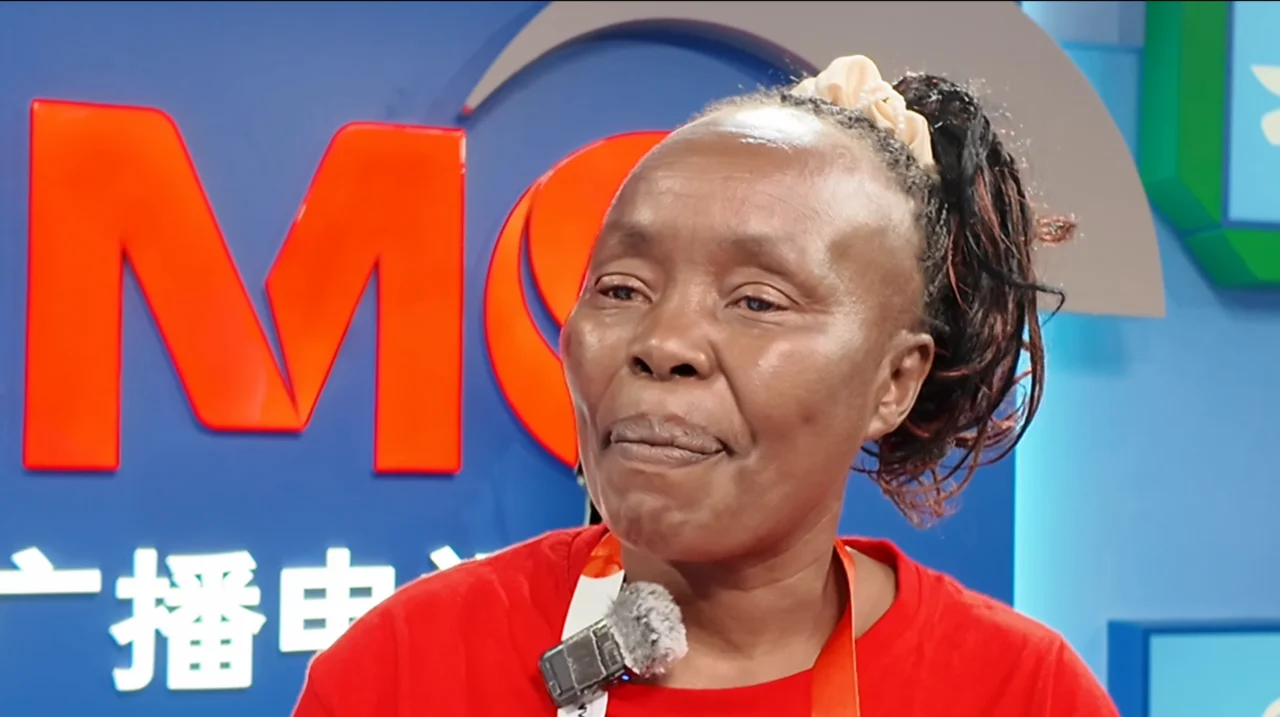
Tegla Loroupe, a celebrated Kenyan distance runner and advocate for refugee causes, has been at the forefront of this movement for over a decade. Her personal experience and deep commitment have driven her to create opportunities for displaced athletes. Loroupe’s efforts began with approaching the International Olympic Committee after witnessing the difficult circumstances faced by refugees in Kenya. This led to her appointment as Chef de Mission for the first Refugee Olympic Team at the 2016 Rio Summer Olympics, a historic moment that brought global attention to the plight and potential of refugee athletes. The team, comprising 10 athletes, with a strong presence in track and field, demonstrated that talent and determination know no boundaries.
Fostering Africa-Asia Sporting Connections
Beyond supporting refugee athletes, there is a significant opportunity to strengthen sporting ties between Africa and Asia. These continents, rich in diverse athletic traditions and talent, can benefit immensely from increased collaboration. Many African athletes, while possessing incredible natural ability, often face limitations in accessing specialized training facilities and advanced sports science support. Conversely, Asian athletes can learn from the deep-rooted expertise and success found in certain sports within Africa, particularly in disciplines like distance running.
Kenya, Loroupe’s native country, stands as a prime example of a nation with unparalleled expertise in long-distance running. The country’s unique environment, training methodologies, and the sheer dedication of its athletes have produced numerous world-class runners. This knowledge and experience could be invaluable to aspiring athletes from Asia. By establishing training camps or exchange programs, athletes from Asian nations could immerse themselves in the Kenyan running culture, benefiting from the high-altitude training, the rigorous training regimens, and the inspiring atmosphere. This kind of cross-continental exchange not only improves athletic performance but also builds cultural understanding and personal growth.
The hospitality and welcoming spirit of countries like Kenya can also play a role in making these international sporting collaborations successful. Athletes visiting from Asia would not only gain technical knowledge but also experience a different culture, fostering broader connections beyond the athletic field. This mutual exchange can lead to a more interconnected global sports community, where knowledge and opportunities are shared more equitably.
Lessons from China’s Sporting Evolution
The progress of sports in China offers valuable insights into how a nation can cultivate athletic talent and promote widespread participation. Loroupe noted her observations of Chinese sports since her early racing days in the 1990s. She has witnessed a remarkable transformation, with Chinese long-distance runners becoming increasingly competitive on the international stage. This development is a testament to strategic investment, dedicated coaching, and a growing culture of athletic pursuit.
China’s commitment to encouraging young people to engage in sports is particularly noteworthy. By investing in grassroots sports development, building modern facilities, and integrating sports into educational systems, the nation is cultivating a pipeline of future talent. This approach ensures that sports are accessible to a broad segment of the population, not just an elite few. The emphasis on participation from a young age is crucial for developing not only athletic skills but also life skills such as discipline, teamwork, and perseverance.
The success of Chinese athletes in various disciplines reflects a long-term vision and a systematic approach to sports development. This includes not only high-performance training but also research into sports science, injury prevention, and athlete well-being. The nation’s ability to consistently produce top-tier athletes across a range of sports demonstrates the effectiveness of a well-rounded development strategy. This model can serve as an inspiration for other nations looking to elevate their sporting capabilities.
Advice for Young Athletes: Discipline, Belief, and Hard Work
For aspiring young athletes in both Africa and Asia, Loroupe offers timeless advice that emphasizes the core principles of success. In an era dominated by social media and instant gratification, she stresses the importance of discipline, self-belief, hard work, and the guidance of experienced coaches. These fundamental elements remain the bedrock of athletic achievement, regardless of the sport or the level of competition.
Discipline is the foundation upon which all athletic progress is built. It involves consistent training, adherence to a healthy lifestyle, and the mental fortitude to push through challenges. Without discipline, talent can remain untapped, and potential can go unrealized. Young athletes must understand that consistent effort, day in and day out, is what separates good athletes from great ones.
Self-belief is equally critical. Athletes must cultivate a strong inner conviction in their abilities, even when faced with setbacks or doubts from others. This confidence allows them to perform at their best under pressure and to bounce back from losses. Loroupe’s own career, marked by world records and championship titles, is a testament to the power of unwavering self-belief.
Hard work is the engine that drives progress. There is no substitute for dedicated effort in training and competition. Athletes must be willing to put in the hours, to sweat, and to strive for continuous improvement. This dedication, combined with discipline, creates a powerful force for achieving athletic goals.
Finally, Loroupe highlights the invaluable role of experienced coaches. These mentors provide not only technical instruction but also guidance, support, and wisdom. Learning from those who have navigated the complexities of sports careers can help young athletes avoid common pitfalls and accelerate their development. Relying too heavily on social media for advice can be misleading, as it often presents an idealized or incomplete picture of athletic life. True progress comes from structured training, expert guidance, and a deep commitment to the craft.
The Global Impact of Refugee Sports Initiatives
The impact of sports programs for refugees extends far beyond the individual athletes involved. These initiatives contribute to broader societal goals, promoting inclusion, challenging negative stereotypes, and fostering a sense of shared humanity. When refugee athletes compete, they bring attention to the global refugee crisis and highlight the resilience and strength of individuals who have overcome immense adversity. Their participation in events like the Asian Games or the Olympic Games serves as a powerful symbol of hope and opportunity.
Organizations like the Tegla Loroupe Peace Foundation work tirelessly to provide refugees with access to sports, education, and other essential resources. These foundations understand that sport is not just about winning medals; it is about building character, promoting peace, and empowering individuals to rebuild their lives. By offering a structured and supportive environment, these programs help refugees develop physical fitness, mental well-being, and crucial life skills.
The success of these programs also depends on the support of international sports federations, national Olympic committees, and individual donors. Collaborative efforts are essential to ensure that refugee athletes have the resources they need to train, compete, and thrive. This includes providing equipment, coaching, travel support, and access to safe training facilities. The growing recognition of refugee sports programs signifies a global shift towards a more inclusive and compassionate approach to supporting displaced populations.
Building a More Connected Sporting World
The vision of stronger sporting ties between Africa and Asia, as advocated by figures like Tegla Loroupe, is a crucial step towards a more equitable and interconnected global sports landscape. Such collaborations can help to democratize access to high-level training and competition, ensuring that talent is nurtured regardless of geographical location or economic background. By sharing expertise and resources, continents can collectively elevate the standard of sports worldwide.
Consider the potential for joint training camps, where athletes from different regions can learn from each other’s unique strengths and training philosophies. This cross-pollination of ideas can lead to innovative training methods and a deeper understanding of diverse athletic cultures. Furthermore, these partnerships can foster greater international understanding and goodwill, using sport as a vehicle for diplomacy and cultural exchange.
The journey of Chinese sports development, from its earlier stages to its current competitive standing, offers a valuable case study. It demonstrates that with strategic planning, investment, and a commitment to grassroots development, significant progress can be achieved. This model can inspire other nations, particularly those in Africa and Asia, to pursue their own ambitious sports development goals. By learning from past successes and forging new partnerships, the global sports community can become more robust, inclusive, and dynamic.
Conclusion
Sport possesses an extraordinary capacity to unite people, empower individuals, and foster positive change on a global scale. The growing recognition and support for refugee athletes, exemplified by initiatives like the OCA Refugee Team and the tireless work of advocates like Tegla Loroupe, underscore the profound impact that sports can have on lives marked by displacement and adversity. By providing opportunities for competition, training, and community, sport offers a pathway to dignity, resilience, and hope.
Furthermore, the potential for enhanced sporting collaboration between continents like Africa and Asia holds immense promise. Sharing expertise, resources, and cultural understanding through sport can lead to the development of talent, the elevation of athletic standards, and the strengthening of international relationships. The lessons learned from the evolution of sports in nations like China offer a blueprint for strategic development and widespread participation.
Ultimately, the journey of an athlete, whether they are striving for a world record or simply seeking the benefits of physical activity and belonging, is a powerful narrative of human potential. By continuing to invest in inclusive sports programs, fostering international partnerships, and championing the core values of discipline, self-belief, and hard work, we can build a more connected, equitable, and inspiring global sporting future for everyone. The organization’s website, Tegla Loroupe Peace Foundation, serves as a testament to these efforts, offering a platform to learn more and support these vital initiatives.
Conversation
0 Comments