

The Rise of AI in Content Creation: A New Era for Audiovisual Production
The world of content creation is undergoing a dramatic transformation, driven by rapid advancements in artificial intelligence. This evolution is not just about faster editing or more sophisticated visual effects; it’s about fundamentally changing how stories are conceived, produced, and shared across the globe. At the forefront of this shift is the development of powerful AI platforms designed to streamline and enhance the creation of multilingual content, opening up new possibilities for global communication and artistic expression. This article will explore the emergence of these AI-driven production tools, their capabilities, and the potential impact they hold for the future of audiovisual media.
Understanding the AI Production Platform
At its core, an AI production platform for audiovisual content leverages sophisticated artificial intelligence models to automate and assist in various stages of content creation. These platforms are built upon vast datasets, including multilingual language resources, to understand and generate human-like text, speech, and even visual elements. The goal is to democratize content creation, making it more accessible and efficient for creators of all levels, from large media organizations to independent artists.
The technology behind these platforms often involves large AI models, similar to those used in natural language processing and computer vision. These models are trained on massive amounts of data, allowing them to learn patterns, styles, and linguistic nuances. When applied to content production, this means AI can help in tasks such as scriptwriting, voiceovers in multiple languages, character animation, and even the generation of entirely new visual scenes. The result is a more agile and scalable approach to producing high-quality media.
One of the key benefits of such platforms is their ability to handle multilingual content with unprecedented ease. Traditionally, producing content in multiple languages required separate recording sessions, voice actors, and translation teams for each language. AI-powered platforms can automate much of this process, generating accurate and contextually appropriate translations and voiceovers, significantly reducing production time and costs. This capability is especially valuable for global media organizations aiming to reach diverse audiences worldwide.
Key Features and Capabilities
The capabilities of modern AI production platforms are extensive and continue to expand. These systems are designed to be versatile, supporting a wide range of content formats and production needs.
Multilingual Content Generation
A standout feature is the ability to generate content in numerous languages. This includes not only translating existing scripts but also creating original dialogue and narration that sounds natural and culturally relevant in different linguistic contexts. The AI can adapt tone, style, and vocabulary to suit specific target audiences, ensuring that the message resonates effectively across diverse cultural backgrounds. This is a significant leap from previous translation technologies, which often produced stilted or inaccurate results.
AI-Powered Animation and Virtual Presenters
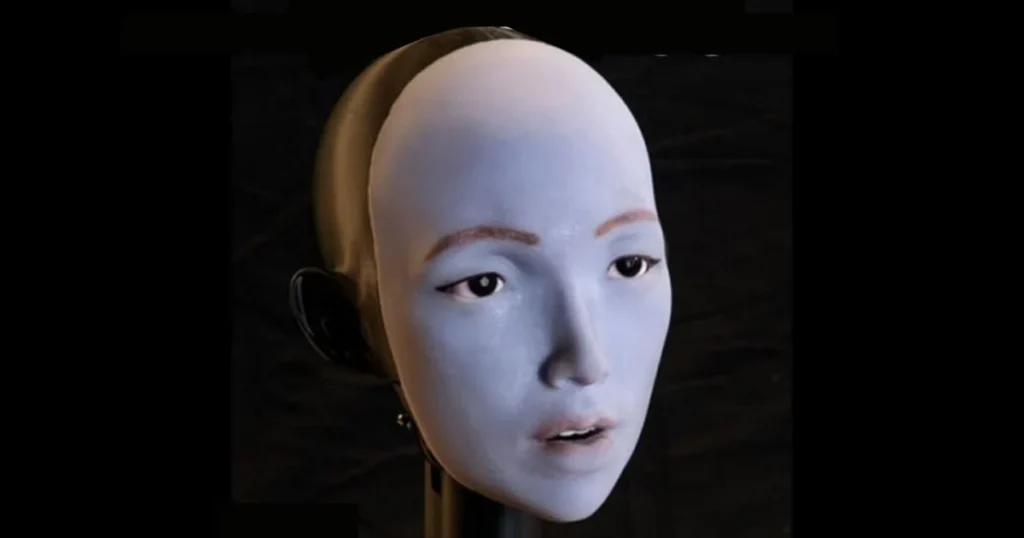
AI is also revolutionizing animation. Platforms can now generate animated characters and scenes based on textual descriptions or existing visual assets. This allows for the creation of animated series, explainer videos, and other visual content with greater speed and flexibility. Furthermore, AI can power virtual presenters, like the example of Lydia mentioned in recent developments, who can deliver content in multiple languages and appear in various virtual settings. These virtual presenters offer a consistent and adaptable on-screen presence, reducing the need for physical actors and studios for certain types of programming.
Enhanced Scriptwriting and Storytelling
AI can assist human writers by generating story ideas, drafting scripts, and even suggesting plot developments. By analyzing vast libraries of existing narratives, AI can identify successful storytelling patterns and help creators overcome writer’s block. While AI may not fully replace human creativity in storytelling, it can serve as a powerful co-pilot, accelerating the ideation and drafting phases of script development. This collaborative approach allows creators to focus on the artistic and emotional aspects of their work, while AI handles more repetitive or data-intensive tasks.
Efficient Post-Production Workflows
Beyond content generation, AI is streamlining post-production processes. This includes automated video editing, color correction, sound mixing, and even the generation of subtitles and captions. AI algorithms can analyze footage to identify key moments, suggest edits, and ensure visual and audio consistency. This significantly reduces the time and resources required for post-production, allowing content to be released to market much faster. The ability to quickly adapt content for different platforms and formats is also a major advantage.
The Impact on the Audiovisual Industry
The introduction of AI production platforms is poised to reshape the audiovisual industry in several profound ways. These changes will affect everything from the types of content produced to the skills required by industry professionals.
Democratization of Content Creation
One of the most significant impacts is the potential for democratizing content creation. Previously, high-quality audiovisual production often required substantial financial investment in equipment, studios, and specialized personnel. AI platforms can lower these barriers to entry, enabling smaller teams and individual creators to produce professional-grade content. This could lead to a more diverse and vibrant media landscape, with a wider range of voices and perspectives being shared.
Increased Efficiency and Scalability
For established media companies, AI offers unparalleled efficiency and scalability. The ability to produce content in multiple languages simultaneously, automate repetitive tasks, and generate visual assets on demand allows organizations to expand their reach and output without a proportional increase in costs. This is particularly beneficial for news organizations, educational institutions, and entertainment companies looking to serve a global audience. The speed at which content can be produced and updated is a critical advantage in today’s fast-paced media environment.
New Forms of Content and Experiences
AI is not just about making existing content faster; it’s also about enabling entirely new forms of content and audience experiences. Immersive dome displays, interactive narratives, and personalized content streams are becoming more feasible with AI-driven tools. The integration of AI with technologies like virtual reality and augmented reality promises to create deeply engaging and interactive media experiences that were once the stuff of science fiction. This opens up exciting avenues for artistic innovation and audience engagement.
Evolving Skill Sets for Professionals
The rise of AI in content creation also necessitates an evolution in the skills required by industry professionals. While some traditional roles may diminish, new opportunities will emerge. Professionals will need to develop skills in AI management, prompt engineering, data analysis, and creative direction for AI-assisted projects. The ability to collaborate effectively with AI tools, guiding their output and ensuring creative integrity, will become increasingly important. This shift calls for continuous learning and adaptation within the workforce.
Challenges and Considerations
Despite the immense potential, the widespread adoption of AI in content creation also presents challenges and raises important considerations. Addressing these issues will be crucial for harnessing the full benefits of this technology responsibly.
Ethical Implications and Bias
AI models are trained on data, and if that data contains biases, the AI’s output can reflect those biases. This is a significant concern in content creation, where AI might inadvertently perpetuate stereotypes or generate discriminatory content. Ensuring fairness, equity, and ethical representation in AI-generated media requires careful attention to data sourcing, model training, and ongoing monitoring. Developers and users must be vigilant in identifying and mitigating potential biases.
Copyright and Intellectual Property
The use of AI in generating creative works raises complex questions about copyright and intellectual property. Who owns the copyright to content created by an AI? How should existing copyrighted material be used in training AI models? These legal and ethical dilemmas are still being debated and will require new frameworks and regulations to address them effectively. Clear guidelines are needed to protect creators’ rights and foster innovation.
The Role of Human Creativity
A common concern is whether AI will replace human creativity. While AI can automate many tasks and even generate novel content, it currently lacks the lived experience, emotional depth, and nuanced understanding that drive truly groundbreaking human artistry. The most effective use of AI in content creation is likely to be a collaborative one, where AI serves as a tool to augment human creativity, rather than replace it entirely. The human element remains vital for injecting originality, emotion, and cultural relevance into content.
Technical Hurdles and Accessibility
While AI platforms are becoming more sophisticated, technical hurdles remain. Ensuring the accuracy and reliability of AI-generated content, particularly in sensitive areas like news reporting, requires robust validation processes. Furthermore, making these advanced AI tools accessible and affordable to a wider range of creators is essential for achieving true democratization of content production. Ongoing research and development are focused on overcoming these challenges.
The Future of Audiovisual Production
The trajectory of AI in audiovisual production points towards a future where technology and human creativity work in tandem to produce richer, more diverse, and globally accessible content. The launch of platforms like the one by China Media Group (CMG) signifies a major step in this direction, demonstrating the practical application of AI in creating multilingual short dramas and animated series.
As AI technology continues to advance, we can expect even more sophisticated tools that can handle complex narrative structures, generate photorealistic visuals, and create deeply personalized viewing experiences. The integration of AI with emerging technologies like ultra-high-definition displays and immersive dome environments will further push the boundaries of what is possible in media.
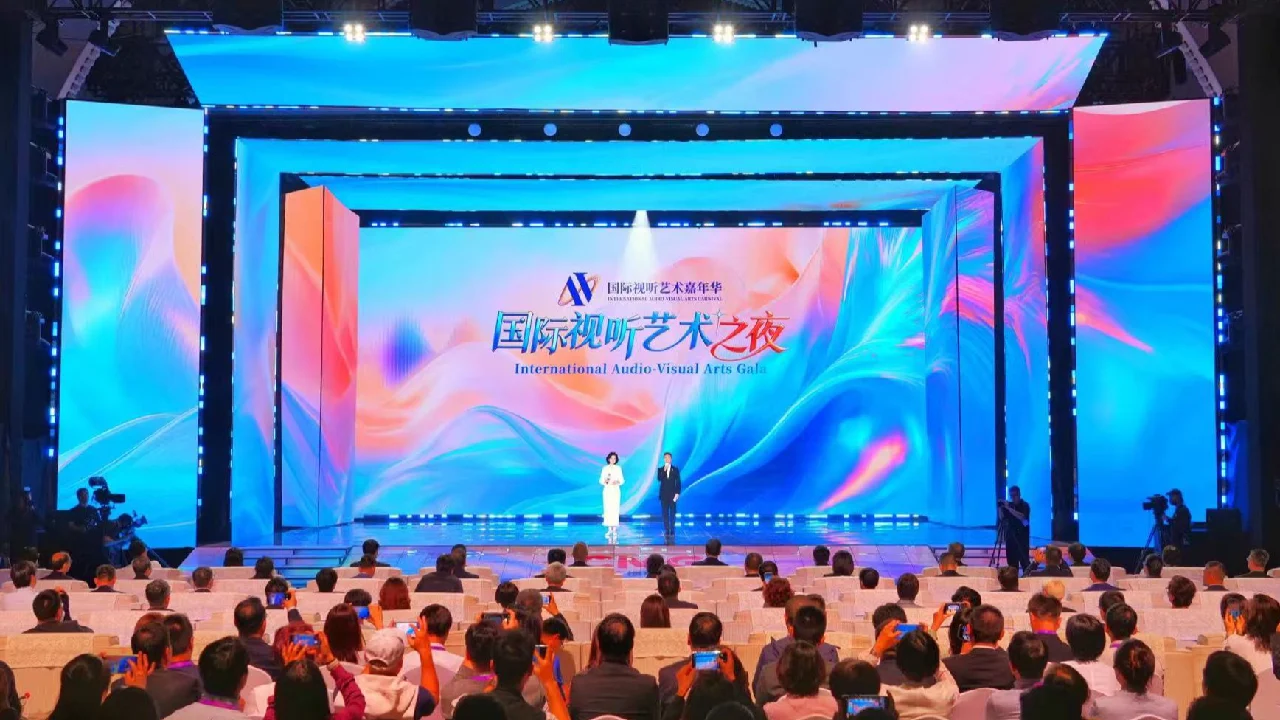
The International Audio-Visual Arts Gala in Shanghai, where CMG unveiled its AI platform, highlights the growing synergy between technology and artistic creation. Events like these serve as crucial platforms for showcasing innovation, fostering collaboration, and shaping the future of the industry. The emphasis on international cooperation and audiovisual co-creation suggests a global effort to harness AI for cultural exchange and artistic development.
Ultimately, the future of audiovisual production will likely be defined by how well we can integrate AI into creative workflows, ensuring that it serves as a tool to amplify human expression, foster global understanding, and deliver compelling stories to audiences worldwide. The journey is just beginning, and the possibilities are vast.
Conclusion
The advent of AI production platforms marks a pivotal moment for the audiovisual industry. These powerful tools are not only enhancing efficiency and scalability but also opening up new frontiers for creative expression and global communication. From generating multilingual content to assisting in animation and scriptwriting, AI is poised to democratize content creation and enable entirely new forms of media experiences. While challenges related to ethics, copyright, and the role of human creativity must be carefully navigated, the collaborative potential between AI and human talent promises a future where compelling stories can reach audiences across the globe with unprecedented ease and impact. The ongoing development and integration of these technologies will undoubtedly continue to shape the landscape of audiovisual production for years to come.


Conversation
0 Comments