

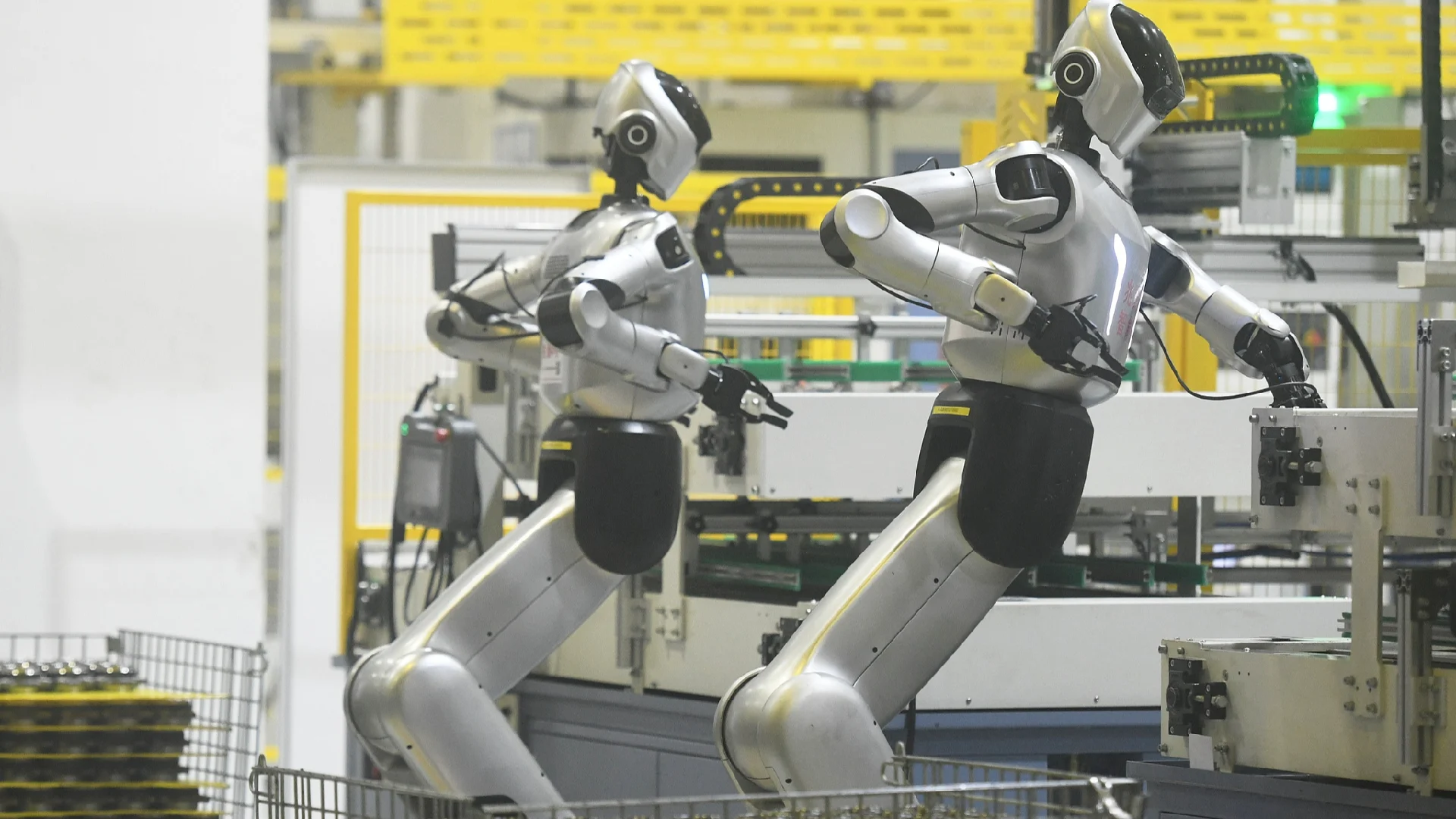
China’s Strategy for Integrating Science and Industry: A Deep Dive into Innovation
China has released a significant set of guidelines aimed at fostering a deeper connection between scientific and technological innovation and industrial development. This strategic move, detailed in a document issued by the General Office of the Communist Party of China Central Committee and the General Office of the State Council, outlines a comprehensive plan to build a modern industrial system driven by innovation. The core objective is to create a dynamic where advancements in science and technology directly fuel industrial growth, leading to the development of “new quality productive forces.” This initiative is poised to accelerate China’s self-reliance in high-level science and technology and solidify its position as a global leader in innovation.
The guidelines emphasize a shift towards an application-oriented approach for scientific and technological innovation, ensuring that research and development efforts are closely aligned with the needs of industrial progress. Simultaneously, industrial development is tasked with clearly defining its own science and technology innovation objectives. This dual focus is designed to create a mutually reinforcing cycle, where scientific breakthroughs translate into industrial advancements, and industrial demands guide future research. The document highlights six key areas for achieving this integration: seamlessly connecting innovation and industrial chains, supporting a modern industrial system with high-quality scientific and technological achievements, strengthening industry-academia-research collaboration led by enterprises, improving the allocation of innovation resources, fostering a supportive ecosystem, and expanding the scope for deeper integration.
Connecting the Innovation and Industrial Chains
A primary focus of the new guidelines is the seamless connection between the innovation chain and the industrial chain. This involves ensuring that scientific discoveries and technological advancements can be efficiently translated into practical applications that drive industrial progress. The document proposes three key measures to achieve this:
Enhancing Supply Chain Resilience Through Technological Breakthroughs
One critical aspect of connecting these chains is strengthening the self-reliance and controllability of industrial supply chains. This is to be achieved through focused efforts on making breakthroughs in key technologies. By developing domestic capabilities in critical areas, China aims to reduce its dependence on external sources and ensure the stability and security of its industrial production. This involves identifying strategic technologies where innovation is paramount and investing heavily in research and development to achieve self-sufficiency.
Cultivating Emerging Industries with Disruptive Innovation
The guidelines also emphasize the cultivation and expansion of emerging industries and future industries. This is to be driven by original and disruptive scientific and technological innovation. The aim is to identify and nurture nascent sectors that have the potential for significant growth and impact. By fostering a climate that encourages radical new ideas and technologies, China seeks to position itself at the forefront of future industrial landscapes, creating new markets and economic opportunities.
Transforming Traditional Industries with Advanced Technologies
Beyond creating new industries, the guidelines address the vital need to transform and upgrade existing traditional industries. This will be accomplished through the strategic application of advanced technologies. By integrating cutting-edge innovations into established sectors, China aims to boost efficiency, improve product quality, and enhance competitiveness. This process involves identifying suitable technologies for different industries and facilitating their adoption and integration into existing production processes.
Building a Modern Industrial System
The guidelines underscore the importance of supporting the development of a modern industrial system through the provision of high-quality scientific and technological achievements. This involves ensuring that the output of research and development is not only innovative but also practical and readily applicable to industrial needs.
Aligning Research Output with Industrial Demands
A key objective is to ensure that scientific and technological achievements are of high quality and directly relevant to the needs of industry. This requires a closer dialogue between researchers and industrial players to understand current challenges and future opportunities. The goal is to create a pipeline of innovations that can be readily absorbed and utilized by the industrial sector, leading to tangible improvements in productivity and product development.
Fostering a Circular Economy Through Innovation
The integration of science and industry is also seen as a means to foster a more sustainable and efficient industrial system. This includes promoting the development of technologies that support a circular economy, where resources are reused and waste is minimized. By embedding innovation into the very fabric of industrial production, China aims to create a more environmentally responsible and economically viable industrial model.
Strengthening Enterprise-Led Collaborative Innovation
A cornerstone of the new strategy is the emphasis on strengthening enterprise-led, industry-academia-research collaborative innovation. This approach recognizes that enterprises are often best positioned to identify market needs and drive the practical application of new technologies.
Enhancing Corporate Innovation Capabilities
The guidelines outline measures to enhance the innovation capabilities of corporations. This involves encouraging companies to invest more in research and development, foster a culture of innovation within their organizations, and develop the internal expertise needed to adopt and adapt new technologies. The aim is to empower businesses to become engines of innovation in their respective sectors.
Accelerating the Development of Sci-Tech Enterprises
The document also calls for accelerating the development of science and technology enterprises. This includes supporting startups and high-growth companies that are focused on developing and commercializing new technologies. Measures may include providing access to funding, mentorship, and supportive regulatory environments to help these companies scale and thrive.
Promoting Synergy Among Innovators
Furthermore, the strategy promotes greater synergy among various innovators, including universities, research institutions, and private companies. This involves creating platforms and mechanisms that facilitate collaboration, knowledge sharing, and joint projects. The goal is to break down silos and foster a more interconnected and collaborative innovation ecosystem where different players can work together to achieve common goals.
Improving the Allocation of Innovation Resources
Efficient allocation of innovation resources is critical for maximizing the impact of scientific and technological advancements. The guidelines propose several measures to improve this process, ensuring that investments are directed towards areas with the greatest potential for impact.
Fostering a Virtuous Cycle Among Science, Industry, and Finance
A key objective is to foster a virtuous cycle among science, industry, and finance. This means creating an environment where scientific research leads to industrial applications, which in turn attract investment from the financial sector. This financial backing can then be reinvested into further scientific research and industrial development, creating a self-sustaining cycle of growth and innovation. This requires closer coordination between these three sectors, with clear pathways for funding and commercialization.
Enhancing Coordinated Talent Development and Utilization
The guidelines also highlight the importance of coordinated talent development and utilization. This involves ensuring that the education system produces graduates with the skills needed by industry and that there are effective mechanisms for matching talent with opportunities. It also means fostering an environment where skilled professionals can contribute their expertise to both research and industrial development, promoting mobility and collaboration between academia and industry.
Building Integrated Innovation Platforms
To facilitate better resource allocation, the document calls for the construction of integrated innovation platforms. These platforms can serve as hubs for collaboration, knowledge sharing, and resource pooling. They can bring together researchers, entrepreneurs, investors, and policymakers to work on shared challenges and opportunities, accelerating the pace of innovation and ensuring that resources are used effectively.
Fostering a Sound Ecosystem for Integration
Creating a supportive ecosystem is essential for the sustained success of integrating science and technology with industry. This involves establishing policies, regulations, and cultural norms that encourage innovation and collaboration.
Creating an Enabling Policy Environment
The guidelines emphasize the need for an enabling policy environment that supports innovation and industrial upgrading. This includes providing incentives for research and development, streamlining regulatory processes, and protecting intellectual property rights. Policies should be designed to encourage risk-taking and reward successful innovation.
Promoting a Culture of Innovation and Entrepreneurship
Beyond policies, fostering a culture that values innovation and entrepreneurship is crucial. This involves encouraging creativity, promoting lifelong learning, and celebrating entrepreneurial success. A society that embraces new ideas and supports those who pursue them is more likely to achieve breakthroughs in science and industry.
Expanding the Space for Deep Integration
Finally, the guidelines aim to expand the space for deep integration between science and industry. This means identifying new areas where innovation can be applied and encouraging experimentation and exploration. It involves creating opportunities for cross-disciplinary collaboration and fostering an environment where novel approaches can be tested and developed.
The Role of Enterprises as Innovation Leaders
Central to China’s strategy is the reinforcement of the principal role of enterprises in driving innovation. This means shifting the focus from a purely government-led model to one where businesses are the primary agents of technological advancement and industrial development.
Empowering Businesses to Lead R&D Efforts
The guidelines encourage enterprises to take a more proactive role in research and development. This involves increasing their investment in R&D, establishing internal research capabilities, and collaborating with external partners to drive innovation. The aim is to ensure that R&D efforts are closely aligned with market needs and business objectives.
Accelerating the Commercialization of Technologies
Enterprises are also tasked with accelerating the commercialization of scientific and technological achievements. This involves developing effective strategies for bringing new products and services to market, identifying customer needs, and building robust business models. The focus is on translating research into tangible economic value.
Fostering Strategic Partnerships and Alliances
To enhance their innovation capacity, enterprises are encouraged to form strategic partnerships and alliances. This can involve collaborating with universities, research institutions, and other companies to share knowledge, resources, and risks. These partnerships can help accelerate the pace of innovation and broaden the reach of new technologies.
Improving Resource Allocation for Innovation
The effective allocation of innovation resources is paramount to achieving the goals outlined in the guidelines. This involves ensuring that funding, talent, and infrastructure are directed towards areas that offer the greatest potential for impact and economic growth.
Strengthening the Link Between Science, Industry, and Finance
A critical element of resource allocation is strengthening the symbiotic relationship between science, industry, and finance. This involves creating mechanisms that facilitate the flow of capital from financial institutions to promising scientific and industrial ventures. It also means ensuring that financial support is aligned with strategic innovation priorities and that there is a clear path for investors to see returns on their investments.
Enhancing Coordinated Talent Development and Deployment
The guidelines emphasize the need for coordinated efforts in developing and deploying talent. This includes aligning educational programs with the evolving needs of industry, fostering interdisciplinary training, and creating pathways for talent mobility between academia and industry. The goal is to ensure a steady supply of skilled professionals who can drive innovation across various sectors.
Building Robust Integrated Innovation Platforms
The development of robust integrated innovation platforms is seen as a key enabler for efficient resource allocation. These platforms can serve as central points for collaboration, knowledge exchange, and resource sharing. They can help to streamline the innovation process, reduce duplication of effort, and ensure that resources are used in the most effective way possible. These platforms can also facilitate access to funding, expertise, and market intelligence.
Expanding the Ecosystem for Deep Integration
The ultimate aim of these guidelines is to create a dynamic and expansive ecosystem that supports the deep and sustained integration of science and technology with industrial development. This involves fostering an environment where innovation can flourish and where its benefits can be widely realized.
Creating an Agile and Responsive Policy Framework
An agile and responsive policy framework is essential for adapting to the rapid pace of technological change. Policies should be flexible enough to accommodate new developments and provide clear guidance for innovation and investment. This includes regular review and updating of regulations to ensure they remain relevant and supportive of innovation.
Cultivating a Culture of Continuous Learning and Adaptation
A culture that embraces continuous learning and adaptation is vital in an era of rapid technological advancement. This means encouraging individuals and organizations to stay abreast of new developments, acquire new skills, and be willing to embrace change. Lifelong learning and a proactive approach to adaptation are key to navigating the evolving landscape of science and industry.
Encouraging Cross-Sectoral Collaboration and Knowledge Exchange
Expanding the space for integration also involves encouraging cross-sectoral collaboration and knowledge exchange. This means breaking down traditional silos between different industries and disciplines, fostering dialogue, and promoting the sharing of ideas and best practices. By bringing together diverse perspectives, new opportunities for innovation can emerge.
Promoting International Cooperation in Innovation
While focusing on domestic integration, the strategy also implicitly supports international cooperation in innovation. This can involve collaborating with global partners on research projects, sharing knowledge, and participating in international standards development. Such cooperation can accelerate the pace of innovation and broaden the impact of scientific and technological advancements.
Conclusion
China’s issuance of guidelines for reinforcing the integration of scientific and technological innovation with industrial innovation marks a strategic pivot towards a more innovation-driven economic model. By focusing on connecting innovation and industrial chains, strengthening enterprise-led collaboration, improving resource allocation, and fostering a supportive ecosystem, the nation aims to cultivate new quality productive forces and build a modern industrial system. This comprehensive approach underscores a commitment to accelerating high-level scientific and technological self-reliance and solidifying China’s position as a global leader in science and technology. The success of this strategy will depend on the effective implementation of these guidelines, fostering a dynamic interplay between research, development, and industrial application to drive sustainable economic growth and technological advancement.


Conversation
0 Comments