

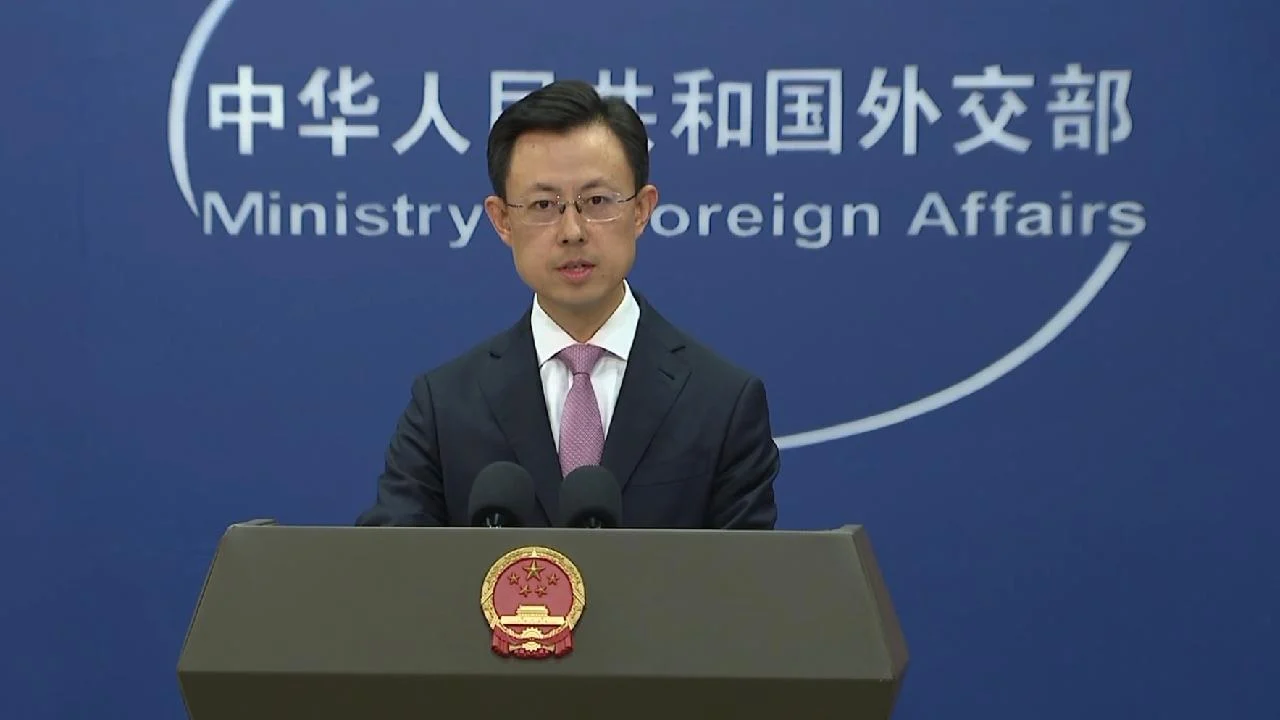
The global landscape of international relations is constantly shifting, influenced by a complex interplay of economic, political, and cultural factors. Understanding these dynamics is key to navigating the modern world. This article will explore the multifaceted nature of international relations, examining its core components, historical evolution, and the challenges and opportunities it presents. We will look at how different nations interact, the role of international organizations, and the impact of global events on our interconnected society.
Understanding the Foundations of International Relations
International relations, often abbreviated as IR, is a broad academic field that studies the interactions between states, international organizations, non-governmental organizations, and multinational corporations. It seeks to explain why states behave the way they do on the global stage, how conflicts arise, and how cooperation can be fostered. At its heart, IR is about power, security, economics, and the pursuit of national interests within a global system that lacks a single, overarching authority.
The State as the Primary Actor
For much of history, the state has been considered the principal actor in international relations. States are sovereign entities, meaning they have supreme authority within their own territories and are recognized as independent by other states. This sovereignty allows them to make their own laws, manage their economies, and conduct foreign policy without external interference. The concept of the nation-state, where a state’s boundaries align with a distinct cultural or ethnic group, has been a powerful force in shaping the modern world order. However, the rise of non-state actors has challenged the traditional dominance of states.
The Role of Non-State Actors
In contemporary international relations, non-state actors play an increasingly significant role. These include:
- International Organizations (IOs): Bodies like the United Nations (UN), the World Trade Organization (WTO), and the International Monetary Fund (IMF) provide platforms for states to cooperate on issues ranging from peace and security to trade and finance. They set norms, facilitate dialogue, and sometimes enforce international law.
- Non-Governmental Organizations (NGOs): Groups such as Amnesty International, the Red Cross, and Greenpeace operate across borders, advocating for human rights, humanitarian aid, and environmental protection. They can influence public opinion and pressure governments to act.
- Multinational Corporations (MNCs): Large companies with operations in multiple countries wield considerable economic power. Their investment decisions, labor practices, and environmental impact can have profound effects on the global economy and the well-being of populations.
- Transnational Terrorist Groups: Organizations that operate beyond national borders pose significant security challenges, engaging in activities that destabilize regions and threaten international peace.
Key Concepts in International Relations
Several core concepts help us understand the dynamics of international relations:
- Sovereignty: As mentioned, this is the principle of supreme authority within a territory. It is a cornerstone of the modern state system.
- National Interest: This refers to the goals and objectives that a state pursues in its foreign policy. These can include economic prosperity, national security, and ideological promotion.
- Balance of Power: This concept describes a situation where military capabilities are distributed among states in such a way that no single state is strong enough to dominate others. Historically, states have sought to maintain a balance of power to prevent aggression.
- International Law: This is a body of rules, norms, and standards generally accepted in relations between nations. It governs areas such as diplomacy, trade, and the conduct of war.
- Diplomacy: This is the art and practice of conducting negotiations between representatives of states or groups. It is a primary tool for managing international relations and resolving disputes peacefully.
Historical Evolution of International Relations
The study and practice of international relations have evolved significantly over centuries, shaped by major historical events and changing philosophical ideas.
Early Theories and Practices
Ancient civilizations engaged in diplomacy and warfare, laying some of the groundwork for later developments. However, the modern international system is often traced back to the Peace of Westphalia in 1648. This series of treaties ended the Thirty Years’ War in Europe and established the principle of state sovereignty, recognizing the right of rulers to govern their territories without external interference. This marked a shift from a religiously dominated order to one based on secular states.
The Rise of Realism and Idealism
In the 20th century, two dominant theoretical perspectives emerged:
- Realism: This perspective emphasizes the competitive nature of international politics, viewing states as self-interested actors primarily concerned with power and security. Realists believe that international cooperation is difficult and often temporary, as states will always prioritize their own survival and advantage. Key thinkers include Niccolò Machiavelli, Thomas Hobbes, Hans Morgenthau, and Kenneth Waltz.
- Idealism (or Liberalism): In contrast, idealism highlights the potential for cooperation and progress in international relations. Idealists believe that international institutions, democracy, and economic interdependence can mitigate conflict and foster peace. They emphasize shared values and the possibility of creating a more just and orderly world. Key figures include Immanuel Kant, Woodrow Wilson, and Robert Keohane.
The Impact of World Wars and the Cold War
The devastating experience of World War I led to a surge in idealist thought, with the establishment of the League of Nations aimed at preventing future conflicts through collective security. However, the failure of the League and the outbreak of World War II led to a resurgence of realism. The post-war era was dominated by the Cold War, a period of geopolitical tension between the United States and the Soviet Union and their respective allies. This bipolar system shaped global politics for decades, influencing alliances, proxy wars, and the nuclear arms race.
Post-Cold War Era and Globalization
The collapse of the Soviet Union in 1991 ushered in a new era, often characterized by American unipolarity and the acceleration of globalization. Increased interconnectedness through trade, technology, and communication has blurred traditional borders and created new challenges and opportunities. The rise of new global powers, the resurgence of nationalism, and the growing impact of non-state actors have further complicated the international landscape.
Contemporary Challenges and Opportunities in International Relations
The world today faces a complex array of challenges that require coordinated international responses, alongside new opportunities for collaboration and progress.
Global Security Threats
Security remains a paramount concern in international relations. Beyond traditional interstate conflict, new threats have emerged:
- Terrorism: Transnational terrorist networks continue to pose a significant threat, requiring international cooperation in intelligence sharing, law enforcement, and counter-terrorism efforts.
- Cybersecurity: The increasing reliance on digital infrastructure makes states and organizations vulnerable to cyberattacks, which can disrupt economies, compromise sensitive data, and even threaten national security.
- Weapons Proliferation: The spread of nuclear, chemical, and biological weapons remains a grave concern, necessitating robust arms control treaties and verification mechanisms.
- Organized Crime: Transnational criminal organizations engage in activities such as drug trafficking, human trafficking, and money laundering, undermining state authority and fueling corruption.
Economic Interdependence and Inequality
Globalization has led to unprecedented levels of economic interdependence, with supply chains spanning the globe and financial markets closely linked. This interdependence offers opportunities for growth and prosperity but also creates vulnerabilities.
- Trade Disputes: Protectionist policies and trade wars can disrupt global commerce and harm economies. Navigating these disputes requires careful diplomacy and adherence to international trade rules.
- Financial Crises: The interconnectedness of global financial systems means that a crisis in one region can quickly spread worldwide, as seen in the 2008 financial crisis.
- Economic Inequality: While globalization has lifted millions out of poverty, significant economic disparities persist both within and between countries. Addressing this inequality is a major challenge for international development efforts.
Environmental Challenges
Climate change, pollution, and resource depletion are pressing global issues that transcend national borders. Addressing these requires unprecedented international cooperation.
- Climate Change: The Paris Agreement and subsequent efforts aim to limit global warming, but achieving these goals requires significant commitments from all nations to reduce greenhouse gas emissions and adapt to changing climate conditions.
- Resource Management: Competition for scarce resources like water and energy can lead to tensions between states. Sustainable management and equitable distribution are crucial for global stability.
- Biodiversity Loss: The decline in plant and animal species threatens ecosystems and human well-being, necessitating international conservation efforts.
The Role of International Cooperation and Diplomacy
Despite the challenges, international cooperation and diplomacy remain essential tools for managing global affairs.
- Multilateralism: Working through international organizations like the UN allows states to address shared problems collectively. These forums provide platforms for negotiation, norm-setting, and joint action.
- Soft Power: The ability of a country to influence others through attraction and persuasion, rather than coercion, is increasingly important. Cultural exchange, educational programs, and humanitarian aid can build goodwill and foster positive relationships.
- Conflict Resolution: Diplomacy and negotiation are vital for preventing and resolving conflicts peacefully. Mediation, arbitration, and peacebuilding efforts are critical components of international security.
Navigating the Future of International Relations
The field of international relations is dynamic and ever-changing. As new technologies emerge and global power structures shift, the ways in which states and other actors interact will continue to evolve.
Emerging Powers and Shifting Geopolitics
The rise of new economic and political powers, particularly in Asia, is reshaping the global order. This shift presents both opportunities for a more multipolar world and potential for increased competition and friction. Understanding the aspirations and strategies of these emerging powers is crucial for maintaining global stability.
The Impact of Technology
Technological advancements, from artificial intelligence to biotechnology, have profound implications for international relations. They can create new avenues for cooperation, such as in scientific research, but also pose new risks, such as autonomous weapons systems or sophisticated disinformation campaigns. Managing the ethical and security implications of these technologies will be a key challenge.
The Importance of Global Governance
As global challenges become more complex, the need for effective global governance structures becomes more apparent. This involves not only strengthening existing international institutions but also exploring new models of cooperation that can address issues like pandemics, cyber threats, and climate change more effectively.
Cultural Diplomacy and Understanding
In an increasingly interconnected world, fostering mutual understanding and respect between different cultures is more important than ever. Cultural diplomacy, which involves exchanges of ideas, art, and people, can help build bridges and reduce misunderstandings that can lead to conflict. The recent incident involving a Japanese toy company and its collaboration with a spy drama, which faced backlash on Chinese social media, highlights how cultural products can become entangled in geopolitical sensitivities. Such instances underscore the need for greater awareness and sensitivity in cross-cultural interactions and media representation. It is important for all nations and cultural producers to be mindful of how their creations might be perceived and to avoid perpetuating harmful stereotypes or misinformation. Vigilance against those who seek to spread negative sentiment through cultural means is essential for maintaining healthy international relations.
The study of international relations is not merely an academic pursuit; it is a vital endeavor for understanding the forces that shape our world and for working towards a more peaceful, prosperous, and sustainable future. By examining the historical context, theoretical frameworks, and contemporary challenges, we can better equip ourselves to navigate the complexities of global interactions.
Conclusion
International relations is a vast and intricate field that governs how countries and other global actors interact. From the foundational principles of sovereignty and national interest to the complex web of economic interdependence and environmental challenges, understanding these dynamics is essential. The historical evolution of IR, marked by major wars and the rise and fall of global powers, continues to inform present-day interactions. As we look to the future, emerging powers, technological advancements, and the persistent need for effective global governance will undoubtedly shape the international landscape. Fostering diplomacy, promoting cultural understanding, and addressing shared global threats collaboratively are paramount for navigating the complexities of our interconnected world and striving for a more stable and cooperative global order.


Conversation
0 Comments