

Beyond Protected Areas: How Diverse Stakeholders Conserve Biodiversity
Conserving Earth’s rich biodiversity is a global challenge that requires more than just traditional protected areas. While national parks and reserves are vital, a growing understanding shows that effective conservation also depends on the active participation of a wide range of stakeholders. This includes local communities, researchers, businesses, and government agencies working together. China’s approach to biodiversity conservation is increasingly demonstrating this collaborative model, highlighting how these diverse groups can complement each other’s efforts to safeguard natural habitats and species, even outside formal protected zones.
This article explores how these varied stakeholders contribute to biodiversity conservation, examining successful examples and the principles behind these collaborative strategies. It will also touch upon the international framework that supports these broader conservation measures.
The Expanding Role of Conservation Efforts
For a long time, the primary strategy for protecting wildlife and natural landscapes involved establishing designated protected areas. These areas, like national parks and wildlife refuges, are set aside with specific regulations to preserve ecosystems. However, many species and habitats exist beyond these boundaries, making it difficult to ensure their long-term survival solely through this method.
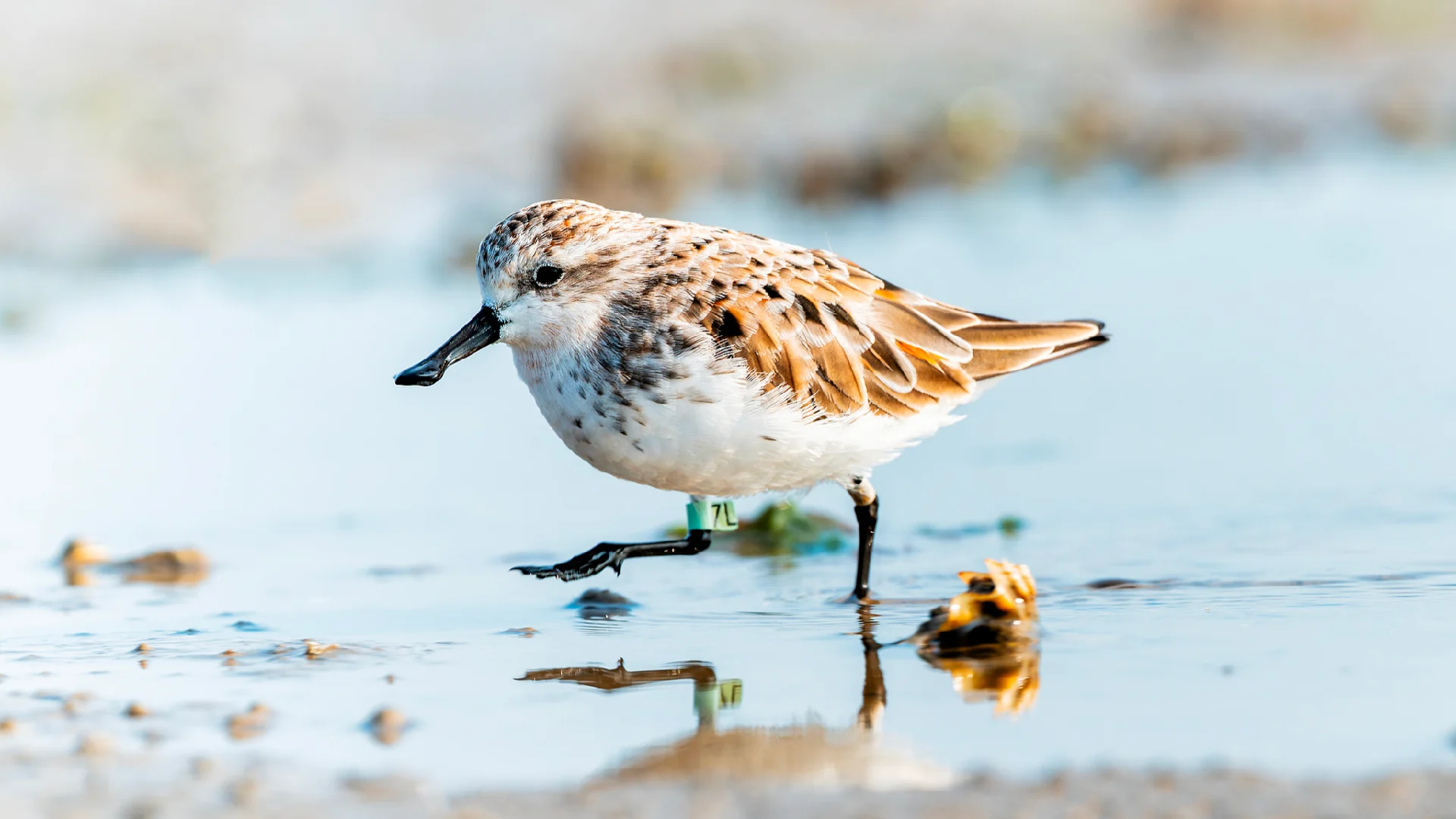
A critical realization has emerged: conservation cannot be confined to parks. Many species migrate through or live in areas that are not officially protected. For instance, the critically endangered spoon-billed sandpiper relies on coastal wetlands for wintering, but only a small fraction of these crucial habitats are within protected areas. This reality necessitates a broader approach, one that involves a wider array of actors and recognizes that conservation can and must happen everywhere.
This shift in thinking is leading to the exploration of “Other Effective Area-based Conservation Measures” (OECMs). These are areas managed in a way that achieves specific conservation outcomes for biodiversity, even if their primary purpose isn’t solely conservation. This concept is gaining international recognition, particularly within frameworks like the Kunming-Montreal Global Biodiversity Framework, which aims to significantly increase the coverage of protected areas and OECMs globally.
Case Study: Weitou Bay Wetland and Spoon-Billed Sandpiper Conservation
A compelling example of successful conservation beyond protected areas can be found at Weitou Bay Wetland in Quanzhou, Fujian Province, China. This coastal wetland, which is not a designated protected area, has become a vital wintering ground for the spoon-billed sandpiper, a species facing critical endangerment. In recent years, over 1% of the estimated global population of these birds has been recorded wintering here.
The spoon-billed sandpiper undertakes a remarkable migration, traveling thousands of kilometers from its breeding grounds in Russia’s Far East to wintering sites along the East Asian-Australasian Flyway. These coastal stopovers are essential for its survival. However, research indicates that a significant portion of the suitable intertidal habitats required by this species lies outside of established protected areas. This highlights the urgent need to expand conservation strategies beyond the current protected area network.
Recognizing this, the Mangrove Conservation Foundation (MCF), in partnership with Beijing Forestry University, launched a dedicated conservation project for the spoon-billed sandpiper in 2018. Through extensive surveys conducted across southern China from 2019 to 2026, the project identified numerous additional wintering sites. Many of these important locations were found outside existing protected zones, further emphasizing the importance of a more inclusive conservation approach.
At Weitou Bay Wetland, the conservation efforts have historically been driven by dedicated local bird-watching volunteers. Their passion and commitment laid the groundwork for more organized action. In March 2025, the MCF formalized these efforts by partnering with local bird-watching groups and government departments to establish a dedicated conservation station. This station serves as a hub to better coordinate protection activities.
The collaboration has yielded significant results. Bird-watching groups now conduct regular monitoring and patrols of the wetland, providing valuable data on bird populations and habitat conditions. Local prosecutors have also become involved, contributing to habitat protection through public-interest litigation, which helps enforce environmental laws and deter harmful activities. Furthermore, local villagers are actively participating by forming their own patrol teams, demonstrating a strong sense of community ownership over the conservation of their local environment. This multi-stakeholder approach at Weitou Bay Wetland shows how dedicated individuals, NGOs, academic institutions, and government bodies can work together effectively to protect vulnerable species and their habitats.
Community-Led Conservation: Protecting Horseshoe Crabs
Another inspiring example of community involvement in conservation comes from Sanniang Bay in Qinzhou, Guangxi Zhuang Autonomous Region, in southern China. Here, fishermen in a community located outside a nature reserve are playing a crucial role in protecting horseshoe crabs. These ancient marine arthropods are often accidentally caught in fishing nets, posing a threat to their populations.
With support from various conservation networks, local residents established a rescue and release group in 2021. This group is dedicated to safely returning any accidentally caught horseshoe crabs back to the sea. This initiative is a direct response to the community’s growing awareness of the importance of these creatures and their role in the marine ecosystem.
Initial surveys by scientists and the conservation team revealed that Sanniang Bay serves as a habitat for adult and subadult horseshoe crabs. However, the spawning grounds and crucial juvenile habitats were found to be located further east, near the Dafeng River estuary. This discovery underscored the need to extend conservation efforts beyond the immediate vicinity of Sanniang Bay, highlighting the interconnectedness of marine ecosystems and the importance of a broader conservation vision.
The involvement of fishermen is particularly significant. They are on the front lines of the marine environment and possess invaluable knowledge about local conditions and species. By engaging them in conservation activities, such as rescue and release programs, their traditional practices can be adapted to support, rather than harm, vulnerable populations. This approach not only aids in species protection but also fosters a sense of stewardship and responsibility within the fishing community, ensuring the long-term sustainability of their livelihoods and the marine environment. The success of this program demonstrates that when local communities are empowered and involved, they can become powerful agents of conservation.
Urban Biodiversity: Green Spaces and Ecological Restoration
Biodiversity conservation is not limited to remote natural areas; it is also extending into urban environments. Cities, often seen as concrete jungles, can and do harbor significant biodiversity. Initiatives within urban settings are proving that even in developed areas, ecological restoration and thoughtful land management can support wildlife.
An example of this is the Nanjing Hongshan Forest Zoo in Nanjing, east China’s Jiangsu Province. This zoo has become a surprising haven for native wildlife. According to Wei Ye, the zoo’s director of sustainability, nearly 700 species of native wildlife, including around 130 different bird species, have been recorded within its grounds. This highlights the potential for urban green spaces to act as important refuges for biodiversity.
The zoo has undertaken significant ecological restoration projects. One notable project involved an artificial lake that was once lined with hardened banks. Through ecological restoration, the shorelines have been made more natural, improving the connection between the water body and the surrounding vegetation. This transformation has created a more hospitable environment for various species. The positive impact of these efforts is evident, with reports of Chinese water deer giving birth near the restored lake within the zoo this year. This indicates that the improved habitat is not only attracting wildlife but also supporting successful breeding.
These urban conservation efforts demonstrate that integrating nature into city planning and management can yield substantial benefits. Zoos, botanical gardens, urban parks, and even green roofs and walls can all contribute to maintaining and enhancing biodiversity within urban landscapes. By creating more natural habitats, improving water quality, and reducing pollution, cities can become more supportive of both wildlife and human well-being. The success at Nanjing Hongshan Forest Zoo serves as a model for other urban areas looking to enhance their ecological value and provide safe havens for native species.
Other Effective Area-based Conservation Measures (OECMs)
The examples from Weitou Bay Wetland, Sanniang Bay, and Nanjing Hongshan Forest Zoo illustrate China’s commitment to exploring and implementing “Other Effective Area-based Conservation Measures” (OECMs). These measures are crucial because they recognize and support conservation efforts that occur outside of traditional, strictly protected areas. OECMs are defined as a geographically defined area, other than a protected area, which is governed and managed in ways that achieve positive and sustained outcomes for the in situ conservation of biodiversity.
The concept of OECMs is gaining international prominence and is a key component of global biodiversity targets. Specifically, Target 3 of the 2022 Kunming-Montreal Global Biodiversity Framework aims to effectively conserve at least 30% of the world’s land, inland waters, coastal, and marine areas by 2030. This ambitious goal acknowledges that achieving such widespread conservation coverage cannot be accomplished through protected areas alone. OECMs are therefore essential for filling the gaps and expanding the reach of conservation efforts.
Madhu Rao, chair of the International Union for Conservation of Nature (IUCN) World Commission on Protected Areas, has emphasized the importance of OECMs. She stated that the 30% conservation target could not be achieved through protected areas alone. One of the significant advantages of OECMs, according to Rao, is their ability to recognize and validate the stewardship of nature by non-state actors. This is particularly relevant in contexts like China, where local communities, NGOs, and businesses are actively involved in conservation, often managing areas with significant biodiversity value without them being formally designated as protected areas.
The framework of OECMs provides a mechanism to acknowledge and support these diverse conservation initiatives. It allows for the recognition of areas managed by indigenous peoples and local communities, private landowners, and various organizations, as long as they demonstrate effective biodiversity conservation outcomes. This inclusive approach is vital for a holistic conservation strategy, ensuring that a wider range of landscapes and ecosystems are managed for the benefit of biodiversity. By embracing OECMs, countries can broaden their conservation footprint and foster a more collaborative and effective approach to protecting the planet’s natural heritage.
The Power of Collaboration: A Multi-Stakeholder Approach
The success of biodiversity conservation in China, as seen in the examples discussed, hinges on a multi-stakeholder approach. This means bringing together various groups, each with their own expertise, resources, and perspectives, to work towards a common goal. This collaborative model is proving to be more effective than isolated efforts.
Local communities are often the first stewards of the land and water. Their traditional knowledge, daily practices, and vested interest in their local environment make them indispensable partners. In Sanniang Bay, fishermen’s willingness to participate in horseshoe crab rescue highlights how local populations can adapt their activities to support conservation. Their involvement ensures that conservation efforts are practical, culturally sensitive, and sustainable in the long term.
Researchers and academic institutions provide the scientific foundation for conservation. They conduct surveys, monitor populations, assess habitat health, and identify conservation priorities. The work of Beijing Forestry University in supporting the spoon-billed sandpiper project is a prime example of how scientific expertise can guide and inform practical conservation actions. Their research helps to understand species’ needs and the effectiveness of different conservation strategies.
Non-governmental organizations (NGOs) and foundations often act as crucial bridges between communities, researchers, and government bodies. They can mobilize resources, facilitate partnerships, and implement conservation projects on the ground. The Mangrove Conservation Foundation (MCF) has played a pivotal role in coordinating efforts at Weitou Bay Wetland, bringing together volunteers, scientists, and authorities. Their ability to organize, fund, and advocate for conservation is vital.
Government agencies are essential for providing policy frameworks, regulatory support, and sometimes, funding. Their role in establishing protected areas, enforcing environmental laws, and supporting initiatives like OECMs is critical. In the Weitou Bay Wetland case, local prosecutors’ involvement through public-interest litigation demonstrates how the legal system can be a powerful tool for habitat protection. Government support can also help scale up successful local initiatives to a regional or national level.
Businesses, too, can play a role. While sometimes seen as contributors to environmental problems, responsible businesses can invest in conservation, adopt sustainable practices, and support biodiversity initiatives. Their resources and influence can be significant in driving positive change.
The thematic event “Multi-Stakeholder Strategies and Actions for Biodiversity Conservation,” held at the China Pavilion during the 17th meeting of the Conference of the Parties to the Convention on Biological Diversity (COP17), underscored the global recognition of this collaborative approach. Organized by the All-China Environment Federation and the China Environmental Protection Foundation, the event showcased how diverse stakeholders can work together effectively. This integrated approach ensures that conservation efforts are more robust, adaptable, and ultimately, more successful in protecting the planet’s biodiversity.
Challenges and Opportunities Ahead
While the progress in China and elsewhere is encouraging, challenges remain in implementing and scaling up these multi-stakeholder conservation efforts. Ensuring equitable benefit sharing for local communities, securing long-term funding for conservation projects, and effectively coordinating the diverse interests of various stakeholders are ongoing tasks.
One of the primary challenges is the potential for conflict between different interests. For example, economic development activities might clash with conservation goals. Effective communication, transparent decision-making processes, and strong governance structures are necessary to navigate these conflicts and find solutions that balance human needs with ecological preservation.
Another challenge is the need for continuous monitoring and adaptation. Ecosystems are dynamic, and conservation strategies must be flexible enough to respond to changing environmental conditions, new scientific findings, and evolving societal needs. Regular evaluation of conservation outcomes and adjustments to strategies are essential for long-term success.
However, these challenges also present opportunities. The growing recognition of OECMs and the multi-stakeholder approach opens up new avenues for conservation funding and partnerships. Innovative financing mechanisms, such as payments for ecosystem services and green bonds, can provide sustainable financial support for conservation initiatives. Furthermore, the increasing global awareness of the biodiversity crisis can foster greater political will and public support for conservation actions.
The integration of technology, such as remote sensing, artificial intelligence, and citizen science platforms, offers new tools for monitoring biodiversity, assessing habitat health, and engaging the public in conservation efforts. These technological advancements can enhance the efficiency and effectiveness of conservation programs.
Ultimately, the future of biodiversity conservation depends on our ability to foster collaboration, embrace innovative approaches, and recognize that protecting nature is a shared responsibility. By working together, diverse stakeholders can create a more resilient and biodiverse planet for future generations. The examples from China provide a hopeful glimpse into what can be achieved when we move beyond traditional boundaries and embrace a truly inclusive approach to conservation.
Conclusion
The conservation of biodiversity is a complex and multifaceted endeavor that extends far beyond the boundaries of traditional protected areas. As demonstrated by initiatives in China, a collaborative approach involving a diverse array of stakeholders is proving to be exceptionally effective. Local communities, researchers, non-governmental organizations, and government agencies, each bringing unique strengths and perspectives, are working together to safeguard natural habitats and species.
The success stories from Weitou Bay Wetland, Sanniang Bay, and urban green spaces highlight the power of this integrated strategy. By recognizing and supporting “Other Effective Area-based Conservation Measures” (OECMs), conservation efforts can be expanded to encompass a wider range of landscapes and ecosystems. This inclusive model not only enhances the effectiveness of conservation but also empowers local populations and fosters a deeper sense of stewardship for the natural world. As the global community strives to meet ambitious biodiversity targets, the lessons learned from these collaborative efforts offer a promising path forward, emphasizing that shared responsibility and collective action are key to preserving our planet’s invaluable biodiversity.



Conversation
0 Comments