

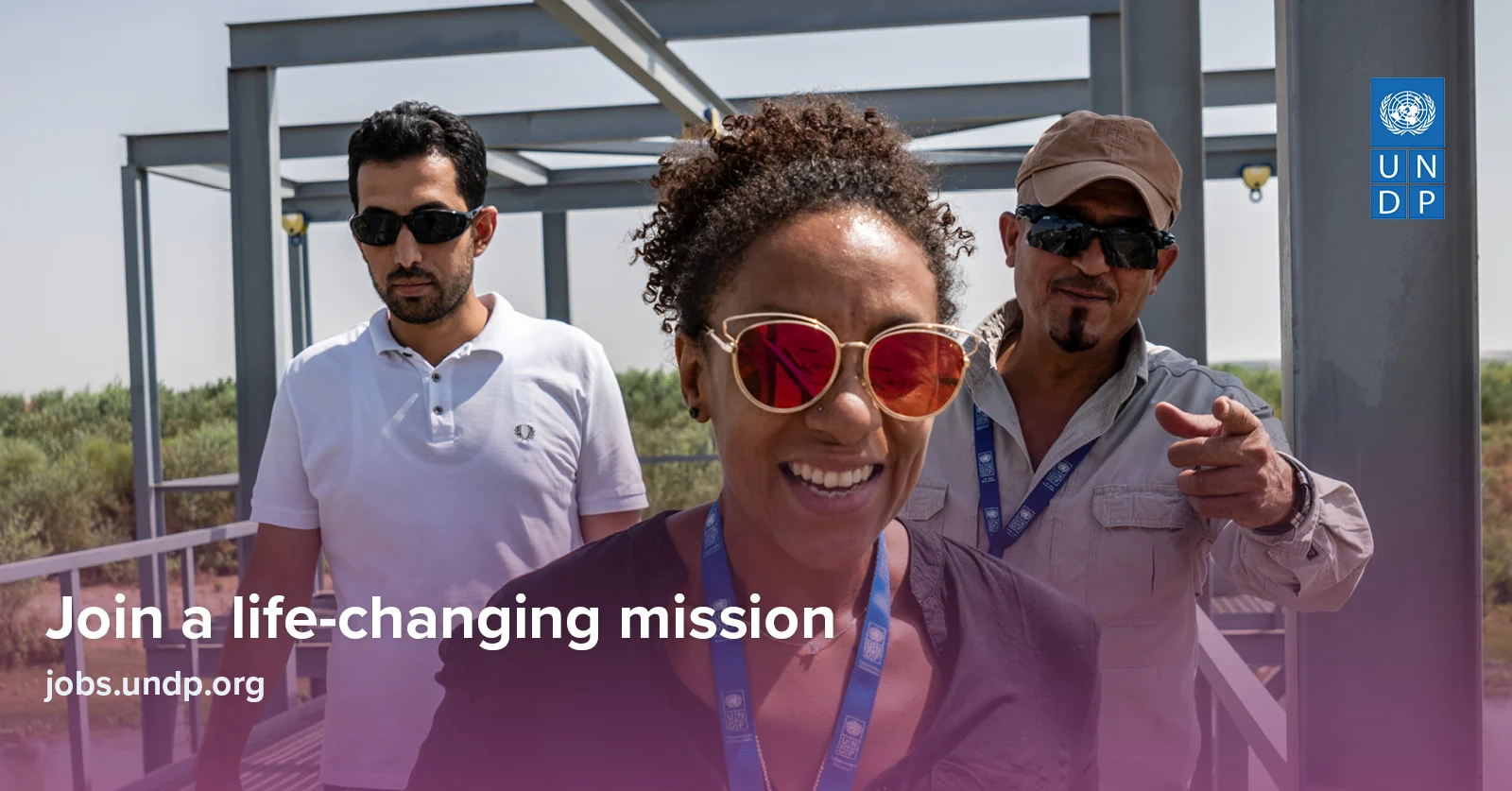
The world of international development is vast and complex, driven by a multitude of organizations working towards a common goal: to improve lives and foster sustainable progress across the globe. These organizations, ranging from governmental bodies to non-governmental agencies and intergovernmental coalitions, employ diverse strategies and focus on a wide array of issues, from poverty reduction and healthcare access to environmental protection and human rights. Understanding the landscape of these development organizations is key to grasping how global challenges are being addressed and where future efforts might be directed. This analysis will explore the structure, functions, and impact of key players in the international development sector, offering insights into their operational frameworks and their contributions to a more equitable world.
Understanding the Landscape of International Development Organizations
International development organizations form the backbone of global efforts to address multifaceted challenges. They operate on various scales, from local community initiatives to worldwide campaigns, all aimed at improving socioeconomic conditions, promoting human rights, and ensuring environmental sustainability. These entities are crucial for mobilizing resources, sharing expertise, and implementing programs that can bring about lasting positive change. Their work often involves collaboration with national governments, local communities, and other international bodies to achieve shared objectives.
The structure of these organizations can vary significantly. Some are intergovernmental, meaning they are established by treaties between sovereign states, such as the United Nations and its various agencies. Others are non-governmental organizations (NGOs), which are independent of government control and often focus on specific issues or regions. Philanthropic foundations also play a significant role, providing funding and strategic direction for development projects. Each type of organization brings its own strengths and approaches to the complex field of development.
Key Players in Global Development
The international development sector is populated by a diverse array of organizations, each with its unique mandate, operational scope, and funding mechanisms. Understanding these key players is essential for appreciating the breadth and depth of global development efforts.
Intergovernmental Organizations (IGOs)
Intergovernmental organizations are formed by agreements between sovereign nations. They often serve as platforms for international cooperation, policy coordination, and the implementation of global initiatives. Their mandates are typically broad, covering areas such as economic development, peace and security, health, and environmental protection.
The United Nations (UN)
The United Nations is perhaps the most prominent intergovernmental organization, with a mission to maintain international peace and security, develop friendly relations among nations, achieve international cooperation, and serve as a center for harmonizing the actions of nations. Within the UN system, numerous specialized agencies and programs are dedicated to specific development areas.
-
United Nations Development Programme (UNDP): The UNDP is the UN’s global development network, advocating for change and connecting countries to knowledge, experience, and resources to help people build a better life. It works in approximately 170 countries and territories, helping them to eradicate poverty, reduce inequalities, and build resilience to crises. The UNDP focuses on areas such as democratic governance, poverty reduction, crisis prevention and recovery, environment and energy, and HIV/AIDS. Its approach is often centered on empowering local communities and strengthening national capacities. You can learn more about their work at https://www.undp.org/.
-
World Health Organization (WHO): The WHO is a specialized agency of the UN responsible for international public health. Its primary role is to direct and coordinate international health within the UN system. The WHO works to ensure that all people attain the highest possible level of health. This includes setting global health standards, providing technical assistance to countries, monitoring health trends, and responding to health emergencies. Their work is critical for addressing global health disparities and improving health outcomes worldwide. Visit them at https://www.who.int/.
-
United Nations Children’s Fund (UNICEF): UNICEF works in over 190 countries and territories to save children’s lives, defend their rights, and help them fulfill their potential, from early childhood through adolescence. UNICEF’s work is guided by the Convention on the Rights of the Child and focuses on areas such as child survival and development, basic education and gender equality, child protection, and HIV/AIDS. They are a vital advocate for children’s rights and well-being globally. Discover more at https://www.unicef.org/.
-
Food and Agriculture Organization of the UN (FAO): The FAO is a specialized agency of the UN that leads international efforts to defeat hunger. It helps countries reform their agriculture, improve nutrition, increase rural livelihoods, and enable sustainable development. The FAO works to ensure that people have regular access to enough high-quality food to lead active, healthy lives. Their focus on food security and sustainable agriculture is fundamental to global development. Explore their initiatives at https://www.fao.org/.
The World Bank Group
The World Bank Group is a vital source of financial and technical assistance to developing countries around the world. It is composed of five institutions, each with its own role and focus, but all united by a common purpose: to reduce poverty and improve the quality of life for people worldwide.
-
International Bank for Reconstruction and Development (IBRD): The IBRD provides loans and grants to middle-income and creditworthy low-income countries for public and private sector projects that reduce poverty and improve living standards. It raises most of its funds by borrowing on international capital markets.
-
International Development Association (IDA): IDA provides interest-free loans (called grants) to the world’s poorest countries. IDA is one of the largest sources of assistance for the 76 poorest countries in the world, 39 of which are in Africa. IDA resources are used for investments in education, health, infrastructure, and other areas that can improve living conditions and create economic opportunities.
The World Bank Group’s overarching goal is to achieve sustainable poverty reduction and shared prosperity. They provide financing, policy advice, and technical assistance to governments, and they also work with the private sector through the International Finance Corporation (IFC) and the Multilateral Investment Guarantee Agency (MIGA). Their website is https://www.worldbank.org/.
International Monetary Fund (IMF)
While not strictly a development organization in the same vein as the World Bank, the IMF plays a crucial role in the global economic system, which directly impacts development. The IMF’s mandate is to foster global monetary cooperation, secure financial stability, facilitate international trade, promote high employment and sustainable economic growth, and reduce poverty around the world. It provides policy advice and financing to member countries experiencing balance of payments problems. Its work is essential for maintaining economic stability, which is a prerequisite for development. Find out more at https://www.imf.org/.
Non-Governmental Organizations (NGOs)
NGOs are a diverse group of private, non-profit organizations that operate independently of government control. They often focus on specific issues, such as human rights, environmental conservation, disaster relief, or healthcare, and work at local, national, and international levels. NGOs are known for their flexibility, their ability to reach marginalized communities, and their advocacy efforts.
-
Oxfam International: Oxfam is a global movement of people working together to end the injustice of poverty. They are a confederation of 21 independent organizations working in more than 65 countries. Oxfam focuses on issues such as poverty, inequality, climate change, and humanitarian crises. They work through long-term development programs, advocacy, and emergency relief. Their work often involves empowering local communities and campaigning for systemic change. Learn more at https://www.oxfam.org/.
-
Médecins Sans Frontières (MSF) / Doctors Without Borders: MSF is an international humanitarian medical non-governmental organization best known for its work in conflict zones and countries affected by endemic diseases. MSF provides medical assistance to people affected by conflict, epidemics, disasters, or exclusion from healthcare. Their teams are often the first to arrive in emergencies, providing life-saving care. Their independence and neutrality allow them to operate in challenging environments. Visit them at https://www.doctorswithoutborders.org/.
-
Save the Children: Save the Children is a global organization that works to ensure children grow up to have the best start in life, the opportunity to learn, and protection from harm. They work in over 100 countries, delivering programs in child survival, health and nutrition, education, and child protection. Save the Children is a leading advocate for children’s rights and works to influence policy and practice to benefit children worldwide. Their website is https://www.savethechildren.org/.
-
Greenpeace: Greenpeace is an independent global campaigning organization that uses non-violent direct action to expose global environmental problems and to force solutions. They focus on issues such as climate change, deforestation, overfishing, and toxic waste. Greenpeace is known for its bold campaigns and its commitment to protecting the planet. Their work often involves raising public awareness and pressuring corporations and governments to adopt more sustainable practices. Find out more at https://www.greenpeace.org/.
Bilateral Development Agencies
Bilateral development agencies are government agencies responsible for administering foreign aid and development assistance from one country to another. They represent the official development cooperation efforts of individual nations.
-
United States Agency for International Development (USAID): USAID is the lead U.S. Government agency that provides and manages development and humanitarian assistance abroad. USAID works to end extreme poverty and promote democratic, resilient, and prosperous societies. They partner with governments, the private sector, and civil society organizations to address development challenges in areas such as health, education, economic growth, and democracy and governance. Their work is a significant component of U.S. foreign policy. Learn more at https://www.usaid.gov/.
-
UK’s Foreign, Commonwealth & Development Office (FCDO): The FCDO leads on the UK’s international development policy and work. It aims to end extreme poverty, build resilience, and tackle global challenges. The FCDO works through a variety of channels, including bilateral aid programs, contributions to multilateral organizations, and partnerships with NGOs and the private sector. Their focus is on promoting sustainable development and improving the lives of people in developing countries. Visit them at https://www.gov.uk/government/organisations/foreign-commonwealth-development-office.
-
Global Affairs Canada (GAC): GAC is responsible for managing Canada’s international development assistance program. The program aims to reduce poverty and inequality, promote democracy and human rights, and support sustainable economic growth in developing countries. GAC works with a range of partners, including developing country governments, multilateral organizations, and Canadian and international civil society organizations. Their work contributes to Canada’s foreign policy objectives and its commitment to global development. Find out more at https://www.canada.ca/en/global-affairs.html.
Foundations and Philanthropic Organizations
Private foundations and philanthropic organizations play a crucial role in funding and shaping development initiatives. They often focus on specific areas of interest and can be highly innovative in their approach.
-
The Bill & Melinda Gates Foundation: The Bill & Melinda Gates Foundation is a private foundation with the mission to help all people lead healthy, productive lives. The foundation’s major focus areas are global health and global development, as well as the U.S. education program. In global development, the foundation aims to help lift people out of poverty and hunger, particularly in sub-Saharan Africa and South Asia. They invest heavily in research and innovation to find solutions to complex development challenges. Their website is https://www.gatesfoundation.org/.
-
The Rockefeller Foundation: The Rockefeller Foundation’s mission is to promote the well-being of humanity throughout the world. It pursues this mission through the generation and application of knowledge that addresses the challenges of poverty, inequality, and vulnerability. The foundation has a long history of supporting public health, agricultural development, and economic opportunity. They often work to build capacity and foster systemic change. Learn more at https://www.rockefellerfoundation.org/.
Operational Frameworks and Strategies
The effectiveness of international development organizations hinges on their operational frameworks and the strategies they employ. These frameworks dictate how they plan, fund, implement, and evaluate their programs.
Funding Mechanisms
The financial resources of development organizations come from a variety of sources, each with its own implications for how funds are allocated and used.
-
Government Contributions: For IGOs and bilateral agencies, a significant portion of funding comes from member states or donor governments. These contributions can be assessed based on a country’s economic capacity or provided voluntarily. The allocation of these funds can sometimes be influenced by the political priorities of the donor countries.
-
Private Donations and Philanthropy: NGOs and foundations rely heavily on donations from individuals, corporations, and other philanthropic entities. This funding can be more flexible but also subject to the interests and priorities of donors. Grassroots fundraising and public appeals are common strategies for NGOs.
-
Grants and Loans: Organizations like the World Bank provide financial assistance in the form of grants and concessional loans to developing countries. These funds are typically tied to specific projects or policy reforms aimed at fostering economic growth and poverty reduction.
-
Endowments and Investments: Large foundations often have endowments that generate investment income, which then funds their philanthropic activities. This provides a stable and long-term source of funding.
Programmatic Approaches
Development organizations utilize a range of programmatic approaches to achieve their objectives. The choice of approach often depends on the specific context, the target population, and the nature of the problem being addressed.
-
Capacity Building: Many organizations focus on strengthening the ability of local institutions and individuals to manage their own development. This can involve training, technical assistance, and knowledge sharing. The goal is to foster self-sufficiency and sustainable development.
-
Policy Advocacy and Reform: Some organizations work to influence government policies and international agreements to create a more favorable environment for development. This can involve research, public awareness campaigns, and direct engagement with policymakers.
-
Direct Service Delivery: In areas such as healthcare, education, and emergency relief, organizations often directly provide services to beneficiaries. This approach is critical for addressing immediate needs and reaching vulnerable populations.
-
Partnerships and Collaboration: Increasingly, development organizations recognize the importance of working together. Partnerships with governments, other NGOs, the private sector, and local communities can amplify impact and ensure that programs are contextually relevant and sustainable. The example of a tiered approach to recruitment in some UN agencies, as seen in the provided excerpt for an “Asociado (a) de Iniciación Musical” role, highlights how organizations manage their human resources to leverage different types of expertise and experience, often prioritizing internal staff for certain positions before opening them to external candidates. This tiered system is a strategic approach to talent management and organizational development.
-
Research and Innovation: Many organizations invest in research and development to find new and more effective solutions to development challenges. This can include scientific research, technological innovation, and the development of new programmatic models.
Monitoring and Evaluation (M&E)
A robust M&E system is crucial for ensuring accountability, learning from experience, and improving the effectiveness of development programs.
-
Data Collection: Organizations collect data on various indicators to track progress towards their goals. This can include quantitative data (e.g., number of people reached, economic growth rates) and qualitative data (e.g., case studies, focus group discussions).
-
Impact Assessment: Evaluating the long-term impact of programs is essential. This involves assessing whether the intended changes have occurred and attributing those changes to the intervention.
-
Learning and Adaptation: The findings from M&E are used to inform future programming and to adapt existing initiatives. This iterative process of learning and adaptation is key to continuous improvement.
-
Accountability: M&E systems help organizations be accountable to their beneficiaries, donors, and the public. Transparency in reporting on progress and challenges is a hallmark of effective development organizations.
Challenges and Opportunities in Development Work
The field of international development is dynamic and faces numerous challenges, but also presents significant opportunities for positive change.
Persistent Challenges
-
Poverty and Inequality: Despite decades of effort, extreme poverty and widening inequality remain significant global challenges. Addressing the root causes of these issues, such as lack of access to education, healthcare, and economic opportunities, requires sustained and coordinated action.
-
Conflict and Instability: Ongoing conflicts and political instability in many regions disrupt development efforts, displace populations, and exacerbate humanitarian crises. Development organizations often have to operate in complex and dangerous environments.
-
Climate Change: The impacts of climate change, including extreme weather events, rising sea levels, and resource scarcity, pose a growing threat to development gains. Adapting to and mitigating climate change requires global cooperation and significant investment.
-
Funding Gaps: While there is a vast need for development assistance, funding often falls short of what is required. Donor fatigue, economic downturns, and competing priorities can all affect the availability of resources.
-
Coordination and Effectiveness: Ensuring that the multitude of development actors work together effectively and avoid duplication of efforts can be challenging. Measuring the true impact of interventions and ensuring that aid is used efficiently are ongoing concerns.
Emerging Opportunities
-
Technological Advancements: Innovations in digital technology, mobile communications, renewable energy, and biotechnology offer new tools and approaches for development. These can improve access to information, healthcare, education, and financial services.
-
Growing Global Awareness: Increased global connectivity and media coverage have raised public awareness of development issues, leading to greater demand for action and support for development organizations.
-
South-South Cooperation: Developing countries are increasingly collaborating and sharing knowledge and resources among themselves. This South-South cooperation offers new models and perspectives for development.
-
Public-Private Partnerships: The recognition that governments and NGOs cannot solve all development problems alone has led to more innovative partnerships with the private sector. These collaborations can mobilize private capital, expertise, and market-based solutions.
-
Focus on Sustainability and Resilience: There is a growing emphasis on building sustainable systems and resilient communities that can withstand shocks and adapt to changing circumstances. This includes a focus on environmental sustainability, social inclusion, and robust governance.
The Role of Collaboration and Innovation
The complexity of global development challenges necessitates a collaborative and innovative approach. No single organization, government, or sector can address these issues in isolation.
The Power of Partnerships
Effective development work relies on strong partnerships. This includes:
-
Inter-organizational Collaboration: Development organizations often partner with each other to share resources, expertise, and best practices. This can lead to more efficient and impactful programs.
-
Government Engagement: Working closely with national governments is essential for ensuring that development programs are aligned with national priorities and are sustainable in the long term.
-
Community Involvement: Empowering local communities and involving them in the design and implementation of projects is critical for ensuring relevance, ownership, and long-term success.
-
Private Sector Engagement: Collaborating with businesses can bring innovative solutions, investment, and market-based approaches to development challenges.
Fostering Innovation
Innovation is key to finding new and better ways to address development issues. This can take many forms:
-
Technological Innovation: Adopting and adapting new technologies can improve service delivery, enhance efficiency, and create new opportunities.
-
Programmatic Innovation: Developing new models for delivering aid, engaging communities, or measuring impact can lead to more effective outcomes.
-
Financial Innovation: Exploring new funding mechanisms, such as impact investing or blended finance, can unlock additional resources for development.
-
Policy Innovation: Advocating for and developing new policies that support sustainable development and reduce inequality is a crucial aspect of driving systemic change.
The international development sector is a dynamic and evolving landscape, driven by a shared commitment to improving the lives of people around the world. From large intergovernmental bodies to grassroots NGOs and innovative foundations, these organizations employ a diverse range of strategies and approaches. While significant challenges persist, the ongoing commitment to collaboration, innovation, and evidence-based programming offers hope for a more equitable and sustainable future. Understanding the roles and functions of these key players is the first step in appreciating the global effort to build a better world.
Conclusion
The international development sector is a complex ecosystem of organizations working tirelessly to address global challenges. From the United Nations and its specialized agencies to the World Bank, numerous NGOs, bilateral aid agencies, and private foundations, each entity plays a distinct yet often interconnected role. Their collective efforts aim to reduce poverty, improve health and education, protect the environment, and promote peace and stability. The effectiveness of these organizations is shaped by their funding mechanisms, programmatic approaches, and their ability to adapt to ever-changing global dynamics. Despite persistent challenges like poverty, conflict, and climate change, the sector is also characterized by innovation and a growing emphasis on collaboration. By fostering strong partnerships and embracing new technologies and strategies, these organizations continue to strive towards a more just and sustainable world, demonstrating that concerted global action can indeed lead to meaningful progress.


Conversation
0 Comments