

The Evolving Landscape of Filmmaking: How AI is Reshaping Hollywood
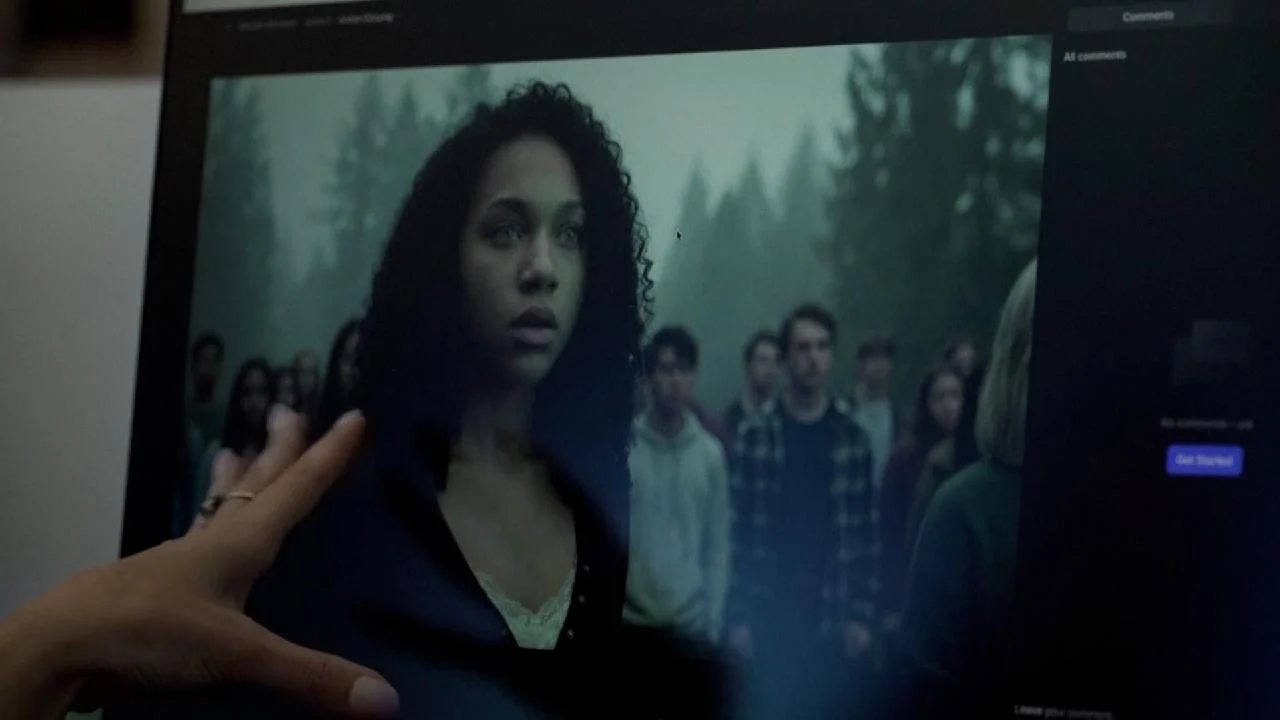
Artificial intelligence (AI) is rapidly transforming the film industry, offering new tools and possibilities that are changing how movies are made. From generating scripts to creating visual effects, AI is becoming an increasingly integrated part of the filmmaking process. This technological shift is leading to more efficient production, reduced costs, and the potential for entirely new forms of storytelling. However, it also raises significant questions about the future of traditional filmmaking roles, the creative process, and the very essence of what makes a movie a work of art.
The integration of AI into Hollywood is not just about adopting new software; it represents a fundamental change in how creative visions are brought to life. Filmmakers can now achieve complex visual effects with smaller teams and at a fraction of the cost previously required. This accessibility democratizes filmmaking to some extent, allowing independent creators to produce content that was once only possible for major studios. Yet, as AI capabilities expand, concerns are mounting regarding its impact on actors, production crews, and the broader ecosystem of jobs that have long supported the film industry. This analysis will explore the multifaceted ways AI is influencing Hollywood, examining both the opportunities it presents and the challenges it poses to the established order of filmmaking.
AI’s Role in Pre-Production and Scriptwriting
The journey of a film from concept to screen often begins with a script, and AI is making its mark even at this foundational stage. AI-powered tools can now analyze vast datasets of existing screenplays to identify patterns, predict audience reception, and even generate plot outlines or dialogue. This capability can assist writers by offering new ideas, helping to overcome writer’s block, or suggesting alternative narrative paths. For example, AI can be trained on successful genres to suggest story elements that are likely to resonate with viewers, potentially leading to more commercially viable projects.
Beyond script generation, AI is also being used to refine existing scripts. Natural language processing (NLP) models can analyze scripts for pacing, character development, and thematic consistency. They can highlight areas where dialogue might feel unnatural or where a plot point could be strengthened. This analytical power allows screenwriters and producers to identify potential issues early in the development process, saving time and resources that might otherwise be spent on costly reshoots or extensive script revisions later on. The ability to simulate audience reactions to different script versions also offers a data-driven approach to storytelling, aiming to minimize risk and maximize appeal.
However, the use of AI in scriptwriting is not without its critics. Many argue that true creativity and emotional depth stem from human experience, intuition, and artistic vision, elements that AI, in its current form, cannot replicate. The fear is that an over-reliance on AI-generated content could lead to formulaic and uninspired storytelling, lacking the unique voice and perspective that human writers bring. The debate centers on whether AI should be viewed as a collaborative tool to augment human creativity or as a potential replacement for it, raising important questions about authorship and artistic integrity.
Revolutionizing Visual Effects and Animation
One of the most visible impacts of AI in filmmaking is in the realm of visual effects (VFX) and animation. Traditionally, creating realistic digital environments, characters, and complex action sequences required massive teams of artists and technicians working for months or even years. AI is now streamlining many of these processes, making them faster, more efficient, and more accessible. AI algorithms can automate tasks such as rotoscoping, motion tracking, and even the generation of background elements, freeing up human artists to focus on more creative aspects of their work.
AI-powered tools are also enhancing the realism and complexity of digital characters and creatures. Machine learning models can be trained on vast libraries of real-world movements and expressions to create more lifelike animations. This is particularly useful for generating crowd scenes, animating subtle facial expressions, or creating believable digital doubles for actors. Furthermore, AI is being used to generate entirely new visual assets, such as textures, landscapes, and even entire virtual sets, reducing the need for expensive physical sets and location shoots.
The advancement of AI in VFX also extends to the creation of deepfakes and digital de-aging. While these technologies raise ethical concerns, they also offer powerful creative possibilities. AI can be used to seamlessly alter an actor’s appearance, allowing them to play younger or older versions of themselves, or even to bring deceased actors back to the screen in a limited capacity. This opens up new narrative avenues and allows filmmakers to explore stories that were previously impossible to tell due to the limitations of practical effects or the availability of actors. The ability to generate photorealistic images and sequences with AI is pushing the boundaries of what is visually possible in cinema.
AI’s Impact on Production and Post-Production Workflows
The influence of AI extends beyond the creative aspects of filmmaking into the operational and technical workflows of production and post-production. AI can optimize scheduling, manage resources, and even predict potential production delays, leading to more efficient and cost-effective shoots. For instance, AI can analyze script breakdowns and location data to create optimized shooting schedules that minimize travel time and maximize the use of available resources. This logistical advantage can be particularly beneficial for large-scale productions with complex requirements.
In post-production, AI is revolutionizing editing, sound design, and color grading. AI-powered editing software can automatically identify key moments in footage, suggest cuts, and even assemble rough edits based on script cues or desired pacing. This can significantly speed up the editing process, allowing editors to focus on refining the narrative flow and emotional impact of the film. Similarly, AI tools are being developed to automate sound mixing, dialogue cleanup, and the creation of sound effects, reducing the time and expertise required for these tasks.
Color grading, the process of adjusting the color and tone of a film to create a specific mood or aesthetic, is also being influenced by AI. AI algorithms can analyze footage and suggest color palettes that align with the film’s genre or thematic elements. They can also ensure consistency in color across different shots and scenes, a task that traditionally requires a skilled colorist. While these AI tools can assist and accelerate the work of post-production professionals, they also raise questions about the future roles of editors, sound designers, and colorists, as AI takes on more of the technical heavy lifting.
The Economic Implications: Cost Savings and Job Displacement
The economic impact of AI on Hollywood is a complex issue, marked by both significant cost-saving opportunities and potential job displacement. By automating tasks, reducing the need for large crews, and streamlining workflows, AI can dramatically lower the budgets required to produce films. This could lead to a more diverse range of films being made, as independent filmmakers and smaller studios gain access to production capabilities that were previously out of reach. The ability to create high-quality visual effects without extensive physical sets or large teams also offers substantial savings.
However, this efficiency comes at a potential cost to the workforce. As AI tools become more sophisticated, they are capable of performing tasks that were once exclusively done by human professionals. This raises concerns about job security for actors, visual effects artists, editors, sound engineers, and many other roles within the film industry. The fear is that studios might opt for AI-driven solutions over human labor to cut costs, leading to widespread unemployment in creative and technical fields. The ongoing strikes by Hollywood unions, such as the Writers Guild of America (WGA) and the Screen Actors Guild‐American Federation of Television and Radio Artists (SAG-AFTRA), have highlighted these concerns, with AI being a central point of negotiation.
The debate is not simply about replacing humans with machines, but about how AI can be integrated in a way that complements human talent rather than supplants it. Many believe that AI should be used as a tool to augment human creativity and efficiency, allowing professionals to focus on higher-level tasks and artistic direction. The challenge lies in finding a balance that allows the industry to benefit from AI’s advantages without sacrificing the livelihoods of the skilled individuals who have built Hollywood’s legacy. The economic future of filmmaking will likely depend on how effectively the industry can adapt to these changes and redefine the roles of its human workforce in an AI-augmented environment.
Ethical Considerations and Creative Integrity
The rapid advancement of AI in filmmaking brings with it a host of ethical considerations that the industry must grapple with. One of the most prominent concerns revolves around the use of AI in generating content, particularly the potential for AI to create deepfakes or to replicate the likeness and voice of actors without their consent or fair compensation. The ability to digitally recreate performances raises questions about ownership of an actor’s image and voice, and the potential for misuse. Ensuring that AI is used responsibly and ethically is paramount to maintaining trust within the industry and with the audience.
Another significant ethical challenge is the impact of AI on creative integrity and artistic expression. If AI becomes the primary driver of content creation, there is a risk that films could become homogenized, lacking the originality and unique perspectives that come from human artists. The subjective nature of art, its ability to evoke emotion and provoke thought, is deeply tied to human experience. Relying too heavily on AI, which operates on data and algorithms, could lead to a loss of this essential human element. The question of authorship also arises: who is the creator of an AI-generated film – the AI, the programmer, or the director who uses the AI tool?
Furthermore, the use of AI in analyzing audience data to predict commercial success could lead to a focus on formulaic storytelling designed to appeal to the broadest possible demographic, potentially stifling artistic risk-taking and innovation. This could result in a landscape of films that are technically proficient but lack soul or genuine artistic merit. Navigating these ethical complexities requires careful consideration, open dialogue, and the establishment of clear guidelines and regulations to ensure that AI serves as a tool to enhance filmmaking rather than diminish its artistic and ethical foundations. The industry must actively work to preserve the human element that has always been at the heart of cinema.
The Future of Storytelling in an AI-Dominated Era
Looking ahead, the integration of AI into filmmaking is poised to continue its rapid evolution, fundamentally reshaping the future of storytelling. AI’s ability to analyze vast amounts of data, generate novel content, and personalize experiences suggests a future where films are not only created differently but are also consumed in new ways. We might see AI-driven tools that allow audiences to customize aspects of a film, such as character perspectives or even plot variations, creating a more interactive and personalized viewing experience. This could lead to a more dynamic and engaging relationship between the audience and the narrative.
AI could also unlock entirely new genres and forms of cinematic expression. By pushing the boundaries of visual effects, animation, and interactive storytelling, AI might enable filmmakers to create immersive worlds and narratives that were previously unimaginable. Imagine films that adapt in real-time to viewer input, or virtual reality experiences that are dynamically generated by AI based on user preferences. The potential for AI to augment human creativity could lead to a renaissance of artistic innovation, where technology serves as a powerful partner in the creative process.
However, the successful integration of AI into the future of storytelling will depend on the industry’s ability to address the challenges it presents. Striking a balance between technological advancement and human creativity, ensuring ethical use of AI, and adapting the workforce to new roles will be critical. The goal should be to harness AI’s power to enhance the art of filmmaking, making it more accessible, efficient, and innovative, while preserving the human touch, emotional resonance, and artistic integrity that have defined cinema for over a century. The future of storytelling will likely be a collaborative effort between human ingenuity and artificial intelligence, creating a new chapter in the history of film.
Conclusion
The integration of artificial intelligence into Hollywood filmmaking is no longer a distant possibility but a present reality, ushering in an era of profound transformation. AI is revolutionizing every stage of the filmmaking process, from the initial spark of an idea in scriptwriting to the final polish in post-production. Its capacity to automate complex tasks, generate realistic visuals, and optimize workflows offers unprecedented opportunities for efficiency and cost reduction, potentially democratizing filmmaking and enabling new forms of creative expression.
However, this technological wave also brings significant challenges. Concerns about job displacement for actors, artists, and technicians are valid and require careful consideration and proactive solutions. The ethical implications surrounding AI-generated content, deepfakes, and the very definition of authorship demand thoughtful dialogue and the establishment of responsible guidelines. The industry stands at a crossroads, needing to navigate the powerful capabilities of AI while safeguarding the human element, creative integrity, and artistic soul that have long defined the magic of cinema. The future of Hollywood will be shaped by how effectively it can blend human creativity with artificial intelligence, ensuring that technology serves as a tool to elevate storytelling rather than diminish it.


Conversation
0 Comments