

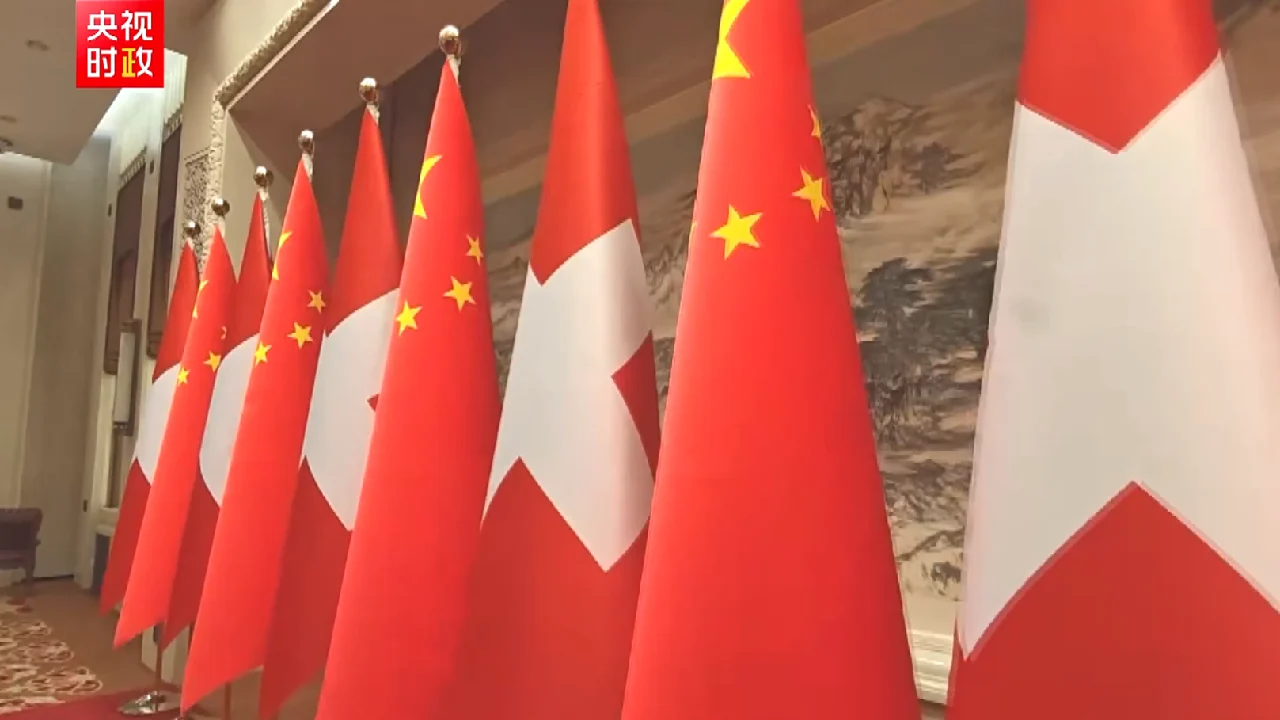
The world of international trade is constantly evolving, with countries seeking new ways to strengthen economic ties and foster mutual growth. One significant development in this area is the upgrading of free trade agreements (FTAs). These agreements are more than just pacts to reduce tariffs; they represent a commitment to deeper economic cooperation, covering a wide array of sectors and setting standards for future trade relations. The recent protocol on upgrading the free trade agreement between China and Switzerland serves as a prime example of this dynamic process. This enhancement aims to create a more robust framework for trade, benefiting both nations by opening up new avenues for business and innovation.
This article will explore the implications of the China-Switzerland free trade agreement upgrade. We will examine the key areas of improvement, the economic significance for both countries, and the broader context of international trade agreements. By understanding the details of this specific upgrade, we can gain insights into the future direction of global trade and the strategies countries are employing to navigate it.
Understanding Free Trade Agreements
Before diving into the specifics of the China-Switzerland agreement, it’s helpful to understand what free trade agreements are and why they are important. At their core, FTAs are treaties between two or more countries designed to reduce or eliminate barriers to trade and investment. These barriers can include tariffs (taxes on imported goods), quotas (limits on the quantity of imported goods), and various non-tariff barriers like complex regulations or standards that favor domestic products.
The primary goal of an FTA is to promote economic activity by making it easier and cheaper for businesses to trade goods and services across borders. When tariffs and other barriers are lowered, consumers often benefit from lower prices and a wider selection of products. Businesses, in turn, can access larger markets, potentially increasing their sales and profits. This can lead to job creation and economic growth within the participating countries.
FTAs can take various forms, from simple agreements focused on tariff reduction to more complex arrangements that cover a broad range of issues. These can include:
- Trade in Goods: This is the most traditional aspect of FTAs, focusing on reducing tariffs and quotas on physical products.
- Trade in Services: This covers sectors like finance, telecommunications, and transportation, aiming to make it easier for service providers to operate in other member countries.
- Investment: FTAs often include provisions to protect foreign investors and encourage cross-border investment.
- Intellectual Property Rights: Agreements may address the protection of patents, copyrights, and trademarks.
- E-commerce and Digital Trade: Modern FTAs increasingly include rules for online trade, data flows, and digital services.
- Environmental and Labor Standards: Some agreements incorporate provisions to ensure that trade does not lead to a decline in environmental protection or labor rights.
The effectiveness and scope of an FTA can vary significantly. Some are bilateral, involving only two countries, while others are multilateral, involving many nations. The trend in recent years has been towards more comprehensive agreements that go beyond simple tariff reductions to address a wider range of trade-related issues.
The China-Switzerland Free Trade Agreement: A Foundation for Growth
The relationship between China and Switzerland in terms of trade has a solid foundation. The original Free Trade Agreement between the two nations was signed in 2013 and entered into force in July 2014. This agreement marked a significant step in their economic partnership, establishing a framework for trade that has been in place for over a decade.
Switzerland, a country known for its high-quality manufactured goods, precision engineering, and financial services, has found a valuable market in Asia. China, as the world’s second-largest economy and a major manufacturing hub, represents a significant trading partner for Switzerland. Conversely, China benefits from access to Swiss products and expertise, as well as a gateway to European markets.
Before the upgrade, the agreement had already facilitated substantial trade. Switzerland was China’s seventh-largest trading partner in Europe, and China was Switzerland’s largest trading partner in Asia. This indicates a strong existing economic connection. Bilateral trade figures illustrate this importance, with the trade volume reaching substantial levels. For instance, in 2025, bilateral trade between China and Switzerland reached $49.04 billion. This figure highlights the economic interdependence and the success of the initial FTA in boosting commerce.
The original agreement likely focused on core areas such as reducing tariffs on goods, simplifying customs procedures, and establishing basic rules for trade. However, as global trade practices evolve, particularly with the rise of digital commerce and the increasing importance of sustainable development, existing agreements often need to be updated to remain relevant and effective. This is precisely the scenario that led to the negotiations for upgrading the China-Switzerland FTA.
The Protocol on Upgrading the Free Trade Agreement
The recent protocol on upgrading the free trade agreement between China and Switzerland represents a significant evolution of their economic partnership. The negotiations for this upgrade were launched in September 2024 and concluded in August 2026, following five rounds of talks. This process, while detailed, shows a mutual commitment to modernizing their trade relationship.
The core of the upgrade lies in the commitment to “high-standard commitments to further opening up trade in goods, services, and investment.” This phrase suggests a move towards more ambitious liberalization and a deeper integration of their economies. It signals a willingness from both sides to go beyond the initial scope of the 2014 agreement and embrace more contemporary trade practices.
The protocol specifically mentions upgrading rules in several key areas:
- Rules of Origin: These rules determine the nationality of a product. Clear and modern rules of origin are essential for ensuring that businesses can correctly claim preferential tariff treatment under the FTA. Upgrading these rules can simplify compliance and prevent misuse.
- Trade Facilitation: This area focuses on streamlining customs procedures and making it easier and faster to move goods across borders. Improvements here can significantly reduce costs and delays for businesses.
- Technical Barriers to Trade (TBT): These are regulations, standards, and conformity assessment procedures that can sometimes be used to restrict trade. The upgrade likely aims to ensure that these measures are transparent, non-discriminatory, and based on international standards, making it easier for Swiss products to enter China and vice versa.
- Digital Trade: This is a critical area in modern trade. The protocol’s inclusion of digital trade suggests provisions related to cross-border data flows, electronic signatures, consumer protection in e-commerce, and preventing digital protectionism. This is particularly relevant given the growing importance of digital services and e-commerce in both economies.
- Competition: Provisions related to competition policy aim to ensure a level playing field for businesses. This can include rules on anti-competitive practices by state-owned enterprises or cartels, promoting fair market access.
- Trade and Sustainable Development: This reflects a growing global trend to link trade with environmental protection and labor rights. The upgrade likely includes commitments to uphold high standards in these areas, ensuring that economic growth is achieved responsibly.
By addressing these specific areas, the upgraded FTA aims to create a more predictable, transparent, and efficient trading environment. This is crucial for businesses looking to invest and operate across borders, as it reduces uncertainty and lowers the costs of doing business.
Economic Significance and Benefits
The upgraded China-Switzerland FTA carries significant economic implications for both nations. The commitment to further opening up trade in goods, services, and investment is expected to unlock new opportunities and deepen existing economic ties.
For Switzerland, the upgrade means enhanced access to the vast Chinese market. This can translate into increased exports of Swiss goods and services, particularly in sectors where Switzerland has a competitive advantage, such as high-end manufacturing, pharmaceuticals, and financial services. The modernized rules, especially in digital trade and competition, can also create a more favorable environment for Swiss companies looking to expand their operations in China or engage in digital commerce with Chinese consumers and businesses. The emphasis on trade facilitation and reduced technical barriers can lower the costs and complexities associated with exporting to China, making Swiss products more competitive.
For China, the agreement offers continued access to Switzerland’s advanced technology, high-quality products, and specialized services. It also reinforces China’s position as a key trading partner for Switzerland, a country with a strong and stable economy. The upgrade can help China attract further Swiss investment, bringing with it capital, technology, and expertise. Furthermore, by participating in a high-standard FTA with a developed economy like Switzerland, China can demonstrate its commitment to global trade norms and its willingness to open its markets further, which can enhance its international trade reputation.
The focus on sustainable development within the upgraded agreement is also noteworthy. It signals a shared understanding that economic progress should not come at the expense of environmental protection or social well-being. This alignment on values can foster trust and cooperation, leading to more resilient and responsible trade practices.
The increased trade and investment flows resulting from the upgraded FTA are likely to stimulate economic growth in both countries. This can lead to job creation, higher incomes, and improved living standards. Moreover, by setting high standards in areas like digital trade and competition, the agreement can serve as a model for future trade negotiations, both for China and for other countries seeking to modernize their own trade frameworks.
Broader Implications for Global Trade
The China-Switzerland FTA upgrade is not an isolated event; it reflects broader trends shaping the landscape of international trade. In an era of increasing protectionism and geopolitical uncertainty, agreements that promote open trade and cooperation are becoming more important.
The move towards more comprehensive FTAs, which cover a wider range of issues beyond traditional tariff reductions, is a significant development. This reflects the evolving nature of global commerce, where services, digital trade, and sustainable practices play an increasingly prominent role. Countries are recognizing that to truly benefit from trade, they need to establish clear and modern rules that address these new realities.
The inclusion of provisions on digital trade, for example, is a direct response to the rapid growth of the digital economy. As more business is conducted online, countries need to ensure that their trade agreements support this trend by facilitating cross-border data flows, protecting online consumers, and preventing discriminatory practices against digital services. The China-Switzerland upgrade’s focus on this area highlights its forward-looking approach.
Similarly, the emphasis on trade and sustainable development signals a growing awareness that economic growth must be balanced with environmental and social considerations. This reflects a global demand for more responsible and ethical trade practices. Agreements that incorporate these principles can help to ensure that trade contributes to sustainable development goals rather than undermining them.
Furthermore, the fact that a major global economy like China is engaging in high-standard FTAs with developed nations like Switzerland demonstrates a commitment to integrating into the global economic system on terms that are increasingly aligned with international norms. This can help to foster greater trust and predictability in international trade relations.
For other countries, the China-Switzerland FTA upgrade can serve as a benchmark. It illustrates the potential benefits of modernizing existing trade agreements and pursuing deeper economic integration. It also shows that even amidst global trade tensions, there are opportunities for countries to work together to create more open, fair, and efficient trading systems.
Challenges and Opportunities
While the upgraded China-Switzerland FTA presents numerous opportunities, it also comes with potential challenges. For businesses, adapting to new rules and regulations, even those designed to simplify trade, can require investment in new systems and training. Ensuring compliance with updated rules of origin, for instance, can be complex.
For governments, implementing and enforcing the provisions of the upgraded agreement will require ongoing effort and cooperation. This includes establishing effective dispute resolution mechanisms and ensuring that domestic policies are aligned with the commitments made in the FTA.
However, the opportunities presented by the upgraded agreement are substantial. The increased market access and improved trading conditions are likely to drive economic growth and innovation. The focus on digital trade and sustainable development positions both countries to capitalize on emerging trends in the global economy.
The agreement also offers a platform for continued dialogue and cooperation on a range of economic issues. As trade relations deepen, there will be opportunities to explore new areas of collaboration, such as joint research and development projects, or initiatives to promote green finance.
The success of the upgraded FTA will ultimately depend on the commitment of both China and Switzerland to its implementation and on their ability to adapt to the evolving global trade environment. By working together, they can harness the full potential of this enhanced economic partnership.
Conclusion
The protocol on upgrading the free trade agreement between China and Switzerland marks a significant milestone in their economic relationship. By committing to higher standards in trade in goods, services, and investment, and by modernizing rules in areas such as digital trade and competition, both nations are positioning themselves for continued growth and prosperity. This agreement is more than just a trade pact; it is a testament to the enduring value of international cooperation in an increasingly complex global landscape.
The upgrade reflects a forward-looking approach to trade, addressing the realities of the 21st-century economy. It demonstrates a shared commitment to creating a more open, predictable, and efficient trading environment, which will benefit businesses, consumers, and economies alike. As the global trade landscape continues to evolve, agreements like this serve as vital tools for fostering economic resilience and driving sustainable development. The China-Switzerland FTA upgrade is a clear signal of their dedication to a robust and mutually beneficial economic partnership.


Conversation
0 Comments