

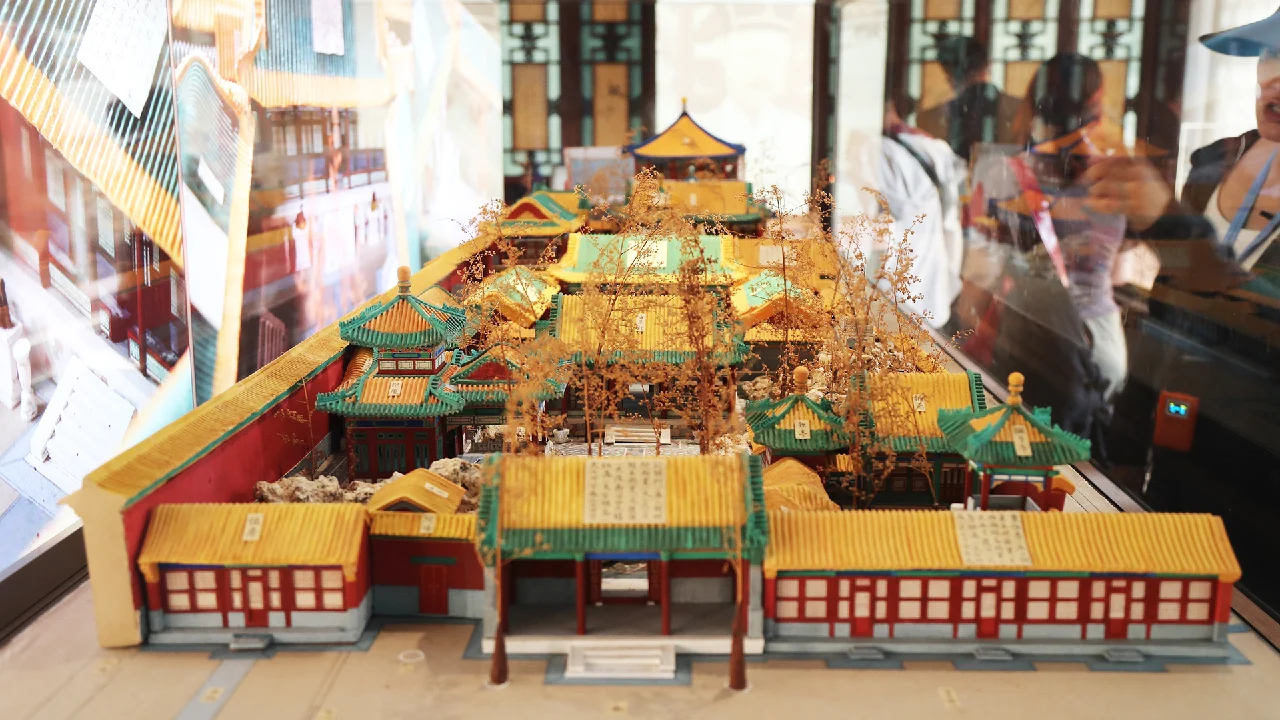
Bringing Lost Crafts to Life: The Art of Tangyang Paper Models
The art of model making has a long and rich history, serving various purposes from architectural planning to artistic expression. Among the many forms of this craft, tangyang, or ironed paper models, represent a unique and historically significant technique from China. These three-dimensional models, primarily constructed from paper, played a crucial role in ancient construction projects, offering visual representations of proposed designs and guiding the building process. While the craft of tangyang has largely faded into history, recent efforts to recreate these models, particularly those related to the Qianlong Garden at Beijing’s Palace Museum, are bringing this lost art back to public attention. This article explores the history, significance, and revival of tangyang, highlighting how these paper models offer a tangible connection to China’s architectural past.
The Historical Significance of Tangyang
Tangyang, or ironed paper models, were more than just decorative objects; they were essential tools in the planning and execution of significant construction projects during China’s imperial eras. Their primary function was to serve as detailed blueprints, allowing architects, builders, and patrons to visualize complex structures before construction began. This was particularly important for elaborate imperial palaces, gardens, and temples, where precision and adherence to design were paramount.
Archival records indicate that a complete set of tangyang models was created during the planning stages of the Qianlong Garden, a private imperial retreat commissioned by Emperor Qianlong of the Qing Dynasty. Emperor Qianlong, who reigned from 1735 to 1796, was a great patron of the arts and architecture, and the Qianlong Garden was a testament to his refined taste and desire for a personal sanctuary. The creation of detailed paper models for such a project underscores the advanced level of craftsmanship and the importance placed on meticulous planning during that period. These models would have depicted not only the overall layout of the garden but also the intricate details of individual buildings, pavilions, bridges, and rockeries.
The process of creating tangyang involved a specialized technique of ironing paper. This method likely involved layering and pressing paper with heat to create durable, yet flexible, components that could be assembled into complex three-dimensional forms. The resulting models were not only accurate representations but also durable enough to be handled and studied by various stakeholders involved in the construction process. They served as a common reference point, ensuring that everyone involved had a clear understanding of the intended design, thereby minimizing errors and misunderstandings during construction.
However, as the Qing Dynasty faced decline and societal changes occurred, many traditional crafts, including the intricate art of tangyang, began to fade. The specific knowledge and skills required to produce these models were not always passed down effectively, leading to a gradual loss of this unique craft. Over time, the surviving examples of tangyang became rare, with only fragments of the original Qianlong Garden models remaining. This loss represented not just the disappearance of a craft but also a gap in our understanding of the historical construction methods and the visual representation of imperial designs.
The Qianlong Garden Project: A Window into the Past
The Qianlong Garden, located within the Forbidden City in Beijing, is a significant imperial complex that offers a unique glimpse into the life and aesthetic preferences of Emperor Qianlong. This meticulously designed garden served as the emperor’s private retreat, a place for contemplation, artistic pursuits, and relaxation away from the formal duties of court. Its construction and subsequent preservation have been a focus of extensive research and restoration efforts by the Palace Museum.
The garden is characterized by its elegant pavilions, tranquil courtyards, artificial mountains, and water features, all arranged to create a harmonious and aesthetically pleasing environment. Emperor Qianlong himself was deeply involved in the design and supervision of the garden, reflecting his personal taste and his appreciation for classical Chinese aesthetics. The garden’s architecture and landscape design showcase a blend of traditional Chinese styles with subtle influences from other cultures, reflecting the cosmopolitan nature of the Qing court during his reign.
The existence of tangyang models for the Qianlong Garden project highlights the sophisticated approach to imperial construction during the Qing Dynasty. These models would have been instrumental in translating the emperor’s vision into a concrete plan. They allowed for detailed discussions and modifications before any physical construction began, ensuring that the final product precisely matched the imperial intent. The models would have depicted the spatial relationships between different elements of the garden, the architectural details of each structure, and even the landscaping features.
The survival of only fragments of these original tangyang models is a poignant reminder of the fragility of historical artifacts and the challenges of preserving traditional crafts. These fragments, however, have provided invaluable information for researchers and conservators at the Palace Museum. By studying the remaining pieces, they can glean insights into the materials used, the construction techniques, and the level of detail achieved by the artisans of the time. This research is crucial for understanding not only the specific project but also the broader context of imperial craftsmanship.
The Palace Museum’s commitment to understanding and preserving China’s cultural heritage has led to dedicated research into historical construction techniques. The study of tangyang is part of a larger effort to document and revive traditional methods that have been lost or are at risk of disappearing. This dedication to historical accuracy and craftsmanship is vital for maintaining the authenticity of restored imperial sites and for educating future generations about their rich cultural legacy.
Recreating Tangyang: A Modern Revival
The recent re-creation of tangyang models of the Qianlong Garden represents a significant achievement in the preservation and revival of this lost craft. This ambitious project, undertaken by the Palace Museum, involved extensive research into mid-Qing Dynasty techniques for making tangyang. The goal was not merely to produce replicas but to meticulously recreate the models using methods and materials as close as possible to those used centuries ago.
The process of recreating these models is a testament to the dedication and expertise of the artisans and researchers involved. It requires a deep understanding of historical construction practices, paper-making techniques, and the specific aesthetic principles that guided the original creation of the Qianlong Garden. Researchers would have meticulously studied archival documents, examined surviving fragments of original tangyang, and consulted historical texts on architecture and craftsmanship to piece together the lost techniques.
The re-creation process likely involved several stages. First, sourcing appropriate paper materials that match the historical specifications would have been essential. Then, understanding and replicating the “ironing” technique, which is central to the creation of tangyang, would have been a key challenge. This might involve specific ways of layering, pressing, and possibly heating the paper to achieve the desired rigidity and form. Finally, the assembly of these paper components into detailed three-dimensional models would have required a high degree of precision and skill, mirroring the work of the original artisans.
The resulting re-created models offer a vivid and tangible representation of the Qianlong Garden as it was envisioned during its planning stages. They provide an unparalleled educational tool, allowing visitors to the Palace Museum to gain a deeper appreciation for the complexity of imperial architectural projects and the ingenuity of ancient Chinese craftsmen. Seeing these models displayed alongside the actual garden structures offers a unique perspective, bridging the gap between historical plans and their physical realization.
This revival of tangyang is more than just an academic exercise; it is a cultural endeavor that breathes new life into a forgotten art form. By bringing tangyang back into the public eye, the Palace Museum is not only preserving a piece of history but also inspiring a new generation of artisans and designers. It demonstrates that even seemingly lost crafts can be rediscovered and revitalized through dedicated research, skilled craftsmanship, and a passion for cultural heritage.
The Craftsmanship and Materials of Tangyang
The art of tangyang is characterized by its unique craftsmanship and the specific materials used, which contribute to its historical and artistic value. Unlike modern model-making that might rely on plastics, advanced adhesives, or digital tools, tangyang was a product of traditional paper-making and assembly techniques. Understanding these elements is key to appreciating the skill involved.
The primary material for tangyang is paper. However, not just any paper would suffice. Historical records and the study of surviving fragments suggest that specialized types of paper were used, likely chosen for their texture, strength, and ability to hold shape when treated. The paper might have been handmade, with specific fiber compositions that provided the necessary durability and flexibility. The process of preparing the paper itself could have been a significant part of the craft, involving treatments to enhance its strength or alter its surface properties.
The term “ironed paper” suggests a crucial step in the process. This likely involved applying heat and pressure to the paper. This could have been done using heated tools, similar to early irons, or by pressing layers of paper together under significant weight. The purpose of this “ironing” would have been to compress the paper fibers, making the material denser, smoother, and more rigid. This treatment would have been essential for creating stable components that could form the structural elements of the models. It also might have contributed to a refined finish, making the surfaces of the models appear smooth and polished, much like polished wood or stone.
The assembly of these treated paper components into three-dimensional models required a high degree of precision and artistry. Artisans would have meticulously cut, folded, and joined the paper pieces to represent architectural details, structural elements, and decorative features. Adhesives, likely made from natural materials like rice paste or animal glues, would have been used to secure the components. The ability to create intricate details, such as the curves of a roof, the patterns on a facade, or the delicate latticework of a window, using only paper and traditional tools, speaks volumes about the skill of these craftspeople.
The scale and complexity of the tangyang models for projects like the Qianlong Garden would have been considerable. These were not simple representations but detailed architectural models that served practical purposes in construction. They would have accurately depicted proportions, spatial relationships, and even the intended materials and colors of the final structures. The level of detail achieved would have been astonishing, requiring immense patience and a profound understanding of architectural principles.
The re-creation of these models by the Palace Museum aims to replicate this historical craftsmanship as closely as possible. This involves not only using similar materials but also employing traditional techniques. This dedication to authenticity ensures that the revived tangyang models are not just visually similar to the originals but also embody the same spirit of craftsmanship and dedication that defined the art form centuries ago.
The Role of Tangyang in Architectural Planning
Tangyang models played a vital role in the architectural planning and construction processes of imperial China, serving as indispensable tools for communication, visualization, and quality control. Their use reflects a sophisticated understanding of project management and design representation that was advanced for its time.
Before the advent of modern architectural software and digital rendering, physical models were the most effective way to convey complex design ideas. For large-scale and intricate projects like imperial palaces and gardens, a set of tangyang models would have provided a clear, three-dimensional representation of the entire project. This allowed architects, engineers, and the imperial patrons themselves to review the design in detail, identify potential issues, and make necessary adjustments before construction commenced. This iterative process of review and revision was crucial for ensuring that the final structure met the highest standards of design and functionality.
One of the primary benefits of using tangyang was its ability to facilitate clear communication among all parties involved. A physical model is a universal language that can be understood by individuals from various backgrounds, whether they are skilled artisans, laborers, or members of the imperial court. By presenting a tangible representation of the design, tangyang models helped to ensure that everyone involved had a shared understanding of the project’s goals and specifications. This reduced the likelihood of misinterpretations that could lead to costly errors or delays during construction.
Furthermore, tangyang models served as a crucial guide during the construction phase. They provided a detailed reference for builders and craftsmen, ensuring that each element of the structure was constructed according to the original design. This was particularly important for replicating complex architectural features, ensuring symmetry, and maintaining the correct proportions of different components. The models could also be used to plan the sequence of construction, identify the materials needed for specific parts, and even estimate quantities.
The use of tangyang in projects like the Qianlong Garden also highlights the importance of aesthetic considerations in imperial architecture. These models were not just functional blueprints; they were also artistic representations that captured the beauty and harmony of the intended design. Emperor Qianlong’s personal involvement in the garden’s planning suggests that he would have relied heavily on these models to visualize and approve the aesthetic qualities of his retreat. The ability of tangyang to convey not only structural integrity but also artistic merit made them invaluable tools for imperial commissions.
The decline of the tangyang craft meant that this sophisticated method of architectural visualization was largely lost. However, the re-creation of these models by the Palace Museum is helping to reintroduce this historical practice. It allows modern audiences to understand the practical and artistic significance of tangyang and to appreciate the ingenuity of ancient Chinese architects and craftspeople. The models serve as a bridge between the past and the present, offering insights into a critical aspect of imperial construction that shaped China’s built heritage.
The Process of Re-creating Tangyang Models
The re-creation of tangyang models, as exemplified by the project at the Palace Museum, is a complex undertaking that demands a multidisciplinary approach, combining historical research, material science, and traditional craftsmanship. It is a process that seeks to honor the original techniques while adapting to the realities of modern conservation and exhibition.
The initial phase of re-creation involves extensive historical research. This includes delving into archival records, examining any surviving fragments of original tangyang, and consulting historical texts that describe construction methods and materials of the mid-Qing Dynasty. Researchers would meticulously study architectural drawings, if available, and analyze the surviving physical evidence to understand the scale, proportions, and details of the original models. This foundational research is critical for ensuring the accuracy and authenticity of the re-created models.
Once the historical context and design specifications are understood, the focus shifts to materials. The goal is to use paper and adhesives that are as close as possible to those used historically. This might involve sourcing or specially producing paper with similar fiber content, thickness, and texture. Similarly, traditional adhesives, such as those made from rice flour or animal collagen, would be researched and prepared to mimic the properties of historical glues. The choice of materials directly impacts the appearance, durability, and historical fidelity of the final models.
The core of the re-creation process lies in replicating the “ironing” technique. This is perhaps the most distinctive and challenging aspect of tangyang craftsmanship. Artisans would need to experiment with different methods of applying heat and pressure to the paper. This could involve using heated tools, specialized presses, or a combination of techniques to achieve the desired density, smoothness, and rigidity in the paper components. Understanding how the original artisans achieved specific textures and forms through this process is crucial.
Following the preparation of the paper materials, the meticulous work of assembly begins. This involves cutting, shaping, and joining the paper components to construct the three-dimensional models. Artisans would need to employ precise cutting techniques and careful application of adhesives to ensure that the models are structurally sound and accurately represent the architectural details. This stage requires immense patience, steady hands, and a deep understanding of three-dimensional form. The ability to recreate intricate elements, such as decorative carvings, roof structures, and window lattices, using only paper, is a testament to the skill involved.
The final stage often involves finishing touches, which might include applying subtle coloring or surface treatments to mimic the appearance of the original materials or to enhance the visual representation of the architectural elements. However, the emphasis remains on preserving the paper-based nature of the craft.
The re-created tangyang models of the Qianlong Garden are not merely replicas; they are a living testament to a lost art form. They serve as invaluable educational tools, offering a tangible connection to China’s rich architectural heritage and the sophisticated craftsmanship of the past. This revival project ensures that the art of tangyang, once on the brink of disappearing, continues to inspire and educate for generations to come.
Preserving Tangyang for Future Generations
The revival of tangyang through projects like the re-creation of the Qianlong Garden models is a significant step in preserving China’s cultural heritage. However, ensuring the long-term survival of such a specialized craft requires ongoing efforts and a multi-faceted approach.
One of the most critical aspects of preservation is documentation. Thoroughly recording every step of the re-creation process, from material sourcing to assembly techniques, is essential. This detailed documentation, including photographs, videos, and written descriptions, serves as a valuable resource for future generations of artisans and researchers. It ensures that the knowledge gained during the revival is not lost again and can be accessed for further study or replication.
Education and training are also paramount. To keep the craft of tangyang alive, there needs to be a continuous effort to pass on the skills and knowledge to new practitioners. This could involve apprenticeships, workshops, or specialized training programs within cultural institutions like the Palace Museum. By actively training new artisans, the tradition can be sustained and adapted to contemporary contexts while maintaining its historical integrity.
Exhibitions and public engagement play a vital role in raising awareness and fostering appreciation for tangyang. Displaying the re-created models, as is being done at the Palace Museum, allows the public to see and learn about this unique craft. This exposure can spark interest, inspire future artisans, and generate support for preservation efforts. Sharing the story behind tangyang, its historical significance, and the challenges of its revival can create a deeper connection between the public and this aspect of their cultural heritage.
Furthermore, integrating tangyang into broader discussions about traditional Chinese architecture and craftsmanship can help solidify its place in cultural heritage discourse. By linking it to other recognized arts and crafts, its importance can be better understood and appreciated. This might involve incorporating tangyang into academic curricula, museum exhibitions on Chinese art history, or even contemporary design projects that draw inspiration from traditional techniques.
The digital age also offers new avenues for preservation. Creating digital archives of tangyang models, including 3D scans and virtual reconstructions, can make this art form accessible to a global audience, even if physical access is limited. Online platforms can host educational materials, tutorials, and virtual exhibitions, ensuring that the knowledge of tangyang is preserved and disseminated widely.
Ultimately, the preservation of tangyang is not just about saving a craft; it is about safeguarding a piece of history, a testament to human ingenuity, and a unique form of artistic expression. The efforts to bring these ironed paper models back to life are a powerful reminder of the value of cultural heritage and the importance of actively working to ensure that these traditions endure for generations to come.
Conclusion
The art of tangyang, or ironed paper models, represents a fascinating and historically significant aspect of Chinese craftsmanship. Once a vital tool in imperial architectural planning, this intricate craft had largely faded into obscurity. However, through dedicated research and meticulous re-creation efforts, such as those undertaken at Beijing’s Palace Museum with the Qianlong Garden models, tangyang is being brought back to life. These revived models not only offer a tangible connection to China’s architectural past but also serve as powerful educational tools, showcasing the skill, precision, and artistry of ancient Chinese artisans. The ongoing efforts to document, teach, and exhibit tangyang are crucial for its long-term preservation, ensuring that this unique tradition continues to inspire and inform future generations about the rich tapestry of China’s cultural heritage.

Conversation
0 Comments