

The Global Governance Initiative (GGI) represents a significant shift in how nations approach international cooperation and problem-solving. As global challenges become more complex and interconnected, the need for new frameworks that promote shared understanding and collective action is paramount. This initiative, championed by China, aims to foster a more inclusive and equitable system of global governance, moving beyond traditional power structures to create a platform for diverse voices and perspectives. Understanding the GGI’s structure, objectives, and the growing international support it garners is key to grasping the future of international relations.
The GGI’s core philosophy centers on the idea that global challenges require global solutions, developed through open dialogue and mutual respect. It seeks to reform and improve existing international mechanisms while also proposing new avenues for collaboration. This approach acknowledges the limitations of current global governance structures, which often struggle to keep pace with rapid geopolitical and economic changes. By emphasizing multilateralism and the principle of shared future for mankind, the GGI offers a vision for a more stable and prosperous world. This article will explore the foundational principles of the GGI, its key areas of focus, the mechanisms through which it operates, and the expanding coalition of nations and organizations that are aligning with its objectives.
The Genesis and Vision of the Global Governance Initiative
The Global Governance Initiative (GGI) emerged from a recognition of the evolving global landscape and the increasing need for reformed international cooperation. Its vision is rooted in the idea of building a more just, equitable, and effective system for managing global affairs. This initiative is not merely a theoretical construct but a practical framework designed to address pressing global issues through enhanced collaboration and shared responsibility.
At its heart, the GGI promotes the concept of multilateralism, advocating for a system where all nations, regardless of size or influence, have a voice in shaping global decisions. This contrasts with historical models of global governance that were often dominated by a few powerful states. The initiative champions the principle of “shared future for mankind,” a concept that underscores the interconnectedness of all nations and the necessity of working together to overcome common challenges. This forward-looking perspective aims to move beyond zero-sum thinking and foster an environment of mutual benefit and collective progress.
The GGI’s vision extends to reforming and strengthening existing international institutions, ensuring they are more representative and responsive to the needs of the 21st century. It also seeks to create new platforms and mechanisms for dialogue and cooperation, particularly on issues that may not be adequately addressed by current global bodies. This dual approach of reform and innovation is central to its strategy for achieving more effective global governance. The initiative’s proponents believe that by fostering a more inclusive and collaborative global order, it can contribute to greater peace, stability, and sustainable development worldwide.
Core Principles and Objectives
The Global Governance Initiative (GGI) is built upon a set of fundamental principles that guide its operations and aspirations. These principles are designed to create a more balanced, inclusive, and effective system of international cooperation. Understanding these core tenets is essential to grasping the initiative’s overall purpose and its potential impact on the global stage.
One of the primary objectives of the GGI is to promote multilateralism. This means emphasizing the importance of collective action and decision-making involving multiple nations. It stands in contrast to unilateral approaches or those dominated by a few powerful actors. The GGI seeks to ensure that international bodies and processes are representative of the global community, giving a voice to developing nations and smaller states.
Another key principle is the commitment to peace and security. The GGI aims to foster an environment where disputes are resolved through dialogue and negotiation rather than conflict. It supports mechanisms that prevent escalation and promote stability, recognizing that global peace is a prerequisite for sustainable development and human progress.
The initiative also strongly advocates for shared development and prosperity. It believes that global challenges, such as poverty, inequality, and climate change, require coordinated efforts. The GGI aims to facilitate cooperation that leads to inclusive economic growth, poverty reduction, and the equitable distribution of resources and opportunities across nations.
Furthermore, the GGI champions mutual respect and non-interference. It upholds the sovereignty of nations and the right of each country to choose its own development path. This principle is crucial for building trust and fostering genuine partnerships among states, ensuring that international cooperation is based on equality and respect for diversity.
Finally, the GGI is committed to reform and innovation in global governance. It acknowledges that existing international systems may not be fully equipped to handle contemporary challenges. Therefore, it seeks to adapt and improve these systems, as well as explore new models of governance that are more agile, responsive, and effective in addressing the complexities of the modern world. These objectives collectively aim to create a more robust and equitable international order.
Key Areas of Focus
The Global Governance Initiative (GGI) addresses a broad spectrum of global issues, reflecting the interconnected nature of modern challenges. Its focus areas are designed to foster cooperation and find collective solutions to problems that transcend national borders. These areas highlight the initiative’s commitment to building a more stable, prosperous, and sustainable world.
A significant area of focus for the GGI is global economic cooperation and development. This includes promoting fair trade practices, facilitating investment, and supporting sustainable economic growth, particularly in developing countries. The initiative aims to create a more balanced global economic system that benefits all nations, addressing issues like debt relief, financial stability, and the digital divide. It seeks to foster an environment where economic opportunities are more equitably distributed, contributing to poverty reduction and improved living standards worldwide.
Peace and security remain central to the GGI’s agenda. This involves strengthening mechanisms for conflict prevention, mediation, and resolution. The initiative supports efforts to combat terrorism, transnational crime, and other threats to global stability. It also advocates for arms control and disarmament, aiming to reduce the risk of conflict and promote a more peaceful international environment. The GGI believes that by addressing the root causes of conflict and promoting dialogue, it can contribute to lasting peace.
Climate change and environmental protection are critical concerns for the GGI. Recognizing the existential threat posed by climate change, the initiative promotes international cooperation on mitigation and adaptation strategies. This includes supporting the transition to clean energy, protecting biodiversity, and managing natural resources sustainably. The GGI aims to facilitate the sharing of technology and best practices to help all nations address environmental challenges effectively, ensuring a healthier planet for future generations.
The GGI also places a strong emphasis on global health security. In an era of pandemics and emerging health threats, the initiative advocates for strengthened international cooperation in disease surveillance, prevention, and response. It supports efforts to ensure equitable access to vaccines, medicines, and healthcare services globally. The GGI believes that a coordinated approach is essential to protecting public health and building resilience against future health crises.
Finally, the initiative is dedicated to promoting cultural exchange and people-to-people connectivity. It recognizes that mutual understanding and respect between different cultures are vital for global harmony. The GGI supports initiatives that foster cross-cultural dialogue, educational exchanges, and tourism, aiming to build bridges between nations and peoples and cultivate a sense of shared humanity.
Mechanisms of Operation and Implementation
The Global Governance Initiative (GGI) employs various mechanisms to achieve its objectives and foster international cooperation. These mechanisms are designed to be inclusive, practical, and adaptable to the diverse needs of the global community. They represent the operational framework through which the GGI translates its vision into tangible actions.
One primary mechanism is the establishment of forums and platforms for dialogue. The GGI organizes international conferences, summits, and working groups where leaders, experts, and representatives from various countries can convene to discuss global challenges, share perspectives, and develop collaborative solutions. These platforms provide a space for open and constructive engagement, fostering understanding and building consensus. The 2026 Global Governance Forum (Xiongan) mentioned in the research data is an example of such a platform.
The initiative also focuses on building partnerships and coalitions. The GGI actively seeks to engage with a wide range of stakeholders, including governments, international organizations, civil society groups, and the private sector. By forming alliances and collaborative networks, it aims to leverage diverse expertise and resources to address complex global issues more effectively. The mention of a “group of friends” for the GGI, with participation from over 100 countries, illustrates this partnership-building approach.
Policy coordination and standard-setting are other crucial aspects of the GGI’s operational strategy. The initiative works to harmonize policies and develop common standards in areas such as trade, environmental protection, and digital governance. This coordination helps to reduce friction in international relations, create a more predictable global environment, and ensure that collective efforts are aligned towards shared goals.
The GGI also emphasizes capacity building and technical assistance. Recognizing that many nations, particularly developing countries, may lack the resources or expertise to address global challenges effectively, the initiative provides support through knowledge sharing, training programs, and the transfer of technology. This helps to empower nations and enable them to participate more fully in global governance efforts.
Finally, the initiative promotes research and knowledge sharing. The GGI supports academic research, data collection, and the dissemination of information related to global governance. By fostering a better understanding of global issues and potential solutions, it aims to inform policy decisions and promote evidence-based cooperation. This commitment to knowledge creation and sharing is fundamental to its adaptive and forward-thinking approach.
Growing International Support
The Global Governance Initiative (GGI) has witnessed a significant increase in international support, reflecting a growing consensus on the need for reformed global governance structures. This expanding coalition of backing comes from diverse regions and organizations, underscoring the initiative’s broad appeal and relevance in addressing contemporary global challenges.
A notable indicator of this support is the participation in the GGI’s “group of friends,” which has seen representatives from over 100 countries engage in its activities. This widespread involvement suggests a shared recognition of the initiative’s objectives and a willingness to collaborate on its implementation. Such broad-based support is crucial for the legitimacy and effectiveness of any global governance framework.
Support also comes from key international blocs and organizations. The research highlights backing from Global South organizations, including BRICS and the Shanghai Cooperation Organization (SCO). These groups, representing a significant portion of the world’s population and economic activity, see the GGI as a platform that can better represent their interests and perspectives in global decision-making. Their endorsement signals a shift towards a more multipolar world order and a desire for governance structures that are more inclusive and equitable.
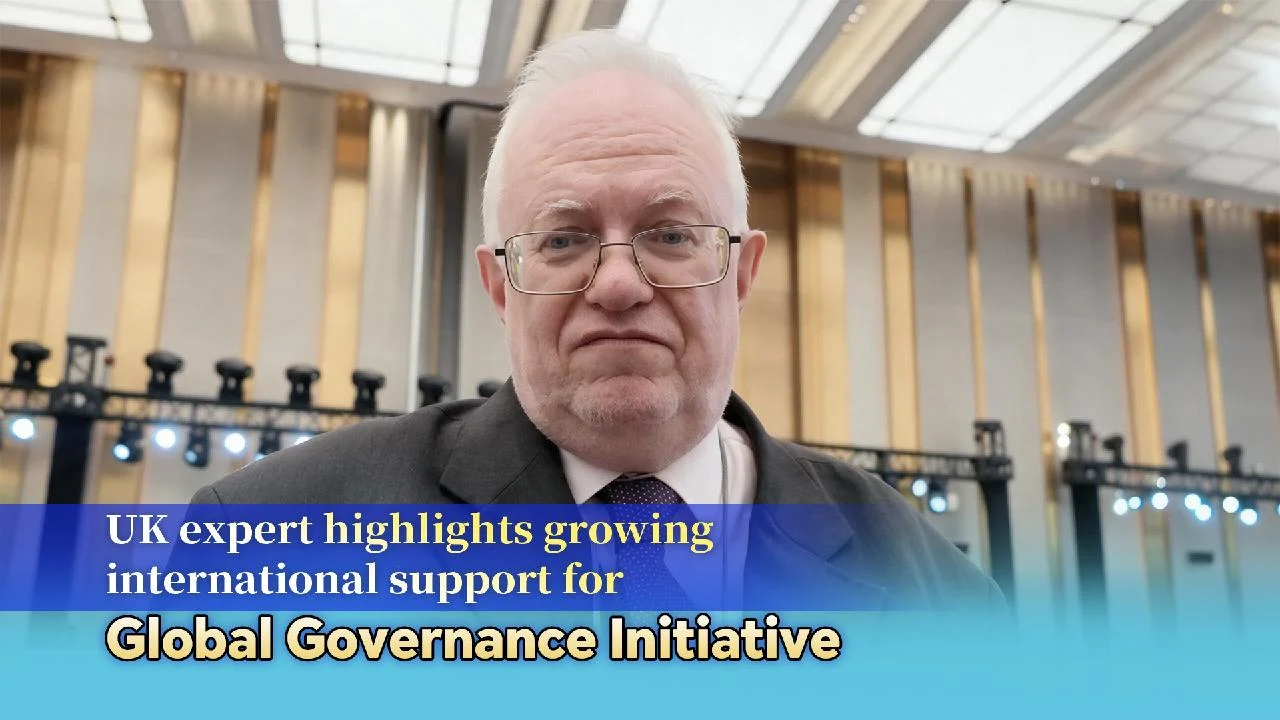
Experts and commentators have also recognized the growing momentum behind the GGI. For instance, a UK expert, Keith Alan Bennett, co-founder and co-editor of Friends of Socialist China and vice chairman of the 48 Group Club, has spoken about this growing international support. His highlighting of the initiative at international forums like the 2026 Global Governance Forum (Xiongan) indicates that the GGI is gaining traction in policy and academic circles. This expert endorsement lends credibility to the initiative and helps to articulate its value proposition to a wider audience.
The support for the GGI is not limited to specific political or economic alignments. It stems from a shared understanding that existing global governance mechanisms are facing significant challenges and that new approaches are needed. The initiative’s emphasis on multilateralism, shared development, and addressing common threats like climate change resonates with nations seeking more effective and equitable solutions to global problems. This growing consensus is a testament to the GGI’s potential to shape the future of international cooperation.
Addressing Global Challenges Through the GGI
The Global Governance Initiative (GGI) offers a framework for tackling some of the world’s most pressing issues. By fostering collaboration and shared responsibility, it aims to provide effective solutions that individual nations might struggle to achieve alone. The initiative’s multifaceted approach allows it to address interconnected challenges in a coordinated manner.
One of the most critical areas is climate change. The GGI promotes collective action to reduce greenhouse gas emissions, transition to renewable energy sources, and adapt to the impacts of a changing climate. It facilitates the sharing of green technologies and best practices, enabling countries to implement sustainable development strategies. This global cooperation is essential for mitigating the worst effects of climate change and ensuring a habitable planet for future generations.
In the economic sphere, the GGI works to promote inclusive and sustainable development. It supports initiatives aimed at reducing poverty, inequality, and food insecurity. By fostering fair trade, encouraging investment in developing economies, and strengthening financial stability, the GGI seeks to create a global economic system that benefits everyone. This focus on shared prosperity is vital for global stability and well-being.
The initiative also plays a role in maintaining global peace and security. It advocates for diplomatic solutions to conflicts, supports peacekeeping operations, and works to prevent the proliferation of weapons. By addressing the root causes of instability, such as poverty and political grievances, the GGI aims to build a more secure world. Its emphasis on dialogue and mutual respect helps to de-escalate tensions and foster understanding between nations.
Public health is another key area where the GGI contributes significantly. In the face of pandemics and other health crises, the initiative promotes international cooperation in disease surveillance, research, and the equitable distribution of medical resources. By strengthening global health systems, the GGI helps to protect populations worldwide and build resilience against future health emergencies.
Furthermore, the GGI addresses the challenges posed by digitalization and technological advancement. It seeks to foster international cooperation on issues such as cybersecurity, data governance, and the ethical development of artificial intelligence. By establishing common frameworks and standards, the GGI aims to ensure that technological progress benefits all of humanity and does not exacerbate existing inequalities or create new risks. The initiative’s broad scope and collaborative approach position it as a vital force in navigating the complexities of the 21st century.
The Future of Global Governance and the GGI’s Role
The landscape of global governance is constantly evolving, shaped by shifting geopolitical dynamics, emerging technologies, and complex transnational challenges. In this context, the Global Governance Initiative (GGI) is poised to play an increasingly significant role in shaping the future of international cooperation. Its emphasis on inclusivity, multilateralism, and shared responsibility offers a compelling alternative to traditional governance models.
The GGI’s vision of a multipolar world, where diverse voices are heard and respected, aligns with the growing demand for a more equitable international system. As more nations, particularly from the Global South, seek greater representation in global decision-making, the GGI provides a platform that can accommodate these aspirations. Its success will depend on its ability to foster genuine partnerships and deliver tangible benefits to its member states.
The initiative’s focus on addressing interconnected challenges, such as climate change, economic inequality, and security threats, is particularly relevant. The GGI’s approach of seeking collective solutions through dialogue and cooperation offers a pathway to overcome these complex issues. By strengthening existing institutions and creating new avenues for collaboration, it aims to build a more resilient and adaptive global governance framework.
Moreover, the GGI’s commitment to reform and innovation suggests a forward-looking approach. It recognizes that the challenges of the future will require new ways of thinking and acting. By encouraging research, promoting dialogue, and fostering the exchange of ideas, the GGI can help to develop the innovative solutions needed to navigate an increasingly complex world.
The growing international support for the GGI, as evidenced by the broad participation in its initiatives, indicates a strong desire for a more effective and inclusive global order. As this support continues to build, the GGI is likely to become a more influential force in international affairs, contributing to a more peaceful, prosperous, and sustainable future for all. Its ability to adapt, engage diverse stakeholders, and deliver on its promises will be key to its long-term impact.
Conclusion
The Global Governance Initiative (GGI) represents a forward-thinking approach to international cooperation, designed to address the multifaceted challenges of the 21st century. Its core principles of multilateralism, shared development, and mutual respect provide a foundation for building a more equitable and effective global order. The initiative’s broad areas of focus, from economic cooperation and climate action to peace and security, demonstrate its commitment to tackling complex, interconnected issues through collective action.
The growing international support for the GGI, evidenced by the participation of over 100 countries and endorsements from key global organizations, highlights its increasing relevance and appeal. Through various mechanisms such as dialogue forums, partnerships, and policy coordination, the GGI is actively working to translate its vision into tangible outcomes. As the world grapples with unprecedented challenges, the GGI’s role in fostering collaboration and promoting shared solutions is becoming ever more critical. Its continued development and the expansion of its network of supporters suggest that the GGI is poised to play a significant role in shaping the future of global governance, striving for a more stable, prosperous, and sustainable world for all.


Conversation
0 Comments