

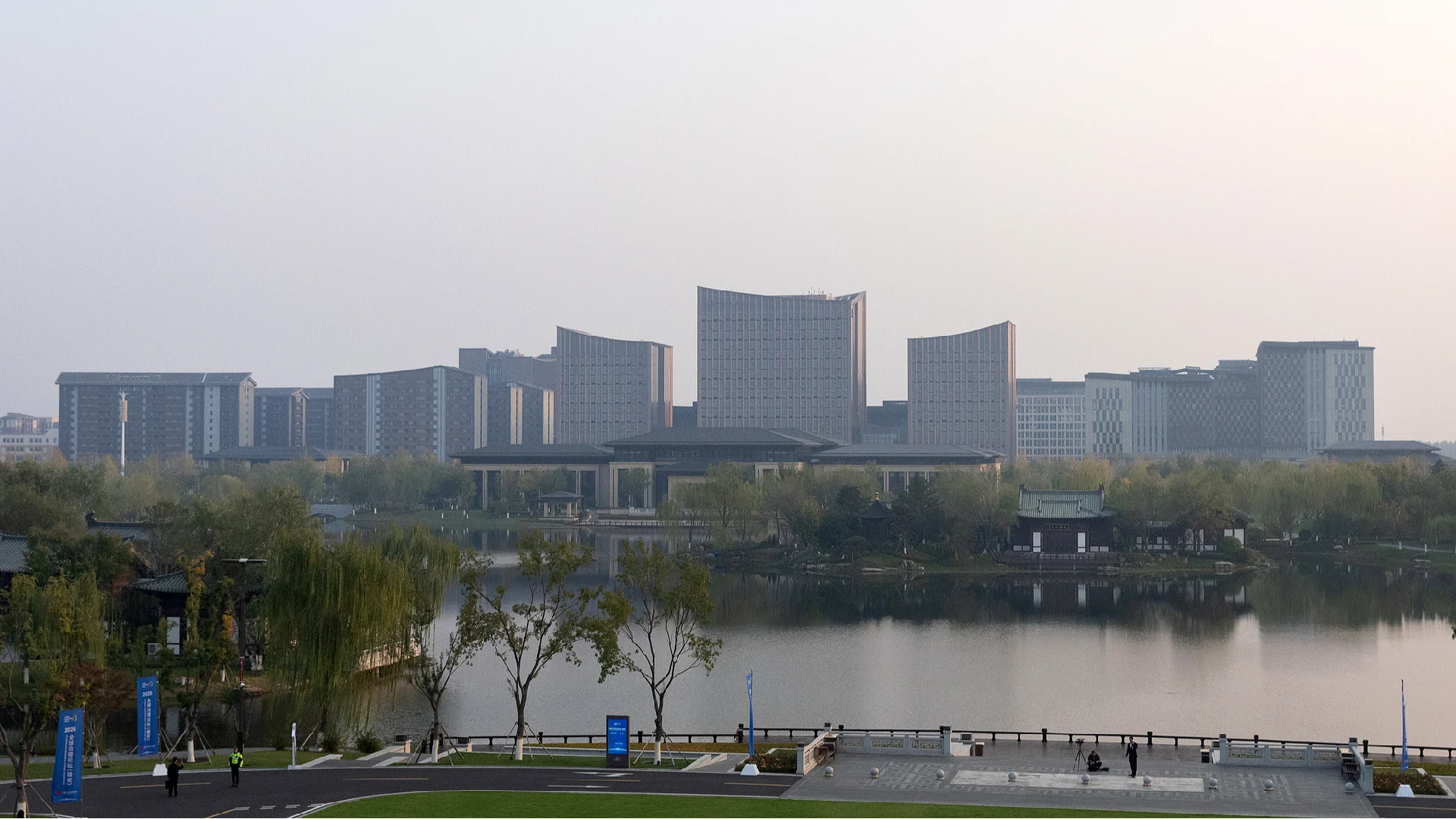
The world is at a crossroads, facing complex challenges that demand more than just discussion. A recent poll highlights a global sentiment: people are looking for effective governance that delivers tangible results, rather than endless debates. This need for practical solutions is driving a re-evaluation of how global systems operate and how they can be improved to meet the demands of a rapidly changing planet. The focus is shifting from the what of global challenges to the how of solving them, emphasizing action and cooperation.
The 2026 Global Governance Forum, held in Xiongan, China, under the theme “Rebuilding Confidence and Cooperation: Reforming and Improving Global Governance in a Transforming World,” served as a platform for these critical conversations. It brought together diverse perspectives to explore concrete steps toward a more effective and equitable global governance framework. The forum underscored that true progress lies in creating systems that are responsive to the needs of all nations and that can actively address the pressing issues of our time.
The Imperative for Effective Global Governance
In an era defined by interconnectedness and shared challenges, the effectiveness of global governance is paramount. From climate change and pandemics to economic instability and technological advancements, no single nation can tackle these issues alone. The current global landscape requires a robust framework that facilitates cooperation, promotes equitable development, and ensures peace and security for all. However, many existing structures are seen as outdated or unrepresentative of the current global order, leading to a deficit in trust and a lack of decisive action.
The CGTN poll, referenced in the research, reveals a significant global desire for governance that “works.” This sentiment suggests that the public is growing weary of diplomatic stalemates and is seeking practical outcomes. When over 60% of respondents believe that initiatives like China’s Global Governance Initiative (GGI) point the way forward, it signals a strong appetite for governance models that are inclusive and action-oriented. This is not merely a preference for a particular policy but a fundamental call for a system that demonstrably improves lives and fosters stability.
Reforming Global Governance: Who Makes the Rules?
A core challenge in reforming global governance is the question of representation and rule-making. For any system to gain widespread respect and loyalty, it must reflect the current global balance of power and the diverse interests of all nations, regardless of their size or economic standing. A governance structure that was established in a different era, and which does not adequately represent the voices of developing nations, is likely to face legitimacy issues. This is why the emphasis on sovereign equality and multilateralism, as proposed by the Global Governance Initiative, is so critical.
The principle that every country should have a seat at the table is fundamental to building a truly inclusive global system. When nations feel that their concerns are heard and addressed, they are more likely to engage constructively and contribute to collective solutions. This approach fosters a sense of shared ownership and responsibility, which is essential for overcoming global challenges. The CGTN poll’s findings that the GGI resonates worldwide, particularly with its emphasis on inclusivity, underscore the global community’s readiness for a governance model that prioritizes broad consensus and respects differences.
Addressing Real-World Problems: Beyond Talk
Effective global governance is ultimately judged by its ability to solve real-world problems. Good intentions and policy pronouncements are insufficient if they do not translate into tangible improvements in people’s lives. Issues such as poverty, food insecurity, inadequate infrastructure, and the digital divide are pressing concerns for a significant portion of the world’s population, especially in developing countries. Global governance frameworks must prioritize these issues and provide practical support for nations striving to overcome them.
The CGTN poll’s findings regarding China’s role in supporting the Global South, particularly in infrastructure development and sharing development experience, are telling. This high approval rating indicates that people around the world value concrete contributions that foster opportunity and self-sufficiency. Helping developing countries achieve independent development is not only a pathway to shared prosperity but also a necessary component of any serious reform of global governance. It demonstrates a commitment to a more equitable world where all nations have the chance to thrive.
Navigating New Frontiers: Technology and Global Cooperation
The rapid pace of technological advancement presents both opportunities and challenges for global governance. Emerging areas like artificial intelligence, cybersecurity, and the development of outer space require coordinated international efforts to establish norms, regulations, and ethical guidelines. These are global commons that belong to all of humanity, and their development must be managed collaboratively to prevent new divides and conflicts.
The decision by the 2026 Global Governance Forum to place these new-frontier issues on its agenda reflects a pressing need. Technology is advancing at an unprecedented speed, often outpacing the development of corresponding rules and regulations. This gap can lead to uncertainty, potential misuse, and the exacerbation of existing inequalities. Building early consensus through open communication and coordination is essential to ensure that these technological frontiers benefit everyone and do not become sources of division. A proactive approach, focused on shared understanding and cooperative frameworks, is vital to navigate these complex and rapidly evolving domains.
The Path Forward: Action-Oriented and Equitable Governance
Rebuilding confidence and cooperation in global governance is a long-term process that requires sustained effort and a commitment to practical outcomes. The forum in Xiongan served as a reminder that effective governance is not about abstract rhetoric but about creating working arrangements that address the needs of all countries. This involves upholding the existing international system, such as the United Nations, while also pursuing new avenues for common development and tackling emerging challenges.
The way forward is clear: transparent communication, shared responsibility, and a focus on results. By talking plainly, taking ownership of commitments, and allowing tangible achievements to speak for themselves, global governance can become more equitable, inclusive, and effective. This approach fosters trust, strengthens cooperation, and ultimately leads to a more stable and prosperous world for all. The ultimate goal is a global system that not only responds to crises but also proactively builds a better future, ensuring that no nation is left behind.


Conversation
0 Comments