

The Simandou railway project in Guinea represents a significant undertaking in global resource development and international cooperation. This massive project involves not only the extraction of vast iron ore deposits but also the construction of essential infrastructure, including a dedicated railway line and port facilities. The success of such an ambitious venture hinges on skilled labor and efficient operations, making the training and development of local workforces a critical component. China’s involvement, particularly through vocational training programs, highlights a broader trend of international collaboration in developing countries, aiming to build capacity and foster sustainable economic growth. This article will explore the structure and implications of the Simandou railway project, examining its various components, the role of international partnerships, and the impact on Guinea’s development.
The Simandou Iron Ore Project: A Foundation for Development
The Simandou project, located in southeastern Guinea, is poised to become one of the world’s largest iron ore mining operations. The sheer scale of the iron ore reserves at Simandou is staggering, estimated to be among the richest and highest-grade deposits globally. Extracting these resources requires sophisticated mining techniques and extensive infrastructure to transport the ore to market. The project is divided into several blocks, with different companies or consortia managing different sections. These blocks are not only rich in iron ore but also present unique geological and logistical challenges that must be overcome.
The development of Simandou is not just about mining; it’s about creating an entire ecosystem of support. This includes the construction of a new, deep-water port to handle the massive volumes of ore exports and, crucially, a dedicated railway line stretching over 600 kilometers from the mine site to the coast. This railway is a monumental engineering feat, traversing challenging terrain and requiring significant investment in construction and maintenance. The railway’s capacity is designed to handle millions of tons of ore annually, making it a vital artery for the project’s economic viability.
The project’s timeline has been complex, with various phases of development and ownership changes over the years. However, recent progress indicates a renewed commitment to bringing the project to fruition. The involvement of major international players, including Chinese companies, has injected new momentum. These companies bring not only capital but also technological expertise and operational experience, which are essential for a project of this magnitude. The successful extraction and transportation of iron ore from Simandou are expected to have a profound impact on Guinea’s economy, potentially transforming it into a major global supplier of this essential commodity.
Building Capacity: The Role of Vocational Training
A project as large and complex as Simandou requires a substantial and skilled workforce. While international expertise is vital, the long-term sustainability and economic benefits for Guinea depend on developing local talent. Recognizing this, international partners, particularly China, have invested in vocational training programs designed to equip Guinean citizens with the skills needed to operate and maintain the project’s infrastructure.
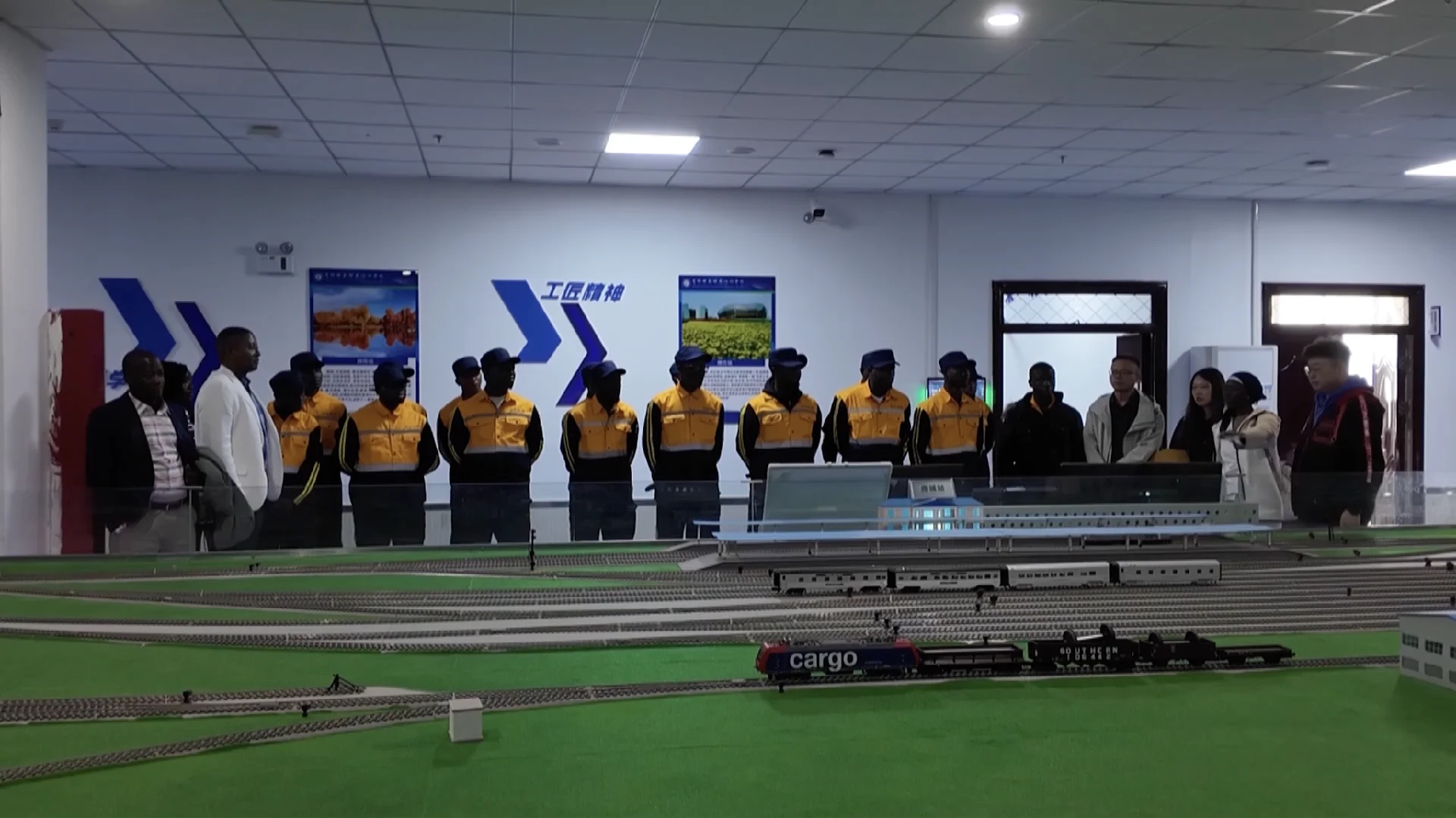
The training program mentioned in the research data, where 62 Guinean trainees were sent to Baotou, China, is a prime example of this commitment. This four-month course is not a superficial introduction; it combines theoretical classroom learning with practical simulations and hands-on experience with real locomotives. This comprehensive approach ensures that the trainees gain a deep understanding of railway operations, from driving and maintenance to safety protocols. The goal is to create a cadre of skilled professionals who can manage the railway line serving the Simandou iron ore project once it is fully operational.
This initiative is more than just job training; it’s a cornerstone of the Belt and Road Initiative’s focus on capacity building and people-to-people exchanges. By investing in education and skills development, China aims to foster local ownership and expertise, ensuring that the benefits of the project are shared more broadly within Guinea. This approach helps to build a skilled workforce that can support not only the Simandou project but also contribute to the broader development of Guinea’s industrial and transportation sectors. The success of these training programs can serve as a model for future international cooperation in developing countries, demonstrating how infrastructure projects can be integrated with human capital development.
The Simandou Railway: An Engineering Marvel
The railway line connecting the Simandou mine to the port is arguably the most critical piece of infrastructure for the project’s success. This is not a standard railway; it’s a purpose-built, heavy-haul line designed to transport millions of tons of iron ore annually. The engineering challenges involved in its construction are immense, given the rugged terrain of Guinea, which includes mountains, dense forests, and rivers.
The railway’s design must account for steep gradients, sharp curves, and the sheer weight of the ore trains. This requires advanced engineering solutions, including specialized track construction, powerful locomotives, and robust signaling systems. The route has been meticulously planned to minimize environmental impact while ensuring operational efficiency. The construction process itself is a massive undertaking, involving thousands of workers, heavy machinery, and a complex logistical network to supply materials and equipment.
Beyond the physical construction, the operational aspect of the railway is equally demanding. Running a high-frequency, heavy-haul service requires sophisticated management systems, including scheduling, maintenance, and safety protocols. The training of Guinean crews, as highlighted, is essential for ensuring that the railway can be operated safely and efficiently in the long term. The railway’s success is directly tied to the mine’s productivity and the port’s capacity, forming an interconnected system that must function seamlessly.
The economic implications of this railway are far-reaching. It not only facilitates the export of iron ore but also has the potential to improve connectivity within Guinea, potentially opening up new economic opportunities in the regions it traverses. It can serve as a vital transportation corridor for other goods and passengers, contributing to the country’s overall infrastructure development. The railway is, therefore, a symbol of Guinea’s growing industrial capacity and its integration into the global economy.
The Port Infrastructure: Gateway to Global Markets
Complementing the railway is the development of a new deep-water port. This port is essential for exporting the vast quantities of iron ore extracted from Simandou to international markets. The choice of location and the design of the port are critical factors, requiring careful consideration of factors such as water depth, tidal conditions, and proximity to the railway terminus.
The port facilities must be capable of handling massive bulk carriers, the type of ships used to transport commodities like iron ore across oceans. This involves the construction of specialized loading equipment, such as conveyor systems and shiploaders, capable of efficiently transferring ore from stockpiles to vessels. Storage areas, or stockyards, are also crucial for managing the flow of ore from the railway and ensuring a continuous supply for export.
The development of the port is not just about handling iron ore. It also presents an opportunity to create a modern logistics hub that can support other industries and trade activities in Guinea. A well-equipped port can attract investment in related sectors, such as shipping, logistics, and manufacturing, further diversifying Guinea’s economy. The construction and operation of the port will also create numerous jobs, both directly and indirectly, contributing to local employment and economic growth.
The integration of the mine, railway, and port forms a complete value chain. Each component must be designed and operated in harmony to ensure the project’s overall success. The port acts as the final link, connecting Guinea’s resources to the global marketplace. Its efficiency and capacity will directly influence the profitability and competitiveness of the Simandou iron ore project.
International Cooperation and the Belt and Road Initiative
The Simandou project is a significant example of international cooperation, particularly within the framework of China’s Belt and Road Initiative (BRI). The BRI is a global development strategy adopted by the Chinese government involving infrastructure development and investments in nearly 150 countries and international organizations. It aims to foster economic connectivity and cooperation on a global scale.
In the context of Simandou, China’s involvement extends beyond mere investment. It includes the transfer of technology, expertise, and management practices. The vocational training program for Guinean railway crews is a clear demonstration of the BRI’s emphasis on capacity building and human capital development. This approach seeks to ensure that developing countries can not only benefit from infrastructure projects but also develop the skills and knowledge to manage and maintain them independently.
The partnership between China and Guinea on this project is mutually beneficial. For Guinea, it offers the potential for significant economic growth, job creation, and infrastructure development. For China, it secures access to vital raw materials and provides opportunities for its companies to expand their global reach and expertise. This type of cooperation, when managed effectively, can lead to shared prosperity and foster stronger diplomatic ties between nations.
However, such large-scale international projects also come with complexities. Issues such as environmental impact, labor practices, and equitable benefit sharing need careful consideration and transparent management. The success of the Simandou project, and similar BRI initiatives, will depend on the ability of all stakeholders to address these challenges responsibly and ethically, ensuring that development is sustainable and inclusive. The training of local workers is a positive step towards ensuring that the benefits are shared within Guinea.
Economic Impact and Future Prospects for Guinea
The Simandou iron ore project has the potential to be a game-changer for Guinea’s economy. As one of the world’s poorest countries, Guinea has vast natural resources but has historically struggled to translate these into widespread economic development. The Simandou project, with its integrated infrastructure of mine, railway, and port, offers a unique opportunity to alter this trajectory.
The direct economic benefits will come from export revenues generated by the sale of iron ore. This influx of foreign currency can help to stabilize Guinea’s economy, fund public services, and reduce reliance on foreign aid. Furthermore, the project will create thousands of direct and indirect jobs, providing employment opportunities for Guinean citizens and boosting local economies in the regions surrounding the project. The demand for local goods and services by the project will also stimulate small and medium-sized enterprises.
Beyond the immediate economic gains, the development of world-class infrastructure like the Simandou railway and port can have a transformative long-term impact. These facilities can serve as a foundation for further industrialization and diversification of Guinea’s economy. Improved transportation links can attract investment in other sectors, such as agriculture, manufacturing, and tourism. The skills acquired by the local workforce through training programs will also be transferable to other industries, contributing to a more skilled and productive national labor force.
However, realizing these benefits requires careful management and strategic planning. Guinea must ensure that it has robust governance structures in place to manage the revenues generated by the project effectively and transparently. Investing in education, healthcare, and other social services will be crucial to ensure that the benefits of resource extraction are shared broadly among the population. The success of the Simandou project will ultimately be measured not just by the volume of iron ore exported, but by its contribution to Guinea’s sustainable development and the improved well-being of its people. The commitment to training local crews is a positive indicator of this broader vision.
Challenges and Considerations
Despite the immense potential, the Simandou project faces several challenges that must be carefully managed. One of the primary concerns is the environmental impact of such a large-scale mining and infrastructure development. The construction of the railway and port, as well as the mining operations themselves, can lead to deforestation, habitat disruption, and potential pollution of water sources. Mitigation strategies, including reforestation efforts, wildlife protection measures, and strict environmental monitoring, are essential to minimize these impacts.
Social impact is another critical consideration. Large infrastructure projects can lead to displacement of local communities, changes in land use, and potential social disruption. Ensuring that local communities are consulted, adequately compensated, and benefit from the project through employment and community development initiatives is vital for social harmony and project sustainability. The training programs are a good start, but broader community engagement is necessary.
Logistical complexities are inherent in a project of this scale, especially in a developing country with challenging terrain and existing infrastructure limitations. Ensuring the timely delivery of materials, equipment, and personnel to remote mine sites and construction areas requires sophisticated planning and execution. Maintaining the vast network of roads, railways, and port facilities will also require ongoing investment and skilled management.
Furthermore, the global market for iron ore is subject to price fluctuations. The profitability of the Simandou project will depend on sustained demand and favorable market prices. Diversifying Guinea’s economy beyond iron ore extraction will be crucial to avoid over-reliance on a single commodity and to build a more resilient economic future. The development of other sectors, supported by the new infrastructure, will be key to long-term economic stability.
Finally, ensuring transparent and effective governance is paramount. Guinea must establish strong regulatory frameworks and oversight mechanisms to manage the project, ensure compliance with environmental and social standards, and guarantee that the revenues generated are used for the benefit of the nation. International partnerships can play a role in supporting these governance efforts, but ultimately, national leadership and commitment are essential.
Conclusion
The Simandou railway project, alongside its associated mining and port infrastructure, represents a monumental endeavor with the potential to reshape Guinea’s economic landscape. It is a testament to international cooperation, particularly through initiatives like the Belt and Road Initiative, which aim to foster development through large-scale infrastructure projects. The project’s success hinges on the intricate coordination of mining operations, a state-of-the-art railway system, and efficient port facilities, all designed to unlock the vast iron ore reserves of the Simandou region.
A critical element of this ambitious undertaking is the focus on human capital development. The training of Guinean railway crews in China exemplifies a commitment to building local capacity, ensuring that the nation’s own citizens are equipped with the skills to manage and operate these vital assets. This approach not only supports the immediate needs of the Simandou project but also contributes to Guinea’s long-term industrial and technical advancement.
While the economic prospects are significant, the project is not without its challenges. Environmental stewardship, social responsibility, logistical hurdles, and market volatility require careful and continuous management. Guinea’s ability to navigate these complexities, coupled with strong governance and a strategic vision for economic diversification, will determine the extent to which the Simandou project translates into sustainable and inclusive development for its people. The integrated structure of the Simandou project, from mine to port, supported by international collaboration and local training, sets a precedent for resource development in the 21st century.

Conversation
0 Comments