

Understanding Disaster Relief and Recovery Efforts
When natural disasters strike, the immediate aftermath is a critical period for saving lives and providing essential support. This phase is known as disaster relief. Following closely is the longer-term process of disaster recovery, which focuses on rebuilding communities and restoring normalcy. Both aspects require careful planning, significant resources, and coordinated action from various organizations and government bodies. Understanding the structure and components of these efforts is key to appreciating the challenges and successes involved in helping affected populations.
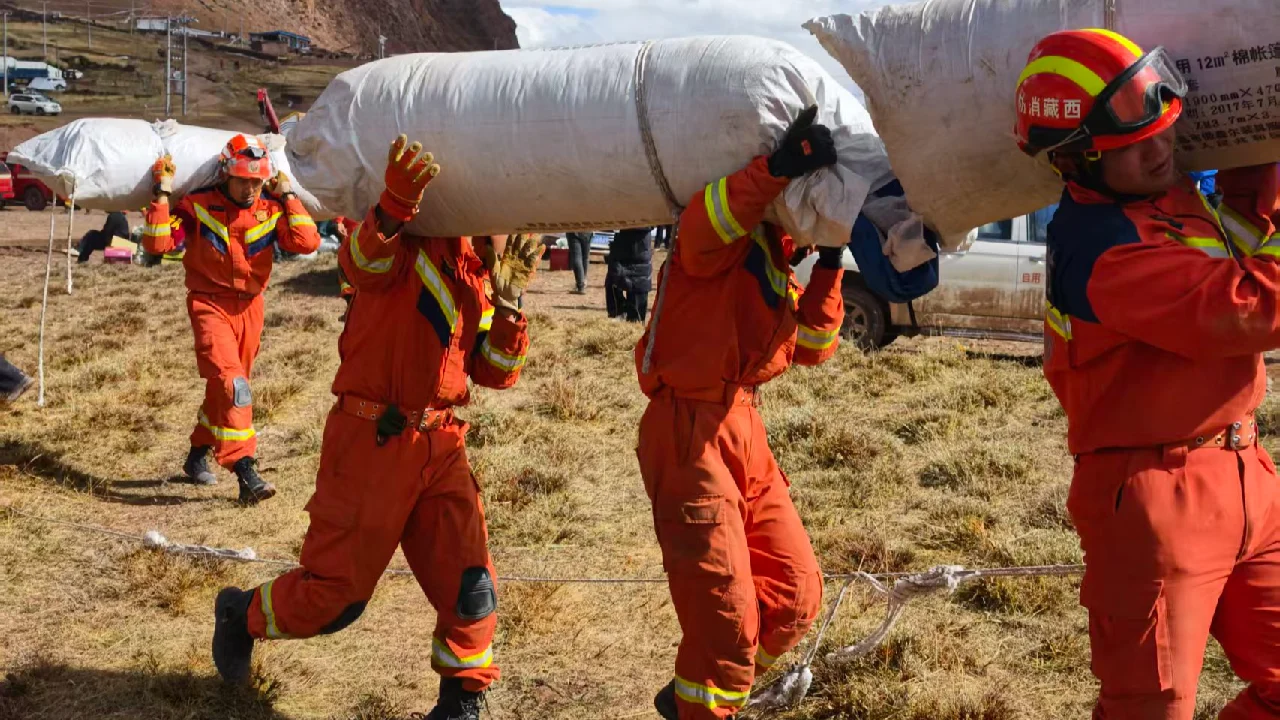
The Chinese government, for instance, demonstrated a structured approach when a magnitude-7.0 earthquake hit the Xizang Autonomous Region. The response involved immediate financial allocations for relief and a separate, forward-looking earmarking of funds for recovery. This dual approach highlights the importance of addressing both the urgent needs of survivors and the long-term rebuilding of damaged infrastructure and public services. The allocation of 50 million yuan for immediate relief and another 30 million yuan for recovery efforts shows a commitment to a comprehensive strategy. This kind of organized response is vital for minimizing the impact of such devastating events and for helping communities bounce back.
Immediate Disaster Relief Operations
The first hours and days after a disaster are characterized by a race against time. The primary goal of disaster relief is to save lives, provide immediate medical care, and ensure basic necessities like shelter, food, and water are available to those affected. This phase often involves search and rescue operations, the establishment of temporary shelters, and the distribution of emergency supplies. The effectiveness of relief efforts can significantly impact the survival rates and the immediate well-being of the affected population.
Search and Rescue Missions
When an earthquake or other catastrophic event occurs, specialized teams are often the first responders. These teams, equipped with advanced technology and training, work to locate and extract individuals trapped in collapsed structures or hazardous environments. The speed at which these operations are conducted is paramount, as the chances of survival decrease rapidly with time. In the Xizang earthquake example, China’s national comprehensive fire and rescue force dispatched hundreds of rescuers and vehicles, underscoring the scale of these critical operations. The use of drones for disaster reconnaissance also demonstrates how technology is being integrated to improve the efficiency and safety of search and rescue efforts.
Emergency Shelter and Housing
For those whose homes are destroyed or rendered uninhabitable, temporary shelter is a top priority. This can range from emergency tents to prefabricated housing units. The goal is to provide a safe and secure place for people to stay, protecting them from the elements and offering a degree of privacy and comfort. Providing adequate shelter is not just about physical protection; it also plays a role in the psychological well-being of survivors, offering a sense of stability in a chaotic situation. The allocation of thousands of tents and prefabricated housing units in the Xizang event highlights the scale of displacement and the need for rapid housing solutions.
Distribution of Essential Supplies
Beyond shelter, survivors need immediate access to food, clean water, and medical supplies. Relief organizations and government agencies work to establish distribution points where these essential items can be provided to those in need. This process requires careful logistical planning to ensure that supplies reach the most affected areas efficiently and equitably. The mention of mobile toilets, heating stoves, food, and fuel in the Xizang relief efforts points to the comprehensive nature of essential supplies needed to maintain basic living conditions.
Medical Assistance
Injured individuals require immediate medical attention. Field hospitals, mobile clinics, and medical teams are deployed to provide first aid, treat injuries, and manage any outbreaks of disease that might arise in the aftermath of a disaster. Ensuring access to healthcare is a critical component of disaster relief, aiming to prevent further loss of life and reduce long-term health complications for survivors.
Restoration of Basic Services
In the immediate aftermath, efforts are also made to restore critical services where possible. This can include temporary repairs to power lines, water systems, and communication networks. Restoring these services, even partially, can greatly aid relief efforts and help maintain a semblance of order and communication within the affected community. The swift restoration of 628 base stations that went out of service due to the earthquake in Nagqu City is a prime example of how quickly communication networks can be brought back online, which is vital for coordinating relief and for allowing people to contact loved ones.
Long-Term Disaster Recovery Planning
Once the immediate crisis has been managed, the focus shifts to disaster recovery. This is a more extended process that involves rebuilding infrastructure, restoring economic activity, and helping communities return to a state of normalcy, or even improve upon it. Recovery efforts are often more complex and require sustained commitment and resources.
Infrastructure Rebuilding
A significant part of disaster recovery involves repairing or rebuilding damaged infrastructure. This includes roads, bridges, public buildings, schools, hospitals, and utilities like power and water systems. Rebuilding resilient infrastructure is crucial to prevent similar levels of damage in future events. The 30 million yuan earmarked for recovery efforts in Xizang was specifically designated for restoring damaged infrastructure and public service facilities, indicating a clear understanding of this necessity.
Economic Restoration
Disasters can devastate local economies, destroying businesses and livelihoods. Recovery efforts often include programs to support businesses, provide financial assistance to individuals, and create employment opportunities. Revitalizing the local economy is essential for the long-term sustainability and well-being of the affected community. This can involve grants for small businesses, job training programs, and initiatives to attract new investment.
Community Support and Psychological Well-being
Beyond physical rebuilding, disaster recovery also addresses the social and psychological needs of the community. This can involve providing ongoing counseling services, supporting community rebuilding initiatives, and helping residents cope with trauma and loss. Rebuilding social cohesion and ensuring the mental health of survivors are as important as rebuilding physical structures.
Environmental Remediation
Depending on the nature of the disaster, environmental cleanup and restoration may also be a significant part of the recovery process. This could involve addressing pollution, restoring natural habitats, and implementing measures to mitigate future environmental risks.
Policy and Planning Improvements
Disaster recovery is also an opportunity to review and improve disaster preparedness and response policies. Lessons learned from the event can inform future planning, building codes, and emergency management strategies to make communities more resilient. This forward-looking aspect ensures that recovery efforts contribute to long-term safety and security.
The Role of Government and International Aid
Government agencies at all levels play a central role in coordinating disaster relief and recovery efforts. They are responsible for declaring emergencies, mobilizing resources, and setting policies. In many cases, national governments also seek assistance from international organizations and other countries, especially for large-scale disasters that strain domestic resources.
National Government Responsibilities
National governments typically provide the bulk of funding and resources for disaster response. They can declare national emergencies, deploy military assets if needed, and coordinate efforts between different ministries and agencies. The Ministry of Finance and the Ministry of Emergency Management in China, for example, jointly allocated emergency funds, while the National Development and Reform Commission earmarked funds for recovery. This shows a clear division of responsibilities and a coordinated approach.
International Aid and Cooperation
For severe disasters, international aid can be crucial. This can come in the form of financial assistance, supplies, or specialized personnel from other countries or international humanitarian organizations. International cooperation helps to share the burden and ensure that affected populations receive the support they need.
Non-Governmental Organizations (NGOs)
NGOs often play a vital role in disaster response, working alongside government agencies and international bodies. They can provide specialized services, reach remote populations, and advocate for the needs of affected communities. Their flexibility and on-the-ground presence can be invaluable in both relief and recovery phases.
Public-Private Partnerships
Collaboration between the public and private sectors can also enhance disaster response. Companies can contribute resources, expertise, and logistical support. For example, telecom operators were organized to carry out emergency repair work on affected communications facilities in Xizang, demonstrating the importance of private sector involvement in restoring essential services.
Challenges in Disaster Management
Despite well-laid plans, disaster relief and recovery efforts often face significant challenges. These can include logistical hurdles, communication breakdowns, funding limitations, and the sheer scale of destruction.
Logistical Complexities
Getting aid and personnel to disaster-stricken areas can be incredibly difficult, especially if transportation infrastructure is damaged. Coordinating the arrival and distribution of supplies from multiple sources requires meticulous planning and execution. The vastness of regions like Xizang can add further layers of complexity to these logistical operations.
Communication Barriers
Damaged communication networks can hinder coordination between response teams, government agencies, and the affected population. Ensuring reliable communication channels is essential for effective decision-making and resource allocation. The rapid restoration of base stations in Xizang was a critical step in overcoming this challenge.
Funding and Resource Allocation
Disaster response and recovery are expensive. Securing adequate funding and allocating resources efficiently can be a major challenge, especially for prolonged recovery efforts. Governments must balance disaster needs with other ongoing public expenditures.
Political and Social Factors
Political stability, community cooperation, and the specific social dynamics of an affected region can all influence the effectiveness of relief and recovery operations. Addressing these factors requires sensitivity and a deep understanding of the local context.
Ensuring Equity and Fairness
It is crucial to ensure that aid and resources are distributed equitably, reaching all segments of the affected population, including vulnerable groups. Preventing corruption and ensuring transparency in the allocation process are also important considerations.
Technological Advancements in Disaster Response
Technology is increasingly playing a transformative role in disaster relief and recovery. From early warning systems to sophisticated mapping and communication tools, advancements are improving the speed, efficiency, and effectiveness of response efforts.
Early Warning Systems
Sophisticated systems can now detect and predict natural disasters with greater accuracy, allowing for timely evacuations and preparations. This can significantly reduce loss of life and minimize damage.
Drones and Aerial Surveillance
Drones are proving invaluable for assessing damage, mapping affected areas, and delivering small, critical supplies to inaccessible locations. Their ability to provide real-time aerial views helps response teams understand the scope of the disaster and plan their operations more effectively. The deployment of Wing Loong drones for disaster reconnaissance in Xizang is a testament to this technology’s utility.
Satellite Imagery and GIS
Satellite imagery and Geographic Information Systems (GIS) provide detailed maps of affected areas, helping to identify critical infrastructure, population centers, and areas of greatest need. This data is essential for planning rescue routes and resource distribution.
Communication Technologies
Mobile communication technologies, satellite phones, and emergency communication networks are vital for maintaining contact between response teams and with the affected population. Innovations in these areas help overcome communication breakdowns caused by disasters.
Data Analytics and AI
The use of data analytics and artificial intelligence is helping to process vast amounts of information related to disasters, predict needs, and optimize resource allocation. AI can analyze damage reports, social media feeds, and sensor data to provide insights that inform decision-making.
Case Study: Xizang Earthquake Response
The response to the magnitude-7.0 earthquake in Xizang Autonomous Region provides a concrete example of how disaster relief and recovery efforts are structured and executed. The swift allocation of funds, the deployment of rescue teams, and the restoration of essential services illustrate a coordinated and multi-faceted approach.
Initial Response and Funding
The Chinese government acted quickly, earmarking 50 million yuan for emergency relief and an additional 30 million yuan for recovery. This immediate financial commitment signaled a strong focus on addressing both immediate needs and long-term rebuilding. The upgrading of the national earthquake emergency response to Level III also indicated the seriousness of the situation and the mobilization of national resources.
Search and Rescue Operations
Hundreds of rescuers and vehicles were dispatched to the quake-hit areas. The use of drones for reconnaissance and the rapid arrival of rescue teams highlight the emphasis placed on saving lives in the critical initial hours. The coordination between different rescue corps and emergency management departments was key to these efforts.
Restoration of Communications
The Ministry of Industry and Information Technology’s swift action to organize local telecom operators resulted in the restoration of all affected base stations. This rapid recovery of communication networks was crucial for coordinating relief efforts and for allowing residents to connect with the outside world.
Provision of Relief Supplies
Thousands of relief items, including tents, coats, folding beds, mobile toilets, heating stoves, food, and fuel, were allocated and distributed. This comprehensive approach ensured that the basic needs of displaced residents were met, providing them with shelter and sustenance.
Upgraded Response Levels
The upgrading of the national natural disaster relief response to Level III, along with the dispatch of joint working groups to disaster areas, demonstrated a high level of governmental engagement and oversight. This ensured that relief efforts were guided effectively and that resources were managed efficiently.
The Importance of Preparedness and Resilience
While disaster response and recovery are critical, the ultimate goal is to build more resilient communities that can withstand and recover from disasters more effectively. This involves a proactive approach to preparedness and mitigation.
Disaster Preparedness Plans
Communities and governments need robust disaster preparedness plans that outline roles, responsibilities, and procedures for various types of emergencies. Regular drills and training exercises are essential to ensure that these plans are effective and that personnel are well-prepared.
Building Codes and Infrastructure Standards
Implementing and enforcing strict building codes that account for seismic activity, extreme weather, and other local risks can significantly reduce damage during disasters. Investing in resilient infrastructure is a long-term strategy for minimizing the impact of future events.
Public Education and Awareness
Educating the public about potential risks and how to prepare for them is a vital part of building resilience. Awareness campaigns can empower individuals and families to take appropriate actions before, during, and after a disaster.
Community Engagement
Engaging communities in preparedness efforts fosters a sense of shared responsibility and strengthens social networks, which are invaluable during times of crisis. Local knowledge and participation are essential for developing effective and context-specific preparedness strategies.
Investing in Mitigation Measures
Mitigation involves taking steps to reduce the likelihood or impact of disasters. This can include measures like flood control systems, early warning technologies, and land-use planning to avoid building in high-risk areas.
Conclusion
Disaster relief and recovery are complex, multi-stage processes that demand significant resources, coordination, and commitment. From the immediate life-saving efforts of search and rescue to the long-term rebuilding of communities, every phase is critical. The example of the Xizang earthquake response highlights the structured approach governments take, involving rapid financial aid, deployment of specialized teams, and restoration of essential services. As technology advances and our understanding of disaster management deepens, the focus increasingly shifts towards building resilience and preparedness. By investing in robust plans, resilient infrastructure, public education, and proactive mitigation, communities can better withstand the inevitable challenges posed by natural disasters, ultimately saving lives and fostering stronger, more secure futures.



Conversation
0 Comments