

Navigating International Relations: A Case Study in Cultural Diplomacy and Public Relations
In today’s interconnected world, the actions and words of individuals, especially those in the public eye, can have far-reaching consequences. This is particularly true in the realm of international relations, where cultural understanding and respect are paramount. A recent incident involving a prominent football club and its player highlights the critical importance of effective public relations and cultural sensitivity in managing global perceptions. This situation underscores how a single misstep can necessitate a carefully orchestrated response to mend relationships and reaffirm mutual respect between nations and their people.
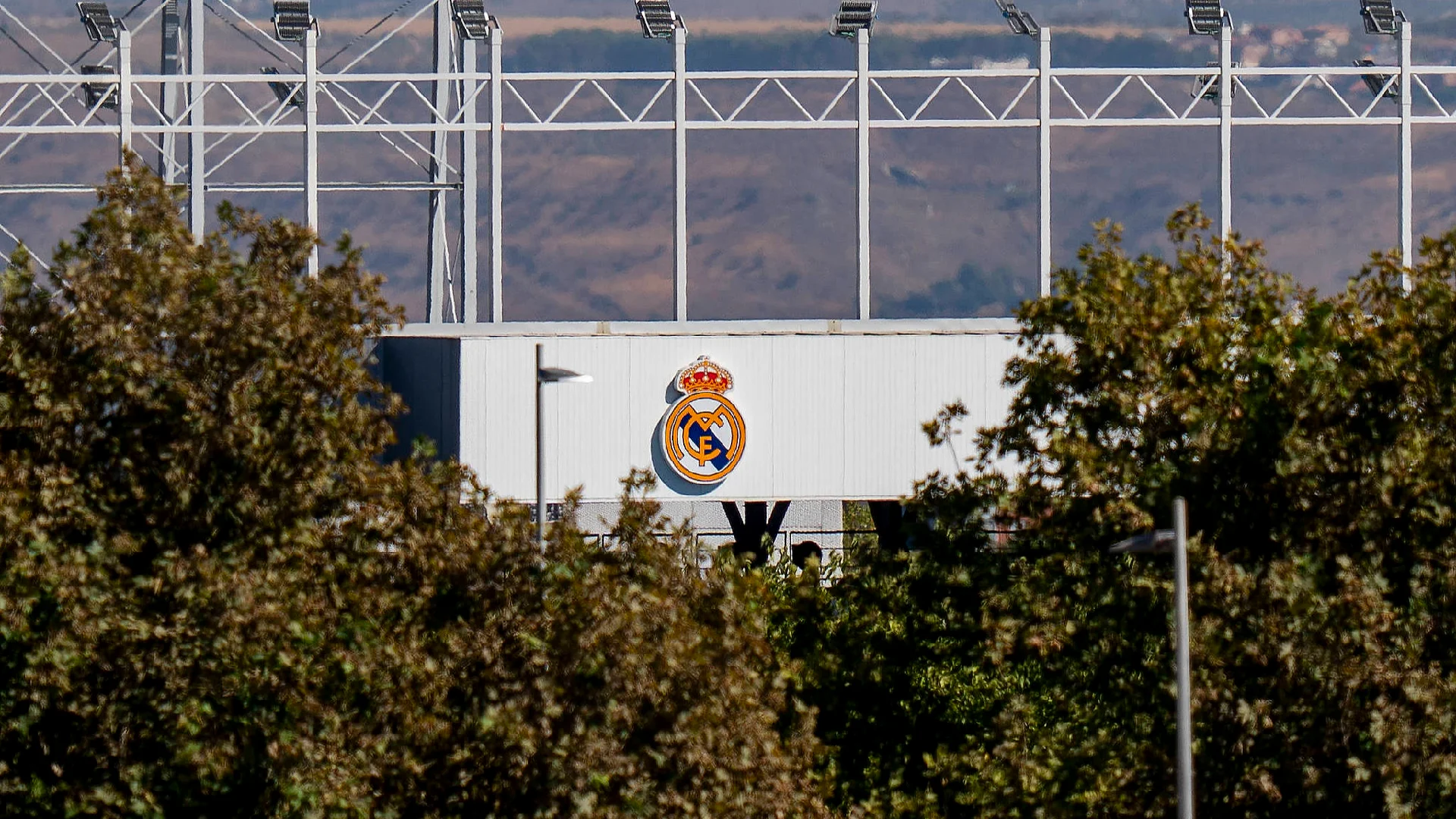
The case of Real Madrid’s apology to the Chinese people over remarks made by player Kylian Mbappe serves as a valuable lesson in modern diplomacy and corporate communication. It demonstrates that even in the fast-paced world of sports, where entertainment often takes center stage, the underlying principles of respect, understanding, and responsible communication remain essential. This analysis will explore the dynamics of this incident, examining the initial issue, the response from various parties, and the broader implications for international public relations and cultural diplomacy.
The Incident and Initial Reactions
The core of the issue stemmed from remarks made by Kylian Mbappe, a star player for the renowned Spanish football club Real Madrid. While the specific nature of the remarks is not detailed in the provided information, their impact was significant enough to warrant a formal apology from the club. The situation escalated when China Media Group (CMG), a major media entity in China, issued a strong rebuke of Mbappe’s comments. CMG’s spokesperson stated that the remarks had “crossed a red line” and exceeded the boundaries of free expression, indicating a deep offense taken by the Chinese public.
CMG further emphasized that Real Madrid, as Mbappe’s employer, shared responsibility for the incident. They rejected the club’s initial explanation that Mbappe had no intention to offend and was merely expressing personal views. This stance highlighted a crucial point in international relations: the perception of intent is often secondary to the impact of words or actions, especially when cultural sensitivities are involved. The spokesperson made it clear that the remarks had “hurt the feelings of the Chinese people” and would face widespread opposition within Chinese society. CMG’s position was firm: an adequate apology from the club was necessary before they would consider the matter resolved. This initial phase of the incident set a clear tone, indicating that a simple dismissal of the issue would not suffice.
Real Madrid’s Response and Apology
In response to the strong criticism from CMG and the implied broader sentiment within China, Real Madrid issued a formal apology. This apology was conveyed through La Liga, the Spanish professional football league, to China Media Group. The letter from the club was carefully worded, aiming to address the concerns raised and to reaffirm its commitment to positive international relations.
Within the apology, Real Madrid expressed “deep respect for China, its history, culture and people.” This acknowledgment of China’s rich heritage and its population was a key element in attempting to de-escalate the situation. The club also specifically mentioned the “millions of Chinese fans who support the club,” recognizing the importance of this significant fan base. This demonstrated an understanding that the incident had the potential to alienate a large and dedicated group of supporters.
Furthermore, the apology included Mbappe’s own earlier public statement, in which he expressed regret for his remarks and reaffirmed his respect for the Chinese people. By incorporating the player’s apology, Real Madrid showed a united front and a collective acknowledgment of the misstep. The club reiterated its commitment to “respect, coexistence and understanding among different cultures.” This statement aimed to position Real Madrid as a global entity that values diversity and intercultural dialogue. The ultimate hope expressed was to “strengthen its ties of friendship with China and its people,” signaling a desire to move past the incident and rebuild trust.
The Role of Cultural Diplomacy
This incident highlights the critical role of cultural diplomacy in managing international relations, especially for global brands and organizations. Cultural diplomacy involves the exchange of ideas, values, and cultural practices between nations to foster mutual understanding and goodwill. In this case, the remarks, regardless of intent, were perceived as a cultural insensitivity, impacting the feelings of a nation.
Real Madrid’s apology was not just a public relations exercise; it was an act of cultural diplomacy. By acknowledging the cultural context and expressing respect for China’s history and people, the club engaged in a form of soft power. This approach seeks to influence through attraction and persuasion rather than coercion. The club’s communication strategy focused on demonstrating an understanding of the cultural offense taken, rather than simply defending the player’s right to free speech. This nuanced approach is often more effective in resolving cross-cultural misunderstandings.
The involvement of La Liga in conveying the apology also signifies the broader responsibility of sports organizations in promoting positive international relations. Football, as a global sport, has a significant cultural footprint, and its major stakeholders are often seen as representatives of their respective nations or cultures. Therefore, their actions and communications are scrutinized not just for their sporting implications but also for their diplomatic ones.
Public Relations Strategies in a Globalized World
The incident provides a clear example of how public relations strategies must adapt to the complexities of a globalized world. What might be considered a minor issue in one cultural context can have significant repercussions in another. Real Madrid’s initial response, which reportedly focused on individual freedom of expression, proved insufficient. The subsequent, more formal apology, which emphasized cultural respect and acknowledged the hurt feelings, was a more effective strategy.
Key elements of successful global public relations, as demonstrated by the eventual resolution, include:
- Timeliness: Addressing the issue promptly is crucial to prevent it from escalating.
- Sincerity: The apology must be perceived as genuine and not merely a perfunctory response.
- Cultural Sensitivity: Understanding and acknowledging the specific cultural context of the offense is paramount.
- Responsibility: Accepting responsibility, even if indirectly, can go a long way in rebuilding trust.
- Clear Communication Channels: Utilizing appropriate channels, like La Liga in this instance, can lend credibility to the message.
- Inclusivity: Recognizing and valuing the diverse fan base and stakeholders is important.
The inclusion of Mbappe’s personal apology within the club’s official communication also demonstrates a strategy of shared responsibility. It shows that the individual player understands the gravity of their words and is willing to take steps to rectify the situation. This personal accountability can resonate more deeply with the affected audience.
The Impact of Media and Social Platforms
The role of media, particularly in the age of social platforms, cannot be overstated in such incidents. CMG’s swift and strong rebuke, disseminated through its various channels, likely amplified the issue and put significant pressure on Real Madrid. Social media platforms, in particular, can rapidly spread information and public sentiment across borders, turning localized incidents into global talking points.
This rapid dissemination means that organizations must be prepared for immediate scrutiny and potential backlash. The speed at which news travels requires a proactive and well-prepared crisis communication plan. What might have been a private matter in the past can quickly become a public international relations issue. The ability of CMG to articulate a clear position and the expectation of an “adequate apology” demonstrates the power of influential media outlets in shaping international discourse.
Broader Implications for International Sports and Business
The Real Madrid-Mbappe incident carries broader implications for international sports organizations and businesses operating on a global scale. It serves as a reminder that economic engagement and cultural engagement are intertwined. Companies and sports entities that seek to benefit from global markets must also invest in understanding and respecting the cultural nuances of those markets.
For sports clubs, especially those with massive international followings like Real Madrid, this means:
- Player Education: Implementing robust cultural sensitivity training for players and staff. This training should cover the diverse cultural landscapes where the club has a presence.
- Brand Representation: Ensuring that all public statements and actions align with the club’s brand values, which should include respect and inclusivity.
- Stakeholder Engagement: Maintaining open lines of communication with fan bases and media in different regions.
- Crisis Preparedness: Developing comprehensive crisis communication plans that account for international cultural sensitivities.
The incident also underscores the growing importance of the Chinese market in global sports and entertainment. The strong reaction from CMG indicates that Chinese audiences and media are increasingly assertive in demanding respect and cultural consideration from international entities. This trend is likely to continue as China’s global influence grows.
Conclusion
The apology issued by Real Madrid to the Chinese people over Kylian Mbappe’s remarks is a significant case study in navigating the complexities of international relations in the 21st century. It highlights how cultural understanding, effective public relations, and a commitment to respect are not merely optional extras but essential components of global engagement. The incident demonstrates that in an interconnected world, words and actions can have profound diplomatic consequences, requiring a thoughtful and sensitive response.
Real Madrid’s eventual apology, which emphasized respect for China’s culture and people, along with the player’s personal regret, served to mend fences and reaffirm the club’s commitment to positive international ties. This approach, rooted in cultural diplomacy and strategic public relations, offers a valuable model for other global organizations facing similar challenges. Ultimately, fostering mutual respect and understanding across cultures is key to building strong and lasting relationships in our increasingly globalized society.


Conversation
0 Comments