

Understanding Global Supply Chains: A Deep Dive into Interconnectedness and Resilience
The modern world relies on a complex web of global supply chains. These intricate networks allow goods to travel from their point of origin to consumers across the globe, fueling economies and shaping daily life. However, recent events have highlighted the fragility of these systems, prompting a closer examination of their structure, vulnerabilities, and the strategies needed to ensure their stability and security. Understanding global supply chains is no longer just an academic exercise; it’s a critical necessity for businesses, governments, and individuals alike.
The concept of global supply chains involves the entire process of producing and delivering a product or service. This includes everything from sourcing raw materials and manufacturing components to assembling finished goods, managing inventory, and distributing them to end-users. Each step in this process is interconnected, meaning a disruption in one area can have ripple effects throughout the entire chain. For instance, a natural disaster in a key manufacturing region can halt production, leading to shortages and price increases for consumers thousands of miles away.
This article will explore the multifaceted nature of global supply chains, analyzing their fundamental components, the challenges they face, and the innovative approaches being developed to build greater resilience. We will look at how economic complementarity and intertwined industries, such as those between China and Europe, create mutually beneficial relationships that are essential for global trade. By dissecting these complex systems, we can gain a clearer picture of how they function and what is required to safeguard them for the future.
The Anatomy of Global Supply Chains
At its core, a global supply chain is a system designed to move a product or service from its initial source to the final consumer. This journey involves numerous stages, each with its own set of actors and processes. Understanding these stages is key to appreciating the complexity and interconnectedness of the entire network.
Sourcing Raw Materials and Components
The first step in any supply chain is acquiring the basic materials needed for production. This can range from agricultural products like cotton or coffee beans to minerals like copper or lithium, and even manufactured components like microchips or textiles. The location of these resources often dictates the initial stages of the supply chain, with companies sourcing from regions known for their specific raw materials or specialized component manufacturing. Factors such as cost, availability, quality, and geopolitical stability all play a role in these sourcing decisions.
Manufacturing and Production
Once raw materials and components are gathered, they move to manufacturing facilities. This is where the actual production of goods takes place. Manufacturing can be a multi-stage process, with different components being produced in various locations before being brought together for final assembly. For example, a smartphone might have its processor manufactured in one country, its screen in another, and its final assembly completed in a third. This geographical distribution of manufacturing is a hallmark of global supply chains, driven by factors like labor costs, specialized expertise, and access to markets.
Logistics and Transportation
The movement of goods between these different stages is managed by logistics and transportation networks. This involves a vast array of methods, including shipping by sea, air cargo, rail, and road transport. Efficient logistics are crucial for keeping supply chains moving smoothly and cost-effectively. Delays in transportation, whether due to port congestion, weather events, or geopolitical issues, can have significant impacts on the entire chain. The optimization of shipping routes, warehousing, and inventory management is a constant focus for businesses operating in the global marketplace.
Distribution and Retail
After production and assembly, finished goods are distributed to various channels to reach the end consumer. This can include wholesale distribution, direct-to-consumer sales, and retail outlets. The final leg of the supply chain involves getting the product into the hands of the customer, whether through online sales or brick-and-mortar stores. Effective distribution strategies ensure that products are available when and where consumers want them, influencing purchasing decisions and customer satisfaction.
Information Flow and Management
Beyond the physical movement of goods, a critical, often invisible, component of global supply chains is the flow of information. This includes data on inventory levels, production schedules, shipping statuses, and customer demand. Advanced supply chain management systems use this information to track goods, predict demand, identify potential bottlenecks, and make informed decisions. The digitalization of supply chains, often referred to as Industry 4.0, is transforming how information is managed, leading to greater transparency and efficiency.
Challenges Facing Global Supply Chains
The interconnected nature of global supply chains, while enabling efficiency and specialization, also makes them susceptible to a wide range of disruptions. These challenges can arise from various sources, impacting everything from production timelines to the final cost of goods.
Geopolitical Instability and Trade Policies
Political events, international disputes, and changes in trade policies can significantly disrupt supply chains. For instance, tariffs imposed between countries can increase the cost of imported goods, forcing companies to find alternative suppliers or absorb the added expense. Trade wars, sanctions, or regional conflicts can halt the movement of goods entirely, creating immediate shortages and long-term uncertainty. The recent call for European and Asian middle powers to build strategic alliances in trade and technology highlights the ongoing efforts to navigate these geopolitical complexities and secure supply lines.
Natural Disasters and Climate Change
Extreme weather events, earthquakes, and other natural disasters can devastate production facilities, transportation infrastructure, and raw material sources. As climate change intensifies, the frequency and severity of such events are increasing, posing a growing threat to supply chain resilience. A single hurricane can shut down ports, a flood can damage factories, and a drought can impact agricultural yields, all of which have cascading effects on global markets.
Economic Fluctuations and Market Volatility
Global economic conditions, including inflation, currency fluctuations, and recessions, can create significant volatility in supply chains. Changes in consumer demand, driven by economic downturns or shifts in spending habits, can lead to overstocking or shortages. Furthermore, the rising costs of energy and raw materials can directly impact the price of goods, affecting both businesses and consumers.
Pandemics and Public Health Crises
The COVID-19 pandemic served as a stark reminder of how public health crises can cripple global supply chains. Lockdowns, travel restrictions, and labor shortages led to widespread disruptions in manufacturing, transportation, and logistics. The pandemic exposed vulnerabilities in systems that relied on just-in-time inventory and single-source suppliers, prompting a reevaluation of risk management strategies.
Technological Disruptions and Cybersecurity Threats
While technology offers solutions for supply chain optimization, it also introduces new vulnerabilities. Cyberattacks can disrupt operations, compromise sensitive data, and halt the flow of information critical to supply chain management. The increasing reliance on digital systems means that cybersecurity must be a top priority for organizations to protect their operations from malicious actors.
Labor Shortages and Skill Gaps
Across various sectors, from manufacturing to logistics, labor shortages and skill gaps can impede the smooth functioning of supply chains. An aging workforce, a lack of skilled technicians, or difficulties in attracting new talent can lead to production delays and increased operational costs. Ensuring a stable and skilled workforce is essential for maintaining the capacity and efficiency of global supply networks.
Building Resilience in Global Supply Chains
In response to the numerous challenges, there is a growing emphasis on building more resilient and adaptable global supply chains. This involves a strategic shift from prioritizing cost efficiency above all else to balancing efficiency with robustness and agility.
Diversification of Suppliers and Sourcing Locations
A key strategy for enhancing resilience is to diversify the supplier base and sourcing locations. Instead of relying on a single supplier or a concentrated geographic region, companies are increasingly looking to spread their sourcing across multiple vendors and countries. This reduces the risk of a single point of failure. If one supplier or region is affected by a disruption, others can potentially pick up the slack, ensuring continuity of operations. This approach also allows businesses to tap into different markets and leverage varying strengths of different regions.
Nearshoring and Reshoring
Nearshoring, the practice of moving production closer to the end market, and reshoring, bringing production back to the home country, are gaining traction. These strategies can reduce transportation times and costs, mitigate risks associated with long-distance logistics, and improve responsiveness to market changes. While these moves might sometimes involve higher labor costs, the benefits of increased control, reduced lead times, and enhanced supply chain security are often seen as outweighing the initial investment. This can also foster local economies and create jobs within a nation.
Enhanced Visibility and Data Analytics
Improving visibility across the entire supply chain is crucial for identifying potential risks and responding effectively to disruptions. This involves leveraging technology, such as the Internet of Things (IoT), blockchain, and advanced analytics, to track goods in real-time, monitor inventory levels, and predict demand more accurately. With better data, companies can make proactive decisions, reroute shipments, and adjust production schedules to minimize the impact of unforeseen events. Real-time data allows for quicker identification of issues, such as a delay at a port or a shortage of a specific component.
Building Strategic Partnerships and Collaboration
Collaboration among supply chain partners is essential for building collective resilience. This includes fostering strong relationships with suppliers, logistics providers, and even competitors. Sharing information, jointly developing contingency plans, and working together to address common challenges can create a more robust network for everyone involved. For example, industry-wide initiatives to improve port efficiency or develop standardized tracking systems can benefit all participants. Open cooperation, as advocated between China and Europe, can lead to mutually beneficial outcomes by recognizing economic complementarity and intertwined industries.
Inventory Management Strategies
While just-in-time (JIT) inventory systems aim to minimize holding costs by keeping minimal stock, they can be vulnerable to disruptions. Companies are now exploring more balanced inventory strategies, such as holding strategic buffer stocks of critical components or finished goods. This “just-in-case” approach provides a safety net during times of uncertainty, ensuring that production and delivery can continue even if the supply chain experiences a temporary interruption. The optimal level of inventory is a careful balance between cost and risk mitigation.
Investing in Technology and Automation
Technology plays a vital role in enhancing supply chain efficiency and resilience. Automation in warehouses, advanced robotics in manufacturing, and AI-powered forecasting tools can improve productivity, reduce errors, and adapt to changing conditions. Digital twins, which are virtual replicas of physical supply chains, can be used to simulate different scenarios and test the effectiveness of various resilience strategies before they are implemented in the real world. Investing in these technologies can provide a significant competitive advantage.
Sustainability and Ethical Sourcing
Increasingly, supply chain resilience is also linked to sustainability and ethical practices. Companies are being pressured by consumers and regulators to ensure that their supply chains are environmentally responsible and socially equitable. This includes reducing carbon emissions, ensuring fair labor practices, and sourcing materials ethically. Building a sustainable supply chain not only aligns with corporate social responsibility goals but can also mitigate risks associated with regulatory changes, reputational damage, and resource scarcity.
The China-Europe Economic Relationship: A Case Study in Interdependence
The economic relationship between China and Europe offers a compelling example of how intertwined industries and economic complementarity can create mutually beneficial global supply chains. Despite geopolitical complexities and calls for strategic alliances, the fundamental economic ties between these two major global players underscore the importance of open cooperation.
China’s role as a manufacturing powerhouse and Europe’s position as a hub for advanced technology and consumer markets create a natural synergy. Europe relies on China for a vast array of manufactured goods, from electronics and textiles to machinery and components, often at competitive prices. This allows European businesses to manage costs and offer a wider range of products to their consumers. In turn, China benefits from access to European markets for its exports, as well as investment and technology transfer from European companies.
The concept of “coming of age” in China policy, as described by German Chancellor Friedrich Merz, suggests a maturing understanding of the relationship. It acknowledges the deep economic integration while also recognizing the need for strategic considerations in trade, technology, and security. The warning that full economic decoupling from China would be a “mistake” highlights the significant economic consequences of such a move. The interconnectedness means that a severe disruption in trade between China and Europe would have far-reaching negative impacts on both economies, affecting employment, consumer prices, and economic growth.
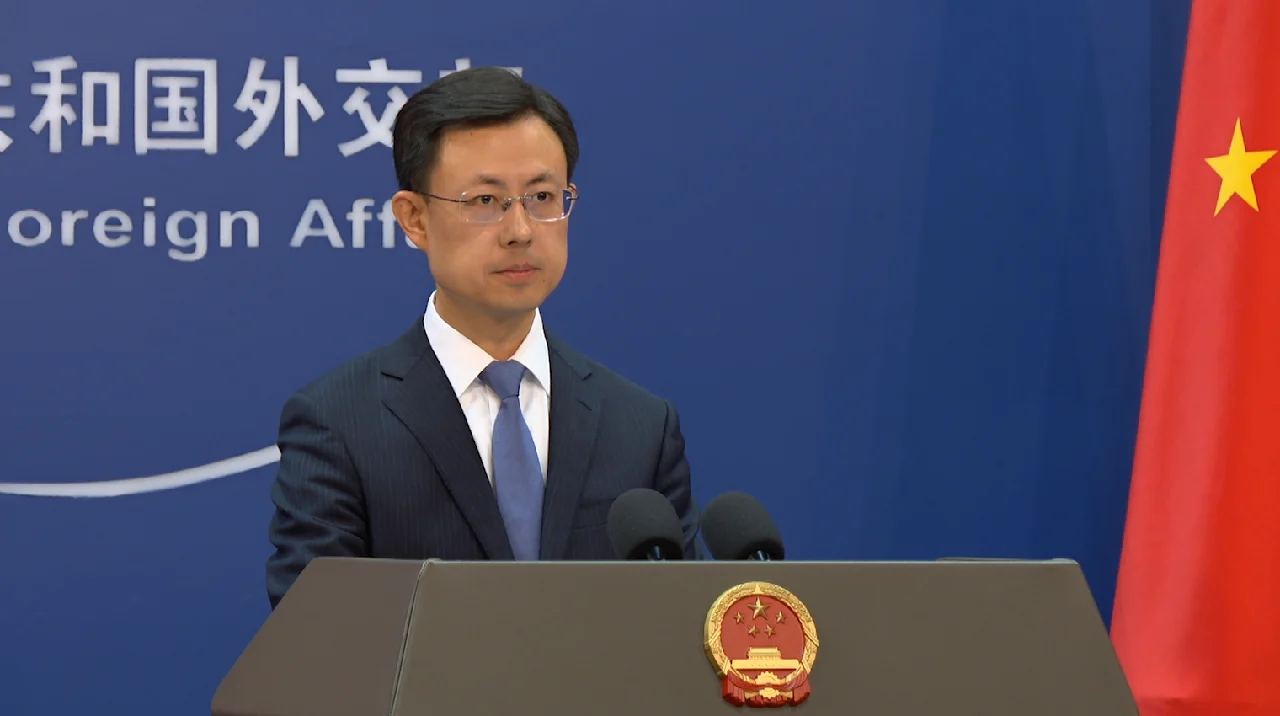
Foreign Ministry spokesperson Guo Jiakun’s statement that the economic complementarity and intertwined industries of China and Europe make their practical cooperation mutually beneficial is a key observation. This complementarity means that neither side can easily replace the other without significant cost and disruption. For example, European automotive manufacturers rely heavily on components sourced from China, and Chinese consumers are significant buyers of European luxury goods and machinery.
Maintaining stable and secure global industrial and supply chains requires ongoing dialogue and cooperation between major economic blocs like China and Europe. While national interests and strategic considerations are important, a complete breakdown in economic ties would likely be detrimental to global economic stability. The focus, therefore, often shifts towards managing risks, ensuring fair competition, and fostering a predictable environment for trade and investment. This involves addressing issues such as intellectual property rights, market access, and regulatory alignment, all of which contribute to the overall health and resilience of these vital supply chains.
The Future of Global Supply Chains
The landscape of global supply chains is constantly evolving, shaped by technological advancements, shifting geopolitical dynamics, and changing consumer expectations. The future will likely see a continued emphasis on resilience, agility, and sustainability.
Increased Adoption of Digital Technologies
The digital transformation of supply chains will accelerate. Technologies like artificial intelligence (AI), machine learning, and the Internet of Things (IoT) will enable more sophisticated forecasting, real-time tracking, and automated decision-making. Blockchain technology could offer enhanced transparency and security for tracking goods and verifying their authenticity. Digital twins will become more common for simulating and optimizing complex supply chain networks.
Greater Focus on Circular Economy Principles
Sustainability will move from a secondary consideration to a core principle. Supply chains will be designed with circular economy models in mind, focusing on reducing waste, reusing materials, and recycling products. This will involve closer collaboration with suppliers and customers to manage the end-of-life of products and minimize environmental impact. The pressure to adopt greener practices will likely intensify due to regulatory requirements and consumer demand.
Regionalization and Networked Supply Chains
While globalization will continue, there may be a trend towards more regionalized supply chain networks. This involves creating more localized hubs for production and distribution, reducing reliance on very long and complex global routes. These regional networks can be more agile and responsive to local market demands and disruptions. However, they will likely remain interconnected, forming a more complex, multi-layered global network rather than a complete shift away from global trade.
Enhanced Risk Management and Scenario Planning
Organizations will invest more heavily in sophisticated risk management frameworks and scenario planning. This includes identifying potential vulnerabilities, developing contingency plans for various disruptive events, and conducting regular stress tests of their supply chains. The ability to anticipate and respond quickly to disruptions will be a key competitive differentiator. This proactive approach will be essential for navigating an increasingly unpredictable global environment.
The Role of Data and Analytics
Data will become even more critical in managing future supply chains. Advanced analytics will be used to optimize everything from inventory levels and transportation routes to production schedules and supplier performance. Predictive analytics will help anticipate demand fluctuations and potential supply shortages, allowing businesses to take preemptive action. The ethical use and security of this data will also become paramount.
Human-AI Collaboration
The future of supply chain management will likely involve a closer collaboration between human expertise and artificial intelligence. AI can handle complex data analysis and repetitive tasks, freeing up human managers to focus on strategic decision-making, relationship building, and handling exceptions. This synergy will be key to optimizing performance and navigating the complexities of modern supply chains.
Conclusion
Global supply chains are the lifeblood of the modern economy, enabling the flow of goods and services that underpin our daily lives. While they offer immense benefits in terms of efficiency and access to products, their inherent complexity also makes them vulnerable to a wide array of disruptions, from geopolitical tensions and natural disasters to public health crises and economic volatility. The interconnectedness between major economic powers like China and Europe, driven by economic complementarity, highlights both the opportunities and the challenges of global trade.
Building resilience in these intricate networks is no longer an option but a necessity. Strategies such as supplier diversification, nearshoring, enhanced technological visibility, and robust risk management are crucial for safeguarding against future shocks. The future of supply chains will be defined by greater agility, sustainability, and the intelligent integration of digital technologies and human expertise. By understanding the anatomy of these systems, acknowledging their vulnerabilities, and proactively implementing strategies for resilience, we can work towards ensuring that global supply chains remain stable, secure, and capable of meeting the world’s needs for years to come.


Conversation
0 Comments