

Understanding the Nuances of International Relations and Public Diplomacy
In today’s interconnected world, the actions and words of individuals, especially those in the public eye, can have far-reaching consequences. What might seem like a minor comment or a casual remark can quickly escalate into a diplomatic incident, highlighting the delicate balance of international relations. This is particularly true when public figures make statements that touch upon sensitive cultural or political issues in another country. Understanding how these situations are managed, the responses they elicit, and the strategies employed to de-escalate tensions is crucial for comprehending modern global interactions.
This article will explore the complexities surrounding public statements made by international figures, focusing on the potential for misunderstandings and the importance of effective public diplomacy. We will examine the factors that contribute to such incidents, the typical responses from governments and the public, and the methods used to repair diplomatic damage. By analyzing these dynamics, we can gain a clearer picture of the challenges and opportunities inherent in cross-cultural communication on a global scale. The case of Kylian Mbappé’s remarks and subsequent apology offers a valuable lens through which to view these intricate processes.
The Impact of Public Figures’ Statements on International Perceptions
Public figures, by virtue of their fame and influence, carry a significant weight with their words. When a globally recognized individual like a prominent athlete makes a statement about a country, it is not merely a personal opinion; it is often perceived as reflecting a broader sentiment or even an official stance. This perception can shape how millions of people view that country, its culture, and its people. The reach of social media and global news outlets amplifies these statements, making them instantly accessible to a vast audience and increasing their potential impact.
The nature of the statement itself is also critical. Remarks that are perceived as disrespectful, misinformed, or offensive can quickly generate negative sentiment. In the context of international relations, such statements can strain diplomatic ties, lead to public outcry, and necessitate official responses from governments. The speed at which information travels today means that a misstep can have immediate and widespread repercussions, often before any clarification or context can be provided. This underscores the responsibility that comes with a public platform and the need for careful consideration of one’s words when discussing foreign nations or cultures.
Analyzing the Kylian Mbappé Incident: A Case Study
The situation involving French football star Kylian Mbappé and his remarks about China serves as a pertinent example of how public statements can lead to international attention and diplomatic engagement. While the specifics of the remarks and the context in which they were made are important, the subsequent reaction and resolution offer valuable insights into managing such incidents. When a prominent figure like Mbappé, known for his global appeal, makes comments that are deemed inappropriate by another nation, the response can be swift and multifaceted.
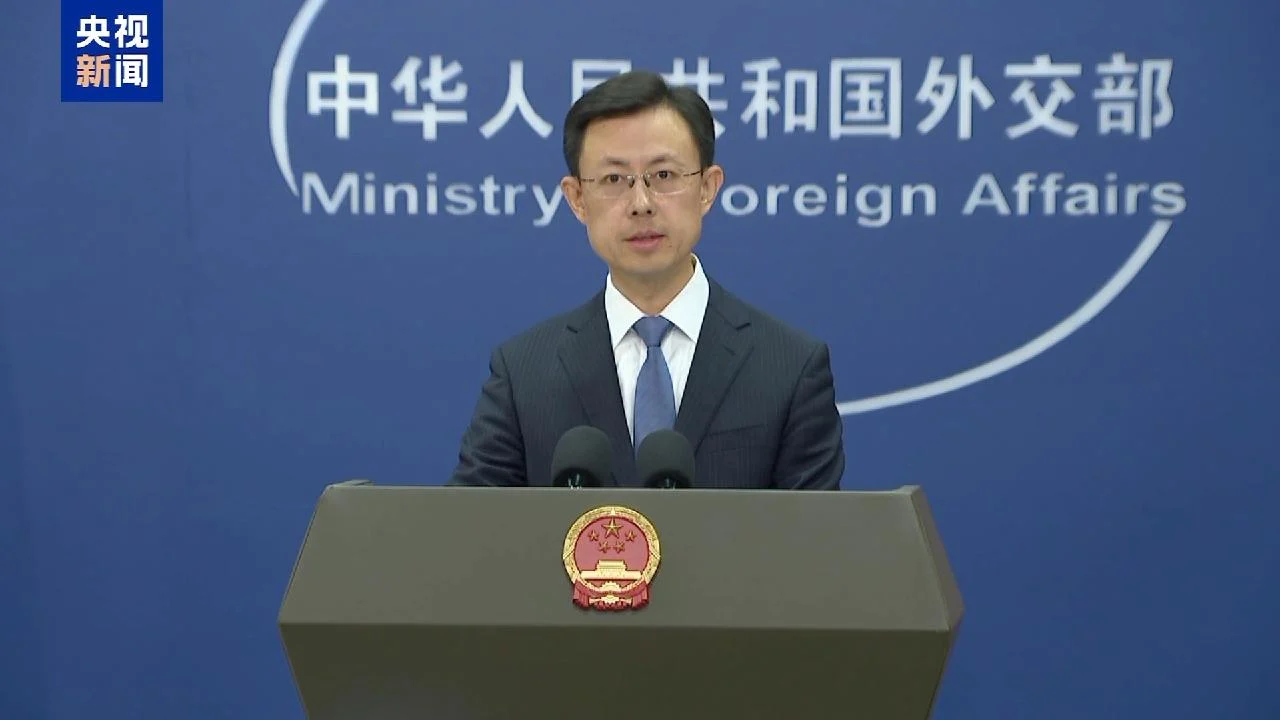
The Chinese Foreign Ministry, as reported, stated that it “takes note” of Mbappé’s apology. This official acknowledgment signifies that the government views the situation seriously and recognizes the apology as a step towards resolving the issue. Such responses are not uncommon in international diplomacy. Governments often monitor public statements made by influential individuals and are prepared to engage when those statements have the potential to affect bilateral relations or public perception. The act of issuing an apology, in turn, demonstrates an understanding of the impact of one’s words and a willingness to mend any perceived offense. This dynamic highlights the interconnectedness of sports, culture, and international affairs in the modern era.
The Role of Apologies in Diplomatic Repair
An apology, when sincere and appropriately delivered, can be a powerful tool in de-escalating international tensions and repairing damaged perceptions. In the case of public figures, an apology serves multiple purposes. Firstly, it acknowledges that a mistake was made and that the statement caused offense or misunderstanding. This validation of the other party’s feelings is a crucial first step in reconciliation. Secondly, it signals a willingness to learn and to engage more thoughtfully in the future. For a global personality like Mbappé, an apology can help to mitigate negative sentiment among the public in the country concerned and can also reassure the government that the individual does not hold malicious intent.
The effectiveness of an apology often depends on its sincerity and the context in which it is offered. A perfunctory or insincere apology can sometimes worsen the situation. However, when a public figure takes the time to express regret, explain their intentions (or lack thereof), and demonstrate an understanding of the cultural sensitivities involved, it can go a long way in restoring goodwill. The Chinese Foreign Ministry’s statement that they “take the apology… seriously” suggests that they found Mbappé’s expression of regret to be sufficient for the moment, allowing the situation to move past the initial controversy. This process underscores the importance of communication and the willingness to acknowledge and address grievances in maintaining positive international relations.
Navigating Cultural Sensitivities in Global Communication
Cultural sensitivity is paramount in an increasingly globalized world. What might be considered acceptable or humorous in one culture could be deeply offensive in another. Public figures, due to their visibility, are often at the forefront of these cross-cultural interactions, whether intentional or not. Their statements can inadvertently touch upon deeply held beliefs, historical sensitivities, or national pride. Therefore, a heightened awareness of cultural differences and a commitment to respectful dialogue are essential for anyone engaging in international discourse.
For individuals like Kylian Mbappé, who have a massive global following, this responsibility is amplified. Their interactions with different cultures, whether through sports, endorsements, or public statements, are closely watched. Understanding the historical context, social norms, and political sensitivities of a country is not just a matter of politeness; it is a fundamental aspect of responsible global citizenship. The incident serves as a reminder that even in the fast-paced world of international sports, diplomacy and cultural understanding remain critical components of maintaining positive relationships between nations and their people.
The Broader Implications for International Relations
The Mbappé incident, while specific to one individual and one country, reflects broader trends in how international relations are shaped in the 21st century. The rise of social media and the 24/7 news cycle mean that diplomatic incidents can unfold in real-time, with public opinion playing an increasingly significant role. Governments must now navigate not only traditional diplomatic channels but also the complex landscape of public perception and online discourse.
This environment demands a more agile and responsive approach to diplomacy. Public figures are often called upon to be more mindful of their global impact, and organizations that represent them, such as sports federations or clubs, may also play a role in managing their public image and ensuring they act as responsible global citizens. The ability to effectively manage communication, address misunderstandings promptly, and foster mutual respect is becoming an indispensable skill for individuals and institutions operating on the international stage. The incident underscores that in an interconnected world, every voice, especially a prominent one, carries weight and responsibility.
The Power of Dialogue and Understanding
Ultimately, incidents like the one involving Kylian Mbappé highlight the enduring importance of dialogue and mutual understanding in international relations. While missteps can occur, the willingness to engage in communication, offer apologies when necessary, and learn from mistakes can pave the way for reconciliation. For countries, this means fostering an environment where cultural exchange is encouraged and where misunderstandings can be addressed through open channels. For individuals, it means cultivating an awareness of the global impact of their words and actions.
The process of navigating these cross-cultural interactions is ongoing. It requires continuous effort from governments, organizations, and individuals to promote respect, empathy, and a deeper appreciation for the diversity of global perspectives. By embracing these principles, we can work towards a more harmonious and cooperative international community, where communication bridges divides rather than creating them. The ability to acknowledge differences while celebrating shared humanity remains a cornerstone of effective global engagement.
Conclusion
The incident involving Kylian Mbappé’s remarks and subsequent apology serves as a compelling illustration of the intricate dynamics at play in contemporary international relations. It underscores the significant influence that public figures wield and the profound impact their words can have across borders. The swift response from the Chinese Foreign Ministry, acknowledging the apology, demonstrates the importance that nations place on respectful discourse and the management of public perception.
This case highlights the critical need for cultural sensitivity and careful communication in our interconnected world. As global platforms continue to amplify voices, individuals in the public eye bear a heightened responsibility to be mindful of the potential consequences of their statements. The process of offering and accepting apologies, when genuine, can be a vital mechanism for de-escalating tensions and repairing diplomatic relations. Ultimately, fostering dialogue, promoting understanding, and embracing mutual respect are essential for navigating the complexities of global interactions and building a more cooperative international community.


Conversation
0 Comments