

The Enduring Power of Ginkgo Trees: A Symbol of Longevity and Resilience
Ginkgo trees, often called “living fossils,” are remarkable specimens of nature’s endurance. With a history stretching back over 270 million years, these ancient trees have witnessed the rise and fall of dinosaurs and survived numerous ice ages. Their unique fan-shaped leaves and incredible resilience have made them a subject of fascination for botanists and a symbol of longevity across cultures. This article explores the fascinating world of ginkgo trees, their historical significance, their unique biological characteristics, and their enduring presence in our modern world.
A Living Fossil: The Ginkgo’s Ancient Lineage
The ginkgo tree (Ginkgo biloba) is the sole surviving species of the order Ginkgoales, a group of plants that was once widespread across the globe. Its lineage dates back to the Permian period, making it one of the oldest living tree species on Earth. For millions of years, ginkgo trees thrived, populating forests and landscapes worldwide. However, as geological and climatic conditions changed, most ginkgo species became extinct, leaving only Ginkgo biloba to carry on the legacy.
This remarkable survival is attributed to several factors. Ginkgo trees are exceptionally hardy and adaptable, capable of thriving in a wide range of environments. They are also resistant to many pests and diseases that plague other tree species. Furthermore, their slow growth rate and long lifespan allow them to weather environmental challenges over vast periods. The discovery of fossilized ginkgo leaves provides invaluable insights into prehistoric ecosystems and the evolutionary history of plant life.
Unique Biological Characteristics of Ginkgo Biloba
Ginkgo trees possess several distinctive biological traits that set them apart from other trees. One of the most recognizable features is their unique fan-shaped leaves. Unlike the needle-like or lobed leaves of most conifers and deciduous trees, ginkgo leaves are broad and bilobed, resembling a fan. These leaves turn a brilliant golden-yellow in the autumn, creating a spectacular display before they fall.
Another fascinating aspect of ginkgo biology is their reproductive system. Ginkgo trees are dioecious, meaning individual trees are either male or female. Female trees produce ovules that, if pollinated by pollen from a male tree, develop into fleshy, fruit-like seeds. These seeds have a strong, unpleasant odor when they ripen, often described as similar to rancid butter, due to the presence of butyric acid. This characteristic is why male ginkgo trees are often preferred for ornamental planting in urban areas.
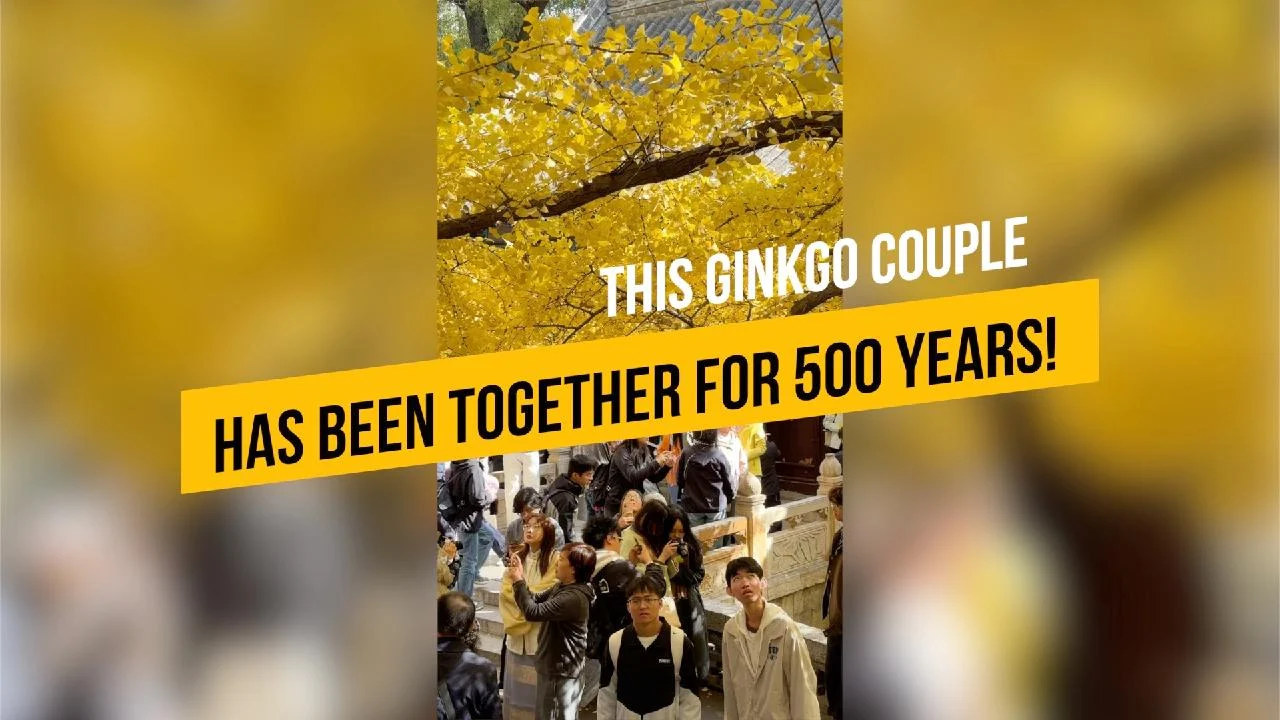
Ginkgo trees are also known for their remarkable longevity. They can live for over a thousand years, with some specimens documented to be much older. This longevity is partly due to their slow growth rate and their ability to resist environmental stresses. The ancient ginkgo trees found in temples and historical sites across Asia are living testaments to their enduring nature. For instance, a pair of ginkgo trees at Jinci Temple in Taiyuan, China, have reportedly been together for 500 years, standing tall and strong like a devoted couple.
Ginkgo Trees in Culture and History
The ginkgo tree has held a special place in human culture for centuries, particularly in East Asia. In China, where it is believed to have originated, the ginkgo has been revered for its medicinal properties and its symbolic meaning. It was often planted in temple grounds and imperial gardens, associated with longevity, endurance, and good fortune. Ancient Chinese texts mention the ginkgo for its therapeutic uses, highlighting its importance in traditional medicine.
In Japan, the ginkgo is known as “icho” and is also deeply ingrained in the culture. It is a popular street tree in many Japanese cities and is often depicted in art and literature. The gingko leaf is a symbol of Tokyo, representing the city’s resilience and its ability to recover from adversity, notably after the Great Kanto Earthquake of 1923 and World War II. The trees’ ability to sprout new growth even after being damaged further cemented their status as symbols of rebirth and hope.
The ginkgo’s journey to the West is a story in itself. It was largely unknown outside of East Asia until the 17th century when German botanist Engelbert Kaempfer encountered it in Japan and brought back seeds and descriptions to Europe. Its unique appearance and ancient lineage quickly captured the attention of botanists and horticulturists, leading to its widespread cultivation across the globe.
Medicinal Uses and Health Benefits
Beyond its cultural and historical significance, the ginkgo tree has been recognized for its potential health benefits for centuries. Extracts from ginkgo leaves are among the most commonly used herbal supplements worldwide, primarily for their purported effects on cognitive function and circulation.
The primary active compounds in ginkgo leaf extract are flavonoids and terpenoids. Flavonoids are antioxidants that help protect the body from damage caused by free radicals. Terpenoids, such as ginkgolides and bilobalide, are believed to have various effects, including improving blood flow and acting as anti-inflammatories.
Research has explored ginkgo’s potential to improve memory and cognitive function, particularly in individuals experiencing age-related cognitive decline or dementia. Some studies suggest that ginkgo may enhance blood flow to the brain, which could support better cognitive performance. It has also been investigated for its potential to alleviate symptoms of anxiety and depression, as well as to improve vision in certain conditions like glaucoma.
However, it is important to note that while ginkgo has a long history of traditional use and ongoing scientific interest, the evidence for its effectiveness in treating specific medical conditions is mixed. Some studies show positive results, while others find no significant benefit. As with any herbal supplement, it is advisable to consult with a healthcare professional before using ginkgo, especially if you have existing health conditions or are taking other medications, as it can interact with certain drugs, particularly blood thinners.
Ginkgo Trees in Modern Landscapes and Urban Environments
Today, ginkgo trees are a popular choice for landscaping and urban environments due to their hardiness, adaptability, and striking beauty. They can tolerate a wide range of soil conditions, air pollution, and compacted soils, making them well-suited for city streets, parks, and gardens. Their ability to withstand harsh urban conditions contributes to their reputation as resilient survivors.
The distinctive fan-shaped leaves provide a unique aesthetic appeal, especially when they turn a vibrant golden-yellow in the fall. This seasonal transformation adds a splash of color to the landscape, drawing attention and admiration. The tree’s upright, somewhat pyramidal shape when young, maturing into a broader, more spreading form, offers architectural interest throughout the year.
When selecting ginkgo trees for planting, it is often recommended to choose male cultivars to avoid the unpleasant odor associated with the seeds of female trees. Many nurseries offer grafted male trees that are specifically bred for ornamental purposes. These trees require relatively low maintenance once established, further contributing to their popularity among city planners and homeowners alike.
The presence of ginkgo trees in urban settings also offers ecological benefits. They provide shade, help to improve air quality by absorbing pollutants, and can contribute to urban biodiversity by supporting certain insect and bird species. Their long lifespan means they can become a lasting part of a community’s landscape, connecting generations to the natural world.
Challenges and Conservation
Despite their remarkable resilience, ginkgo trees are not entirely without challenges. While they are resistant to many common diseases and pests, they can be susceptible to certain fungal infections and insect infestations, particularly when stressed by poor growing conditions. The unpleasant odor of their fruit can also be a nuisance in densely populated areas, leading to their removal in some cases.
From a conservation perspective, Ginkgo biloba is considered a vulnerable species in its native habitat in China. While it is widely cultivated globally, its natural populations have been significantly reduced due to habitat destruction and over-collection for medicinal purposes. Efforts are underway to protect and restore natural ginkgo forests and to promote sustainable harvesting practices for its valuable leaf extracts.
The genetic diversity of wild ginkgo populations is crucial for maintaining the species’ long-term survival and adaptability. Understanding the genetic makeup of different ginkgo populations can help inform conservation strategies and ensure the preservation of this ancient lineage. The ongoing study of ginkgo trees not only sheds light on their evolutionary past but also provides valuable lessons for conservation efforts for other threatened species.
The Ginkgo’s Future: A Symbol of Hope
The ginkgo tree stands as a powerful symbol of endurance, resilience, and the enduring beauty of nature. Its journey through millions of years of Earth’s history, surviving extinction events that wiped out countless other species, is a testament to its remarkable adaptability. From its ancient origins to its prominent place in modern landscapes and its continued exploration for medicinal benefits, the ginkgo tree continues to captivate and inspire.
As we face contemporary environmental challenges, the ginkgo’s story offers a message of hope. Its ability to thrive in diverse conditions, its long lifespan, and its capacity for regeneration serve as reminders of nature’s persistent strength. Whether admired for its unique foliage, its historical significance, or its potential health-giving properties, the ginkgo tree remains a living link to our planet’s deep past and a cherished part of our natural heritage. Its continued presence in our world is a gift, a living fossil that connects us to the ancient rhythms of life on Earth.
Conclusion
The ginkgo tree, a true living fossil, embodies an extraordinary combination of ancient lineage and modern relevance. Its unique fan-shaped leaves, remarkable longevity, and resilience in the face of environmental challenges have cemented its status as a symbol of endurance and longevity across cultures. From its origins in prehistoric times to its widespread cultivation today, the ginkgo has played a significant role in history, medicine, and landscape design. While facing conservation challenges in its native habitat, its global presence ensures its survival and continued appreciation. The ginkgo tree serves as a powerful reminder of nature’s enduring strength and the deep connections between the past, present, and future of life on our planet.



Conversation
0 Comments