

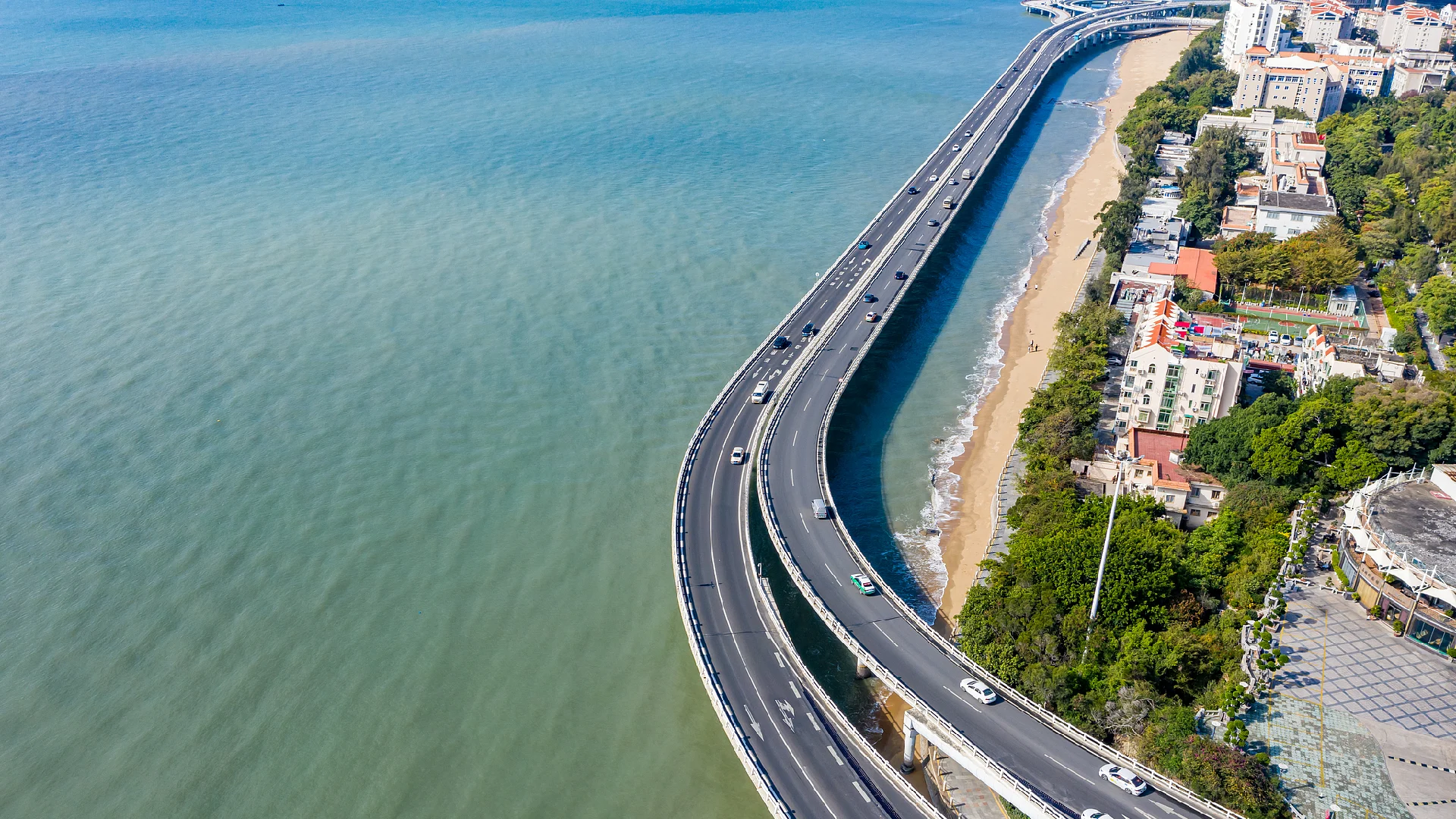
Xiamen’s Bid to Host the High Seas Treaty Secretariat: A Strategic Move for Global Ocean Governance
The coastal city of Xiamen is positioning itself as a key player in international ocean governance by bidding to host the Secretariat of the High Seas Treaty (also known as the BBNJ Agreement). This treaty, which entered into force on January 17, 2026, aims to protect marine biodiversity in areas beyond national jurisdiction. The decision on the Secretariat’s location will be made at the first Conference of the Parties meeting in New York in early 2027. Xiamen faces competition from Brussels and Valparaiso, but its strong marine research infrastructure, established ocean events, and significant governmental support make it a compelling candidate. Hosting the Secretariat would not only bolster Xiamen’s global standing but also provide a vital hub for implementing the treaty’s ambitious goals, particularly for developing nations.
The Significance of the High Seas Treaty
The Agreement under the UN Convention on the Law of the Sea on the Conservation and Sustainable Use of Marine Biological Diversity of Areas beyond National Jurisdiction, or the High Seas Treaty for short, represents a landmark achievement in international environmental law. For decades, the vast expanses of the ocean beyond national boundaries, often referred to as the high seas, remained largely unprotected. These areas, covering nearly two-thirds of the world’s oceans, are crucial for global ecosystems, climate regulation, and biodiversity. However, they have faced increasing threats from overfishing, pollution, and the potential for resource exploitation.
The High Seas Treaty provides a framework to address these challenges. Its core objectives include the conservation and sustainable use of marine biological diversity in these critical areas. The treaty establishes mechanisms for several key aspects of ocean management:
- Marine Genetic Resources (MGRs): It aims to ensure equitable access to and benefit-sharing from MGRs found in the high seas, which hold potential for scientific and commercial applications, such as new medicines and industrial products.
- Area-Based Management Tools (ABMTs): The treaty allows for the establishment of marine protected areas (MPAs) and other management measures in the high seas to conserve vulnerable ecosystems and species.
- Environmental Impact Assessments (EIAs): It mandates that parties conduct EIAs for planned activities in the high seas that may have a significant adverse impact on the marine environment.
- Capacity-Building and Technology Transfer: Recognizing that many nations lack the resources and expertise to participate effectively in high seas governance, the treaty emphasizes the importance of building capacity and transferring marine technology to developing countries.
The entry into force of the treaty marked a significant step forward, but its success hinges on effective implementation. This is where the role of the Secretariat becomes paramount. The Secretariat will be the administrative and operational arm of the treaty, responsible for organizing meetings, managing information, and facilitating cooperation among parties. The choice of its host city is therefore a strategic decision with long-term implications for the treaty’s effectiveness.
Xiamen’s Strengths as a Host City
Xiamen, a vibrant coastal city in Fujian Province, China, is making a strong case for hosting the High Seas Treaty Secretariat. Its bid is underpinned by several key strengths that align directly with the treaty’s objectives and operational needs.
A Hub for Marine Research and Innovation
One of Xiamen’s most compelling assets is its robust marine science and technology ecosystem. The city is home to a significant concentration of researchers and advanced research facilities dedicated to oceanographic studies. Nearly 5,000 researchers work in Xiamen, supported by approximately 30 science and technology platforms. This deep pool of expertise is invaluable for a treaty focused on understanding and conserving marine biodiversity.
Furthermore, Xiamen hosts important regional and international marine organizations. The APEC Marine Sustainable Development Center and the China-ASEAN Maritime Cooperation Center are both located in the city. These institutions foster collaboration and knowledge sharing on marine issues, providing a ready-made network for the High Seas Treaty Secretariat to engage with. This existing infrastructure means that a Secretariat based in Xiamen would have immediate access to scientific knowledge, data, and collaborative opportunities.
A Proven Track Record in Ocean Governance Events
Xiamen has a long-standing commitment to promoting ocean awareness and governance. For 20 consecutive years, the city has hosted World Ocean Week, an event that has attracted over 2 million participants. This consistent engagement demonstrates Xiamen’s dedication to ocean conservation and its capacity to organize large-scale international events. Hosting World Ocean Week has allowed Xiamen to build experience in coordinating diverse stakeholders, from scientists and policymakers to industry representatives and the public. This experience is directly transferable to the logistical and organizational demands of supporting a major international treaty.
Substantial Governmental Support and Infrastructure
China’s commitment to Xiamen’s bid is substantial and multifaceted. The Chinese government has pledged to provide a fully equipped, 15-story office building, along with two supporting buildings, free of charge on a long-term basis. This significant infrastructure commitment removes a major financial and logistical barrier for the Secretariat.
Beyond physical infrastructure, China has also committed financial resources to support the treaty’s implementation. This includes a $3 million pledge to a voluntary trust fund designed to help representatives from developing countries attend meetings. Additional contributions are planned for a capacity-building fund. These financial pledges underscore China’s dedication to ensuring that the treaty is inclusive and that developing nations can participate meaningfully. For countries that may struggle with the costs associated with international participation, these funds are critical.
The Importance of Secretariat Location for Developing Nations
The location of the High Seas Treaty Secretariat is not merely a matter of administrative convenience; it has profound implications for the equitable participation of all nations, especially developing countries. The treaty’s success depends on the active involvement of all parties, but many developing nations face significant hurdles in engaging effectively in international governance.
These hurdles include limited financial resources to send delegates to meetings, lack of access to cutting-edge scientific research and data, and insufficient technical capacity to understand and implement complex international agreements. The Secretariat, as the central coordinating body, has a crucial role to play in bridging these gaps.
If Xiamen is selected as the host city, it aims to create an environment that directly addresses these needs. The city’s proposal emphasizes providing a conducive setting where developing countries can access the scientific expertise, resources, and international cooperation necessary for meaningful participation. This could translate into:
- Enhanced Access to Information: The Secretariat could serve as a central repository for scientific data, research findings, and best practices related to high seas conservation, making this information readily available to all parties.
- Facilitated Capacity Building: By being located in a city with strong research institutions and established international connections, the Secretariat could help organize training programs, workshops, and exchange opportunities for scientists and policymakers from developing countries.
- Streamlined Participation: The Secretariat’s administrative support could help reduce the logistical burdens for delegates, making it easier for them to attend meetings and contribute to discussions.
- Promoting Equitable Benefit-Sharing: By fostering collaboration and knowledge exchange, the Secretariat can help ensure that the benefits derived from marine genetic resources are shared more equitably, as stipulated in the treaty.
Xiamen’s bid, therefore, goes beyond offering office space; it presents a vision for a Secretariat that actively supports the treaty’s goals of inclusivity and equitable participation. This vision is particularly appealing to developing nations that are eager to contribute to and benefit from the conservation of the world’s oceans.
Global Ocean Governance and Xiamen’s Role
The selection of a host city for the High Seas Treaty Secretariat is a decision with far-reaching implications for the future of global ocean governance. The treaty itself is a testament to a growing international recognition that the health of the oceans is a shared responsibility, requiring collective action and robust international cooperation.
The high seas, by their very nature, transcend national borders. Issues such as climate change, plastic pollution, and the depletion of fish stocks in these areas affect all nations, regardless of their coastline. Therefore, effective governance of the high seas is not just an environmental imperative but also an economic and security one.
Xiamen’s bid to host the Secretariat places it at the forefront of this critical global effort. By aligning itself with the High Seas Treaty, Xiamen is signaling its commitment to playing a leading role in addressing some of the most pressing environmental challenges of our time. This commitment is reflected in its existing strengths:
- Strategic Location: Xiamen’s coastal location provides a natural connection to the ocean and its issues.
- Research Prowess: Its strong marine science base ensures it can contribute intellectually and operationally to the treaty’s work.
- Event Management Experience: Its history of hosting World Ocean Week demonstrates its capability to manage international gatherings and foster dialogue.
- Governmental Backing: China’s significant financial and infrastructural support provides a solid foundation for the Secretariat’s operations.
The competition from Brussels and Valparaiso highlights the global interest in hosting this important institution. Brussels, as a major European Union hub, offers established diplomatic infrastructure. Valparaiso, with its maritime heritage, also presents a strong case. However, Xiamen’s specific focus on marine science, its proven track record with ocean events, and the comprehensive support package it offers make it a distinctive candidate.
The decision, to be made in early 2027, will shape how the High Seas Treaty is implemented in its crucial early years. A Secretariat in Xiamen could foster a unique environment for collaboration, drawing on China’s growing influence in global environmental affairs and its commitment to sustainable development. It could also serve as a bridge between developed and developing nations, ensuring that the treaty’s benefits are shared widely and that its ambitious goals are translated into tangible actions for ocean conservation.
Conclusion
Xiamen’s bid to host the Secretariat of the High Seas Treaty is a strategic initiative that underscores the city’s and China’s commitment to global ocean governance. With its deep roots in marine research, a history of successful ocean-focused events, and substantial governmental backing, Xiamen presents a compelling case. The city’s proposal goes beyond offering infrastructure; it outlines a vision for a Secretariat that actively supports the treaty’s objectives, particularly by ensuring the meaningful participation of developing nations. As the world increasingly recognizes the interconnectedness of ocean health and global well-being, Xiamen’s potential role as the home of the High Seas Treaty Secretariat marks a significant opportunity to advance the conservation and sustainable use of our planet’s vital marine resources. The decision in early 2027 will not only determine the administrative center of this crucial treaty but also signal a commitment to a more inclusive and effective approach to managing the world’s oceans.



Conversation
0 Comments