

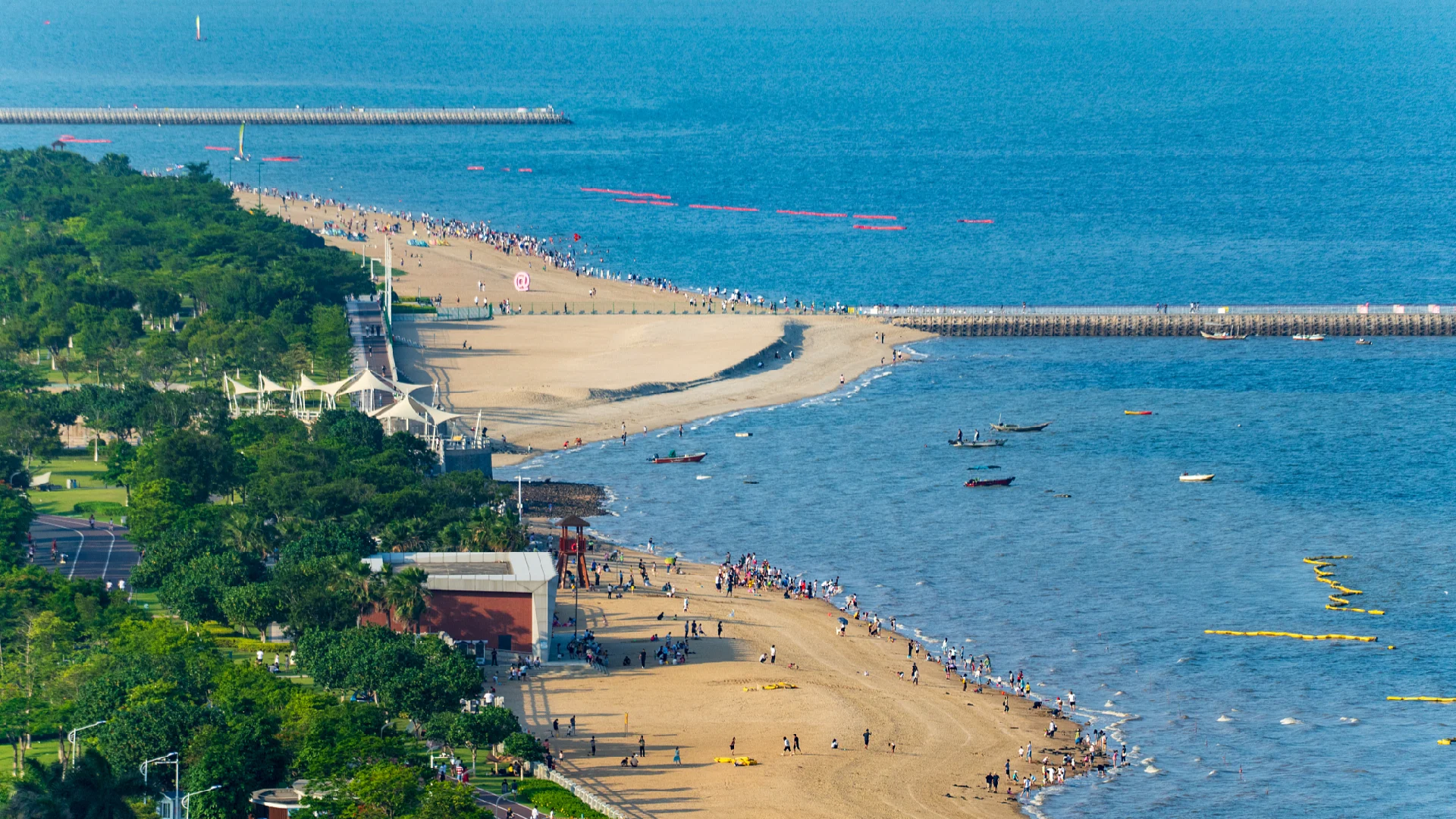
Transforming Tong’an Bay: From Ecological Ruin to Coastal Gem
Once a vibrant hub for fishing, Tong’an Bay in Xiamen, China, faced severe ecological decline. Unchecked aquaculture and direct wastewater dumping choked the waters, silting up tidal flats and driving away marine life. This once-thriving area became a stark example of environmental degradation. However, a determined effort to reverse this trend has transformed Tong’an Bay into a flourishing coastal destination, showcasing the power of dedicated restoration and thoughtful development.
The Decline of Tong’an Bay
Tong’an Bay, the largest urban bay in Xiamen, southeast China’s Fujian Province, was once a rich fishing ground. Its waters teemed with life, supporting a significant fishing community. However, the bay’s ecosystem began to suffer from unsustainable practices. Unregulated aquaculture, where fish farms were established without proper oversight, led to excessive nutrient loads in the water. This, combined with the direct discharge of untreated wastewater from nearby areas, created a toxic environment.
The consequences were devastating for the bay’s natural inhabitants. The water quality deteriorated significantly, leading to the siltation of tidal flats. These shallow areas, crucial for many marine species, became choked with sediment, making them uninhabitable. Marine life, including commercially important species like yellowfin seabream, began to disappear. Even iconic species like the Chinese white dolphin, which rely on healthy coastal ecosystems, were driven away from their traditional habitats. The bay, once a source of livelihood and natural beauty, was rapidly becoming an ecological wasteland.
The Restoration Initiative: Reclaiming the Bay
Recognizing the severity of the situation, Xiamen authorities launched a comprehensive coastal restoration project aimed at reversing the ecological damage. This ambitious undertaking began around 2015 and involved a multi-faceted approach to revive the bay’s health. A critical first step was the transition of over 40,000 fishermen away from their traditional livelihoods as aquaculture operations were systematically phased out. This was a significant social and economic shift, requiring careful planning and support for the affected communities.
Simultaneously, extensive dredging operations were initiated to clear the accumulated sediment that had suffocated the tidal flats. This was a monumental task, involving the removal of more than 200 million cubic meters of sediment. The impact of this dredging was profound. It increased the bay’s tidal capacity by over 40 million cubic meters, allowing for a greater exchange of water. This improved water circulation was vital for flushing out pollutants and re-oxygenating the water. The project also enhanced the bay’s overall water exchange capacity by approximately 30%, creating a more dynamic and healthier aquatic environment.
As the marine environment began its slow but steady recovery, signs of life started to return. The cleaner waters and restored tidal flats provided a more hospitable habitat for marine organisms. The return of fish species like yellowfin seabream signaled a positive shift, and there was hope that other marine life, including the elusive Chinese white dolphins, might eventually find their way back to the revitalized bay. This restoration phase laid the essential groundwork for future development, proving that ecological recovery was possible with concerted effort.
Building a New Future: The Coastal New Town and Romantic Line
With the ecological foundation of Tong’an Bay being steadily rebuilt, Xiamen embarked on the next phase of its vision: creating a vibrant coastal new town and a unique tourism corridor. In 2017, the city launched a coastal new town development project, focusing on integrating urban growth with environmental sustainability. This project aimed to create a modern, livable area that capitalized on the bay’s natural beauty and the success of the restoration efforts.
A key component of this new development was the construction of the Huandong Romantic Line. This impressive 50.6-kilometer coastal ecological and tourism corridor was designed to stretch along the entirety of Tong’an Bay and the city’s eastern shoreline. The vision for the Romantic Line was to create a harmonious blend of ecological preservation and public enjoyment. It was not just about building infrastructure; it was about crafting an experience that celebrated the revitalized natural environment.
The project incorporated a variety of ecological features to further enhance the coastline and protect it from erosion. Restored artificial beaches were created, offering new recreational spaces while also supporting coastal biodiversity. Extensive mangrove plantations were established, serving as natural barriers against storm surges and providing critical habitats for numerous species. Innovative coastal structures were also put in place to help stabilize sediment and prevent further erosion, ensuring the long-term health of the shoreline.
Beyond the ecological elements, the Huandong Romantic Line was designed to be a hub for public activity and leisure. It features dedicated marathon trails, encouraging sports and healthy lifestyles. Expansive green spaces were incorporated, offering residents and visitors areas for relaxation and recreation. State-of-the-art sports facilities were built, catering to a range of athletic pursuits. Furthermore, a variety of seaside attractions were developed, drawing inspiration from the natural beauty of the bay and the ocean.
Today, the Huandong Romantic Line stands as a testament to Xiamen’s successful transformation. It has become a highly popular tourism landmark, attracting visitors from near and far. The corridor offers a unique opportunity to experience the revitalized Tong’an Bay, combining natural landscapes with modern amenities. It serves as a model for how urban development can coexist with, and even enhance, ecological restoration, turning a once-polluted bay into a thriving coastal destination.
The Economic and Social Impact of Transformation
The transformation of Tong’an Bay has had a profound and positive impact on the local economy and the lives of its residents. The shift from a struggling fishing and aquaculture industry to a thriving eco-tourism destination has created new economic opportunities and improved the overall quality of life. The initial phase of restoration, while challenging for the fishing community, laid the groundwork for sustainable economic growth.
The development of the Huandong Romantic Line has been a significant economic driver. It has boosted the tourism sector, attracting a steady stream of visitors who contribute to the local economy through spending on accommodation, dining, and local services. This influx of tourism has supported the growth of small businesses, from hotels and restaurants to souvenir shops and tour operators. The creation of jobs in these sectors has provided new employment avenues for residents, many of whom may have been displaced from the traditional fishing industry.
Beyond direct tourism revenue, the improved environmental quality has also had a positive impact on property values and attracted new investment into the area. The creation of a beautiful, clean, and amenity-rich coastal environment makes the region more attractive for both residents and businesses. This can lead to further development in related sectors, such as hospitality, recreation, and environmental services.
The social benefits of the transformation are equally significant. The restoration of Tong’an Bay has not only improved the aesthetic appeal of the area but has also fostered a greater sense of community pride and environmental stewardship. Residents now have access to high-quality public spaces for recreation, exercise, and relaxation. The presence of green spaces, walking trails, and sports facilities encourages healthier lifestyles and provides opportunities for social interaction.
The success of the Tong’an Bay project also serves as an inspiration and a model for other coastal cities facing similar environmental challenges. It demonstrates that with strong political will, strategic planning, and community involvement, it is possible to reverse ecological degradation and create sustainable, economically vibrant coastal areas. The story of Tong’an Bay is a powerful reminder that environmental protection and economic development can go hand in hand, leading to a brighter future for both people and the planet.
Challenges and Lessons Learned in Coastal Restoration
The journey of transforming Tong’an Bay from a polluted bay to a vibrant coastal destination was not without its challenges. The scale of the ecological damage required a massive and sustained effort, involving significant financial investment and complex logistical operations. Overcoming these hurdles provided valuable lessons for future environmental restoration projects.
One of the primary challenges was the sheer magnitude of the pollution. Decades of unregulated activities had led to a severe accumulation of pollutants and sediment. Removing over 200 million cubic meters of sediment was a Herculean task, requiring specialized equipment and careful environmental management to avoid further disruption during the dredging process. Ensuring that the removed sediment did not negatively impact other areas was a critical consideration.
Another significant challenge was managing the transition for the local fishing community. The phasing out of aquaculture operations affected the livelihoods of over 40,000 fishermen. This required not only economic compensation but also the provision of alternative employment opportunities and retraining programs. Successfully navigating this social and economic shift was crucial for gaining community buy-in and ensuring the long-term success of the restoration efforts. Without the support and understanding of the local population, such large-scale projects can face considerable resistance.
The integration of ecological restoration with urban development also presented its own set of challenges. Balancing the need for new infrastructure and housing with the imperative to protect and enhance the natural environment required careful planning and innovative design. The creation of the Huandong Romantic Line, for example, involved intricate engineering to incorporate ecological features like artificial beaches and mangrove areas alongside public amenities like trails and sports facilities. Ensuring that these elements worked in harmony and did not create new environmental problems was a continuous process of monitoring and adjustment.
The success of the Tong’an Bay project offers several key lessons for coastal restoration initiatives worldwide. Firstly, it underscores the importance of a long-term vision and sustained commitment. Reversing significant environmental damage takes time and consistent effort. Secondly, it highlights the necessity of a holistic approach that addresses not only the environmental issues but also the social and economic impacts on the local population. Community engagement and support are paramount.
Thirdly, the project demonstrates the value of integrating ecological principles into urban planning. By incorporating green infrastructure, protected habitats, and recreational spaces, cities can create more resilient and livable environments. Finally, the Tong’an Bay story is a powerful testament to the fact that even severely degraded ecosystems can be revitalized. It provides a beacon of hope and a practical blueprint for other regions striving to achieve a similar transformation, proving that a polluted bay can indeed become a vibrant coastal gem.
The Future of Tong’an Bay: Sustainability and Continued Growth
The transformation of Tong’an Bay is a remarkable achievement, but the work of ensuring its long-term health and prosperity continues. The focus now shifts towards maintaining the ecological balance, promoting sustainable tourism, and fostering continued community engagement. The goal is to ensure that Tong’an Bay remains a vibrant and thriving coastal destination for generations to come.
Sustainability is at the core of future plans for Tong’an Bay. This involves ongoing monitoring of water quality and marine life to detect any signs of ecological stress early on. Strict regulations will need to be maintained and enforced regarding any potential sources of pollution, including wastewater discharge and any new forms of coastal development. The continued health of the mangroves and artificial beaches will also require regular maintenance and ecological management.
Sustainable tourism practices will be crucial to prevent the area from being overwhelmed by visitor numbers. This could involve managing visitor flows, promoting eco-friendly transportation options within the Romantic Line, and educating tourists about responsible behavior in a sensitive coastal environment. Encouraging local businesses to adopt sustainable practices, such as reducing waste and conserving water, will also be a priority. The aim is to ensure that tourism benefits the local community and environment without causing further degradation.
Community involvement will remain a cornerstone of Tong’an Bay’s future. Continued dialogue between local authorities, businesses, and residents will be essential for addressing any emerging challenges and for shaping the ongoing development of the area. Educational programs for local schools and community groups can help foster a deeper understanding and appreciation of the bay’s ecological value, encouraging a sense of shared responsibility for its protection.
Furthermore, Xiamen can continue to explore innovative approaches to coastal management and development. This might include investing in green technologies, promoting research into marine ecosystems, and developing new recreational and educational opportunities that further enhance the visitor experience while respecting the environment. The success of the Huandong Romantic Line could inspire further development of similar corridors in other coastal areas, sharing the lessons learned from Tong’an Bay.
The story of Tong’an Bay is a powerful narrative of resilience and renewal. It demonstrates that with a clear vision, dedicated effort, and a commitment to sustainability, even the most damaged environments can be brought back to life. The bay’s transformation from a polluted wasteland to a cherished coastal gem serves as a compelling example of what can be achieved when ecological restoration and thoughtful development are prioritized, promising a bright and sustainable future for this beautiful part of Xiamen.
Conclusion
The journey of Tong’an Bay from an ecologically degraded area to a vibrant coastal destination is a powerful testament to the impact of dedicated environmental restoration and forward-thinking urban planning. What was once a bay suffering from pollution and siltation has been revitalized through extensive dredging, the removal of pollutants, and the re-establishment of crucial habitats like mangroves and tidal flats. This ecological recovery paved the way for the development of the Huandong Romantic Line, a 50.6-kilometer corridor that beautifully blends natural landscapes with public amenities, transforming the shoreline into a popular landmark for tourism and recreation. The project has not only brought ecological health back to the bay but has also spurred economic growth through tourism and created new opportunities for the local community. The lessons learned from Tong’an Bay—the importance of long-term commitment, community engagement, and integrated planning—offer a valuable blueprint for other coastal regions facing similar environmental challenges, proving that a sustainable future is achievable through concerted effort and a deep respect for nature.


Conversation
0 Comments