

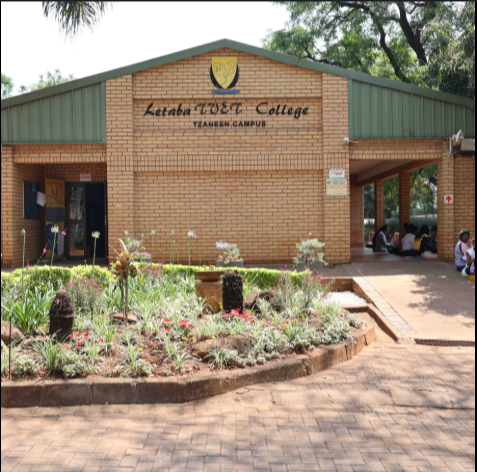
Planning to further your education or gain practical vocational skills in Limpopo? Letaba TVET College is one of the premier public technical and vocational institutions in South Africa, offering industry-aligned qualifications across four major campuses.
Whether you want to pursue Business Studies, Engineering, Hospitality, or Information Technology, this comprehensive guide covers everything you need to know about the 2027 academic year applications, including requirements, application steps, and direct links.
Overview of Letaba TVET College
| Detail | Information |
| Institution Name | Letaba TVET College |
| Central Office | Tzaneen, Limpopo Province |
| Campuses | Maake, Modjadji, Tzaneen, and Giyani |
| Application Fee | R0 (Free online application) |
| Qualifying Programmes | NC(V) (Level 2–4), NATED / Report 191 (N1–N6), and Occupational Skills |
| Primary Funding Partner | NSFAS (National Student Financial Aid Scheme) |
Courses Offered & Campus Locations
Letaba TVET College offers three primary qualification streams across its specialized campuses:
1. National Certificate Vocational (NCV) (Levels 2–4)
Three-year full-time qualifications equivalent to a Matric certificate, focusing on practical trade skills.
- Available Fields: Office Administration, Information Technology & Computer Science, Civil Engineering & Building Construction, Electrical Infrastructure Construction, Hospitality, and Tourism.
2. NATED / Report 191 Programmes (N1–N6)
Trimester (Engineering) and Semester (Business/Utility) courses combining theoretical knowledge with practical workplace experience.
- Business Studies (N4–N6): Financial Management, Human Resource Management, Business Management, Public Management, Management Assistant.
- Engineering Studies (N1–N6): Electrical Engineering, Mechanical Engineering, Civil Engineering.
Admission Requirements
Before starting your application, verify that you meet the minimum entry criteria:
- NC(V) Level 2 Programmes: Minimum of a passed Grade 9, 10, 11, or Grade 12 certificate.
- NATED N1 Programmes: Minimum of Grade 9 with relevant Mathematics/Science subjects.
- NATED N4 Programmes: A valid National Senior Certificate (Grade 12 / Matric) or an equivalent NCV Level 4 qualification.
Document Checklist
All uploaded documents must be clear, legibly scanned PDF files:
- Certified copy of your valid South African ID Document (or Passport for foreign applicants).
- Certified copy of your latest academic results (Matric Certificate, Grade 9/10/11 Report, or Statement of Results).
- Certified copy of Parent/Guardian ID (if you are under 18 years old).
- Valid Proof of Residence (utility bill, municipal account, or letter from a traditional authority).
Step-by-Step Guide: How to Apply Online
Letaba TVET College uses a 3-step screening and application process on its official online portal. You can complete the application using a smartphone, tablet, or computer.
Step 1: Complete Career Guidance Exploration
- Navigate directly to the Letaba TVET College Online Application Portal.
- Register as a new user by clicking “First time here?” and create a secure username and password.
- Complete the compulsory Pre-Entry Career Guidance Exploration assessment modules.
Step 2: Complete the Placement Assessment
- Log in with your new profile details.
- Complete the compulsory Literacy and Numeracy Placement Assessment.
- Note: This is not a pass-or-fail test; it helps the academic panel place you in the course best suited for your skill level.
Step 3: Fill Out & Submit the Application
- Select your preferred study programme and campus location.
- Fill in your personal details, academic background, and guardian information.
- Upload your certified PDF documents when prompted.
- Review your entry details and click “Submit”.
Funding Your Studies: NSFAS Bursary
Because Letaba TVET College is a public TVET institution, eligible South African citizens can apply for full bursary coverage through the National Student Financial Aid Scheme (NSFAS).
- Eligibility: Household income of R350,000 or less per annum.
- Coverage: Tuition fees, prescribed learning materials, transport allowances, or accommodation/catering allowances.
- How to Apply: Register and submit your funding request directly on the official myNSFAS Portal.
1. Pre-entry Support
This is the stage where the students who wish to enrol in any programmes in Letaba TVET College thoroughly orientated to the college and the various study options available. The orientation program is well-structured and Student Support Services Officers and Lecturing personnel are on board to assist in the implementation of the program. The programme includes but not limited to the following:
- Career guidance, be it one on one or in groups.
- Selection and Placement (CAP TEST); the test informs and educates students on a variety of career options. At the same time, it gauges the student’s personal interest in the different careers on offer.
- The induction and orientation programmes to the new students
- The administration of registration/ enrolment
- Code of Conduct
The career guidance officers are available to provide the above-mentioned services and to ensure that all the needs of students are addressed until the students complete their studies.
2. Orientation and Induction
All new students are being invited to attend orientation and induction, which assist to obtain campus information such as, but not limited to:
- Academic expectations from students and lecturing staff
- Academic related policies from DHET and College
- Services available from SSS office
- Commencements of classes (Timetable)
- The college and college management
- The who’s who at the campus.
- programmes offered.
- College rules, student code of conduct and other related student policies,
- Student Representative Council (SRC)
- Facilities and services available
- Various offices that will provide assistance during their academic stay.
3. Information on access to financing of the programmes/ Bursaries NSFAS Bursary
- The NSFAS bursaries for financial needy students are available, where the family household income is below 500 000 thresh hold.
- Should a student choose not to apply for bursary, such student will be liable for full payment of his/her studies.
- It is always encouraged that students that they must attend their classes as travel and accommodation allowance to a beneficiary who fails to meet the minimum 80% class attendance requirement for a particular month in accordance with the DHET TVET Students Attendance and Punctuality Policy 2013 will not be disbursed.
- NSFAS cover tuition fees, personal care, living allowances, travel allowances and pay accommodations.
- The NSFAS Rules and Guidelines administration document is available at Student Support services Office and SRC office.
4.Code of conduct:
- Students who enrol in the college are recognized as responsible adults who are willing and ready to abide by the college set rules and regulations.
- The college strongly supports the constitutional rights of the students; however it also acknowledges their individual and collective responsibilities to maintain an orderly atmosphere of teaching and learning.
- The college is aware of how proud the students are about their campuses and would not want to see it damaged and the college is appreciative of that and urge the students to continue protecting such legacy.
- For security purposes, unauthorized visitors are discouraged. Continue to keep your eyes and ears open and report to security or any official staff member in the college any suspicious activity happening in your beautiful campus.
5. On-course Support
On-course support is to support students as they undertake their programme studies. It requires mainly academic support, access to personal tutors, life skills, language, maths and maths literacy support, advice on health, practical assistance, and opportunities for leadership (SRC), sport and cultural development, Counselling, & etc.



Conversation
0 Comments