

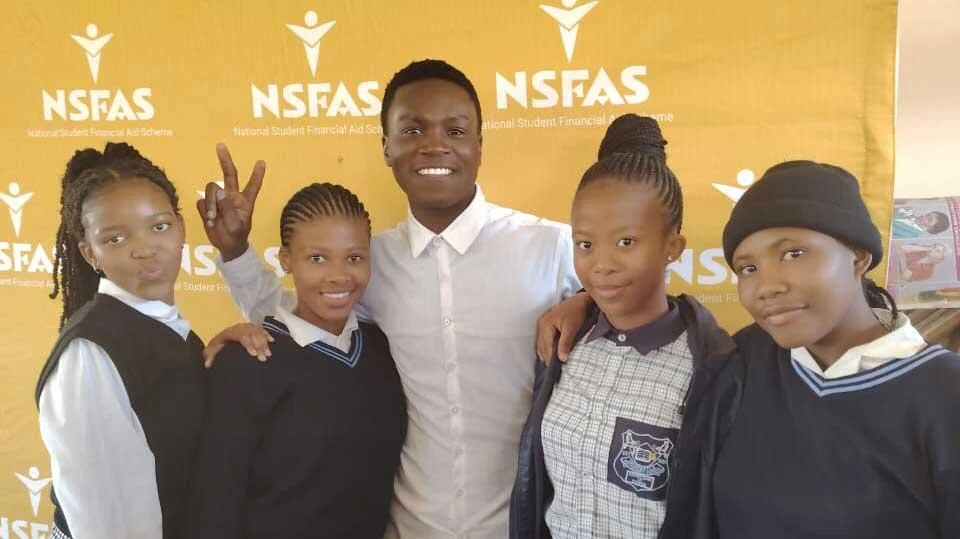
The National Student Financial Aid Scheme (NSFAS) plays a critical role in South Africa’s educational landscape, providing essential financial support to underprivileged students pursuing higher education at public universities and TVET colleges. For many young South Africans, NSFAS is the gateway to opportunities they might otherwise never access. However, navigating the administrative processes, from application to understanding funding status, can sometimes lead to questions and the need for direct communication. This is where knowing how to effectively contact NSFAS becomes paramount.
While the goal is for most students to manage their NSFAS funding smoothly, challenges can arise. Whether you’re an applicant struggling to finalize your bursary, a current beneficiary with a query about your funding, or a parent seeking information, understanding the various channels available to reach NSFAS is crucial. Fortunately, direct visits to NSFAS offices are rarely necessary, as a range of convenient contact methods are available. This guide will walk you through the primary ways to get in touch with the National Student Financial Aid Scheme in 2026, ensuring you can get the assistance you need.
NSFAS Contact Channels in 2026
The National Student Financial Aid Scheme (NSFAS) offers several avenues for students and stakeholders to reach out for support and information. These channels are designed to cater to different needs and preferences, ensuring accessibility for a wide range of users. It’s important to use the correct contact method for your specific query to ensure a prompt and efficient response.
NSFAS Email Address
For non-urgent inquiries or when you need to submit documentation, email is a reliable method to contact NSFAS. The official NSFAS email address is a central point for receiving queries and providing information. This method is particularly useful for detailed questions or when you need to attach supporting documents that cannot be uploaded through the online portal.
When sending an email, it is advisable to use a clear and concise subject line that immediately indicates the nature of your query. For instance, “NSFAS Application Query – [Your Student Number]” or “Funding Status Inquiry – [Your Name]” can help direct your email to the appropriate department. Always include your full name, student number, and contact details in the body of the email. This ensures that NSFAS representatives have all the necessary information to assist you effectively. Responses via email may take a few business days, so it is best to use this method for matters that do not require immediate attention.
NSFAS Call Centre Phone Number
The NSFAS official call centre is a primary point of contact for students seeking immediate assistance or clarification on various NSFAS-related matters. The call centre operates with dedicated agents trained to handle a wide array of student queries, from application status updates to funding disbursement details. This direct line of communication is often the quickest way to get answers to pressing questions.
The main NSFAS call centre phone number is 0800 067 327. This number is toll-free, meaning you will not incur charges when calling from a landline or a mobile phone within South Africa. The call centre is typically operational from Monday to Friday, usually between 08:30 and 17:00. It is recommended to call during these hours to ensure you can speak to a representative. Be prepared to provide your personal details, such as your ID number and NSFAS application number, to verify your identity and access your records. Patience is often required when calling, as call volumes can be high, especially during peak application periods.
NSFAS WhatsApp Number
Recognizing the widespread use of instant messaging applications, NSFAS has also established WhatsApp contact numbers to facilitate communication. These numbers offer a more informal yet efficient way to connect, especially for quick status checks or to receive updates. The WhatsApp service is designed to be accessible and user-friendly, allowing students to send messages and receive responses directly on their mobile devices.
For students in the Eastern Cape and Western Cape, a specific WhatsApp number is available: 063 010 7888. This number is operational during weekdays, typically from Monday to Friday, between 09:00 and 16:30. It’s important to note that this service is for communication and not for voice calls. When using WhatsApp, students can inquire about their application status, funding, or other related queries. Similar to email, it’s beneficial to include your student number and full name in your initial message to expedite the process.
In addition to the regional WhatsApp number, other general WhatsApp numbers may be provided for students to track their application status. These can include numbers such as 063 093 5671 or 078 519 8006. Students are advised to save these numbers on their phones and initiate a chat to begin interacting with the NSFAS WhatsApp service. This method allows for asynchronous communication, meaning you can send a message and receive a reply when an agent is available, without needing to stay on the line.
NSFAS USSD Code
For students who may have limited access to smartphones or reliable internet, the NSFAS USSD (Unstructured Supplementary Service Data) code provides a vital communication channel. This technology allows users to access services by dialing a specific code on their phone’s keypad, much like checking airtime balance. It is a simple, text-based system that works on virtually any mobile phone, making it highly accessible across South Africa.
Students can dial the NSFAS USSD code, which is 12067327#, to perform various functions. This typically includes checking the status of their NSFAS application or funding. By dialing this code, users will be presented with a menu of options. They can then navigate through the menu by entering the corresponding numbers for the information they seek. This method is particularly useful for quick checks and does not require data or Wi-Fi. It ensures that even students in remote areas or those with basic mobile phones can stay informed about their NSFAS status.
NSFAS Social Media Accounts
In today’s digital age, social media platforms have become significant channels for information dissemination and public engagement. NSFAS actively maintains a presence on major social media networks to share important updates, announcements, and engage with the student community. Following these official accounts can keep you informed about deadlines, policy changes, and general NSFAS news.
NSFAS can be reached and followed on platforms such as:
- Facebook: National Student Financial Aid Scheme
- Twitter: @myNSFAS
- Instagram: @myNSFAS
These platforms are often used to post frequently asked questions, share success stories, and announce important events or changes. While direct messaging on social media might not always be the most efficient way to resolve individual account issues, they serve as excellent sources of official information and can direct you to the appropriate channels for specific queries. Public posts and comments sections can also sometimes provide insights from other students’ experiences.
Understanding NSFAS Communication Hours
Effective communication with any organization relies on understanding their operational hours. For NSFAS, knowing when their contact centres and support services are available ensures that your attempts to reach them are timed appropriately, maximizing the chances of a successful interaction. These hours are designed to cover standard business operations, allowing for consistent support throughout the week.
The NSFAS Contact Centre, which handles inquiries via phone and potentially other channels, typically operates from Monday to Friday, between 08:30 and 17:00. This means that if you need to call them, send a WhatsApp message during operational hours, or expect a response to an email, these are the times when staff are actively managing communications. It is important to note that public holidays and weekends are generally excluded from these operational hours.
When contacting NSFAS, especially during peak periods such as application opening and closing dates, or during the disbursement of funds, you may experience higher call volumes or longer response times. Planning your communication in advance and being patient are key strategies. If you are unable to reach them during these hours, consider utilizing the USSD code for quick status checks or sending an email that can be addressed when the contact centre reopens.
Tips for Effective Communication with NSFAS
To ensure your interactions with NSFAS are as productive as possible, adopting a strategic approach to communication is beneficial. This involves being prepared, clear, and respectful, which can significantly speed up the resolution of your queries. Whether you are contacting them via phone, email, WhatsApp, or USSD, these tips can help streamline the process.
Be Prepared with Your Information
Before you initiate contact, gather all the necessary personal and application-related information. This includes your full South African ID number, your NSFAS application number (if you have one), your student number from the institution you are applying to or attending, and any relevant dates or reference numbers related to your application or funding. Having this information readily available will allow the NSFAS representative to quickly locate your file and understand your situation. This saves time for both you and the NSFAS agent.
Clearly State Your Query
When you speak to a representative or write an email or message, be direct and clear about the reason for your contact. Avoid lengthy, rambling explanations. State your problem or question concisely. For example, instead of saying, “I don’t know what’s happening with my money,” try, “I am inquiring about the status of my NSFAS funding disbursement for the current academic term. My student number is XXXXXXX.” This clarity helps the agent understand your needs immediately and provide the correct assistance.
Keep Records of Your Communication
It is always a good practice to keep a record of all your interactions with NSFAS. If you speak to someone on the phone, note down the date, time, the name of the agent you spoke with (if possible), and a summary of the conversation or the advice given. If you send an email or WhatsApp message, save copies of your sent messages and any replies received. This documentation can be invaluable if further clarification is needed or if there are discrepancies later on. It serves as proof of your attempts to communicate and the information you received.
Be Patient and Polite
Customer service interactions, especially with large government schemes, can sometimes be challenging. While it’s important to be assertive about your needs, maintaining a polite and respectful tone is crucial. Agents are more likely to be helpful and go the extra mile if they are treated with courtesy. Understand that they are there to assist you within the framework of NSFAS policies. If you encounter difficulties, remain calm and ask for clarification or to speak to a supervisor if necessary. Patience is key, particularly during busy periods.
Utilize the Correct Channel for Your Query
As outlined earlier, NSFAS provides multiple contact channels, each suited for different types of inquiries. For urgent matters, the call centre is often the best option. For submitting documents or detailed explanations, email is appropriate. For quick status checks, WhatsApp or the USSD code can be very effective. Using the right channel for your specific need can lead to a faster resolution and avoid frustration. For example, attempting to get an immediate funding status update via email might be slower than using the USSD code.
Common Reasons for Contacting NSFAS
Students and their families typically reach out to NSFAS for a variety of reasons, all centered around the application, funding, and management of financial aid. Understanding these common reasons can help prospective and current NSFAS beneficiaries anticipate potential needs and prepare accordingly.
Application Status Inquiries
One of the most frequent reasons students contact NSFAS is to inquire about the status of their application. This can range from confirming that an application has been received, to checking if it is being processed, or understanding why it might be pending. Applicants often feel anxious during the application period, and regular status updates are crucial for peace of mind and for making alternative plans if necessary.
Funding Disbursement Queries
Once an application is approved, students need to know when and how their funding will be disbursed. Queries often arise regarding the timing of payments to institutions for tuition and accommodation, as well as the allocation of allowances for living expenses, books, and transport. Understanding the disbursement schedule and any potential delays is vital for students to manage their finances effectively throughout the academic year.
Appeal Process Information
If an NSFAS application is unsuccessful, students have the right to appeal the decision. Many individuals contact NSFAS to understand the grounds for their rejection, the process for lodging an appeal, the required documentation, and the timelines for appeal assessments. Navigating the appeal process can be complex, and clear guidance from NSFAS is essential.
Changes in Personal or Household Circumstances
NSFAS funding is often dependent on specific criteria, including household income. If a student’s or their family’s circumstances change significantly after an application has been submitted or approved – such as a change in employment status, income, or household composition – they need to inform NSFAS. Contacting NSFAS to update these details is crucial to ensure continued eligibility and accurate funding assessment.
Issues with MyNSFAS Portal
The MyNSFAS portal is the primary online platform for managing NSFAS-related activities. Students may encounter technical difficulties with the portal, such as problems with registration, logging in, updating personal information, or accessing important documents. In such cases, they will need to contact NSFAS support for assistance with troubleshooting these issues.
Clarification on NSFAS Policies and Eligibility
NSFAS has specific policies regarding eligibility criteria, funding limits, and the types of courses and institutions covered. Students may contact NSFAS to seek clarification on these policies, especially if they are unsure about their eligibility or the extent of the funding they can receive. This is particularly important for students applying for the first time or those considering different study paths.
Reporting Fraudulent Activities or Misinformation
Unfortunately, there are instances where individuals may attempt to defraud the NSFAS system or spread misinformation. NSFAS encourages students and the public to report any suspicious activities or false information they encounter. Contacting NSFAS through official channels to report such matters helps maintain the integrity of the scheme.
NSFAS Contact Information Summary for 2026
To provide a quick reference, here is a summary of the primary NSFAS contact details for 2026. It is always advisable to verify these details on the official NSFAS website or through their official communication channels, as contact information can occasionally be updated.
Official NSFAS Email: [email protected]
NSFAS Call Centre (Toll-Free): 0800 067 327
NSFAS WhatsApp (Eastern Cape & Western Cape): 063 010 7888 (Monday – Friday, 09:00 – 16:30)
General NSFAS WhatsApp (for status tracking): 063 093 5671 or 078 519 8006
NSFAS USSD Code: 12067327#
NSFAS Contact Centre Operating Hours: Monday to Friday, 08:30 – 17:00
Social Media:
- Facebook: National Student Financial Aid Scheme
- Twitter: @myNSFAS
- Instagram: @myNSFAS
Remember to always use your full name, ID number, and student number when making inquiries to expedite the process.
Conclusion
The National Student Financial Aid Scheme (NSFAS) is a vital support system for countless South African students, enabling access to tertiary education. While the application and funding process can sometimes present challenges, NSFAS provides multiple channels for communication to ensure students receive the support and information they need. By understanding and utilizing the various contact methods available – including email, the call centre, WhatsApp, and the USSD code – students can effectively navigate their NSFAS journey.
Being prepared with necessary information, clearly stating your query, keeping records, and maintaining a polite demeanor are key strategies for successful communication. Knowing the operational hours of the NSFAS contact centre and choosing the right channel for your specific needs will further enhance the efficiency of your interactions. As you pursue your educational goals in 2026, remember that NSFAS is accessible, and reaching out through the appropriate channels is the first step towards resolving any issues or getting clarity on your funding.
Conversation
0 Comments