

Key Takeaways
- Intelligence analysts gather, assess, and interpret information to support national security decisions.
- Key skills for this role include critical thinking, strong analytical abilities, and clear communication.
- A bachelor’s degree in relevant fields like international relations or political science is typically required.
- Opportunities can be found through government agencies, with the IC Candidate Portal being a primary resource.
Explore a Career in Intelligence Analysis
Are you looking for a career that challenges your mind and contributes to national security? The field of intelligence analysis offers a unique opportunity to gather, assess, and interpret information to provide insights that help shape policy and protect the nation. This role demands critical thinking, strong analytical skills, and the ability to communicate complex findings clearly. If you’re drawn to solving puzzles and making a real impact, a career in intelligence analysis might be the perfect fit for you.
What Does an Intelligence Analyst Do?
Intelligence analysts are essential to national security. Their primary job is to collect information from various sources, evaluate its reliability, and then analyze it to understand potential threats, opportunities, and trends. This information is then presented in reports, briefings, and other formats to decision-makers in government, military, and law enforcement agencies. They might focus on specific areas like counterterrorism, cybersecurity, foreign policy, or economic intelligence.
The work involves more than just reading reports. Analysts often use specialized tools and databases to sift through vast amounts of data, looking for patterns and connections that others might miss. They must stay current with global events and understand the historical context of the information they are analyzing. The goal is to provide timely and accurate assessments that enable informed decision-making.

Key Skills for Intelligence Analysts
Success in intelligence analysis requires a specific set of skills. Strong critical thinking is paramount, allowing analysts to question assumptions and evaluate evidence objectively. Analytical skills are needed to break down complex problems into manageable parts and identify relationships between different pieces of information.

Communication skills, both written and verbal, are also vital. Analysts must be able to articulate their findings clearly and concisely to audiences who may not have a deep background in the subject matter. This often involves preparing detailed written reports or delivering persuasive oral briefings.
Other important skills include research abilities, attention to detail, problem-solving, and the capacity to work both independently and as part of a team. A solid understanding of current events and geopolitical issues is also highly beneficial.
Educational Pathways and Qualifications

While specific requirements can vary, a bachelor’s degree is typically the minimum educational qualification for an intelligence analyst position. Fields of study such as international relations, political science, history, economics, criminal justice, or computer science are often relevant. Many analysts also pursue advanced degrees or specialized certifications to further their expertise.
Beyond formal education, candidates are usually expected to possess strong research and writing skills. They must also be able to pass a thorough background investigation, which includes checks on their personal history, financial records, and loyalty to the United States. This is a standard part of the hiring process for positions involving national security.
How to Apply for Intelligence Analysis Roles
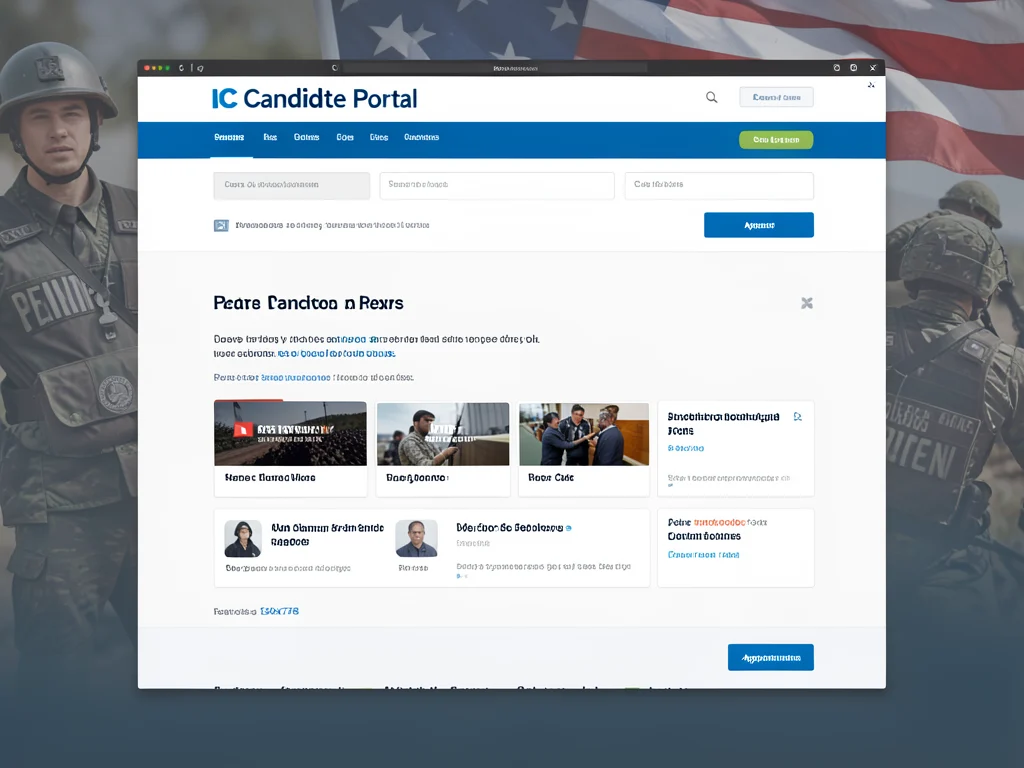
Individuals interested in pursuing a career in intelligence analysis can find opportunities through various government agencies. The IC Candidate Portal is a central resource for exploring different roles within the Intelligence Community. This portal provides job descriptions, application instructions, and information about the hiring process for many intelligence-related positions.
To begin the application process, you will typically need to create an account on the portal and complete an online application. This will involve providing detailed personal information, educational background, and work history. Be prepared to highlight any relevant skills or experiences that align with the requirements of an intelligence analyst role.
You can access the IC Candidate Portal and explore available positions by visiting: https://apply.intelligencecareers.gov/job-description/1261504
Conclusion
A career in intelligence analysis offers a rewarding path for those with a sharp intellect and a desire to serve. By gathering, analyzing, and interpreting critical information, analysts play a crucial role in safeguarding national security. The path requires dedication to education, the development of key analytical and communication skills, and a commitment to the rigorous application process. If you are ready for a challenging and impactful career, exploring the opportunities within the Intelligence Community is a valuable first step.
Frequently Asked Questions
What is the main role of an intelligence analyst?
Intelligence analysts collect, evaluate, and analyze information to identify threats, opportunities, and trends, then present findings to decision-makers.
What are the most important skills for an intelligence analyst?
Critical thinking, analytical skills, and strong written and verbal communication are essential for success in this field.
What kind of education is needed to become an intelligence analyst?
A bachelor’s degree in fields such as international relations, political science, history, or economics is usually the minimum requirement.
Where can I find job openings for intelligence analysts?
You can explore opportunities through government agencies, often listed on resources like the IC Candidate Portal.


Conversation
0 Comments