

Introduction
An Internship Programme is one of the most valuable stepping stones between academic learning and professional life. It offers students and fresh graduates the chance to apply classroom theory in a real working environment, while giving organizations access to fresh talent, new ideas, and a pipeline of future employees.
Whether you are a student trying to understand what an internship is really for, or an organization designing a programme from scratch, this article breaks down the purpose of the Internship Programme, its key objectives, and why it continues to be one of the most effective career-development tools available today.
👉 Apply for the Internship Programme here (replace with your organization’s direct application link)
What Is an Internship Programme?
An Internship Programme is a structured, time-bound opportunity that allows a student, recent graduate, or early-career professional to gain hands-on experience within a company or organization. Unlike a full-time job, an internship is primarily designed around learning and skill development, though it often comes with real responsibilities, mentorship, and sometimes a stipend.
Internship programmes can be:
- Paid or unpaid, depending on the organization and local labor regulations
- Full-time or part-time, often aligned with school semesters or holidays
- Virtual, in-person, or hybrid
- General or specialized, focusing on a specific department such as marketing, engineering, finance, or human resources
Core Purpose of the Internship Programme
1. Bridging the Gap Between Theory and Practice
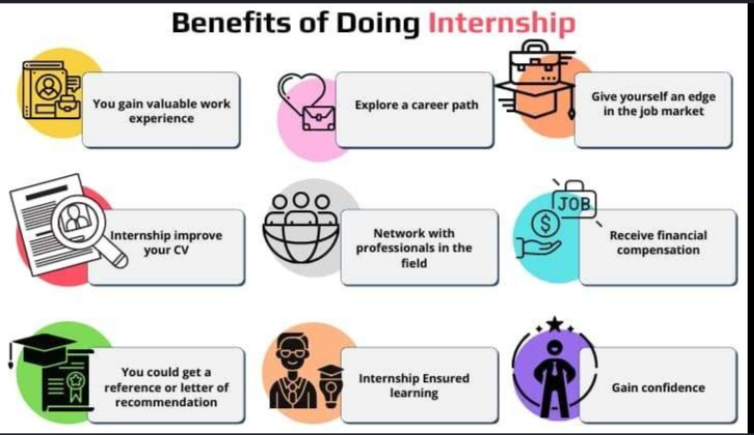
Classrooms teach concepts, frameworks, and theories — but they rarely replicate the pace, pressure, and unpredictability of a real workplace. The primary purpose of an Internship Programme is to give participants a safe, supervised space to apply what they have learned academically to real business problems.
2. Building Practical, Job-Ready Skills
Interns leave the programme with skills that are difficult to teach in a classroom, including:
- Professional communication and workplace etiquette
- Time management and meeting deadlines under real pressure
- Collaboration within cross-functional teams
- Industry-specific technical skills and tools
- Problem-solving in ambiguous, real-world situations
3. Career Exploration and Clarity
Many students choose a course of study without fully knowing what the day-to-day work in that field actually looks like. An internship allows participants to test-drive a career path before committing to it long-term, helping them make more informed decisions about their future.
4. Talent Pipeline for Organizations
From an employer’s perspective, the Internship Programme serves as a low-risk, high-reward recruitment strategy. Organizations get to observe an intern’s work ethic, cultural fit, and capability over weeks or months — far more insight than any interview could provide. Many companies convert their best interns into full-time hires.
5. Mentorship and Professional Networking
Internships connect participants with experienced professionals who can offer guidance, feedback, and mentorship. These relationships often extend beyond the internship itself, becoming valuable professional references and long-term network connections.
6. Boosting Confidence and Employability
Completing an internship signals to future employers that a candidate has real-world exposure, not just academic credentials. It builds self-confidence, strengthens a resume, and often becomes a talking point in future job interviews.
7. Contribution to Organizational Goals
While interns are there to learn, they also bring measurable value to the organizations that host them — fresh perspectives, energy, updated knowledge of emerging tools and trends, and support on projects that might otherwise stretch existing teams thin.
Key Objectives of a Well-Structured Internship Programme
A strong Internship Programme is usually built around the following objectives:
- Skill Development – Equip interns with technical and soft skills relevant to their field.
- Real-World Exposure – Provide hands-on involvement in live projects, not just observation.
- Mentorship – Pair interns with supervisors who provide structured, consistent feedback.
- Evaluation and Growth – Set clear performance benchmarks and review progress regularly.
- Career Readiness – Prepare interns for the expectations of full-time employment.
- Organizational Value – Ensure interns contribute meaningfully to team objectives.
Who Benefits From an Internship Programme?
| Beneficiary | What They Gain |
|---|---|
| Students/Graduates | Practical experience, mentorship, career clarity, networking, resume strength |
| Organizations | Fresh talent, cost-effective support, future recruitment pipeline, innovative ideas |
| Academic Institutions | Stronger industry partnerships, improved graduate employability rates |
| Industries at Large | A steady pipeline of trained, work-ready professionals |
How to Get the Most Out of an Internship Programme
If you’re applying as an intern, keep these tips in mind:
- Set clear goals before you start — what skills or experience do you want to walk away with?
- Ask questions — internships are a learning space, not a place to have all the answers already.
- Seek feedback regularly rather than waiting for a final review.
- Document your work — keep a record of projects and achievements for your resume and portfolio.
- Build relationships with colleagues and mentors, not just your direct supervisor.
Frequently Asked Questions
What is the main purpose of an internship programme? The main purpose is to give participants practical, real-world experience that complements their academic knowledge, while helping them build job-ready skills and professional networks.
Are internship programmes only for students? No. While most interns are students or recent graduates, career changers and early-career professionals also use internships to break into new industries.
Do internships guarantee a job afterward? Not automatically, but many organizations use their Internship Programme as a primary recruitment channel, and strong performance often leads to a full-time offer.
How long does an internship programme typically last? This varies widely — anywhere from a few weeks (summer internships) to a full year, depending on the organization and the arrangement.
Conclusion
The purpose of the Internship Programme goes far beyond simply “getting work experience.” It is a structured bridge between education and employment — one that benefits interns, host organizations, and the broader economy by producing a more capable, confident, and job-ready workforce.
If you’re a student or graduate looking to grow your skills and career prospects, or an organization looking to build a strong talent pipeline, the Internship Programme is one of the most effective investments you can make.
👉 Apply for the Internship Programme here (insert your direct application link)


Conversation
0 Comments