

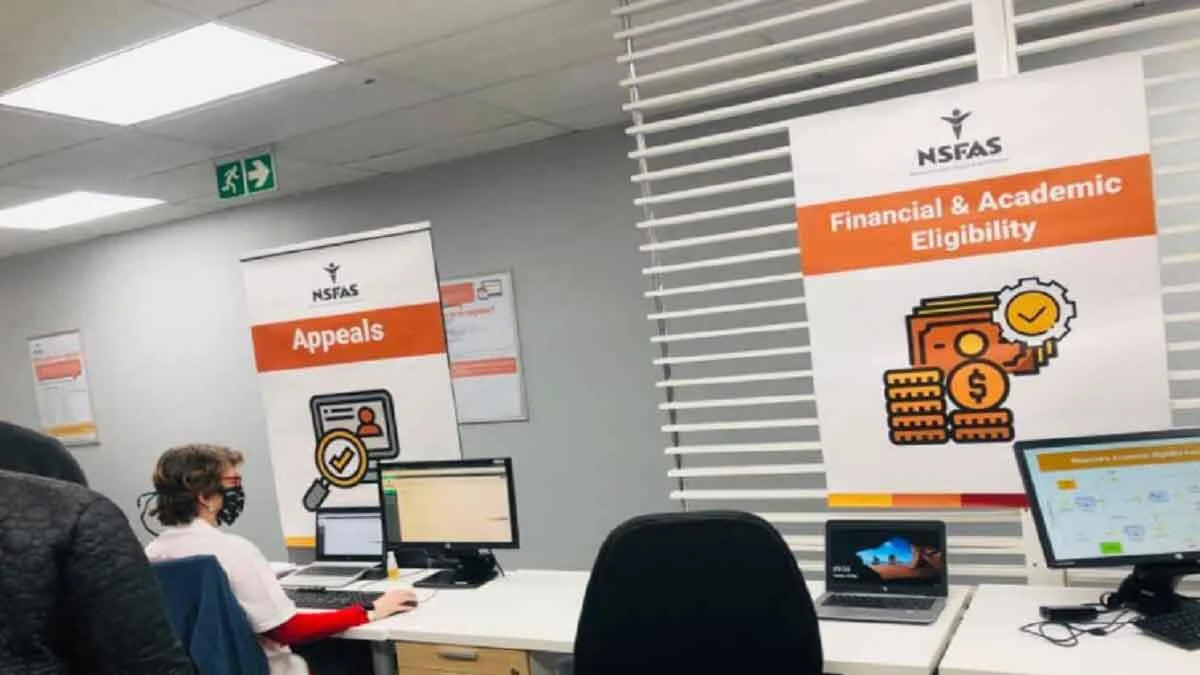
Navigating NSFAS Appeals: Your Guide to Reclaiming Funding Opportunities
Receiving a rejection from the National Student Financial Aid Scheme (NSFAS) can feel like a significant setback, especially when higher education is within reach. However, a declined application is not always the end of the road. NSFAS provides a pathway for students to appeal these decisions, offering a second chance to secure the funding needed to pursue their academic goals. Understanding the appeal process, including the crucial role of a NSFAS propensity letter, is key to successfully navigating this system. This guide will walk you through the steps involved in submitting an appeal, clarifying what each stage of your application status means, and detailing what NSFAS funding typically covers.
Understanding NSFAS and Its Purpose
The National Student Financial Aid Scheme, commonly known as NSFAS, is a government-backed initiative designed to provide financial assistance to students from low-income households in South Africa. Its primary mission is to ensure that financial constraints do not prevent deserving students from accessing tertiary education at universities and Technical and Vocational Education and Training (TVET) colleges. NSFAS funding aims to cover a comprehensive range of educational expenses, thereby removing a major barrier to entry for many aspiring students.
NSFAS funding typically includes provisions for tuition fees, registration fees, accommodation, transportation, and a living allowance that can cover meals, books, and stationery. This holistic approach ensures that students can focus on their studies without the added burden of financial worries. The scheme plays a vital role in promoting social mobility and equipping the youth with the skills and knowledge necessary for future employment and contribution to the economy.
The application and registration period for NSFAS usually opens in the latter part of the year, with deadlines often extending into the following calendar year. It is essential for prospective students to stay informed about these timelines to ensure they do not miss the opportunity to apply for this critical financial support.
Tracking Your NSFAS Application Status
After submitting a NSFAS application, it’s natural to want to know its progress. NSFAS offers a convenient online tracking system through the myNSFAS student portal. By logging into your account, you can monitor the status of your application and understand where it stands in the evaluation process. This transparency helps applicants stay informed and manage their expectations.
Here’s a general overview of how to track your NSFAS application status:
- Access the myNSFAS Portal: Visit the official NSFAS website and log in to your myNSFAS account using your registered username and password.
- Navigate to Funding Progress: Once logged in, locate and click on the “Track Funding Progress” option.
- Review Application Status: This section will display the current stage of your NSFAS application.
Understanding the different statuses you might encounter is crucial for interpreting the information provided. Each status signifies a specific step in NSFAS’s evaluation process.
What Your NSFAS Application Status Means
When you check your NSFAS application status, you might see various terms that describe the progress. Here’s a breakdown of common statuses and what they indicate:
- Application Submitted: This status confirms that your NSFAS bursary application has been successfully received and entered into the NSFAS system. It’s the initial confirmation that your application is being processed.
- Filtering: At this stage, the NSFAS system is performing initial checks. It verifies if you are a returning student and assesses any previous qualifications you may hold. This helps NSFAS manage student records and eligibility.
- Validation: NSFAS conducts essential third-party checks during this phase. This often involves verifying information with other government departments, such as SASSA (South African Social Security Agency) and the Department of Home Affairs, to confirm your identity and circumstances.
- Evaluation: This step involves NSFAS meticulously verifying all the documents you submitted with your application. They ensure that the provided information is accurate and complete, aligning with the application requirements.
- Funding Eligibility: NSFAS is now assessing your household’s financial status as declared in your application. This is a critical step in determining your eligibility for financial aid based on need.
- Awaiting Academic Results/Admission: NSFAS is cross-referencing your academic performance and your chosen institution’s admission status. This ensures you meet the academic requirements set by both NSFAS and your educational institution. This stage can sometimes take longer as NSFAS awaits confirmation from your selected college or university.
- Awaiting Registration: NSFAS is receiving data from your institution to finalize your bursary agreement. This step is necessary before NSFAS can officially disburse funds. Similar to the previous stage, it relies on information flow from your educational provider.
- Signing Of Agreement: Once all prior checks are complete, you will reach this stage. It requires you to formally sign your bursary agreement, a crucial document that outlines the terms and conditions of your NSFAS funding, before allowances can be disbursed.
- Payments: This is the final stage where your NSFAS allowances are being paid. Payments are typically made either through the NSFAS mobile wallet system or directly to your institution. It is advisable to continue monitoring the myNSFAS portal for any updates regarding disbursement.
If you encounter any difficulties or have questions about your application status, reaching out to your university or college’s financial aid office is a recommended course of action. They can often provide guidance and support specific to your situation.
What To Do If Your NSFAS Application Is Declined
Discovering that your NSFAS bursary application has been declined can be disheartening. However, NSFAS offers a formal appeal process that allows you to request a re-evaluation of your application. This appeal process is a critical second chance for students who believe their initial application was unsuccessful due to an oversight, missing information, or a change in circumstances.
The appeal must be submitted within a specific timeframe, typically 30 days from the date you receive notification of your ‘unsuccessful’ application status. It is imperative to adhere to this deadline to ensure your appeal is considered. The appeal process is managed through the myNSFAS portal, where you will need to submit your appeal along with all the necessary supporting documentation.
How to Submit Your NSFAS Appeal
The process for submitting an appeal through the myNSFAS portal is designed to be straightforward, though it requires careful attention to detail. Following these steps will help ensure your appeal is lodged correctly:
- Log in to your myNSFAS Account: Access your account on the official NSFAS website (www.nsfas.org.za).
- Navigate to Funding Progress: Click on the ‘Track Funding Progress’ option within your portal.
- Identify Unsuccessful Status: Review the application progress tabs. If your application status indicates an unsuccessful outcome, you will see an option to submit an appeal.
- Click ‘Submit Appeal Tab’: Select this option to proceed with your appeal.
- Review Appeal Page: On the ‘Application Appeal’ page, you will be able to see the specific reason(s) provided for your unsuccessful application status.
- Choose Appeal Reason: Select the most appropriate reason for your appeal from the provided options. This should align with the circumstances you wish to highlight.
- Upload Supporting Documents: This is a critical step. You must upload certified supporting documents that substantiate your chosen appeal reason. These documents provide evidence to NSFAS for their re-evaluation.
- Submit Your Appeal: Once you have completed all the necessary fields and uploaded your documents, click ‘Submit Appeal’.
- Track Appeal Progress: After submission, you can monitor the progress of your appeal directly through your myNSFAS account.
A crucial requirement for applicants wishing to appeal is the completion and submission of a relevant NSFAS propensity letter. This letter serves as a formal document that helps NSFAS understand the specific circumstances leading to the appeal.
Understanding the NSFAS Propensity Letter
A NSFAS propensity letter is a document that NSFAS requires applicants to complete and have authorized by their institution’s finance office. The information contained within this letter is used by NSFAS to assist in determining the outcome of your appeal. It provides a more detailed explanation of your situation beyond the standard appeal form.
The propensity letter is not a generic document; specific versions are available depending on the reason for your appeal. These are often linked to academic performance, registration issues, or other specific criteria that may have led to the initial rejection.
Why is it needed?
The propensity letter allows you to elaborate on the reasons why NSFAS should reconsider your application. It’s an opportunity to present new information, explain extenuating circumstances, or clarify any misunderstandings that may have occurred during the initial application review. By providing a thorough and well-supported propensity letter, you significantly increase the chances of your appeal being successful.
Propensity Letters Available for Download
NSFAS provides several types of propensity letters, each tailored to specific reasons for appeal. Applicants must download and complete the letter that best matches their situation. These are typically available as PDF documents.
Here are some examples of propensity letters that applicants might need to use:
- Failure to meet academic eligibility: This letter is for students whose appeals are based on not meeting the required academic standards for NSFAS funding, perhaps due to a dip in grades or specific course requirements.
- Appealing N+1: This is relevant for students who have exceeded the standard N+1 rule (which limits the number of years a student can receive funding based on their course duration) and are appealing for an extension.
- N+2 students with disability: This specific letter is for students with disabilities who may require additional time to complete their studies and are appealing under the N+2 rule.
- Registered for 50% or less (final year course credits) to complete: This letter is for final-year students who are registered for 50% or fewer of their course credits needed to graduate and are appealing for continued funding.
It is essential for applicants to carefully select the correct propensity letter and fill it out accurately and completely. Having it authorized by the institution’s finance office adds an official layer of verification, which can strengthen the appeal.
What NSFAS Funding Includes
NSFAS funding is designed to be comprehensive, aiming to cover all essential costs associated with pursuing tertiary education. This broad scope ensures that students from disadvantaged backgrounds can access and complete their studies without facing insurmountable financial hurdles. The financial aid package is structured to support students throughout their academic journey, from registration to graduation.
The typical components of NSFAS funding include:
- Tuition Fees: The cost of your academic program at the university or TVET college is covered.
- Registration Fees: Initial registration costs are also included in the funding package.
- Accommodation: For students who need to live away from home, NSFAS provides funding for student accommodation, whether in university residences or accredited private accommodation.
- Transportation: Costs associated with commuting to and from the institution are often covered, helping students manage daily travel expenses.
- Living Allowances: This is a crucial component that helps students manage their day-to-day expenses. It typically includes:
- Food Allowances: Funds to cover meals and groceries.
- Books and Stationery: Financial support for purchasing necessary academic materials, textbooks, and stationery.
- Personal Care: Some allowances may also be allocated for personal care items.
NSFAS aims to provide a supportive financial environment, allowing students to concentrate on their academic pursuits. The scheme’s commitment to covering these diverse needs underscores its role in democratizing access to higher education in South Africa.
NSFAS Application Statuses Explained in Detail
Understanding the nuances of each NSFAS application status is key to managing expectations and knowing what to do next. While the general descriptions provide a good overview, some stages can be more complex or take longer than others. NSFAS processes a vast number of applications, and each one must go through a rigorous evaluation to ensure fairness and adherence to funding criteria.
Let’s delve deeper into some of the more detailed aspects of these statuses:
Filtering and Validation: The Initial Checks
The Filtering stage is where NSFAS begins to sort applications based on existing student data. This includes checking for duplicate applications or identifying students who have previously received NSFAS funding. It also helps NSFAS categorize applicants, such as first-time applicants versus returning students.
Validation is a critical security and verification step. NSFAS collaborates with external bodies like the Department of Home Affairs and SASSA to confirm the identity and socio-economic details provided by the applicant. This process ensures the integrity of the application data and prevents fraudulent claims. Delays in this stage can sometimes occur if there are discrepancies in the information provided or if the external systems are experiencing high traffic.
Evaluation and Funding Eligibility: Assessing Your Case
During the Evaluation phase, NSFAS case managers review the submitted documents. This includes identity documents, proof of income (or lack thereof), and any other supporting evidence provided. They are looking for consistency and completeness in the information.
The Funding Eligibility status signifies that NSFAS is specifically assessing your household’s financial situation against the established NSFAS income thresholds. This is where the core of the financial aid assessment takes place. Applicants from households below a certain income level are generally prioritized. If your household income is borderline, this stage might involve more detailed scrutiny or requests for additional documentation.
Awaiting Academic Results/Admission and Registration: The Institutional Link
The statuses Awaiting Academic Results/Admission and Awaiting Registration highlight the essential dependency NSFAS has on educational institutions. NSFAS cannot finalize an application without confirmation from the university or TVET college that the student has been admitted and has registered for their chosen course.
These stages can often be the longest, as NSFAS must wait for data feeds from numerous institutions. Universities and colleges have their own admission and registration deadlines, and the process of compiling and submitting this data to NSFAS can take time. Students are often advised to actively engage with their institution’s admissions and financial aid offices during these periods to ensure their information is processed promptly on both ends.
Signing Of Agreement and Payments: The Final Steps
The Signing Of Agreement stage is a formal commitment. The bursary agreement is a legally binding document that details the terms and conditions under which NSFAS provides funding. It outlines the student’s responsibilities, such as maintaining satisfactory academic progress, and NSFAS’s obligations. Signing this agreement is a prerequisite for fund disbursement.
Payments indicate that NSFAS has approved your funding and has begun disbursing allowances. This can happen in various ways. Some institutions receive direct payments for tuition and registration, while students receive living allowances through a NSFAS bank account, a mobile wallet system, or directly from the institution. It’s important for students to understand their specific disbursement method and to monitor their accounts regularly.
What NSFAS Funding Covers in Detail
NSFAS funding is designed to be a comprehensive support system, aiming to remove financial barriers to education. Understanding the full scope of what is covered can help students plan their finances and academic lives more effectively. The scheme recognizes that a student’s needs extend beyond just tuition fees.
Here’s a more detailed look at what NSFAS funding typically includes:
- Tuition and Registration Fees: This is a primary component, covering the full cost of your chosen course’s tuition and the initial registration fees charged by the university or TVET college. This ensures that students are not burdened by the most significant educational expenses.
- Accommodation: NSFAS provides funding for student accommodation. This can be for on-campus residences managed by the institution or for off-campus, accredited private accommodation. The amount allocated for accommodation varies depending on the institution and location, reflecting the different costs of living.
- Transportation: For students who commute daily or need to travel between different campus locations, NSFAS offers a transportation allowance. This helps cover the costs of public transport or other travel expenses related to attending classes and academic activities.
- Living Allowances: This is a broad category designed to support the student’s general well-being and academic needs outside of direct educational costs. It typically encompasses:
- Food: A monthly allowance to cover the cost of meals and groceries. This is crucial for ensuring students have adequate nutrition to support their studies.
- Books and Stationery: Funds are allocated for the purchase of essential academic materials, including textbooks, notebooks, pens, and other study supplies. This ensures students have the resources they need to succeed academically.
- Personal Care Items: While not always explicitly itemized, the living allowance is intended to cover general personal expenses, contributing to the student’s overall well-being.
The objective of NSFAS is to create an environment where students can fully immerse themselves in their studies, free from the constant worry of financial shortfalls. By covering these diverse needs, NSFAS plays an indispensable role in empowering students from disadvantaged backgrounds to achieve their educational aspirations and contribute meaningfully to society.
Frequently Asked Questions About NSFAS Appeals
Q1: How long do I have to submit a NSFAS appeal?
A1: You typically have 30 days from the date you receive notification of your unsuccessful NSFAS application status to submit your appeal. It is crucial to check the exact timeframe provided in your notification and adhere to it strictly.
Q2: What kind of documents should I upload to support my NSFAS appeal?
A2: The documents you upload should directly support the reason you have chosen for your appeal. For example, if you are appealing due to a change in financial circumstances, you might upload updated proof of income, a letter from an employer, or a death certificate if a household income earner has passed away. If appealing academic eligibility, you might include a letter from a lecturer or tutor explaining extenuating circumstances that affected your performance. Always ensure documents are certified where required.
Q3: Can I appeal if my NSFAS application was rejected for not meeting the N+1 rule?
A3: Yes, NSFAS does have specific provisions for appeals related to the N+1 rule, especially for students who may require an additional year to complete their studies due to extenuating circumstances or specific course structures. You will likely need to use the “Appealing N+1” propensity letter and provide a strong justification.
Q4: What is the difference between a NSFAS appeal and a NSFAS propensity letter?
A4: The NSFAS appeal is the formal request to have your application re-evaluated. The NSFAS propensity letter is a supporting document that you complete as part of the appeal process. It provides a more detailed explanation of your circumstances and reasons for appealing, which NSFAS uses in their decision-making.
Q5: How can I track the progress of my NSFAS appeal?
A5: Once you have submitted your appeal through the myNSFAS portal, you can track its progress by logging back into your myNSFAS account. The portal will usually provide updates on the status of your appeal, similar to how you track your initial application.
Q6: What happens if my NSFAS appeal is also declined?
A6: If your appeal is declined, it means NSFAS has reviewed your case and decided not to change the original outcome. At this point, you may need to explore alternative funding options, such as bursaries from other organizations, student loans, or private funding. It is advisable to seek advice from your institution’s financial aid office for potential alternatives.
Q7: Can I appeal if I was rejected because NSFAS found duplicate information in my application?
A7: If your application was rejected due to duplicate information, you will need to address the specific issue. This might involve clarifying your identity or academic history. You will need to provide evidence to NSFAS that resolves the duplication. The appeal process would require you to explain the situation and submit supporting documents that rectify the error.
Q8: Does NSFAS fund postgraduate studies?
A8: NSFAS primarily focuses on funding undergraduate studies for students pursuing qualifications at universities and TVET colleges. While there might be specific postgraduate funding opportunities available through other government departments or institutions, NSFAS itself generally does not cover postgraduate studies.
Q9: What if my institution’s finance office is not available to authorize my propensity letter?
A9: If you face difficulties in getting your propensity letter authorized by your institution’s finance office, you should contact the NSFAS support center or your institution’s financial aid office immediately to explain the situation. They may offer alternative procedures or guidance on how to proceed. Prompt communication is key.
Q10: How long does it typically take for NSFAS to process an appeal?
A10: The processing time for NSFAS appeals can vary significantly depending on the volume of appeals received and the complexity of the case. While NSFAS aims to process appeals efficiently, it can take several weeks or even a few months. It is advisable to regularly check your myNSFAS portal for updates and to be patient during this period.
Conclusion: Reclaiming Your Educational Future
Navigating the NSFAS application and appeal process can be a challenging yet rewarding journey. While an initial rejection might seem discouraging, understanding the mechanisms for appeal, particularly the role of the NSFAS propensity letter, empowers students to take proactive steps towards securing their funding. By meticulously following the outlined steps, providing clear and substantiated reasons for your appeal, and submitting all required documentation on time, you significantly improve your chances of a successful re-evaluation. NSFAS remains a vital resource for countless students, and its appeal process is a testament to its commitment to ensuring that financial barriers do not hinder academic aspirations. Stay informed, be persistent, and leverage the resources available to reclaim your educational future.

Conversation
0 Comments