

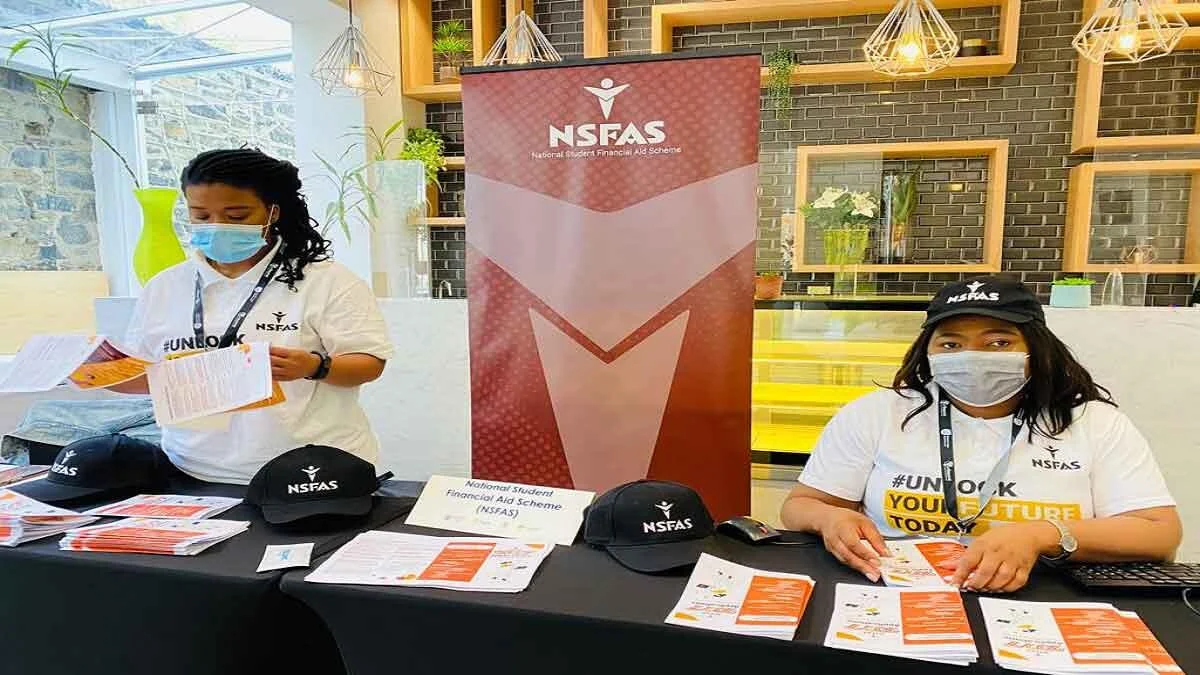
The National Student Financial Aid Scheme (NSFAS) plays a critical role in South African higher education, providing essential funding for underprivileged students to pursue degrees at public universities and TVET colleges. This bursary covers not only registration and tuition fees but also vital living allowances for transport, accommodation, and learning materials. For many students, NSFAS funding is the only pathway to achieving their academic dreams.
However, accessing these funds requires diligent adherence to NSFAS procedures, particularly regarding the submission of necessary documentation and banking details. In recent years, NSFAS has transitioned away from third-party fintech providers for disbursing allowances, opting instead to pay directly into student bank accounts. This shift, while intended to eliminate hefty fees and commissions, places a greater responsibility on students to ensure their banking information is accurately and promptly uploaded to the MyNSfas portal. Failure to do so can result in delayed or withheld allowances, impacting students’ ability to manage their daily expenses and focus on their studies.
This article will guide you through the process of uploading your banking details and any outstanding supporting documents to the MyNSfas portal for the 2026 academic year. We will cover common issues students encounter, the types of allowances NSFAS provides, and the general requirements for NSFAS funding. By understanding these steps, you can ensure a smoother financial experience throughout your academic journey.
Understanding NSFAS Allowances for 2026
For the 2026 academic year, NSFAS is committed to providing a comprehensive financial support system for eligible students. This support extends beyond just tuition and registration fees, encompassing a range of allowances designed to cover the essential costs associated with student life. Understanding these allowances is key to managing your finances effectively and ensuring you have the resources needed to succeed academically.
The primary NSFAS allowances for students funded in 2026 include:
- Once-off Book Allowance: This allowance is specifically for the purchase of textbooks and other essential learning materials. It is typically disbursed at the beginning of the academic year to ensure students have access to the resources they need from day one. The amount can vary depending on the course of study and the institution.
- Meal Allowance: This is a crucial allowance that helps students cover the cost of daily meals. It is usually paid out on a monthly basis, providing a consistent financial buffer for food expenses. The amount is calculated to support students throughout the academic term, acknowledging the significant cost of living.
- Travel Allowance: For students who commute from home to their place of study, a travel allowance is provided. This helps to offset the costs associated with daily transportation, whether it’s public transport fares or fuel for personal vehicles. The aim is to reduce the financial burden of getting to and from campus.
- Accommodation Allowance: Students who do not reside in university or college residences, or those who require off-campus accommodation, are eligible for an accommodation allowance. This allowance is intended to help cover the costs of rent or other living arrangements, ensuring students have a safe and suitable place to stay while studying. The amount can differ based on whether the accommodation is university-managed or privately sourced.
It is important to note that these allowances are disbursed directly to the student’s bank account. This direct payment system, implemented to bypass previous fintech providers and their associated fees, requires students to have a valid South African bank account and to ensure their banking details are correctly registered on the MyNSfas portal. Any discrepancies or missing information can lead to delays in receiving these vital funds, potentially disrupting a student’s ability to manage their daily living expenses.
How to Upload Banking Details and Documents on MyNSfas
Navigating the MyNSfas portal to submit your banking details and any outstanding documents is a straightforward process, but it requires attention to detail. Ensuring this information is up-to-date is critical for the timely disbursement of your NSFAS allowances for the 2026 academic year. The portal is designed to be user-friendly, but if you encounter difficulties, assistance is available through various channels.
Here’s a step-by-step guide to uploading your banking details and documents:
-
Access the MyNSfas Portal:
Begin by visiting the official MyNSfas website. The correct URL is my.nsfas.org.za. This is the central hub for all your NSFAS-related activities. -
Log In to Your Account:
Use your existing NSFAS login credentials to access your personal student profile. This typically includes your username (often your ID number or a unique student number) and your password. If you have forgotten your password, there is usually a “Forgot Password” option available on the login page to help you reset it. -
Locate the Document Upload Section:
Once logged in, navigate through the portal’s menu or dashboard. Look for an option that clearly indicates “upload outstanding supporting documents” or a similar phrase. This section is where you will manage any required paperwork. -
Submit Your Documents:
Within the document upload area, you will find a tab or button labeled “Submit Documents.” Clicking this will allow you to upload the necessary files. Ensure that you are uploading the correct documents as requested by NSFAS. Common documents include proof of income, identity documents, or proof of residence. -
Upload Banking Details:
There is a specific section for uploading or confirming your banking details. This is where you will enter your bank name, account number, branch code, and account type (e.g., savings, current). Double-check all details for accuracy before submitting. NSFAS requires these details to process your allowances directly into your account. -
Confirmation of Submission:
After successfully uploading your documents and banking details, you should receive a confirmation message on the portal. This message typically states that “Outstanding application documents submitted successfully uploaded” or a similar confirmation for your banking details. It is advisable to take a screenshot of this confirmation for your records.
Troubleshooting Common Upload Issues:
A frequent problem students face is that uploaded documents are not clear or legible. NSFAS requires clear copies to verify your information. If you are having trouble taking clear photos with your cellphone, consider the following options:
- Utilize Scanning Apps: Many smartphone apps can scan documents and produce clear, high-resolution digital copies.
- Visit a NSFAS or NYDA Office: If you are unable to achieve clarity on your own, you can visit a National Youth Development Agency (NYDA) office or a designated NSFAS service point. These offices are equipped to assist students with document submission and can help ensure your files meet the required standards.
- Seek Assistance from Your Institution: If there isn’t a NSFAS or NYDA office conveniently located near you, you can approach the fees office or student support services at your college or university. They often have resources or staff who can assist with NSFAS-related administrative tasks, including document uploads.
Ensuring your documents are clear and your banking details are accurate is paramount to receiving your NSFAS funding without delay.
Requirements for NSFAS Funding in 2026
To be eligible for NSFAS funding in the 2026 academic year, prospective and current students must meet a set of criteria established by the National Student Financial Aid Scheme. These requirements are designed to ensure that NSFAS resources are directed towards those who genuinely need financial assistance to access and complete their tertiary education. Meeting these criteria is the first step in securing the bursary that can transform a student’s future.
The core requirements for NSFAS funding are as follows:
- South African Citizenship: Applicants must be South African citizens. NSFAS is a government-funded bursary scheme specifically for South African students.
- Acceptance or Application to a Public Institution: You must be accepted into, or currently applying to, a public South African university or a Technical and Vocational Education and Training (TVET) college. NSFAS does not fund studies at private institutions.
- Household Income Threshold: For the majority of applicants, the total annual household income must be below R350,000. This income threshold is a key indicator of financial need, ensuring that NSFAS supports students from low-income backgrounds. This figure is assessed based on the combined income of all household members who contribute financially.
- Special Consideration for Students with Disabilities: NSFAS recognizes the additional financial burdens faced by students with disabilities and their families. Therefore, for students with disabilities, the household income threshold is higher, set at below R600,000 per year. This adjustment aims to provide equitable access to education for all students, regardless of their physical or learning challenges.
- SASSA Grant Beneficiaries: Students who are beneficiaries of a South African Social Security Agency (SASSA) grant are immediately accepted for NSFAS funding. This provision acknowledges that SASSA beneficiaries are already identified as being in a vulnerable financial situation, thus meeting the need criterion for NSFAS.
Additional Considerations:
Beyond these primary requirements, NSFAS also considers academic performance for continuing students and the specific course of study. While the initial application focuses on financial need and basic eligibility, maintaining funding often depends on satisfactory academic progress, as outlined by NSFAS policies such as the N+ rule.
It is always recommended to visit the official NSFAS website (www.nsfas.org.za) for the most current and detailed information regarding eligibility criteria, application procedures, and any updates to their policies for the 2026 academic year. Staying informed through official channels is crucial for a successful application and continued funding.
Common Issues and How to Resolve Them
While the NSFAS application and document submission process is designed to be accessible, students often encounter common hurdles. Understanding these issues and knowing how to resolve them can save time and prevent the frustration of delayed funding. The NSFAS system, like any large administrative process, can present challenges, but proactive problem-solving is key.
Here are some of the most frequent problems students face and their solutions:
-
Unclear or Illegible Documents:
-
Problem: Documents uploaded are blurry, cut off, or too dark/light to read. This is a primary reason for document rejection.
-
Solution: Ensure you are using a well-lit area when taking photos of documents. Use a scanner or a scanning app on your smartphone for clearer results. If using a phone camera, make sure the document is flat and the camera is held directly above it, not at an angle. Check the image preview before uploading to confirm legibility. If you continue to struggle, seek assistance at a NSFAS or NYDA office, or your institution’s financial aid office.
-
Incorrect or Incomplete Banking Details:
-
Problem: Typos in account numbers, incorrect branch codes, or submitting details for a non-South African bank account.
-
Solution: Carefully verify every digit of your account number and ensure the branch code is correct for your specific bank branch. It is best to use your own bank account, as allowances are paid directly to you. If you have recently changed your banking details, ensure you update them on the MyNSfas portal immediately. A confirmation screen or email should be received after updating; keep this for your records.
-
Outstanding Supporting Documents:
-
Problem: NSFAS requires specific documents (e.g., proof of income for parents/guardians, ID copies) that have not been submitted or were submitted incorrectly.
-
Solution: Regularly check your MyNSfas portal for notifications about outstanding documents. Ensure you upload the exact documents requested. For proof of income, this might include payslips, tax returns, or an affidavit if self-employed or unemployed. If your parents or guardians are unemployed, an affidavit stating this may be required.
-
Application Status Not Updating:
-
Problem: Students may see their application status as “under review” or “pending” for extended periods, causing anxiety.
-
Solution: While some waiting is normal, if the status remains unchanged for an unusually long time, it might indicate an issue. Contact the NSFAS call center or inquire at your institution’s financial aid office. Be prepared to provide your student number and ID number when seeking assistance.
-
Issues with Fintech Providers (Historical Context):
-
Problem: In previous years, students experienced issues with third-party fintech providers deducting fees or experiencing payment delays.
-
Solution: For the 2026 academic year, NSFAS is paying allowances directly to student bank accounts. This eliminates the need to interact with these fintech providers for allowance distribution. Ensure your banking details are correctly submitted to NSFAS to benefit from this direct payment system.
-
Not Meeting Eligibility Criteria:
-
Problem: Students are rejected because they do not meet the household income threshold, are not South African citizens, or are applying to private institutions.
-
Solution: Carefully review the NSFAS eligibility criteria before applying. If you believe there was an error in the assessment of your application, you may have grounds for an appeal. The NSFAS website provides information on the appeals process, which typically involves submitting a formal appeal letter with supporting evidence.
Where to Get Help:
If you are struggling with any aspect of the NSFAS process, remember that support is available:
- MyNSfas Portal: This is your primary resource for checking status, uploading documents, and updating information.
- NSFAS Call Centre: Contact NSFAS directly for general inquiries and assistance.
- NSFAS Website: The official website (www.nsfas.org.za) contains FAQs, guidelines, and contact information.
- NYDA Offices: The National Youth Development Agency offers assistance with NSFAS applications and document submissions.
- Institutional Financial Aid Offices: Your university or TVET college’s financial aid department is a valuable resource for personalized guidance.
By staying informed and addressing issues promptly, students can navigate the NSFAS system more effectively and ensure they receive the financial support they need.
The Importance of Accurate Banking Information
The accuracy of your banking information is paramount when dealing with NSFAS, especially for the 2026 academic year. As NSFAS has transitioned to direct payment of allowances into student bank accounts, any errors or omissions in your banking details can lead to significant delays or even the non-receipt of crucial funds. This direct deposit system, while beneficial in eliminating intermediary fees, places the responsibility squarely on the student to provide correct information.
Why Accuracy Matters:
- Timely Allowance Disbursement: NSFAS allowances, including those for meals, accommodation, transport, and books, are paid directly to your nominated bank account. If the account number, branch code, or bank name is incorrect, the payment cannot be processed. This can leave you without funds for essential living expenses, impacting your ability to attend classes, buy food, or secure accommodation.
- Avoiding Rejection of Funds: Banks will reject payments sent to invalid or incorrect account numbers. These rejected funds may need to be re-processed by NSFAS, adding significant delays to when you eventually receive your money. This can create a cycle of financial uncertainty.
- Preventing Fraud and Misdirection: Providing accurate banking details ensures that your funds go directly to you and not to an unintended recipient. This is a critical security measure to protect your financial aid.
- Streamlining Administrative Processes: When banking details are correct from the outset, it reduces the administrative burden on both NSFAS and the student. Fewer errors mean fewer queries, less follow-up, and a more efficient system for everyone involved.
What Constitutes Accurate Banking Information:
When you are asked to provide your banking details on the MyNSfas portal, you will typically need to supply the following:
- Bank Name: The full, official name of your bank (e.g., Standard Bank, FNB, Absa, Nedbank, Capitec).
- Account Type: Specify whether it is a Savings Account, Cheque Account, or Transmission Account.
- Account Number: Your unique bank account number. This is a crucial detail that must be entered precisely.
- Branch Code: The specific code for your bank branch. This helps the bank identify the correct branch for processing the transaction.
Tips for Ensuring Accuracy:
- Use Your Own Account: NSFAS strongly advises students to use their own personal bank account. Payments will not be made into someone else’s account (e.g., a parent’s or guardian’s account) unless there are exceptional circumstances and specific authorization processes are followed.
- Double-Check Everything: Before submitting, meticulously review every digit of your account number and branch code. It is easy to make a mistake when typing, so a second or even third check is highly recommended.
- Consult Your Bank Statement or App: Your most recent bank statement or your mobile banking app will clearly display your account number, bank name, and branch code. Use this as a reference to ensure accuracy.
- Update Immediately if Changed: If you open a new bank account or change your banking details for any reason, it is imperative that you log into your MyNSfas portal immediately and update this information. Do not wait for your next allowance payment to be due.
- Keep Records: After updating your banking details, take a screenshot of the confirmation page on the MyNSfas portal. This serves as proof that you have submitted the correct information.
By taking these steps to ensure the accuracy of your banking information, you significantly increase the likelihood of receiving your NSFAS allowances smoothly and on time for the 2026 academic year. This diligence is a small but vital part of managing your financial aid effectively.
NSFAS Application Requirements for 2026: A Deeper Dive
Understanding the NSFAS application requirements for 2026 goes beyond just knowing the basic criteria. For many students, NSFAS is the gateway to higher education, and a thorough grasp of what is needed can make the difference between success and disappointment. The scheme aims to support students who demonstrate financial need and academic potential, ensuring that financial barriers do not prevent deserving individuals from pursuing their educational goals.
1. South African Citizenship:
This is a non-negotiable requirement. NSFAS is funded by the South African government to support its citizens. Proof of citizenship, typically through an ID number, is required during the application process.
2. Acceptance/Application to Public Institutions:
NSFAS funding is exclusively for studies at public universities and TVET colleges within South Africa. This means that if you are accepted into or are applying for a course at a private college or university, you will not be eligible for NSFAS funding. The application process often requires you to specify the institution and the course you intend to study.
3. Household Income Threshold:
The R350,000 annual household income limit is a cornerstone of NSFAS’s means-testing. This figure represents the combined gross income of all individuals in the household who contribute to the family’s finances.
- What counts as household income? This includes salaries, wages, business profits, pensions, rental income, and any other regular source of income for all members of the household.
- Proof of Income: Applicants are usually required to provide supporting documents for household income. This can include payslips, tax returns, employment contracts, or affidavits for those who are self-employed or unemployed. If parents or guardians are unemployed, NSFAS may require an affidavit confirming this and stating that there is no income.
- SASSA Beneficiaries: As mentioned, individuals receiving a SASSA grant are automatically considered financially needy and are typically fast-tracked for NSFAS approval, provided they meet the other basic criteria like citizenship and enrollment in a public institution.
4. Special Provisions for Students with Disabilities:
The higher income threshold of R600,000 for students with disabilities acknowledges the often-increased costs associated with their education and living expenses. This includes potential costs for assistive devices, specialized transport, or additional care. Applicants in this category will need to provide medical documentation to support their disability status.
5. Academic Requirements:
While the initial application focuses heavily on financial need, continuing students must maintain satisfactory academic progress to retain their NSFAS funding.
- First-time Entering Students: For those entering university for the first time, meeting the minimum entry requirements for their chosen course is usually sufficient.
- Returning Students: Students already receiving NSFAS funding must meet specific academic criteria to continue receiving support. This often involves passing a certain number of modules or achieving a minimum GPA. The NSFAS “N+ rule,” for instance, limits the total duration of study for which funding is provided, typically allowing one extra year beyond the standard course duration. Students who fail to meet these academic benchmarks may have their funding suspended or terminated.
6. Application Process and Documentation:
The application is typically done online via the MyNSfas portal. Key documents usually required include:
- Proof of identity (South African ID document or birth certificate).
- Proof of registration or acceptance at a public institution.
- Proof of income for all household members (payslips, tax returns, affidavits).
- For students with disabilities, medical certificates.
- For applicants under 18, parental/guardian consent and ID documents.
- For applicants who are orphans, a death certificate of parents.
It is crucial for applicants to read all instructions carefully and provide complete and accurate information. Any discrepancies or missing documents can lead to delays or rejection of the application. Staying updated with NSFAS announcements and guidelines through their official website is highly recommended.
Preparing for the 2026 Academic Year with NSFAS
As the 2026 academic year approaches, prospective and current NSFAS beneficiaries need to be proactive in ensuring their financial aid is secured and their administrative tasks are completed. The NSFAS system requires ongoing engagement from students to maintain their funding and to benefit from the allowances provided. Preparation is key to a smooth academic year, free from financial stress.
For New Applicants:
- Stay Informed: Keep a close eye on the official NSFAS website (www.nsfas.org.za) for the opening of the application period for 2026. Applications typically open in the latter half of the preceding year.
- Gather Documents Early: Start collecting all necessary supporting documents well in advance. This includes ID documents, proof of income (payslips, affidavits), and acceptance letters from institutions. Having these ready will allow you to complete the online application quickly once it opens.
- Understand Eligibility: Thoroughly review the eligibility criteria for 2026. Ensure you meet the household income requirements and are applying to an eligible public institution.
- Create a MyNSfas Account: If you haven’t already, familiarize yourself with the MyNSfas portal. You will need to create an account to apply and manage your application status.
For Continuing Students:
- Check Your Status: Log in to your MyNSfas portal regularly to check your funding status for 2026. Ensure your details are up-to-date.
- Update Banking Details: If your banking details have changed, update them immediately on the MyNSfas portal. This is critical for the direct disbursement of allowances.
- Academic Performance: Be aware of the academic requirements to maintain your NSFAS funding. Ensure you are meeting the minimum pass rates and module completion targets set by NSFAS and your institution.
- Outstanding Documents: If NSFAS has requested any outstanding documents from you, submit them promptly through the portal to avoid any interruption in your funding.
- Understand Allowance Discrepancies: If you notice any issues with your allowance payments, contact the NSFAS call center or your institution’s financial aid office promptly.
General Advice for All NSFAS Beneficiaries:
- Use Official Channels: Always rely on the official NSFAS website and portal for information. Be wary of unofficial sources that may provide incorrect advice.
- Keep Records: Maintain copies of all submitted documents, application confirmations, and any correspondence with NSFAS.
- Seek Assistance: Do not hesitate to seek help from your institution’s financial aid office, NSFAS, or NYDA offices if you encounter difficulties.
By taking these preparatory steps, NSFAS beneficiaries can ensure a more secure and less stressful academic year in 2026, allowing them to focus on their studies and personal development. The proactive management of one’s NSFAS account is an investment in academic success.
Conclusion
The National Student Financial Aid Scheme (NSFAS) is an indispensable resource for many South African students, bridging the gap between financial hardship and the pursuit of higher education. For the 2026 academic year, understanding and meticulously following the procedures for submitting banking details and supporting documents via the MyNSfas portal is more critical than ever. This direct payment system, while designed to be efficient and cost-effective, places a significant emphasis on student responsibility for data accuracy.
By ensuring your banking information is correct, all required documents are clear and submitted on time, and you meet the ongoing eligibility criteria, you pave the way for uninterrupted financial support. This includes the essential allowances for books, meals, travel, and accommodation, which are vital for a student’s well-being and academic focus. Proactive engagement with the MyNSfas portal, diligent document management, and seeking assistance when needed are key strategies for a successful NSFAS experience. Ultimately, a well-managed NSFAS application and account contribute directly to a student’s ability to thrive in their tertiary education and achieve their future aspirations.
Conversation
0 Comments