

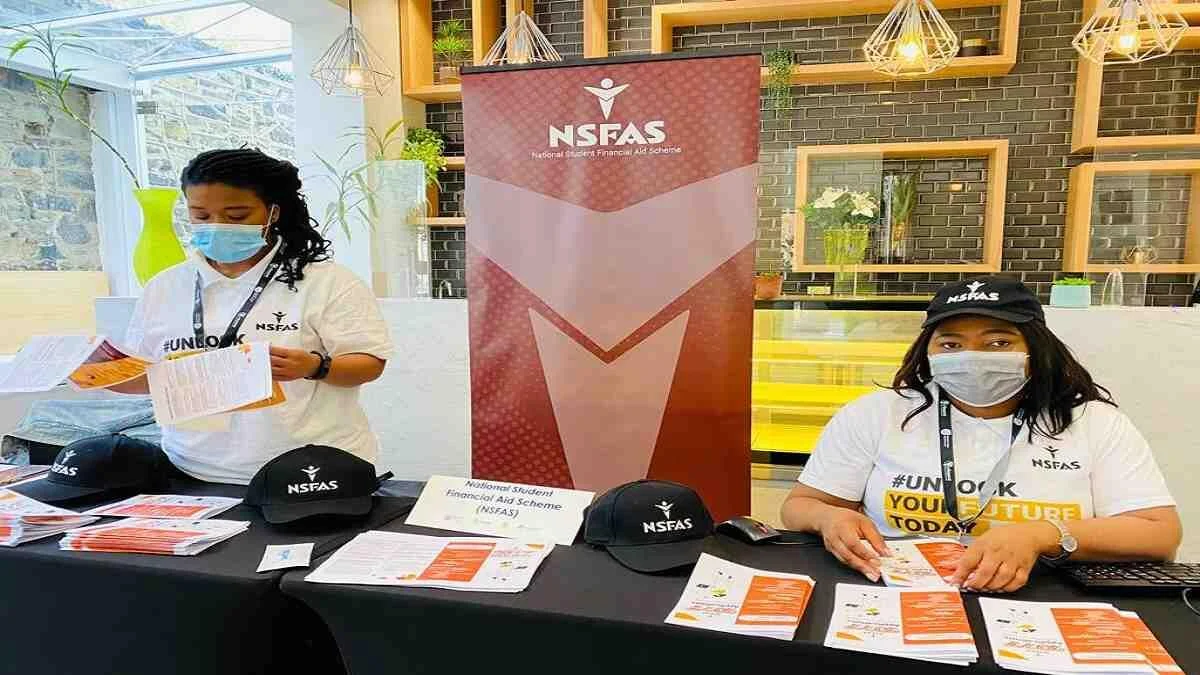
The National Student Financial Aid Scheme (NSFAS) plays a critical role in South Africa’s education landscape, providing financial support to thousands of students pursuing higher education at TVET colleges and universities. For many, NSFAS is the key that unlocks opportunities for learning and future career development. Understanding how NSFAS allowances are processed, what they cover, and when students can expect to receive them is essential for managing finances and focusing on academic success. This analysis will break down the NSFAS allowance system for TVET college students in 2026, covering payment timelines, types of allowances, and important considerations for students.
Understanding NSFAS Allowances for TVET College Students in 2026
NSFAS provides comprehensive bursaries and student loans to eligible students enrolled in approved courses at TVET colleges. This funding extends beyond just tuition and registration fees; it also includes various allowances designed to support students’ daily living expenses. These allowances are crucial for students who may not have other financial resources to cover costs such as food, transportation, and learning materials. The scheme aims to ensure that financial barriers do not prevent deserving students from completing their studies.
The timely disbursement of these allowances is a significant concern for students. NSFAS has made efforts to streamline the payment process, but it relies on accurate and up-to-date information from both students and the TVET colleges themselves. When registration data is submitted correctly and on time, NSFAS can proceed with processing payments. Students are consistently reminded of the importance of ensuring their banking details are correctly uploaded to the myNSFAS platform, as this is the primary method for receiving their personal allowances.
NSFAS Payment Schedules and Timelines for 2026
NSFAS has established specific payment schedules to ensure that allowances reach TVET college students as efficiently as possible. For June 2026, NSFAS confirmed that allowance payments began on June 25th, 2026, for students whose registration data had been successfully submitted. This means that students who met the necessary criteria and had their information processed by NSFAS would start seeing these funds reflect in their accounts.
It is important for students to understand that while NSFAS processes all payments on a designated day, the actual time of receipt can vary. This variation is primarily due to the different banking institutions students use. Each bank has its own processing times, which can lead to slight delays between students, even if their payments were initiated simultaneously. NSFAS advises students to be patient and check with their respective banks if they have not received their allowances within a reasonable timeframe after the confirmed payment date.
Beyond the monthly living allowances, accommodation payments are also a critical component of NSFAS funding for TVET students. These payments are typically processed a couple of days after the personal allowances. For instance, if personal allowances are paid on the 25th of June, accommodation payments due for TVET students would be processed around the 27th of June. These payments are usually made directly to the institutions or private accommodation providers, ensuring that students have a place to stay while they study.
Types of NSFAS Allowances for TVET College Students
NSFAS provides a range of allowances to cater to the diverse needs of TVET college students. These allowances are structured to provide financial support for different living situations and specific student requirements. The amount and type of allowance a student receives can depend on factors such as whether they live in a catered residence, a non-catered setting, or require specific support due to a disability.
Personal Care Allowance
The Personal Care Allowance is specifically for students who reside in catered residences. This allowance is intended to help with personal hygiene items and other small daily necessities. In 2026, the NSFAS personal care allowance is set at R316 per month. This amount is consistent across different types of accommodation and student circumstances, providing a baseline for personal expenses.
Living Allowance
The Living Allowance is a more substantial component of NSFAS funding and is paid monthly to students based on their accommodation arrangements and whether they have a disability. The amounts vary to reflect the different costs associated with various living situations.
For students with disabilities residing in catered accommodation within metro areas, the monthly living allowance is R1,716. In contrast, those with disabilities in non-catered metro settings receive a higher allowance of R2,080 per month. This difference likely accounts for potentially higher living costs in non-catered environments, which may require students to purchase more of their own meals and supplies.
Students living in non-catered accommodation in non-metro areas receive R1,716 monthly. For students with disabilities in these non-metro locations, the allowance is R2,080 per month. This structure aims to balance the cost of living across different geographical areas and accommodation types, while also providing additional support for students with disabilities.
NSFAS Transport Allowance
For students who do not reside in college-provided or private accommodation and instead commute, NSFAS offers a Transport Allowance. This allowance is designed to help cover the costs associated with daily travel to and from the college. Students who receive the transport allowance are provided with R802 per month. This amount is intended to assist with fuel, public transport fares, or other transportation-related expenses.
It is important to note that accommodation allowances, whether for on-campus residences or approved private providers, are typically paid directly to the institutions or landlords. This direct payment method ensures that the funds are allocated specifically for accommodation, reducing the risk of misuse and guaranteeing that students have secured housing.
Key Considerations for NSFAS Allowance Recipients
Receiving NSFAS allowances comes with responsibilities. NSFAS consistently reminds students to use the funds wisely and for their intended purposes, which are primarily related to their education and living expenses while studying. Responsible financial management is a critical life skill that students develop during their tertiary education.
Uploading Banking Details
A recurring and critical instruction from NSFAS is the necessity for students to upload their banking details onto the myNSFAS platform. This is not an optional step; it is a prerequisite for receiving personal allowances, including the living and transport allowances. Without accurate banking information, NSFAS cannot disburse funds directly to the student. Students who have not yet done this, or whose details may have changed, are urged to update them promptly to avoid payment delays.
Registration Data Accuracy
The accuracy and timely submission of registration data by TVET colleges to NSFAS are paramount. NSFAS processes payments based on confirmed registrations. If there are discrepancies or delays in this data, it can directly impact when a student receives their allowances. Students should maintain open communication with their college’s financial aid office to ensure their registration status is correctly reflected in NSFAS records.
Responsible Fund Usage
NSFAS funds are a significant investment in a student’s future. The scheme encourages students to use their allowances responsibly. This means prioritizing expenses such as food, transportation to campus, textbooks, and other essential learning materials. While some flexibility is expected, the core purpose of these allowances is to support the student’s academic journey and reduce financial stress, allowing them to concentrate on their studies. Misusing these funds can lead to financial difficulties and may even have implications for future funding.
Communication with NSFAS and Colleges
Open lines of communication are vital. Students should feel empowered to reach out to NSFAS directly through their official channels if they have questions about their allowances or payments. Similarly, the financial aid office at their TVET college is a primary resource for information and assistance regarding NSFAS applications, registration data, and any issues that may arise. Staying informed and proactive can help resolve potential problems before they escalate.
The Role of NSFAS in Supporting TVET Education
The National Student Financial Aid Scheme (NSFAS) is more than just a funding body; it is a cornerstone of South Africa’s commitment to providing accessible and equitable education. For TVET colleges, NSFAS funding is particularly transformative. These institutions play a crucial role in equipping students with practical skills and vocational training, preparing them for direct entry into the workforce. NSFAS support ensures that students from disadvantaged backgrounds can access this vital education, thereby contributing to a more skilled and employable population.
The allowances provided by NSFAS are designed to address the holistic needs of students. By covering living expenses, NSFAS helps to alleviate the financial pressures that often force students to drop out of their studies. This support system acknowledges that academic success is not solely dependent on tuition fees but also on a student’s ability to meet their basic needs. In 2026, the continued provision and timely disbursement of these allowances underscore NSFAS’s ongoing dedication to student welfare and academic achievement.
Addressing Potential Challenges and Delays
Despite NSFAS’s efforts to ensure smooth payment processes, challenges can sometimes arise. These might include administrative errors, delays in data submission from institutions, or issues with banking platforms. When students encounter such problems, it is important to approach them systematically.
Firstly, students should always verify that their own information on the myNSFAS portal is accurate and up-to-date. This includes personal details, contact information, and crucially, their bank account details. If these are correct, the next step is to check with their TVET college’s financial aid department. The college often acts as the intermediary between the student and NSFAS, and they can help clarify registration status and data submission timelines.
If the issue persists, students are encouraged to contact NSFAS directly. The NSFAS contact center can provide specific information regarding a student’s funding status and payment history. Keeping records of all communication, including dates, names of people spoken to, and reference numbers, can be helpful if further escalation is needed. NSFAS also provides updates and announcements through its official website and social media channels, which students should monitor for any general information regarding payment schedules or system updates.
Conclusion
The NSFAS allowance system for TVET college students in 2026 is a vital support structure designed to enable academic success by covering essential living costs. Understanding the payment schedules, the different types of allowances available, and the responsibilities that come with receiving this funding is crucial for every NSFAS-funded student. By ensuring accurate personal and registration information is submitted, maintaining open communication with their institutions and NSFAS, and managing their funds responsibly, students can maximize the benefits of this invaluable financial aid. NSFAS continues to be a critical enabler of education, empowering thousands of young South Africans to pursue their vocational and academic goals and build brighter futures.
Conversation
0 Comments