

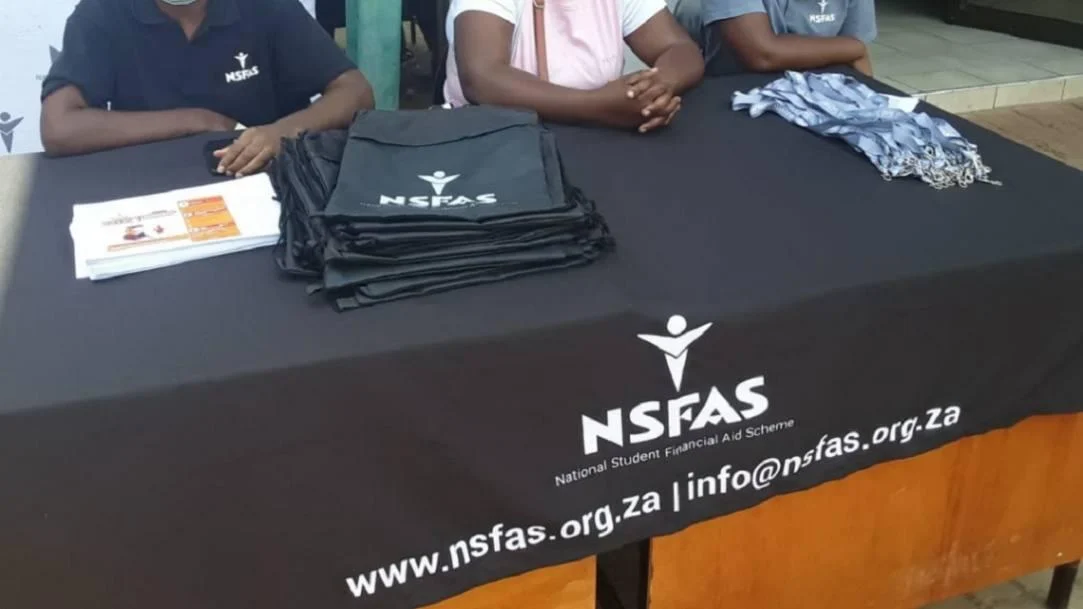
The National Student Financial Aid Scheme (NSFAS) plays a critical role in South Africa’s education landscape, providing financial support to thousands of students who might otherwise be unable to pursue higher education. For many, NSFAS represents a pathway to a brighter future, offering bursaries and loans to cover tuition, registration, and various living allowances. As students navigate their academic journeys, a common question arises: “Do I need to reapply for NSFAS funding every year?” Understanding the renewal process is key to ensuring continuous support and avoiding disruptions to studies. This analysis will clarify the NSFAS annual renewal policy, outlining the conditions students must meet to maintain their funding and what steps to take if they have previously dropped out.
NSFAS Funding: Annual Renewal Explained
NSFAS has clarified that its loans are subject to annual renewal. This means that students who are currently receiving NSFAS funding do not need to submit a new application each academic year to continue their support. The scheme aims to provide ongoing assistance to deserving students throughout their course of study, provided they meet the established criteria. This annual renewal process simplifies the administrative burden for students, allowing them to focus more on their academic performance rather than repeatedly navigating the application system.
The primary condition for the annual renewal of NSFAS funding is consistent academic performance. Students must demonstrate satisfactory progress in their studies to remain eligible for continued financial support. NSFAS uses academic performance as a key metric to assess a student’s commitment and suitability for ongoing funding. This ensures that the financial aid is directed towards students who are actively engaged in their education and are on track to complete their qualifications.
Maintaining Eligibility for NSFAS Funding
To ensure that NSFAS funding is renewed each year, students must adhere to specific academic conditions throughout their period of study. These conditions are outlined in the NSFAS Eligibility Criteria and Conditions, which are updated annually. While the exact requirements can vary slightly from year to year, the core principle remains the same: students must pass a certain number of modules or achieve a minimum grade point average to be considered for continued funding.
The NSFAS loan is not just a financial handout; it comes with an obligation. Beneficiaries are expected to repay the loan after completing their studies, and crucially, they must uphold the academic standards set by NSFAS during their entire study period. Failure to meet these academic benchmarks can lead to the termination of funding, even if the student was initially approved. Therefore, maintaining good academic standing is paramount for all NSFAS-funded students.
NSFAS also considers the availability of budget when renewing funding. While academic performance is a primary driver, the overall financial capacity of the scheme can also influence renewal decisions. This means that even students who meet academic requirements may need to be aware of the broader context of NSFAS funding availability. However, the scheme generally prioritizes supporting students who have demonstrated consistent academic merit.
What Happens If You Drop Out?
The NSFAS renewal policy has specific implications for students who have previously benefited from the scheme but have dropped out of their studies. NSFAS has clearly stated that students who de-register or drop out during an academic term and wish to resume their studies in future academic terms must reapply for NSFAS funding. This is a critical distinction from the annual renewal process for continuously enrolled students.
When a student drops out, their NSFAS funding is typically suspended. To regain access to NSFAS support, they are treated as new applicants or, at the very least, require a fresh assessment of their eligibility and circumstances. This reapplication process involves submitting all necessary documentation and meeting the current NSFAS eligibility criteria, which may have evolved since their initial application.
The reapplication process allows NSFAS to reassess the student’s current situation, including their academic goals, financial needs, and the viability of their chosen course of study. It also ensures that the student is genuinely committed to completing their education. Dropping out can sometimes indicate underlying issues, such as academic challenges, financial difficulties, or personal circumstances, and the reapplication process can help NSFAS understand if these issues have been addressed.
The Reapplication Process for Former NSFAS Beneficiaries
For students who have dropped out and need to reapply for NSFAS funding, the process generally mirrors that of a new applicant. This involves:
- Checking Eligibility Criteria: Students must first review the latest NSFAS Eligibility Criteria and Conditions to ensure they meet the requirements for the upcoming academic year. This includes financial thresholds, academic background, and citizenship status.
- Submitting an Application: A new NSFAS application must be completed and submitted within the designated application period. This typically involves providing personal details, financial information, and academic history.
- Providing Supporting Documents: Applicants will need to upload all required supporting documents, which may include proof of income, identity documents, and academic transcripts.
- Meeting Academic Requirements: If the student has previously studied, their academic performance will be a significant factor. NSFAS will assess their past academic record to determine their potential for success in future studies.
- Budgetary Considerations: As with all applications, the final approval will also be subject to the available NSFAS budget for the year.
It is important for students in this situation to stay informed about application opening and closing dates. Missing these deadlines can mean missing out on funding for the entire academic year. Proactive communication with NSFAS or relevant financial aid offices at educational institutions can also provide valuable guidance.
Academic Performance and NSFAS Funding Renewal
The emphasis on academic performance for NSFAS funding renewal cannot be overstated. NSFAS uses academic progress as a primary indicator of a student’s commitment and their likelihood of successfully completing their qualification. This policy serves a dual purpose: it encourages students to maintain high academic standards and ensures that the limited financial resources of NSFAS are allocated to those who are making the most of their educational opportunities.
Students are typically required to pass a certain percentage of their registered modules each academic year. For instance, NSFAS might stipulate that a student must pass at least 50% of their modules to qualify for renewal. Some institutions or specific funding instruments might have even higher requirements. It is crucial for students to be aware of the specific academic progression requirements applicable to their NSFAS funding.
If a student’s academic performance falls below the required standard, their NSFAS funding may be suspended or terminated. In such cases, students might have the option to appeal the decision, especially if there were extenuating circumstances that affected their academic performance, such as illness or personal emergencies. However, appeals are typically assessed on a case-by-case basis and require strong supporting evidence.
Understanding NSFAS Allowances and Their Renewal
Beyond tuition and registration fees, NSFAS also provides various allowances to support students with their living expenses. These can include allowances for accommodation, food, transportation, and learning materials. The renewal of these allowances is intrinsically linked to the renewal of the overall NSFAS funding. If a student’s NSFAS funding is renewed for the academic year, their eligibility for these allowances generally continues, provided they remain enrolled in a qualifying course and meet the accommodation or other specific requirements for each allowance.
For example, the accommodation allowance is typically paid directly to the institution or private accommodation provider. Students must ensure that their accommodation arrangements are registered with NSFAS and comply with the scheme’s guidelines. Changes in accommodation status, such as moving to a different type of residence or no longer requiring NSFAS-funded accommodation, should be communicated to NSFAS promptly, as this can affect the disbursement of the allowance.
Similarly, the allowance for learning materials is intended to cover essential books and stationery. The amount and disbursement method for this allowance can vary. Students should consult their institution’s financial aid office for details on how and when these funds are made available. Maintaining continuous NSFAS funding is the gateway to receiving these essential allowances year after year.
The Role of NSFAS in Higher Education Access
NSFAS plays a pivotal role in democratizing access to higher education in South Africa. By providing financial aid, it removes a significant barrier for students from low-income households, enabling them to pursue tertiary education and improve their socioeconomic standing. The scheme’s commitment to annual renewal, coupled with clear academic progression requirements, aims to foster a culture of academic excellence and responsibility among its beneficiaries.
The NSFAS loan, in particular, is designed to be more accessible than traditional student loans, often with more favorable repayment terms. However, the obligation to repay remains, underscoring the importance of completing studies and securing employment thereafter. The scheme’s structure encourages students to view their NSFAS funding not just as a grant, but as an investment in their future that requires diligence and commitment.
For students who have faced setbacks, such as dropping out, the reapplication process serves as an opportunity to demonstrate renewed commitment and readiness to succeed. NSFAS, through its policies, seeks to balance the provision of financial aid with the need for accountability and academic achievement, ultimately contributing to a more skilled and educated populace in South Africa.
Navigating NSFAS Application and Renewal Challenges
While the NSFAS system aims to be straightforward, students can encounter challenges during the application and renewal processes. These can range from technical glitches on the NSFAS online portal to difficulties in gathering the required documentation or understanding specific policy clauses. It is therefore advisable for students to:
- Start Early: Do not wait until the last minute to check your NSFAS status or prepare for renewal. Begin the process as soon as information becomes available for the next academic year.
- Keep Records: Maintain copies of all submitted documents, communication with NSFAS, and academic records. This can be invaluable if discrepancies arise or if an appeal is necessary.
- Seek Assistance: Utilize the resources available. Contact your institution’s financial aid office, NSFAS directly, or student support services for clarification and help. Many institutions have dedicated staff to assist NSFAS-funded students.
- Stay Updated: Regularly check the official NSFAS website and your registered communication channels for announcements, policy updates, and important deadlines.
Understanding that NSFAS funding is subject to annual renewal based on academic performance and budget availability, and knowing the specific procedures for students who have dropped out, is crucial for a smooth academic journey. By staying informed and proactive, students can ensure they continue to receive the financial support they need to achieve their educational goals.
Conclusion
The National Student Financial Aid Scheme (NSFAS) provides essential financial support for many South African students, making higher education attainable. For current beneficiaries, NSFAS funding is subject to annual renewal, meaning a new application is not required each year, provided academic conditions are met. This renewal is contingent upon maintaining satisfactory academic performance and adhering to the scheme’s eligibility criteria. Students must consistently pass a significant portion of their registered modules to ensure their funding continues.
However, students who have previously received NSFAS funding but have dropped out of their studies must reapply for financial aid. This reapplication process treats them similarly to new applicants, requiring them to meet the current eligibility standards and submit all necessary documentation. This policy ensures that NSFAS resources are directed towards students who are committed to completing their education. By understanding these renewal and reapplication processes, students can better navigate their financial aid journey and focus on achieving their academic aspirations.
Conversation
0 Comments