
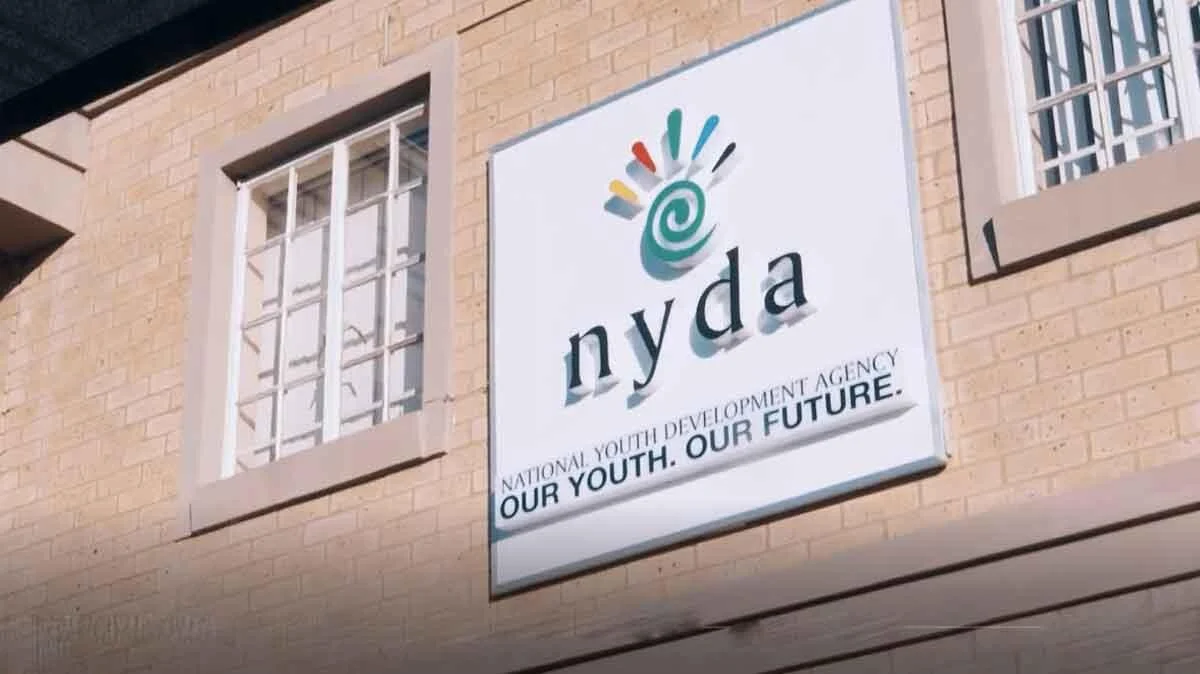
The National Youth Development Agency (NYDA) and the National Student Financial Aid Scheme (NSFAS) have joined forces in a significant partnership aimed at expanding access to higher education for South Africa’s youth. This collaboration, formalized through a Memorandum of Understanding (MOU), seeks to address the persistent skills gap and inequalities that hinder many young people from pursuing tertiary education. By combining their resources and national reach, the NYDA and NSFAS are committed to ensuring that educational opportunities are more accessible, particularly for those in rural areas, townships, and informal settlements. This strategic alliance is set to make a tangible difference in the lives of thousands of young South Africans, opening doors to learning, development, and ultimately, a more dignified future.
Expanding Access to Higher Education Through Strategic Partnerships
The landscape of higher education in South Africa presents numerous challenges for young people, especially those from disadvantaged backgrounds. Limited access to information, financial constraints, and geographical barriers often prevent talented individuals from realizing their academic potential. Recognizing these hurdles, the NYDA and NSFAS have established a partnership designed to create a more inclusive and supportive educational ecosystem. This collaboration is not merely a symbolic gesture; it represents a concrete plan to leverage the strengths of both organizations to empower the nation’s youth.
The core of this partnership lies in its commitment to reaching underserved communities. The NYDA, with its extensive network of offices across the country, will serve as a crucial conduit for NSFAS services. This decentralized approach aims to bring application support and information directly to students, eliminating the need for long and often costly journeys to urban centers. By utilizing NYDA’s existing infrastructure, the partnership ensures that students in remote areas are not left behind in the pursuit of financial aid for their studies.
Key Focus Areas of the NYDA and NSFAS Partnership
The strategic alliance between the NYDA and NSFAS is built upon several key pillars designed to address the multifaceted challenges faced by young aspiring students. These focus areas are intended to create a more streamlined, accessible, and supportive pathway to higher education.
Decentralized Access to NSFAS Services
One of the most impactful aspects of this partnership is the plan to decentralize NSFAS application processes. Traditionally, students have had to navigate complex online portals or travel to specific offices to apply for funding. The NYDA’s national footprint, which includes numerous offices in rural and township areas, will now serve as walk-in centers for NSFAS applications. This initiative directly addresses the issue of geographical accessibility, making it significantly easier for students in remote locations to access vital financial aid. By bringing NSFAS services closer to home, the partnership aims to reduce the administrative burden on students and increase the overall application success rate.
Bridging the Digital Divide for Online Applications
The increasing reliance on digital platforms for applications presents a significant challenge in areas with limited internet connectivity. To combat this, the NYDA and NSFAS will explore agreements with telecommunications providers. The goal is to ensure reliable digital access for application processes, even in remote areas. This could involve providing subsidized data packages, establishing internet access points at NYDA offices, or developing offline application solutions where necessary. By addressing the digital divide, the partnership ensures that technological limitations do not become a barrier to educational opportunities.
Expanding Educational Pathways and Promoting TVET Colleges
The partnership recognizes the importance of diverse educational pathways. While university education is a common aspiration, Technical and Vocational Education and Training (TVET) colleges offer crucial skills development for the workforce. The collaboration will place a stronger emphasis on promoting TVET colleges as a viable and valuable option for students. This includes raising awareness about the programs offered at TVET institutions and highlighting the career opportunities they lead to. By encouraging enrollment in TVET programs, the NYDA and NSFAS aim to contribute to the creation of a skilled and diverse workforce, addressing specific industry needs in South Africa.
Addressing the Student Accommodation Shortage
The lack of affordable and safe student accommodation is a persistent problem that affects many students, particularly those who have to relocate for their studies. The NYDA and NSFAS will collaborate to develop sustainable solutions for this ongoing shortage. The NYDA, with its broader mandate in youth development, can contribute to policy development and advocacy in this area. This could involve exploring partnerships with private developers, supporting student housing initiatives, or advocating for government investment in student accommodation. By tackling this issue, the partnership aims to create a more supportive living environment for students, enabling them to focus on their academic pursuits.
Commitment to Inclusivity and Equity
Dr. Sunshine Myende, the Executive Chairperson of the NYDA, has emphasized that this partnership is a direct response to the skills gap and ongoing inequalities facing the country’s youth. The NYDA’s data indicates that a significant portion of young people reside in rural areas and may lack the necessary qualifications for immediate entry into higher education. This partnership is designed to bridge that gap by aligning efforts, combining resources, and guiding young people toward opportunities in institutions of higher learning.
The commitment to inclusivity means ensuring that support extends beyond urban centers. The NYDA and NSFAS are dedicated to reaching every young person, regardless of their geographical location. This collaborative effort is seen as a cornerstone of the NYDA’s strategic mission to foster holistic youth development, ensuring that no young person is left behind. The partnership is more than just an agreement; it is a pledge to open doors to funding, development, and dignity for all South African youth.
The Role of the National Youth Development Agency (NYDA)
The National Youth Development Agency (NYDA) plays a pivotal role in this partnership, bringing its extensive experience and national infrastructure to bear. Established to address the socio-economic challenges faced by young people in South Africa, the NYDA’s mandate includes promoting youth empowerment, skills development, and economic participation. Its broad reach across the country makes it an ideal partner for NSFAS in extending its services to previously inaccessible areas.
NYDA’s National Footprint and Services
The NYDA operates a network of offices and youth centers throughout South Africa, serving as hubs for various youth development programs. These centers offer a range of services, including career guidance, entrepreneurship support, skills training, and access to information on funding opportunities. By integrating NSFAS application support into these existing structures, the NYDA ensures that young people can access multiple forms of assistance under one roof. This integrated approach simplifies the process for students and maximizes the impact of government youth development initiatives.
Addressing the Skills Gap and Youth Unemployment
A primary objective of the NYDA is to tackle the high rates of youth unemployment and the persistent skills gap in South Africa. The agency recognizes that a lack of access to education and training is a major contributing factor to these challenges. Through partnerships like the one with NSFAS, the NYDA aims to equip young people with the necessary qualifications and skills to enter the workforce or pursue entrepreneurial ventures. By facilitating access to higher education, the NYDA is investing in the future of the nation’s human capital.
Empowering Rural and Township Youth
The NYDA has a particular focus on empowering youth in rural areas, townships, and informal settlements, where opportunities are often scarce. The partnership with NSFAS directly supports this objective by making financial aid more accessible to these communities. By bringing NSFAS services to their doorstep, the NYDA helps to level the playing field, ensuring that young people from all backgrounds have a fair chance to pursue their educational aspirations. This commitment to inclusivity is central to the NYDA’s mission of fostering equitable development across the country.
The Function of the National Student Financial Aid Scheme (NSFAS)
The National Student Financial Aid Scheme (NSFAS) is a government entity responsible for providing financial assistance to students from low-income households who wish to pursue higher education in South Africa. Its primary goal is to ensure that financial constraints do not prevent deserving students from accessing university or TVET college education. The partnership with the NYDA significantly enhances NSFAS’s ability to fulfill this mission.
NSFAS Funding and Eligibility
NSFAS provides funding in the form of bursaries, which cover tuition fees, accommodation, books, and other study-related expenses. Eligibility for NSFAS funding is based on a combination of academic merit and financial need. Students typically need to have a National Senior Certificate (matric) qualification and meet specific income thresholds to qualify. The scheme aims to support students pursuing undergraduate qualifications at public universities and TVET colleges.
Expanding Reach Through the NYDA Partnership
The collaboration with the NYDA is crucial for NSFAS in expanding its reach and improving the efficiency of its application and disbursement processes. By utilizing NYDA offices as application centers, NSFAS can overcome the geographical barriers that have historically limited access for many students. This partnership allows NSFAS to connect with a wider pool of potential beneficiaries and provide them with the necessary support to navigate the application process.
Ensuring Financial Support for Higher Education
NSFAS plays a vital role in ensuring that higher education remains accessible to all South Africans, regardless of their financial circumstances. The scheme’s funding model is designed to alleviate the burden of student debt, allowing graduates to enter the workforce with a clean slate. The partnership with the NYDA amplifies this impact by ensuring that more students are aware of and can access NSFAS funding, thereby contributing to a more educated and skilled population.
Collaboration in Action: Practical Implementation of the Partnership
The partnership between the NYDA and NSFAS is not just a theoretical framework; it involves concrete actions and strategies to achieve its objectives. The implementation focuses on practical steps that directly benefit students and improve the overall delivery of educational support services.
Walk-in Centers and Application Support
The establishment of walk-in centers at NYDA offices is a key operational aspect of the partnership. These centers are staffed by personnel trained to assist students with NSFAS applications. This includes helping them gather the required documentation, complete the application forms accurately, and understand the eligibility criteria. For students who may not have access to computers or reliable internet, these centers provide a vital physical space for support. This hands-on assistance is invaluable, especially for first-time applicants who may find the process daunting.
Bridging the Digital Divide: Initiatives and Plans
To address the digital divide, the partnership is exploring various initiatives. This includes working with mobile network operators to provide affordable data packages for educational purposes. Additionally, plans are in place to equip NYDA centers with internet facilities, allowing students to complete online applications and access educational resources. The aim is to create a more equitable digital landscape where all students have the opportunity to engage with online application systems and learning platforms. This proactive approach to digital inclusion is essential for modern educational access.
Promoting TVET Colleges and Alternative Pathways
The partnership actively promotes TVET colleges as a viable and valuable option for students. This involves joint awareness campaigns, information sessions, and career guidance initiatives that highlight the benefits of vocational training. By showcasing the diverse range of courses offered at TVET institutions and the employment opportunities they lead to, the NYDA and NSFAS encourage students to consider these pathways. This strategic promotion helps to diversify the higher education landscape and meet the specific skills demands of various industries in South Africa.
Developing Solutions for Student Accommodation
The issue of student accommodation is being addressed through collaborative efforts. The NYDA and NSFAS are working together to identify challenges and explore innovative solutions. This may involve advocating for increased government investment in student housing, partnering with private sector developers to create affordable accommodation options, or supporting initiatives that provide safe and conducive living environments for students. By addressing this critical need, the partnership aims to improve the overall student experience and reduce dropout rates caused by accommodation issues.
Impact and Expected Outcomes of the Partnership
The collaboration between the NYDA and NSFAS is poised to have a significant and positive impact on youth development and higher education access in South Africa. The expected outcomes are far-reaching, aiming to create a more equitable and prosperous future for the nation’s young people.
Increased Access to Higher Education
A primary outcome of this partnership is the anticipated increase in the number of young people accessing higher education. By removing financial and geographical barriers, more students from disadvantaged backgrounds will be able to enroll in universities and TVET colleges. This increased access is crucial for breaking cycles of poverty and empowering individuals to achieve their full potential. The partnership directly contributes to NSFAS’s mission of ensuring that no deserving student is denied an education due to financial constraints.
Enhanced Youth Development and Employability
Beyond simply facilitating access to education, the partnership aims to enhance overall youth development and employability. By supporting students through their tertiary education, the NYDA and NSFAS are investing in a future generation of skilled professionals and entrepreneurs. The focus on TVET colleges and diverse educational pathways ensures that graduates are equipped with relevant skills for the job market, thereby contributing to reduced youth unemployment. This holistic approach to development prepares young people for successful careers and active participation in the economy.
Addressing Rural and Township Inequalities
The partnership’s strong emphasis on reaching rural areas, townships, and informal settlements is critical for addressing long-standing inequalities. By bringing educational opportunities and support services to these underserved communities, the NYDA and NSFAS are working to level the playing field. This initiative helps to ensure that geographical location does not determine a young person’s access to education and future prospects. The equitable distribution of resources and opportunities is a fundamental goal of this collaboration.
Contribution to National Development Goals
Ultimately, the success of this partnership will contribute to broader national development goals. A more educated and skilled population is essential for economic growth, innovation, and social progress. By empowering young people, the NYDA and NSFAS are investing in the future of South Africa. The collaboration exemplifies a commitment to building a more inclusive, prosperous, and equitable society where every young person has the chance to thrive and contribute to the nation’s advancement. The year 2026 marks a significant point in this ongoing effort.
Challenges and Future Prospects
While the partnership between the NYDA and NSFAS holds immense promise, it is important to acknowledge potential challenges and consider future prospects for sustained success. Navigating these aspects will be key to maximizing the long-term impact of this collaboration.
Potential Challenges in Implementation
One of the primary challenges in implementing such a large-scale partnership is ensuring consistent service delivery across all NYDA offices. Variations in resources, staffing, and local infrastructure could lead to disparities in the support provided to students. Furthermore, effectively bridging the digital divide requires sustained investment and collaboration with telecommunications providers, which can be complex to manage. The student accommodation crisis is a deep-rooted issue that will require significant and ongoing efforts to address effectively. Maintaining clear communication channels between the two agencies and with students themselves will also be crucial to avoid confusion and ensure smooth operations.
The Importance of Continuous Monitoring and Evaluation
To overcome these challenges and ensure the partnership’s effectiveness, continuous monitoring and evaluation are essential. Regular assessments of application processing times, student satisfaction levels, and the impact on educational access will provide valuable data for improvement. Feedback mechanisms for students and NYDA staff will be vital for identifying areas that require attention. By adapting strategies based on real-time data and feedback, the partnership can remain responsive to the evolving needs of young people.
Future Expansion and Deeper Integration
Looking ahead, there is potential for deeper integration and expansion of the partnership’s scope. This could involve joint initiatives in career counseling, mentorship programs, and entrepreneurship support that extend beyond the initial application phase. Exploring collaborations with other government departments and private sector entities could further enhance the support available to young people. The long-term vision should focus on creating a comprehensive ecosystem that supports youth from their initial educational aspirations through to successful career entry and beyond. The ongoing commitment to youth development in 2026 and beyond will be critical.
Sustaining the Momentum for Youth Empowerment
The success of this partnership hinges on sustained commitment and resource allocation from both the NYDA and NSFAS, as well as supportive government policies. By consistently prioritizing youth development and education, South Africa can build a stronger, more capable future generation. The collaboration serves as a powerful model for how government agencies can work together to achieve significant social impact, demonstrating a tangible commitment to empowering the nation’s youth and fostering a more inclusive society.
Conclusion
The strategic partnership between the NYDA and NSFAS represents a significant step forward in South Africa’s commitment to youth development and educational equity. By combining the NYDA’s extensive national reach with NSFAS’s financial aid expertise, this collaboration is set to dismantle barriers that have long prevented young South Africans from accessing higher education. The focus on decentralized access, bridging the digital divide, promoting diverse educational pathways, and addressing accommodation challenges offers a holistic approach to supporting students. As this partnership continues to evolve, its impact will be measured not only in increased enrollment numbers but also in the enhanced employability and empowered futures of countless young individuals across the nation, contributing to a more prosperous South Africa in 2026 and beyond.


Conversation
0 Comments