

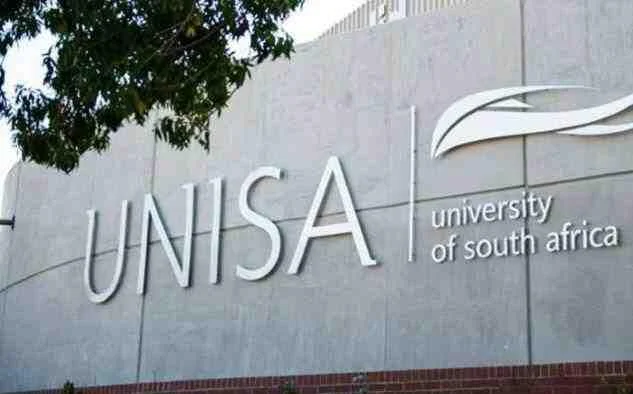
The National Student Financial Aid Scheme (NSFAS) plays a critical role in South Africa’s higher education landscape, providing essential financial support to thousands of students. For those pursuing their studies at the University of South Africa (Unisa), understanding how these allowances are disbursed is key to managing their academic journey. This article will break down the process of how Unisa NSFAS allowances are paid, offering clarity and guidance to students navigating this important aspect of their funding.
Understanding NSFAS and Unisa Allowances
NSFAS, or the National Student Financial Aid Scheme, is a government entity dedicated to providing financial aid to students who cannot afford to finance their tertiary education. This aid comes in the form of bursaries and loans, covering not only tuition and registration fees but also various living expenses through student allowances. These allowances are designed to help students manage costs such as accommodation, food, and learning materials, ensuring they can focus on their studies without undue financial stress.
Unisa, as one of South Africa’s largest open distance learning universities, has a significant number of students who benefit from NSFAS funding. The university works closely with NSFAS to ensure that eligible students receive their allocated financial support. For students at Unisa, the payment of these allowances is a crucial part of their financial planning for each academic year.
How Unisa NSFAS Allowances Are Paid
Unisa has established a clear method for disbursing NSFAS allowances to its students. The university confirms that these allowances are paid directly to the student’s personal bank account via Electronic Funds Transfer (EFT). This method is consistent with how NSFAS allowances are managed for students across all South African universities.
The EFT payment system ensures that funds are transferred securely and efficiently. Students are advised to ensure that their banking details registered with Unisa are accurate and up to date. Any discrepancies or outdated information can lead to delays or issues with receiving their rightful allowances. It is the student’s responsibility to maintain correct banking information with the institution.
Addressing Common Issues with NSFAS Allowances at Unisa
While the EFT system is generally reliable, students sometimes encounter issues with their NSFAS allowances. One common concern is seeing an outstanding balance on their study fee account despite having NSFAS funding. It is important for students to understand that NSFAS covers tuition fees, but these payments may be processed later in the academic year. This means that an outstanding balance might appear temporarily on the student’s account.
However, this temporary outstanding balance should not hinder a student’s access to essential university services. This includes receiving study materials, having assignments marked, and being permitted to write examinations. The university and NSFAS work to reconcile these accounts, but students should not face academic repercussions due to the timing of NSFAS tuition payments.
Another critical point is that NSFAS does not cover historical debt for newly funded students. This means that any outstanding fees from previous academic periods, before NSFAS funding was secured, will not be paid by the scheme. Students must be aware of this policy to avoid unexpected financial burdens.
Furthermore, NSFAS funding has specific limitations. It is generally applicable only to students registered for their first qualification and for courses that fall within NSFAS’s approved funding policy. Additionally, NSFAS does not cover certain additional charges. These can include fees for supplementary exams, the cost of remarking an examination, or textbooks that are billed directly to the student’s study fee account. Students should consult the official NSFAS guidelines and Unisa’s financial aid department to understand the full scope of what is and is not covered by their funding.
Contacting Unisa for Allowance Queries
If a Unisa student believes their NSFAS allowances are incorrect or have not been loaded as expected, they should reach out to the Unisa student funding department. The university provides a specific email address for these inquiries: [email protected]. It is advisable for students to have their student number and any relevant documentation ready when they make contact. This will help the department to assist them more efficiently.
When contacting the department, students should clearly state the nature of their problem, including any specific amounts that seem incorrect or any dates when payments were expected but not received. Providing as much detail as possible will expedite the resolution process.
NSFAS Eligibility and Funding Policies
NSFAS funding is not automatic and is subject to specific eligibility criteria. To qualify for NSFAS support, students typically need to meet certain academic and financial requirements. The scheme prioritizes students from low-income households who demonstrate the potential to succeed in higher education.
The funding policy also dictates which courses and qualifications are eligible for NSFAS support. Generally, NSFAS covers undergraduate qualifications at universities and National Certificate (Vocational) courses at TVET colleges. Postgraduate studies are typically not funded by NSFAS, although there may be exceptions or other bursary opportunities available for postgraduate students.
Students must also maintain satisfactory academic progress to continue receiving NSFAS funding in subsequent years. This usually involves passing a certain percentage of their registered modules each academic year. Failure to meet these academic requirements can lead to the withdrawal of NSFAS funding.
The Role of EFT in Allowance Payments
Electronic Funds Transfer (EFT) is a widely used method for financial transactions, offering speed, security, and convenience. For NSFAS allowances at Unisa, EFT ensures that the allocated funds reach the student’s bank account directly. This bypasses the need for physical checks, which can be lost or delayed.
To ensure smooth EFT payments, students must provide accurate bank account details. This includes the bank name, account number, branch code, and the account holder’s name. The account holder’s name must match the student’s name as registered with Unisa. If a student opens a new bank account or changes their banking details, they must promptly update this information with the university’s financial aid office.
Managing Study Fees and NSFAS Payments
The relationship between NSFAS payments and study fees can sometimes be a source of confusion for students. NSFAS is responsible for paying the tuition and registration fees directly to the university on behalf of the student. However, as mentioned earlier, the timing of these payments can vary. Universities often have their own fee payment schedules, and NSFAS payments are made in batches throughout the year.
Students should not assume that their NSFAS funding immediately clears any outstanding balance on their student account. It is advisable for students to keep track of their account statements and to communicate with Unisa’s financial department if they have concerns about fee payments.
It is also important to remember that NSFAS does not fund all costs associated with university study. While it covers tuition, registration, and living allowances, students may still incur costs for items not covered by the scheme. These could include certain textbooks, stationery, or personal expenses. Students should budget accordingly and explore other potential funding sources if necessary.
NSFAS and Historical Debt
A common misconception among students is that NSFAS will settle any outstanding debt accumulated from previous years of study. However, NSFAS policy clearly states that it does not cover historical debt for newly funded students. This means that if a student had outstanding fees from a period before they received NSFAS funding, they will remain responsible for settling that debt.
This policy is in place to ensure that NSFAS funds are used for current educational needs and to support new cohorts of students. Students who have historical debt should contact Unisa’s finance department to discuss payment arrangements or explore other options for settling these outstanding amounts. Ignoring historical debt can have consequences, such as preventing registration for future academic years or restricting access to certain university services.
What NSFAS Does Not Cover
Understanding the limitations of NSFAS funding is as important as knowing what it covers. While NSFAS provides substantial support, it does not extend to every possible expense a student might encounter. Key exclusions include:
- Supplementary Exam Fees: If a student needs to write a supplementary exam, the fees associated with this are typically not covered by NSFAS.
- Remarking Fees: The cost of having an examination remark is also generally not covered.
- Textbooks Billed to Study Accounts: While NSFAS provides a learning materials allowance, textbooks that are directly billed to a student’s study fee account might not be covered if they fall outside the scheme’s guidelines. Students are encouraged to use their learning materials allowance for textbook purchases.
- Short Courses and Non-Degree Programmes: NSFAS funding is primarily for undergraduate degrees and National Certificate (Vocational) programmes. Short courses or other non-qualifying programmes are usually not funded.
- Historical Debt: As previously mentioned, NSFAS does not pay for outstanding fees from previous academic periods.
Students should always refer to the latest NSFAS funding policy and communicate with Unisa’s financial aid office to confirm coverage for specific expenses.
The Importance of Accurate Student Information
Maintaining accurate and up-to-date personal information with Unisa is paramount for all students, especially those receiving NSFAS funding. This includes:
- Contact Details: Ensuring your phone number and email address are current allows the university and NSFAS to communicate important updates, notifications, and requests for information.
- Residential Address: This is important for any physical mailings, although most communication is now electronic.
- Banking Details: As highlighted, accurate bank account information is essential for the timely and correct disbursement of NSFAS allowances via EFT. Any changes must be reported immediately to prevent payment issues.
- Academic Information: Ensuring your registered courses and personal details are correct on the university system is also vital for accurate financial aid processing.
If a student’s information changes at any point, they must follow the official procedure at Unisa to update these details. Failure to do so can lead to significant administrative problems.
Navigating the Academic Year with NSFAS
For students at Unisa, managing their academic year effectively involves understanding how their NSFAS funding integrates with their study plans. The allowances are typically disbursed in installments throughout the academic year, often aligned with the university’s academic calendar.
Students should plan their expenses based on these expected disbursement dates. The living allowances are intended to cover monthly expenses, so budgeting is crucial. This includes allocating funds for food, transportation, accommodation (if applicable), and other essential study materials not directly covered by the tuition fee payment.
It is also important for students to stay informed about any changes to NSFAS policies or Unisa’s procedures regarding financial aid. Universities often communicate these updates through their official websites, student portals, or via email. Proactive engagement with university communications can help students avoid surprises and ensure they are always up to date.
Conclusion
NSFAS allowances are a lifeline for many Unisa students, enabling them to pursue their educational aspirations. The payment process, primarily through EFT directly into the student’s bank account, is designed for efficiency. However, students must remain vigilant, ensuring their personal and banking details are accurate and up to date with the university. Understanding what NSFAS covers and, importantly, what it does not, is key to effective financial management. By staying informed, communicating with the Unisa student funding department when necessary, and adhering to NSFAS policies, students can ensure they receive the support they need to succeed in their studies.

Conversation
0 Comments