

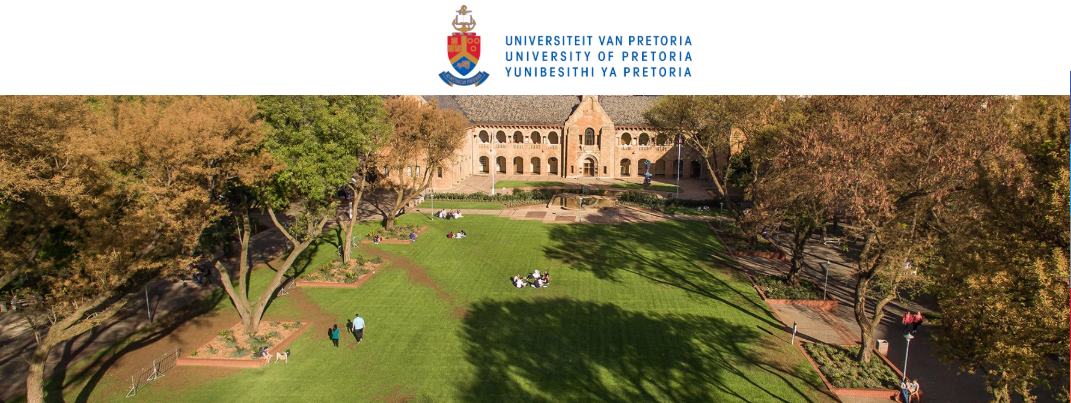
The University of Pretoria (UP) is one of South Africa’s largest and most prestigious universities, known for its academic excellence, innovative research, and globally recognized qualifications. Situated in Pretoria, Gauteng, UP offers hundreds of undergraduate and postgraduate programmers through nine faculties and the Gordon Institute of Business Science (GIBS).
Whether you’re interested in engineering, medicine, law, agriculture, business, education, or science, this complete guide explores the courses offered at the University of Pretoria, available faculties, and where to access the official University of Pretoria Yearbooks (Course Outlines).
Why Choose the University of Pretoria?
The University of Pretoria is consistently ranked among the leading universities in Africa. Students choose UP for its:
- Internationally recognized qualifications
- Modern teaching and research facilities
- Highly experienced academic staff
- Strong graduate employability
- Diverse student community
- Industry partnerships and internship opportunities
- Extensive undergraduate and postgraduate programme offerings
Faculties at the University of Pretoria
The University of Pretoria offers programmes through nine faculties, in addition to the Gordon Institute of Business Science (GIBS). The official UP Yearbooks provide detailed programme regulations, modules, and course requirements for every faculty.
1. Faculty of Economic and Management Sciences
Popular programmes include:
- Bachelor of Commerce (BCom)
- Accounting Sciences
- Economics
- Finance
- Investment Management
- Human Resource Management
- Marketing Management
- Business Management
- Actuarial Science
- Statistics
2. Faculty of Education
Students can study:
- Bachelor of Education (Foundation Phase)
- Bachelor of Education (Intermediate Phase)
- Bachelor of Education (Senior Phase and FET)
- Educational Psychology
- Postgraduate Certificate in Education (PGCE)
3. Faculty of Engineering, Built Environment and Information Technology (EBIT)
Available programmes include:
- Civil Engineering
- Mechanical Engineering
- Electrical Engineering
- Chemical Engineering
- Industrial Engineering
- Mining Engineering
- Computer Engineering
- Information Technology
- Computer Science
- Architecture
- Construction Management
- Quantity Surveying
- Real Estate
- Town and Regional Planning
4. Faculty of Health Sciences
Health-related programmes include:
- MBChB (Medicine)
- Nursing Science
- Physiotherapy
- Occupational Therapy
- Radiography
- Dietetics
- Human Nutrition
- Sports Science
- Clinical Associate
5. Faculty of Humanities
Students may pursue degrees in:
- Psychology
- Sociology
- Social Work
- Political Science
- International Relations
- Languages
- History
- Philosophy
- English
- Visual Studies
- Heritage and Cultural Tourism
6. Faculty of Law
Law programmes include:
- Bachelor of Laws (LLB)
- BA Law
- BCom Law
- LLM Programmes
- Doctoral Law Degrees
7. Faculty of Natural and Agricultural Sciences
Popular programmes include:
- Computer Science
- Data Science
- Mathematics
- Applied Mathematics
- Statistics
- Physics
- Chemistry
- Biochemistry
- Genetics
- Microbiology
- Environmental Sciences
- Agriculture
- Plant Science
- Animal Science
- Food Science
8. Faculty of Theology and Religion
Programmes include:
- Theology
- Biblical Studies
- Practical Theology
- Religion Studies
- Church History
9. Faculty of Veterinary Science
The University of Pretoria is the only university in South Africa offering a professional veterinary degree. Programmes include:
- Bachelor of Veterinary Science (BVSc)
- Veterinary Nursing
- Veterinary Science Postgraduate Programmes
Gordon Institute of Business Science (GIBS)
GIBS offers executive and postgraduate business programmes, including:
- MBA
- Executive MBA
- Postgraduate Diplomas
- Executive Education
- Leadership Development Programmes
Postgraduate Programmes
The University of Pretoria offers a wide range of postgraduate qualifications, including:
- Honours Degrees
- Postgraduate Diplomas
- Master’s Degrees
- Doctoral (PhD) Programmes
- Professional Master’s Degrees
- Research Degrees
Short Courses and Continuing Education
UP also offers professional short courses through various faculties and centres in areas such as:
- Business Management
- Artificial Intelligence
- Data Analytics
- Cybersecurity
- Leadership
- Project Management
- Education
- Healthcare
- Agriculture
- Information Technology
These programmes are designed for professionals seeking career advancement and specialized skills.
Official University of Pretoria Course Outlines (Yearbooks)
The University of Pretoria publishes official Yearbooks each academic year. These yearbooks serve as the official course outlines and contain:
- Programme structures
- Module descriptions
- Course codes
- Admission requirements
- Faculty regulations
- Assessment rules
- Graduation requirements
- General academic regulations
Students are encouraged to consult the relevant faculty yearbook before applying or registering, as it contains the official academic requirements for each programme.
Download the Official University of Pretoria Yearbooks
Access the latest official Yearbooks (Course Outlines) here :https://www.up.ac.za/yearbooks/home
You can search by:
- Faculty
- Programme
- Module
- Course code
- Academic regulations
The online Yearbooks are updated annually and provide the most accurate programme information for prospective and current students.
Admission Requirements
Admission requirements vary by programme. Applicants should carefully review:
- National Senior Certificate (NSC) requirements
- Admission Point Score (APS)
- Required school subjects
- English language requirements
- Mathematics and Physical Sciences requirements (where applicable)
- Faculty-specific selection criteria
Some programmes, including Medicine, Veterinary Science, Engineering, and Law, have competitive selection processes.
Tips for Prospective Students
Before submitting your application:
- Research your preferred career path.
- Compare admission requirements across programmes.
- Download the relevant faculty yearbook.
- Check APS and subject requirements.
- Prepare certified supporting documents.
- Submit your application before the official closing date.
Frequently Asked Questions (FAQs)
Does the University of Pretoria offer postgraduate programmes?
Yes. UP offers Honours, Postgraduate Diplomas, Master’s, Doctoral, and professional postgraduate qualifications across all faculties.
Where can I download the University of Pretoria course outlines?
The official course outlines are available in the annual University of Pretoria Yearbooks, which include programme structures, module descriptions, and faculty regulations.
Does UP offer Computer Science and Data Science?
Yes. The Faculty of Engineering, Built Environment and Information Technology and the Faculty of Natural and Agricultural Sciences offer programmes in Computer Science, Information Technology, Data Science, and related disciplines.
Final Thoughts
The University of Pretoria offers one of the most comprehensive selections of academic programmes in South Africa. Whether you aspire to study business, engineering, law, medicine, agriculture, humanities, science, or veterinary medicine, UP provides internationally respected qualifications supported by outstanding teaching and research.
Before applying, download and review the official University of Pretoria Yearbook for your chosen faculty. The Yearbook provides complete programme structures, module descriptions, admission requirements, and academic regulations to help you make an informed decision about your studies.


Conversation
0 Comments