

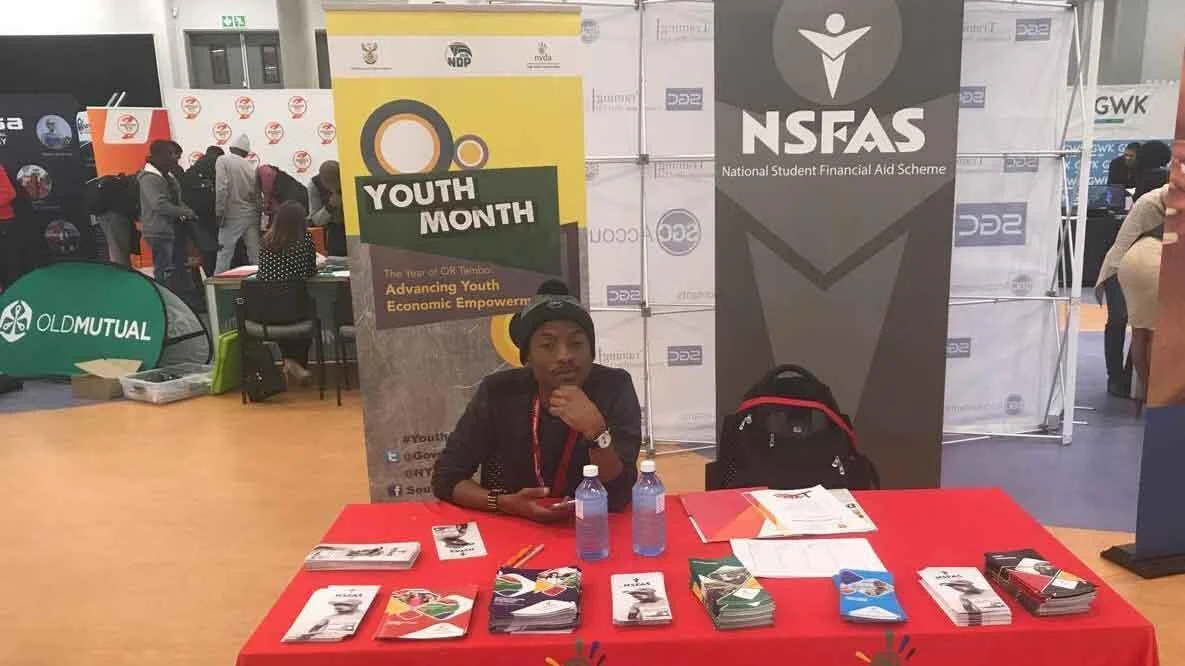
The National Student Financial Aid Scheme (NSFAS) plays a pivotal role in South Africa’s higher education landscape, aiming to provide financial assistance to students from low-income backgrounds. A critical component of this support system is the provision of accommodation for students who are studying away from their homes. Ensuring that these students have safe and suitable places to live is as important as covering their tuition fees. This article will explore the complexities of NSFAS accommodation, focusing on the payment processes, the challenges faced by both students and accommodation providers, and the ongoing efforts to improve the system. Understanding how NSFAS handles private accommodation payments is essential for landlords, students, and the scheme itself to ensure a smooth academic year for all involved.
NSFAS Private Accommodation Payments: A Closer Look
NSFAS has taken on the responsibility of managing accommodation payments directly, a significant shift from previous models. This change, implemented from the beginning of 2026, aims to streamline the process and address long-standing issues. The scheme has confirmed that payments for private student accommodation have been released, a move that came after some landlords expressed concerns about delayed payments.
The National Student Financial Aid Scheme (NSFAS) confirmed that payments for private student accommodation at universities were released on Thursday, May 7, 2026. For accommodation providers who bank with First National Bank (FNB), funds are typically received immediately after the payment is released. However, providers using other banking institutions might experience slight delays due to standard interbank processing times. This distinction in payment timelines can sometimes lead to misunderstandings or stress for landlords who rely on timely payments.
During the current quarter alone, NSFAS reported processing three major accommodation payment disbursements, totaling over R1.1 billion. These substantial payments have benefited more than 100,000 students across South Africa, highlighting the scale of NSFAS’s involvement in student housing. The scheme is actively working to ensure all accredited accommodation providers are integrated into the direct payment system. As of the latest reports, 95% of accommodation providers listed on their solution partner portals have had their banking details successfully verified and are included in the direct payment system for 2026. For the remaining providers, NSFAS is engaging directly to ensure full integration.
Improving the NSFAS Accommodation Payment System
NSFAS is committed to enhancing its accommodation payment system. A key development is the introduction of a monthly disbursement schedule for accredited accommodation providers. This provides a more predictable payment flow, which is crucial for landlords managing their finances. To facilitate these payments, providers are reminded of the necessity to confirm students’ funding status and submit valid, signed lease agreements. These documents are prerequisites for payment processing, ensuring that NSFAS funds are disbursed correctly and to legitimate student accommodations.
The decision for NSFAS to handle accommodation payment functions internally from the start of 2026 was driven by a desire to resolve several persistent challenges. These challenges included delays in institutional confirmation of funded students, incorrect classification of some students who were primarily beneficiaries of transport allowances, and general uncertainty surrounding accommodation accreditation processes. By bringing these functions in-house, NSFAS aims to gain greater control and efficiency.
The scheme acknowledges the operational difficulties that accommodation providers face. These can include rising utility costs, which are a significant concern for many property owners, and ongoing municipal service delivery challenges that can impact the quality and habitability of student housing. NSFAS is actively working with sector associations and solution partners to address these outstanding concerns. This collaborative approach is vital for finalizing 2026 rental rates and establishing a payment system that is both transparent and predictable for all parties involved.
NSFAS emphasizes its commitment to the prompt, case-by-case resolution of all payment challenges. Accommodation providers experiencing difficulties are encouraged to contact NSFAS directly for assistance. The scheme also extends its gratitude to accommodation providers for their continued partnership, reassuring stakeholders that its focus remains on long-term stability, effective administration, and the overall well-being of NSFAS-funded students.
Challenges Faced by Accommodation Providers
Landlords and property managers who provide accommodation for NSFAS-funded students often encounter a unique set of challenges. These can impact their ability to offer affordable and quality housing, and sometimes lead to difficult situations for students.
Delayed Payments and Financial Strain
One of the most significant challenges for accommodation providers is the potential for delayed NSFAS payments. While NSFAS has made strides in improving its payment system, instances of delays can still occur. These delays can place a considerable financial strain on landlords, especially those who rely on rental income to cover their own expenses, such as mortgage payments, property taxes, utilities, and maintenance costs. When payments are not received on time, it can disrupt cash flow and create uncertainty. This was a primary concern that led some landlords to threaten not housing NSFAS students if payments were not regularized.
Verification and Accreditation Processes
The process of verifying and accrediting accommodation providers can sometimes be complex and time-consuming. Landlords must ensure their properties meet NSFAS standards, which can include aspects like safety, hygiene, and adequate living space. The submission of required documentation, such as lease agreements and proof of ownership, needs to be accurate and complete. Any errors or omissions in these submissions can lead to further delays in payment processing. Furthermore, understanding and navigating the specific requirements of NSFAS’s accreditation system can be a hurdle for providers who may not have dedicated administrative staff.
Communication and Administrative Bottlenecks
Effective communication between NSFAS, students, and accommodation providers is essential for a smooth operation. However, administrative bottlenecks can sometimes hinder this communication. When issues arise, such as discrepancies in student funding status or payment amounts, resolving them can involve multiple parties and lengthy administrative procedures. This can be frustrating for providers who need swift resolutions to ensure their financial stability and for students who depend on their accommodation. The transition to NSFAS managing payments internally has aimed to reduce some of these bottlenecks, but ongoing refinement is necessary.
Rising Operational Costs
Accommodation providers are not immune to the general increase in operational costs. Utility prices, such as electricity and water, continue to rise, adding to the expenses of maintaining student housing. Municipal service delivery challenges can also impact properties, requiring providers to invest in alternative solutions or manage disruptions. These rising costs, coupled with potentially inconsistent rental income due to payment delays, can make it difficult for providers to maintain competitive rental rates while ensuring profitability and the quality of their services.
Lease Agreement Management
Managing lease agreements for a large number of students can be administratively intensive. Providers must ensure that each lease is valid, signed by both parties, and accurately reflects the terms of occupancy and payment. Changes in student funding status or academic progression can also necessitate adjustments to lease agreements or payment arrangements. NSFAS’s requirement for valid signed lease agreements before processing payments underscores the importance of meticulous record-keeping and contract management for providers.
Challenges Faced by Students
While the primary goal of NSFAS is to support students, the complexities of the accommodation payment system can also create challenges for them.
Uncertainty and Risk of Eviction
When accommodation payments are delayed, students can face uncertainty about their housing situation. Landlords, under financial pressure, may consider evicting students if rental payments are significantly overdue. This creates immense stress for students, potentially impacting their academic performance and overall well-being. The fear of losing accommodation can be a significant distraction from their studies.
Communication Gaps
Students can sometimes find themselves caught in the middle of communication gaps between NSFAS and their accommodation providers. They may not always be aware of the reasons for payment delays or the steps being taken to resolve them. This lack of information can lead to anxiety and a feeling of helplessness. Students often rely on their accommodation providers for updates, but if the providers themselves are not receiving clear information from NSFAS, this information cannot be passed on.
Impact on Daily Life
The stability of accommodation is fundamental to a student’s ability to focus on their education. When there are concerns about rent payments or potential eviction, it can disrupt a student’s daily life. This includes worrying about where they will live, potentially having to make alternative arrangements at short notice, and the emotional toll this takes. Access to basic amenities can also be affected if landlords are struggling to pay utility bills due to delayed rental income.
Navigating the System
For many students, particularly those from disadvantaged backgrounds, navigating complex administrative systems like NSFAS can be challenging. Understanding the requirements for accommodation payments, the timelines involved, and how to report issues can be overwhelming. While NSFAS aims to simplify processes, the reality on the ground can still present difficulties for students who may lack the experience or resources to manage these administrative aspects effectively.
NSFAS’s Efforts to Improve the System
NSFAS is actively working to address the challenges and improve the efficiency and transparency of its accommodation payment system.
Direct Payment System
The implementation of a direct payment system, where NSFAS pays accommodation providers directly, is a significant step. This aims to cut out intermediaries and ensure that funds reach landlords more efficiently. By verifying banking details and processing payments directly, NSFAS seeks to reduce the opportunities for delays and errors that can occur when payments are routed through multiple channels. The success of this system relies on accurate data management and robust banking partnerships.
Monthly Disbursement Schedules
The introduction of monthly disbursement schedules for accredited providers is designed to bring predictability to the payment process. This allows landlords to better plan their finances and manage their operational costs. By establishing a regular payment cycle, NSFAS aims to build trust and foster stronger relationships with accommodation providers, encouraging them to continue offering housing to NSFAS-funded students.
One-on-One Engagements
For accommodation providers who are still facing integration challenges, NSFAS is conducting one-on-one engagements. This personalized approach helps to identify specific issues and provide tailored solutions. By working directly with these providers, NSFAS aims to ensure that all eligible landlords are successfully integrated into the direct payment system, thereby expanding the network of available accommodation for students.
Collaboration with Sector Associations and Solution Partners
NSFAS recognizes the importance of collaboration. Working with sector associations and solution partners allows NSFAS to gain insights into the challenges faced by accommodation providers and to develop more effective strategies. These partnerships can help in areas such as finalizing rental rates, improving accreditation processes, and developing more transparent payment mechanisms. This collaborative approach is key to building a sustainable ecosystem for student accommodation.
Commitment to Case-by-Case Resolution
NSFAS has stated its commitment to the prompt, case-by-case resolution of all payment challenges. This means that NSFAS is prepared to investigate and address individual issues that arise, rather than adopting a one-size-fits-all approach. This responsiveness is crucial for maintaining the confidence of accommodation providers and ensuring that students do not suffer undue hardship due to administrative issues.
The Role of Technology and Data Management
Technology plays a crucial role in the effective management of NSFAS accommodation payments. The scheme’s reliance on solution partner portals for managing provider information and student data highlights this. Accurate and up-to-date data is essential for successful payment processing. This includes verified banking details for providers, confirmed student funding status, and valid lease agreements.
The use of data analytics can also help NSFAS identify patterns in payment delays or recurring issues. By analyzing this data, the scheme can proactively address systemic problems and refine its processes. For example, identifying specific banks that consistently experience longer processing times could lead to targeted discussions with those financial institutions. Similarly, tracking the types of documentation errors that cause delays can inform better guidance for providers.
Ensuring data security and privacy is also paramount. NSFAS handles sensitive financial and personal information for both students and accommodation providers. Robust data management systems and protocols are necessary to protect this information from breaches and misuse. The integrity of the payment system depends on the trust that all parties have in NSFAS’s ability to manage their data responsibly.
Future Outlook and Recommendations
The ongoing efforts by NSFAS to improve its accommodation payment system are commendable. However, continuous improvement and adaptation will be necessary to meet the evolving needs of students and accommodation providers.
Enhanced Communication Channels
Clear and consistent communication is vital. NSFAS could explore developing more direct communication channels for accommodation providers, perhaps through a dedicated portal or helpline, to address queries and resolve issues more efficiently. Similarly, providing students with accessible information about their accommodation status and payment timelines would reduce anxiety. This could involve regular updates via SMS, email, or a student portal.
Standardized Rental Rates
The finalization of 2026 rental rates is a critical step towards creating a more predictable environment. Establishing standardized rates, possibly tiered based on location and type of accommodation, could help prevent disputes and ensure fair compensation for providers while remaining within NSFAS budget constraints. This process should involve consultation with accommodation provider associations to ensure rates are realistic and sustainable.
Proactive Problem Solving
While NSFAS is committed to case-by-case resolution, a more proactive approach to identifying and addressing potential issues before they escalate could be beneficial. This might involve predictive analytics to flag accounts or providers that are at risk of payment delays or disputes. Early intervention can prevent financial strain on providers and reduce stress for students.
Streamlined Accreditation and Verification
Further streamlining the accreditation and verification processes for accommodation providers could reduce administrative burdens. Clearer guidelines, simplified application forms, and faster processing times would encourage more providers to participate in the NSFAS system. Utilizing digital platforms for document submission and verification can significantly speed up these procedures.
Financial Literacy for Students
While NSFAS provides funding, equipping students with basic financial literacy skills could help them better understand and manage their allowances, including those for accommodation. This could empower them to communicate more effectively with landlords and NSFAS regarding payment matters. Workshops or online resources on budgeting and financial management could be valuable additions to student support services.
Building Stronger Partnerships
Continuing to foster strong partnerships with accommodation providers, sector associations, and financial institutions is essential. Regular feedback mechanisms, joint problem-solving sessions, and transparent dialogue can help build a more collaborative and effective system. These partnerships are key to ensuring that the NSFAS accommodation program serves its intended purpose of supporting student success.
The NSFAS accommodation payment system is a complex but essential part of ensuring that students can focus on their studies without the added burden of housing insecurity. While challenges remain, the ongoing commitment to improvement, coupled with technological advancements and collaborative efforts, points towards a more stable and efficient future for NSFAS-funded student accommodation.
Conclusion
The National Student Financial Aid Scheme (NSFAS) plays a critical role in enabling access to higher education for many South African students. A significant aspect of this support is the provision of accommodation, which has seen NSFAS take on direct responsibility for managing payments to private landlords. This transition, while aimed at streamlining processes and resolving long-standing issues, has presented its own set of challenges for both accommodation providers and students.
Accommodation providers have faced financial strain due to potential payment delays, complex verification processes, and rising operational costs. Students, in turn, have experienced uncertainty and anxiety stemming from these payment issues, which can impact their academic focus and well-being. NSFAS is actively working to mitigate these challenges through direct payment systems, monthly disbursement schedules, and direct engagement with providers. The scheme’s commitment to resolving issues on a case-by-case basis and its collaboration with sector associations are positive steps towards a more stable and transparent system.
Moving forward, continued efforts in enhanced communication, standardized rental rates, proactive problem-solving, and streamlined administrative processes will be crucial. By fostering stronger partnerships and leveraging technology, NSFAS can further solidify its role in ensuring that students have secure and adequate accommodation, thereby supporting their educational journeys and contributing to their overall success. The effective management of accommodation payments is not just an administrative task; it is fundamental to the core mission of NSFAS.

Conversation
0 Comments