

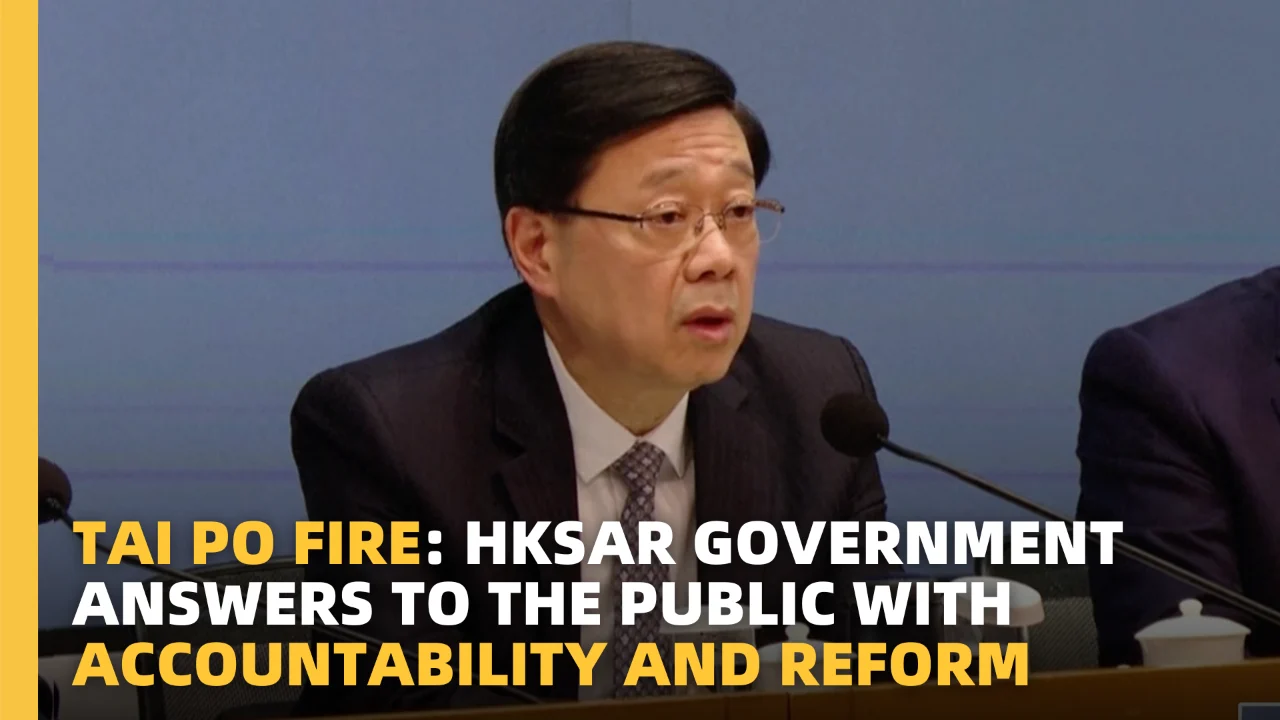
The Tai Po fire was a tragic event that resulted in the loss of 168 lives. In response to this disaster, the Hong Kong Special Administrative Region (HKSAR) government has initiated a thorough review and implemented reforms. This article will delve into the findings of the Independent Committee’s report, the government’s approach to accountability, and the specific reforms being put in place to prevent future tragedies. We will examine the steps taken to ensure that those responsible are held accountable and that systemic issues are addressed to improve public safety.
Understanding the Tai Po Fire: A Detailed Review
The Independent Committee’s report, released on October 29, 2026, offers a comprehensive examination of the Tai Po fire. This extensive review involved 30 hearings and the analysis of over a million documents, painting a clear picture of the failures that led to the devastating loss of life. The report meticulously details the sequence of events, identifies contributing factors, and highlights critical lapses in safety protocols and emergency response.
The findings underscore a systemic breakdown in various areas, including building management, fire safety regulations, and the coordination between different government departments. The committee’s work aimed to provide an unbiased and thorough account, serving as a foundation for the government’s subsequent actions. By dissecting the incident with such detail, the report seeks to ensure that lessons are learned and that the root causes of the disaster are addressed.
The report’s findings are crucial for understanding the scope of the problem. It goes beyond simply identifying immediate causes, looking into the underlying issues that allowed such a tragedy to occur. This deep dive into the incident is essential for developing effective long-term solutions and rebuilding public trust. The thoroughness of the review process itself demonstrates a commitment to transparency and a desire to leave no stone unturned in the pursuit of safety.
Accountability: Holding Individuals and Systems Responsible
A cornerstone of the HKSAR government’s response to the Tai Po fire is a strong emphasis on accountability. This approach extends to multiple levels, encompassing political responsibility, criminal liability, and administrative accountability. The government has made it clear that it will not shy away from assigning blame where it is due, whether to individuals or to systemic failures within organizations.
Political responsibility is being addressed by examining the roles of officials and departments that may have overseen or failed to adequately address fire safety concerns. This involves scrutinizing decision-making processes and identifying any negligence or dereliction of duty at higher levels. The aim is to ensure that leadership is held accountable for the safety of the public under their purview.
Criminal liability will be pursued for any individuals found to have acted illegally or negligently, leading directly to the loss of life. Investigations are being conducted to gather evidence and determine if criminal charges are warranted. This process is vital for delivering justice to the victims and their families and for sending a clear message that such actions will have severe consequences.
Administrative accountability focuses on the operational failures and shortcomings within government agencies and other relevant bodies. This includes reviewing procedures, enforcement practices, and the overall effectiveness of safety management systems. The goal is to identify specific administrative errors or omissions that contributed to the disaster and to implement corrective measures within the relevant organizations.
The government’s commitment to accountability is demonstrated through its public statements and the actions taken following the report’s release. By addressing these different facets of responsibility, the HKSAR government aims to create a robust framework for preventing future incidents and for ensuring that the lessons learned from the Tai Po fire are deeply ingrained in the system. This multi-pronged approach to accountability is essential for rebuilding confidence and for fostering a culture of safety and responsibility.
Reform Measures: Building a Safer Future
In tandem with its focus on accountability, the HKSAR government has outlined a comprehensive package of reforms designed to prevent similar tragedies. These measures are intended to address the systemic weaknesses identified in the Independent Committee’s report and to strengthen the overall fire safety framework in Hong Kong. The reforms cover a wide range of areas, from building regulations and fire prevention to emergency response and public education.
One key area of reform involves updating and strengthening fire safety regulations. This includes reviewing existing building codes to ensure they meet current safety standards, particularly for older buildings and those with high occupancy. New regulations may be introduced to mandate specific fire prevention measures, such as improved alarm systems, enhanced sprinkler coverage, and the use of fire-resistant materials. The government is committed to ensuring that all buildings meet the highest possible safety standards.
Enhancements to fire prevention and inspection protocols are also a significant part of the reform package. This involves increasing the frequency and thoroughness of fire safety inspections, particularly in high-risk areas. The government is also looking at ways to improve the training and resources available to fire safety officers, ensuring they have the expertise and tools needed to effectively identify and address potential hazards. Proactive identification of risks is seen as critical to preventing fires before they start.
The reforms also address emergency response capabilities. This includes reviewing and improving the coordination between different emergency services, such as the fire department, police, and ambulance services. Training exercises will be conducted to ensure that response teams are well-prepared to handle large-scale emergencies efficiently and effectively. Investments may also be made in new equipment and technology to enhance the speed and effectiveness of rescue operations.
Public education and awareness campaigns are another vital component of the reform strategy. The government recognizes that public cooperation and knowledge are essential for fire safety. Campaigns will be launched to educate residents about fire prevention measures, evacuation procedures, and what to do in case of a fire. This includes targeting specific groups, such as building managers, residents of older buildings, and businesses, to ensure that safety information reaches those who need it most.
Furthermore, the government is looking at ways to improve the reporting and handling of fire safety concerns by the public. This could involve establishing more accessible channels for citizens to report potential hazards and ensuring that these reports are investigated promptly and effectively. The aim is to create a system where community members feel empowered to contribute to public safety.
The implementation of these reforms is a long-term commitment. The HKSAR government has established a clear roadmap for these changes, with specific timelines and responsible departments assigned to each initiative. Regular reviews and evaluations will be conducted to assess the effectiveness of the reforms and to make any necessary adjustments. The ultimate goal is to create a resilient and robust fire safety system that protects all residents of Hong Kong.
The Role of the Independent Committee
The Independent Committee played a pivotal role in the HKSAR government’s response to the Tai Po fire. Its mandate was to conduct an impartial and thorough investigation into the causes of the disaster and to provide recommendations for preventing future occurrences. The committee’s composition, comprising experts from various relevant fields, ensured a comprehensive and objective review.
The committee’s process was rigorous, involving extensive data collection, expert analysis, and public hearings. By gathering testimony from witnesses, reviewing official documents, and consulting with specialists, the committee was able to build a detailed understanding of the events leading up to and during the fire. This meticulous approach was crucial for identifying all contributing factors, no matter how small they might have seemed individually.
The committee’s findings served as the factual basis for the government’s subsequent actions. The report provided concrete evidence of failures in safety protocols, regulatory enforcement, and emergency preparedness. It highlighted specific areas where improvements were most urgently needed, guiding the government’s reform efforts. Without the committee’s detailed analysis, the government’s response might have been less targeted and effective.
The independence of the committee was vital for ensuring public trust in the investigation’s outcome. By operating separately from the government departments that might have been implicated in the disaster, the committee could conduct its review without bias or undue influence. This independence lent credibility to its findings and recommendations, making them more likely to be accepted and acted upon.
The committee’s work extended beyond simply identifying problems; it also proposed solutions. Its recommendations provided a blueprint for the government’s reform agenda, covering aspects such as regulatory changes, operational improvements, and accountability mechanisms. These recommendations were carefully considered and integrated into the government’s comprehensive plan to enhance fire safety across Hong Kong.
The establishment and work of the Independent Committee represent a significant step in the HKSAR government’s commitment to learning from the Tai Po fire and to ensuring that such a tragedy never happens again. Its detailed report and actionable recommendations form the bedrock of the ongoing efforts to improve public safety and to hold responsible parties accountable.
Government’s Commitment to Public Safety
The HKSAR government’s response to the Tai Po fire demonstrates a profound commitment to public safety. This commitment is evident not only in the immediate actions taken but also in the long-term vision for enhancing safety standards across the region. The government recognizes that public safety is a fundamental responsibility and that maintaining the trust of its citizens requires transparency, accountability, and decisive action.
The government’s approach is characterized by a proactive stance. Instead of merely reacting to incidents, it aims to anticipate potential risks and to implement measures that prevent them from escalating. This involves continuous review of safety regulations, investment in advanced safety technologies, and ongoing training for emergency services. The goal is to build a safety net that is as robust and comprehensive as possible.
Transparency is another key element of the government’s commitment. By releasing the Independent Committee’s report and holding public briefings, the government has sought to keep citizens informed about the investigation’s findings and the steps being taken to address them. This open communication is essential for building and maintaining public confidence, especially in the aftermath of a major disaster.
The government also emphasizes the importance of collaboration. Enhancing public safety is not solely the responsibility of the government; it requires the active participation of citizens, businesses, and community organizations. The government is working to foster a sense of shared responsibility, encouraging everyone to play a role in maintaining safe living and working environments. This collaborative spirit is seen as crucial for creating a truly safe society.
Furthermore, the government is committed to continuous improvement. The reforms being implemented are not seen as a final solution but as an ongoing process. Regular evaluations and adjustments will be made to ensure that safety measures remain effective and relevant in the face of evolving challenges. This adaptive approach is necessary to stay ahead of potential risks and to maintain the highest standards of public safety.
The government’s dedication to public safety is a guiding principle that underpins its response to the Tai Po fire and its broader policy objectives. By prioritizing the well-being of its citizens and by taking concrete steps to enhance safety, the HKSAR government aims to create a more secure and resilient Hong Kong for everyone.
Lessons Learned and Future Prevention
The Tai Po fire serves as a somber reminder of the critical importance of robust fire safety measures and effective governance. The lessons learned from this tragedy are multifaceted and have profound implications for how Hong Kong approaches public safety in the future. The government’s response, centered on accountability and reform, is a direct result of these critical lessons.
One of the most significant lessons is the need for constant vigilance and proactive risk management. Fires, especially those with catastrophic consequences, often result from a series of failures rather than a single event. This underscores the importance of regular inspections, diligent maintenance of safety systems, and a culture where potential hazards are identified and addressed before they become critical. The government’s commitment to enhanced inspection protocols reflects this lesson.
Another key takeaway is the necessity of clear lines of accountability. When failures occur, it is essential to identify who is responsible and to ensure that they are held accountable. This applies not only to individuals but also to organizations and government departments. The HKSAR government’s focus on political, criminal, and administrative accountability demonstrates its understanding that a lack of clear responsibility can lead to complacency and repeated mistakes.
The disaster also highlighted the importance of effective communication and coordination among different agencies. In emergency situations, seamless collaboration between fire services, police, medical teams, and other relevant bodies can be the difference between life and death. The reforms aimed at improving emergency response coordination are a direct response to this lesson, ensuring that all parties work together efficiently during crises.
Furthermore, the Tai Po fire emphasized the need for updated and rigorously enforced safety regulations. As urban environments evolve and building technologies change, safety standards must keep pace. The government’s review and strengthening of fire safety regulations are crucial for ensuring that buildings are constructed and maintained to the highest safety standards. This includes considering the specific risks associated with different types of buildings and occupancy.
Public education and community involvement are also vital components of fire prevention. Empowering citizens with knowledge about fire safety and encouraging them to report concerns can significantly reduce risks. The government’s initiative to launch public awareness campaigns is a recognition that safety is a shared responsibility and that an informed public is a safer public.
Ultimately, the Tai Po fire has spurred a fundamental re-evaluation of safety practices and governance in Hong Kong. The lessons learned are being translated into concrete actions through a comprehensive reform agenda. By embracing accountability, strengthening regulations, improving emergency response, and fostering a culture of safety, the HKSAR government aims to build a more resilient and secure future, ensuring that the tragic loss of life in Tai Po serves as a powerful impetus for lasting change.
Application Link
For those seeking to understand the specific application processes or to find more detailed information regarding the HKSAR government’s initiatives and services related to public safety and disaster management, the following link provides direct access to relevant government portals and application forms:
HKSAR Government Public Safety Portal
This portal serves as a central hub for information on various public safety matters, including fire services, emergency preparedness, and related government services. It is designed to provide residents with easy access to the resources and information they need to stay informed and safe.
Conclusion
The Tai Po fire was a profound tragedy that deeply impacted Hong Kong. The HKSAR government’s response, guided by the findings of the Independent Committee, has been characterized by a dual focus on accountability and comprehensive reform. By meticulously investigating the causes of the disaster, identifying systemic failures, and holding responsible parties accountable, the government is working to ensure justice and to prevent future occurrences. The extensive reform package, encompassing updated regulations, enhanced safety inspections, improved emergency response, and public education, aims to build a more robust and resilient fire safety framework for the entire region. The lessons learned from this devastating event are being translated into tangible actions, reflecting a strong commitment to safeguarding the lives and well-being of all Hong Kong residents and fostering a culture where public safety is paramount.



Conversation
0 Comments