

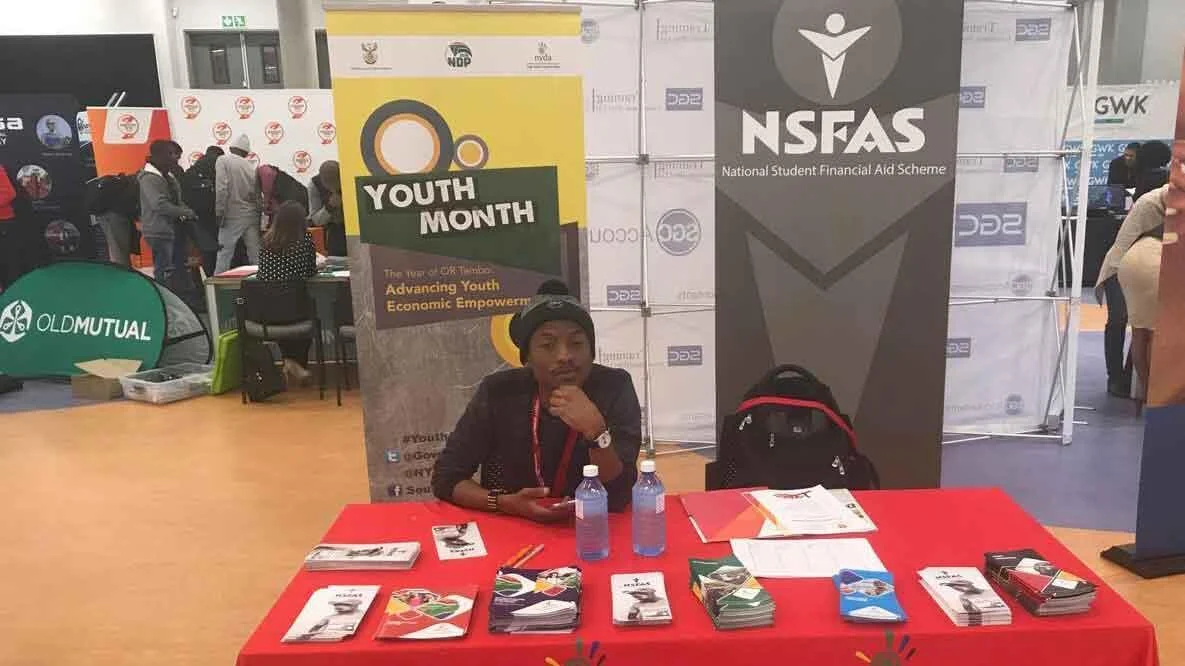
The National Student Financial Aid Scheme (NSFAS) plays a critical role in South Africa’s education landscape, providing financial support to students who would otherwise be unable to afford higher education. However, the scheme has faced significant challenges, including issues with fund management and accountability. Recent developments, such as the Special Investigating Unit’s (SIU) recovery of R1.7 billion, highlight these ongoing struggles and the efforts being made to improve the system. This recovery is not just a financial win; it represents a crucial step towards ensuring that funds meant for deserving students actually reach them.
The SIU’s intervention has brought to light systemic problems within NSFAS, particularly concerning unallocated funds between 2016 and 2021. These funds, which should have been available for eligible students, were retained by institutions for longer than permitted due to inadequate control systems and a lack of reconciliation processes. This situation not only deprived students of necessary financial aid but also pointed to broader issues of financial mismanagement and governance failures within NSFAS and its oversight bodies. The recovery of this substantial amount is a direct result of the SIU’s mandate to investigate corruption and maladministration and recover financial losses.
The R1.7 billion returned to NSFAS is part of a larger R2 billion recovered by the SIU. This recovery effort includes funds from universities, TVET colleges, and even from former students who were found to be ineligible for NSFAS support. The SIU has been actively pursuing these repayments, with a significant portion collected from parents and unqualified beneficiaries who have agreed to pay back the money over time. This multifaceted approach underscores the SIU’s commitment to holding all parties accountable for the misuse or improper acquisition of NSFAS funds.
The implications of this R1.7 billion recovery are far-reaching. For NSFAS, it means a renewed opportunity to support students who qualify for funding, potentially alleviating some of the financial strain the scheme has faced. For students, it offers a glimmer of hope that more financial aid will be available. However, the situation also raises critical questions about the long-term sustainability and efficiency of NSFAS, prompting calls for more comprehensive reforms and stricter oversight. The union Nehawu has voiced strong concerns, calling for a full forensic investigation and accountability from both NSFAS and the Department of Higher Education and Training.
The SIU’s Role in Recovering Funds
The Special Investigating Unit (SIU) is an independent statutory body in South Africa that investigates serious malpractice, corruption, and maladministration in state institutions. Its mandate is to recover financial losses suffered by the state due to such wrongdoing. In the case of NSFAS, the SIU was authorized under Proclamation R88 of 2022 to investigate allegations of corruption and maladministration. This authorization empowered the unit to conduct thorough investigations, identify instances of fraud or negligence, and take legal action to recover any misappropriated funds.
The SIU’s work involves a systematic process of gathering evidence, interviewing witnesses, and analyzing financial records. When wrongdoing is uncovered, the unit can institute civil action in the High Court or a Special Tribunal to recover losses. Furthermore, if evidence of criminal conduct emerges, it is referred to the National Prosecuting Authority (NPA) for criminal prosecution. This dual approach ensures that not only are financial losses recouped, but those responsible are also held criminally liable, serving as a deterrent against future misconduct.
The recovery of R1.7 billion is a testament to the SIU’s effectiveness in fulfilling its mandate. This amount represents funds that were unallocated between 2016 and 2021. These unallocated funds typically arise when students deregister, change institutions, or are otherwise no longer eligible for the funding they initially received. While these funds should be returned to NSFAS for redistribution, the SIU found that institutions had retained them for extended periods, often beyond the stipulated one-year limit. This failure to reconcile and return funds points to significant lapses in financial controls and administrative processes within NSFAS and the institutions themselves.
The SIU’s investigation revealed that inadequate control systems and a lack of reconciliation processes were primary reasons for the accumulation of these unallocated funds. NSFAS, as the administrator of student financial aid, has a responsibility to ensure that these funds are properly managed and accounted for. The SIU’s findings indicate a systemic failure in this regard during the specified period. The recovery of R1.7 billion is therefore not just about retrieving money; it’s about rectifying past administrative failures and strengthening the financial integrity of the NSFAS system.
Understanding Unallocated Funds
Unallocated funds within the NSFAS system refer to money that was initially designated for student bursaries or loans but was not ultimately disbursed to a student. This can happen for several reasons. A common scenario is when a student registers for a course and NSFAS allocates funds for their tuition and living expenses, but the student later withdraws from their studies, changes their course of study, or transfers to a different institution. In such cases, the allocated funds may become unallocated.
According to the SIU’s statement, these unallocated funds were specifically from the period between 2016 and 2021. The SIU noted that these funds are typically retained by the institution for one year. However, in this instance, institutions held onto them for longer. This retention period is critical because it highlights a breakdown in the expected financial management protocols. NSFAS relies on institutions to report and return these unallocated funds promptly so they can be reallocated to other deserving students. The failure to do so meant that money intended for student support was essentially tied up, unavailable for its intended purpose.
The SIU attributed the existence of these unallocated funds to “inadequate control systems and a lack of reconciliation processes implemented by NSFAS during that period.” This is a serious indictment of NSFAS’s operational efficiency and oversight capabilities. Effective financial management requires robust systems for tracking funds, reconciling accounts, and ensuring that all allocated money is either disbursed to students or returned to the scheme in a timely manner. The lack of these processes meant that NSFAS was not effectively recovering money that rightfully belonged to it and, by extension, to the student population it serves.
The recovery of R1.7 billion from these unallocated funds is significant because it directly addresses a drain on NSFAS’s resources. By retrieving this money, NSFAS can now utilize it to fund current and future students, thereby fulfilling its core mission. The SIU’s findings also serve as a crucial learning opportunity for NSFAS, prompting necessary reforms to prevent such situations from recurring. The scheme’s commitment to implementing the SIU’s recommendations, such as introducing a data-driven reporting framework and considering an in-house payment system, are direct responses to these identified weaknesses.
Accountability and Mismanagement at NSFAS
The recovery of R1.7 billion by the SIU has brought to the forefront serious concerns about accountability and financial mismanagement within NSFAS. The union Nehawu has been particularly vocal, describing the situation as an “indictment on NSFAS.” Their statement emphasizes that NSFAS is tasked with the critical responsibility of providing bursaries and loans to eligible students, as well as managing the recovery of these loans. The fact that the scheme failed to adequately monitor and recover funds that were rightfully its own is a matter of grave concern.
Nehawu’s call for a “comprehensive forensic investigation into all acts of wrongdoing, financial mismanagement, maladministration, and corruption at NSFAS” underscores the belief that the issues go beyond mere administrative errors. They suggest a deeper problem, a “rot” that needs to be thoroughly investigated to understand its full extent and identify all those involved. This sentiment reflects a broader public expectation that public funds, especially those intended for education, should be managed with the utmost integrity and transparency.
The union also pointed fingers at the Department of Higher Education and Training (DHET), stating that the department must “take full responsibility for what has transpired.” As NSFAS is a national public entity, the DHET has an oversight role. Nehawu argues that the administrative and governance failures at NSFAS should not have occurred if the department had effectively fulfilled its oversight responsibilities. This highlights the importance of strong governance structures and active supervision of public entities to prevent mismanagement and corruption.
The call for decisive consequences is clear. Nehawu urges law enforcement authorities to pursue criminal prosecution and litigation against those who have misused public funds. The message is that there must be tangible repercussions for individuals involved in the misuse of these funds. This is seen as essential to send a strong message that such actions will not be tolerated and to restore public trust in the management of student financial aid. The recovery of R1.7 billion is a step in the right direction, but it is also a catalyst for demanding greater accountability and systemic reform.
The SIU’s Recovery Efforts Beyond Unallocated Funds
The SIU’s recovery efforts extend beyond just unallocated funds. The total amount recovered by the SIU so far is R2 billion, which includes funds from various sources, demonstrating a broad approach to addressing financial irregularities. One significant aspect of this recovery involves direct repayments from individuals who received NSFAS funding but were not eligible.
The SIU has successfully collected R126,478,184.64 from 1,055 parents and unqualified NSFAS beneficiaries. These individuals signed acknowledgements of debt, agreeing to repay the funds they improperly received over time. This initiative targets those who may have knowingly or unknowingly benefited from the scheme without meeting the eligibility criteria. By securing these acknowledgements of debt, the SIU ensures that the money is returned to NSFAS, thereby reducing the financial burden on the scheme and making funds available for eligible students. The SIU actively urges other unqualified beneficiaries who have not yet come forward to contact them and make arrangements for repayment, indicating an ongoing effort to recover further funds.
In addition to repayments from individuals, the SIU has also recovered substantial amounts from institutions of higher learning. These recoveries are often the result of investigations into specific financial irregularities or mismanagement at these institutions concerning NSFAS funds. For example, the SIU reported additional recoveries such as:
- R69,727,824.22 from the University of the Free State (this was noted as a second payment, suggesting a phased recovery process).
- R5,502,040.09 from the University of Mpumalanga (also a second payment).
- R15 million from Tshwane North TVET College.
These recoveries from institutions indicate that the problem of financial mismanagement is not confined to NSFAS alone but can also be present within the universities and colleges that receive NSFAS funding. The SIU’s mandate allows it to investigate these institutions as well, ensuring a comprehensive approach to tackling corruption and maladministration that affects the student financial aid system.
The SIU’s work is guided by specific legal frameworks. Under Proclamation R88 of 2022, the SIU is authorized to investigate allegations of corruption and maladministration at NSFAS and recover financial losses. The SIU and Special Tribunals Act 74 of 1996 empowers the unit to institute civil actions. Crucially, any evidence of criminal conduct uncovered during these investigations is referred to the National Prosecuting Authority (NPA) for further action, including potential criminal prosecution. This comprehensive approach ensures that all avenues of recovery and accountability are pursued, reinforcing the integrity of the NSFAS system.
NSFAS’s Response and Proposed Reforms
In response to the findings and recommendations from the SIU, NSFAS has publicly stated its commitment to strengthening its financial controls and improving governance. The SIU has praised NSFAS for taking these steps, recognizing that proactive measures are essential to prevent future mismanagement and ensure the efficient use of funds. The recovery of R1.7 billion is a significant financial injection, but it is the systemic reforms that will determine NSFAS’s long-term effectiveness.
One of the key recommendations from the SIU that NSFAS is implementing is the introduction of a data-driven reporting framework. This framework is designed to enhance accountability by generating monthly occupancy and payment reports. Such reports are crucial for tracking the flow of funds, identifying discrepancies, and ensuring timely payments to service providers, including institutions and accommodation providers. By relying on data, NSFAS can move towards a more transparent and efficient operational model, reducing the likelihood of funds being mismanaged or unallocated.
Furthermore, NSFAS is considering the introduction of an in-house payment system. Currently, NSFAS may rely on intermediaries for processing payments, which can add complexity and potential points of failure in the financial chain. An in-house system would give NSFAS greater control over its payment processes, potentially reducing costs and improving efficiency. This move also aligns with the goal of strengthening financial management and removing reliance on external parties, thereby enhancing

Conversation
0 Comments