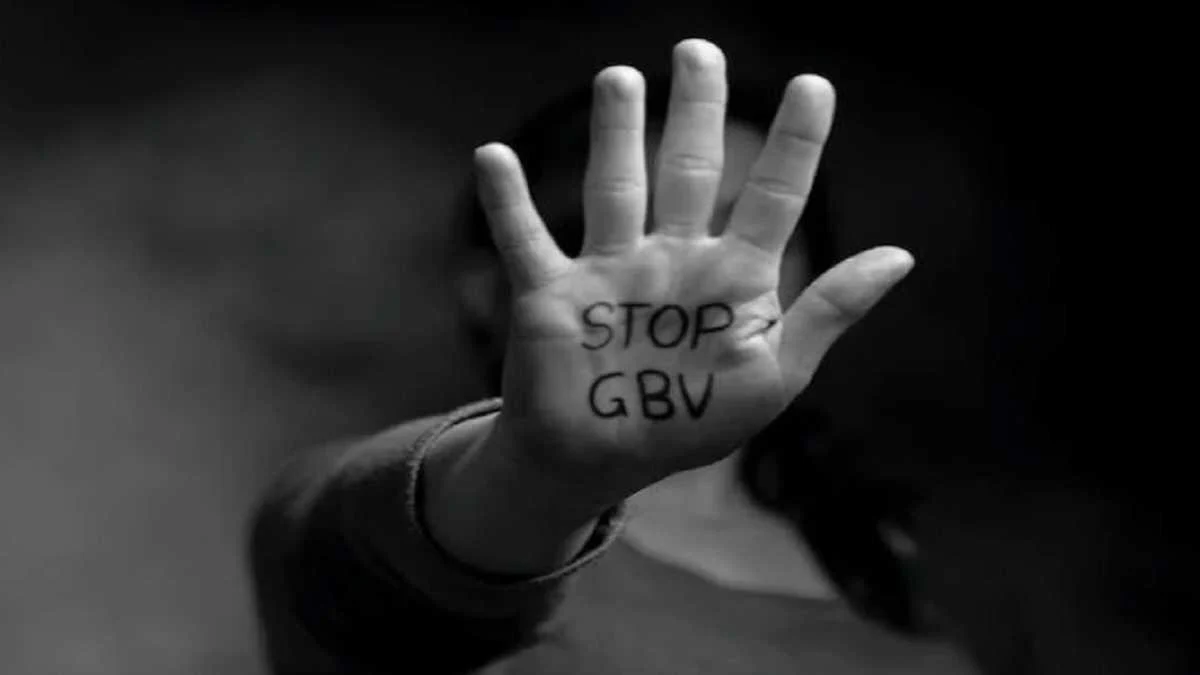
Understanding the National GBVF Inquiry: A Deep Dive into South Africa’s Response
Gender-based violence and femicide (GBVF) remain critical issues in South Africa, demanding a thorough examination of the nation’s response. The Joint National Inquiry into South Africa’s response to gender-based violence and femicide (GBVF) was established to address these concerns head-on. This inquiry, spearheaded by the Commission for Gender Equality (CGE), the South African Human Rights Commission (SAHRC), and the Commission for the Promotion and Protection of the Rights of Cultural, Religious and Linguistic Communities (CRL Rights Commission), aims to scrutinize the effectiveness of the criminal justice system in handling GBVF cases. The public’s strong engagement with this process, evidenced by an overwhelming response to calls for submissions, underscores the urgency and importance of this investigation.
The inquiry is not a standalone initiative but is deeply rooted in the National Strategic Plan on Gender-Based Violence and Femicide (NSP-GBVF). Specifically, it aligns with Pillar 3 of this plan, which is dedicated to strengthening the criminal justice system’s response. This involves improving investigations, prosecutions, survivor support, case management, and inter-institutional coordination. By examining these areas, the inquiry seeks to identify systemic challenges and propose actionable recommendations to ensure greater accountability, equality, dignity, and access to justice for all affected by GBVF. This article will explore the purpose, phases, and significance of the National GBVF Inquiry, providing a comprehensive overview of this vital undertaking.
The Imperative for the National GBVF Inquiry
South Africa grapples with alarmingly high rates of gender-based violence and femicide. Despite numerous campaigns and existing policies, the problem persists, highlighting deep-seated systemic issues. The National GBVF Inquiry was convened to address this ongoing crisis and to critically assess how the country’s criminal justice system handles cases of GBVF. The three commissions involved – the CGE, SAHRC, and CRL Rights Commission – operate under a constitutional mandate to promote, protect, monitor, and assess the observance of constitutional rights. This inquiry is a direct application of that mandate, aiming to ensure that the rights of victims and survivors are upheld and that the justice system functions effectively and equitably.
The decision to extend the inquiry period, as reported in September 2026, further emphasizes the significant public interest and the depth of issues that need to be addressed. A strong public response, including submissions from victims, survivors, families, civil society organizations, researchers, legal practitioners, and academics, indicates a widespread desire for meaningful change. These submissions provide invaluable insights into the lived experiences of those affected by GBVF and the challenges faced within the justice system. The inquiry provides a crucial platform for these voices to be heard and for their experiences to inform policy and practice.
The inquiry’s focus on the reporting, victim support, investigation, and pre-trial functioning of the criminal justice system is particularly important. These stages are critical in ensuring that cases are handled with sensitivity, efficiency, and a commitment to justice. Any weaknesses or failures at these initial points can have devastating consequences for survivors and can allow perpetrators to evade accountability. By examining these specific aspects, the inquiry aims to pinpoint where improvements are most needed and to develop recommendations that can lead to tangible positive outcomes. The goal is to create a justice system that is not only responsive but also effective in preventing and addressing GBVF.
Alignment with the National Strategic Plan on GBVF (NSP-GBVF)
The National GBVF Inquiry is intrinsically linked to the broader National Strategic Plan on Gender-Based Violence and Femicide (NSP-GBVF). This plan, developed through extensive consultation, outlines a comprehensive roadmap for addressing GBVF in South Africa. The inquiry specifically focuses on Pillar 3 of the NSP-GBVF, which is dedicated to strengthening the criminal justice system’s response. This pillar recognizes that an effective justice system is a cornerstone of combating GBVF.
Pillar 3 of the NSP-GBVF emphasizes several key areas for improvement:
- Improved Investigations and Prosecutions: This involves ensuring that law enforcement officials are adequately trained to handle GBVF cases with sensitivity and expertise, and that prosecutors have the resources and support needed to build strong cases.
- Survivor Protection: This includes measures to protect victims and survivors from further harm, intimidation, or retaliation throughout the legal process. It also encompasses providing access to essential support services, such as counseling and safe accommodation.
- Integrated Case Management: This refers to the need for better coordination and information sharing between different government departments and agencies involved in handling GBVF cases, from the initial reporting to the final court judgment.
- Institutional Accountability: This means holding individuals and institutions within the criminal justice system accountable for their actions or inactions in addressing GBVF. It also involves establishing clear performance standards and mechanisms for oversight.
- Better Coordination Between Relevant State Institutions: Effective collaboration between the police, National Prosecuting Authority (NPA), courts, social services, and other relevant bodies is essential for a seamless and supportive justice process for GBVF survivors.
The National GBVF Inquiry serves as a critical mechanism for monitoring progress and identifying challenges in the implementation of Pillar 3. By holding “duty bearers” accountable, the inquiry ensures that government departments and officials understand their responsibilities and are working towards the goals set out in the NSP-GBVF. The commissions are tasked with identifying issues, challenges, and necessary improvements within the justice system, directly contributing to the ongoing efforts to combat GBVF. This alignment ensures that the inquiry’s findings and recommendations are practical, relevant, and contribute to the overarching national strategy.
Phases of the National GBVF Inquiry
The National GBVF Inquiry is structured into distinct phases to systematically address the complex issues at hand. This phased approach allows for a focused examination of different aspects of the criminal justice system’s response to GBVF, ensuring that all critical areas are covered. The inquiry’s design prioritizes both the experiences of those directly affected and the systemic functioning of the institutions involved.
The inquiry is broadly divided into two main stages, with a significant emphasis on public participation:
Stage 1: Survivor Testimony and Lived Experiences
This initial stage is dedicated to hearing directly from victims and survivors of gender-based violence and femicide. It provides a platform for individuals to share their personal stories, detailing their encounters with the criminal justice system. This includes their experiences with reporting incidents, interacting with law enforcement, seeking support services, and navigating the legal processes.
The purpose of this stage is multifaceted:
- Giving Voice to Survivors: It ensures that the human impact of GBVF and the failures of the system are central to the inquiry.
- Gathering First-Hand Evidence: Survivor testimonies offer invaluable qualitative data that highlights the practical challenges and emotional toll of the current system.
- Identifying Gaps in Support: By listening to survivors, the inquiry can identify where support services are lacking, inadequate, or inaccessible.
- Understanding Systemic Failures: Personal accounts often reveal patterns of misconduct, negligence, or systemic biases that might not be apparent through statistical data alone.
The commissions have emphasized the importance of creating a safe and supportive environment for survivors to share their experiences. This stage is crucial for building empathy and understanding among those conducting the inquiry and for informing the subsequent stages of the investigation.
Stage 2: Pre-Trial Functioning and Accountability within the Criminal Justice System
Following the collection of survivor testimonies, the inquiry delves into the operational aspects of the criminal justice system. This stage focuses on examining the processes that occur before a trial, including the initial reporting of crimes, the quality of police investigations, the decisions made by prosecutors, and the adherence to legal procedures. It also scrutinizes the accountability mechanisms in place for officials within these institutions.
Key areas of focus in this stage include:
- Police Response: Assessing the effectiveness and responsiveness of police in handling GBVF complaints, including evidence collection, interviewing victims, and initiating investigations.
- Investigative Practices: Evaluating the thoroughness and competence of investigations, ensuring that all necessary steps are taken to build a strong case.
- Prosecutorial Decision-Making: Examining how prosecutors decide whether to proceed with a case, the efficiency of plea-bargaining processes, and the application of relevant laws.
- Court Processes: Looking at the pre-trial procedures within the court system, including bail applications and the management of case dockets.
- Accountability Mechanisms: Investigating whether there are effective systems in place to address misconduct, negligence, or corruption among criminal justice officials involved in GBVF cases. This includes looking at internal disciplinary procedures and external oversight bodies.
This stage aims to identify systemic weaknesses, procedural bottlenecks, and areas where accountability is lacking. The findings from this phase will be crucial in developing recommendations for reforming the criminal justice system to be more effective and responsive to GBVF.
Public Participation Process
Throughout both stages, public participation is a cornerstone of the inquiry. The commissions actively encourage individuals, organizations, and institutions to submit their views, experiences, and recommendations. This inclusive approach ensures that the inquiry is informed by a wide range of perspectives and that its outcomes reflect the needs and concerns of the South African public. The overwhelming response to the call for submissions highlights the success of this participatory model and underscores the public’s commitment to finding solutions to GBVF.
When and Where the Inquiry Takes Place
The Joint National Inquiry into South Africa’s response to gender-based violence and femicide (GBVF) was scheduled to take place at Braampark Office Park in Braamfontein. This central location in Johannesburg was chosen to facilitate accessibility for a broad range of stakeholders, including those who might travel from different parts of the country to participate or observe.
The inquiry was scheduled to run from 29 September to 2 October 2026. This four-day period was allocated for intensive hearings, testimony, and discussions. The initial schedule was set to allow for a focused examination of the critical issues at hand. However, the strong public response and the sheer volume of submissions received led to an extension of the inquiry’s timeline. This extension demonstrates a commitment to ensuring that all relevant voices are heard and that the inquiry has sufficient time to thoroughly investigate the complex challenges associated with GBVF in South Africa.
The extension of the inquiry period is a testament to the public’s deep engagement with the issue and the perceived importance of the inquiry’s work. It allows for more comprehensive testimony from survivors and a more detailed examination of the systemic issues within the criminal justice system. The extended duration also provides more opportunities for civil society organizations, researchers, and legal experts to present their findings and recommendations. This commitment to thoroughness is vital for developing effective and sustainable solutions to gender-based violence and femicide.
The Significance of the Inquiry’s Findings and Recommendations
The outcomes of the National GBVF Inquiry are expected to have a profound impact on South Africa’s approach to combating gender-based violence and femicide. By systematically examining the strengths and weaknesses of the criminal justice system, the inquiry aims to produce a set of actionable recommendations that can lead to tangible improvements. These recommendations will likely address policy, legislation, institutional practices, and resource allocation.
The inquiry’s findings will shed light on critical areas requiring immediate attention. This could include identifying specific training needs for police officers and prosecutors, highlighting deficiencies in victim support services, or pinpointing procedural flaws that hinder the effective prosecution of cases. The emphasis on accountability will also push for stronger oversight mechanisms and clearer consequences for officials who fail in their duties.
The recommendations are intended to be practical and implementable, providing a clear roadmap for government departments and other stakeholders. They will serve as a vital tool for ensuring that the NSP-GBVF is effectively implemented and that progress is made towards achieving its goals. The inquiry’s work is not just about identifying problems; it is about finding solutions that can create a safer and more just society for all South Africans, particularly women and girls who are disproportionately affected by GBVF.
Furthermore, the public nature of the inquiry and the strong public response signal a societal demand for change. The inquiry’s findings and recommendations will therefore carry significant weight and are likely to be closely scrutinized by the public, civil society, and policymakers alike. This public engagement can help to drive the implementation of the recommendations and ensure that the momentum generated by the inquiry is sustained. Ultimately, the success of the inquiry will be measured by its ability to contribute to a meaningful reduction in gender-based violence and femicide in South Africa.
Conclusion
The Joint National Inquiry into South Africa’s response to gender-based violence and femicide represents a critical step in the nation’s ongoing struggle against this pervasive issue. By meticulously examining the criminal justice system’s performance, from initial reporting to pre-trial proceedings, and by centering the voices of survivors, the inquiry is laying the groundwork for essential reforms. The overwhelming public engagement underscores the deep societal need for effective solutions and accountability.
Aligned with Pillar 3 of the NSP-GBVF, the inquiry’s phased approach, focusing on survivor testimony and then on systemic functioning, ensures a comprehensive understanding of the challenges. The extension of the inquiry period, driven by strong public response, demonstrates a commitment to thoroughness and inclusivity. The findings and subsequent recommendations are poised to offer concrete strategies for improving investigations, prosecutions, survivor support, and institutional coordination. This vital process aims not only to address immediate shortcomings but also to foster a more robust and responsive justice system, ultimately contributing to a future where gender-based violence and femicide are significantly reduced.